Mexico City Travel Guide: Neighborhoods, Food & Local Culture
A Mexican Metropolis
Mexico City is a sprawling metropolis where old meets new. It’s a vibrant cultural hub shaped by both contemporary Mexican influences and Mesoamerican heritage. Trendy barrios and historic centers are home to celebrated landmarks and world class museums. The city is a paradise for cuisine from street food vendors, bustling local markets and restaurants that celebrate Mexico’s rich culinary traditions.
La Roma
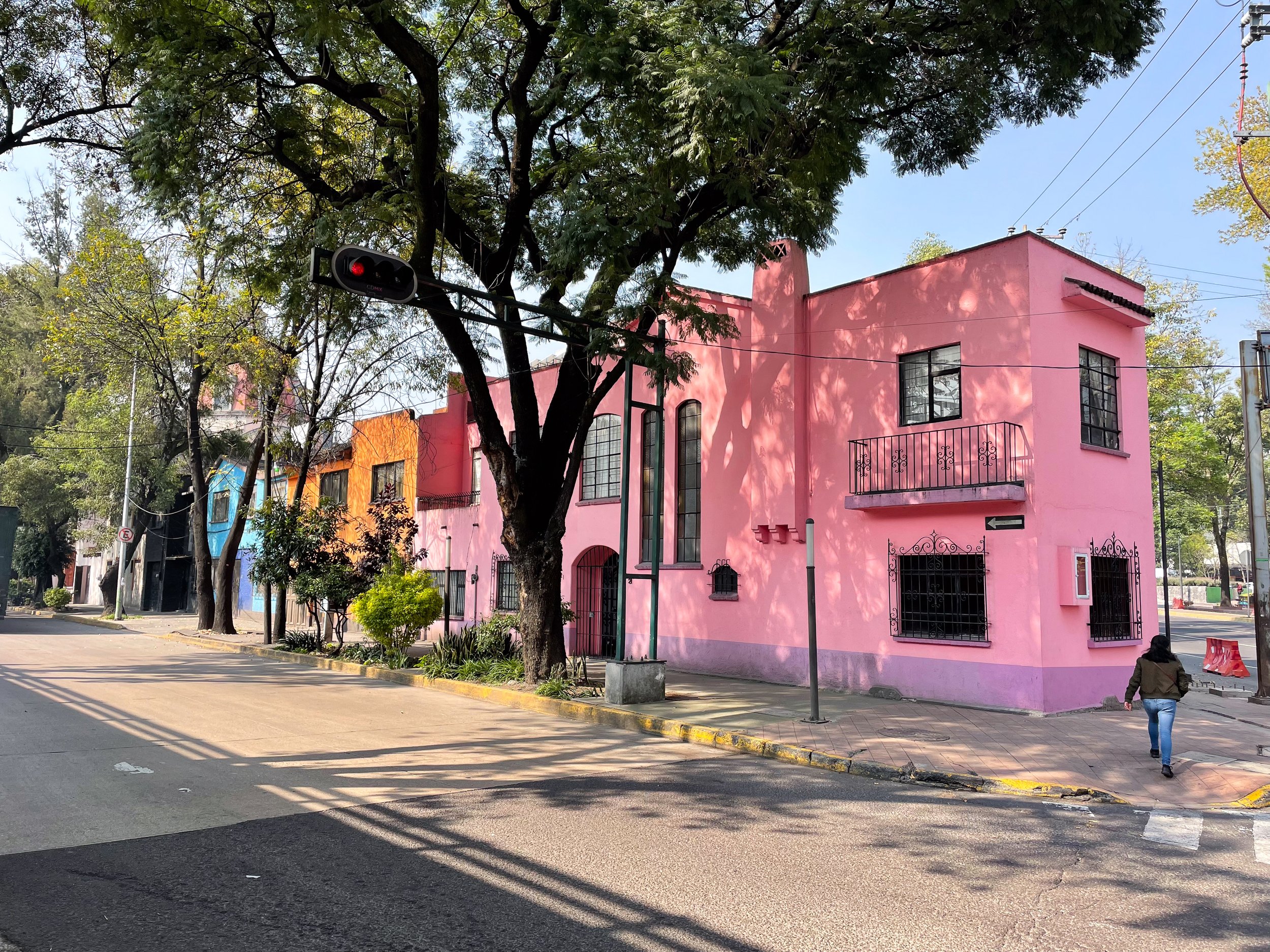
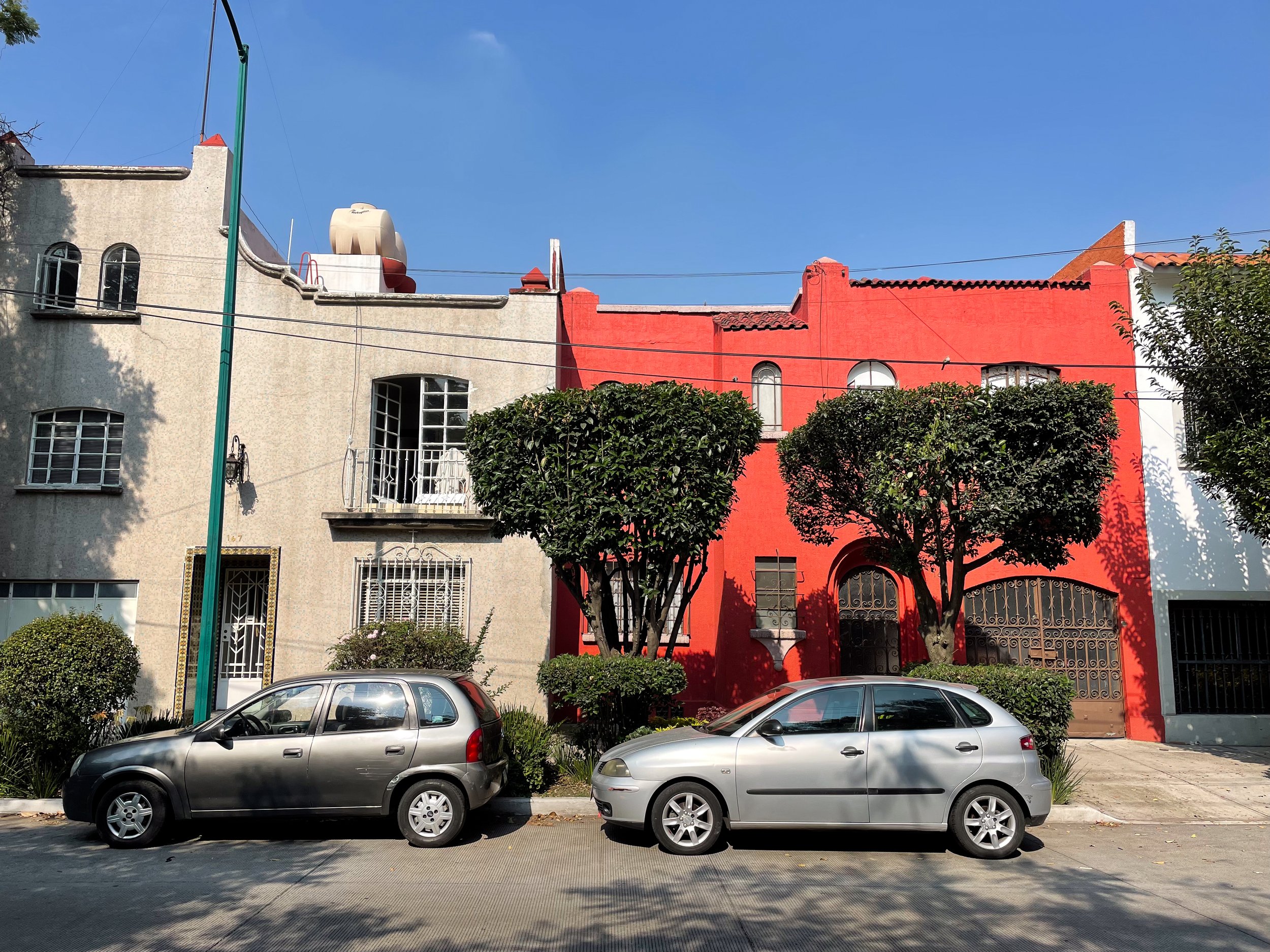
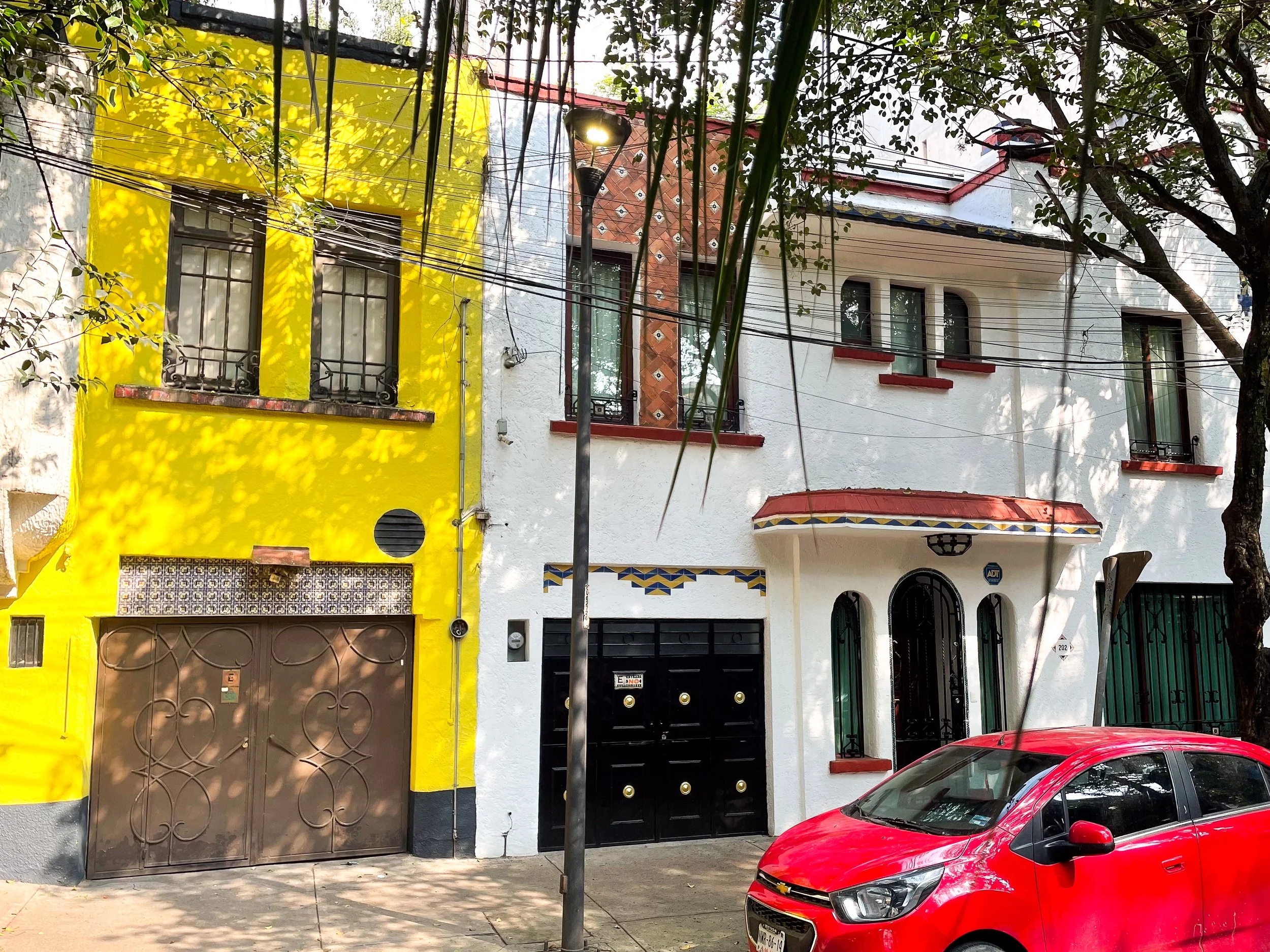
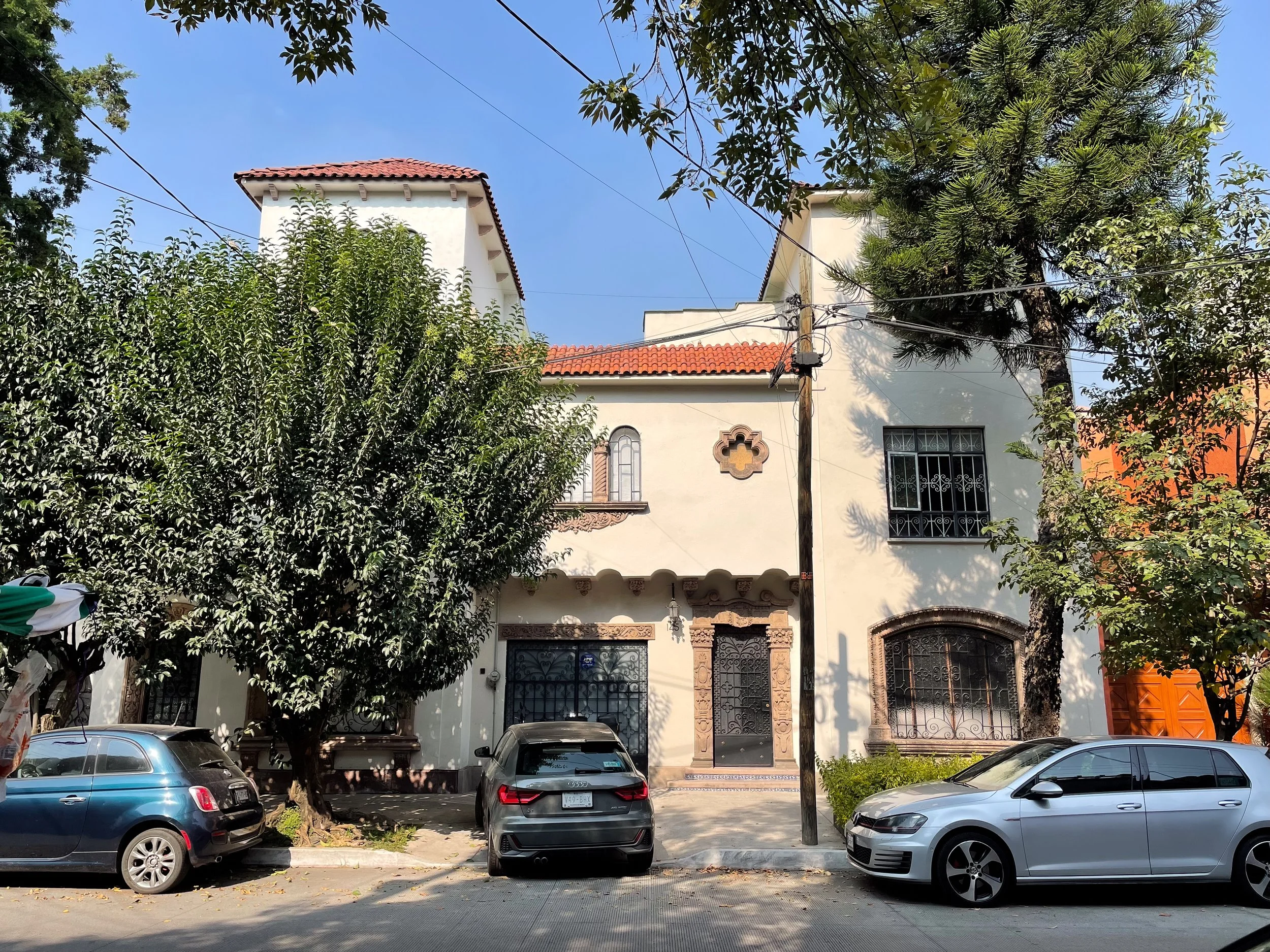
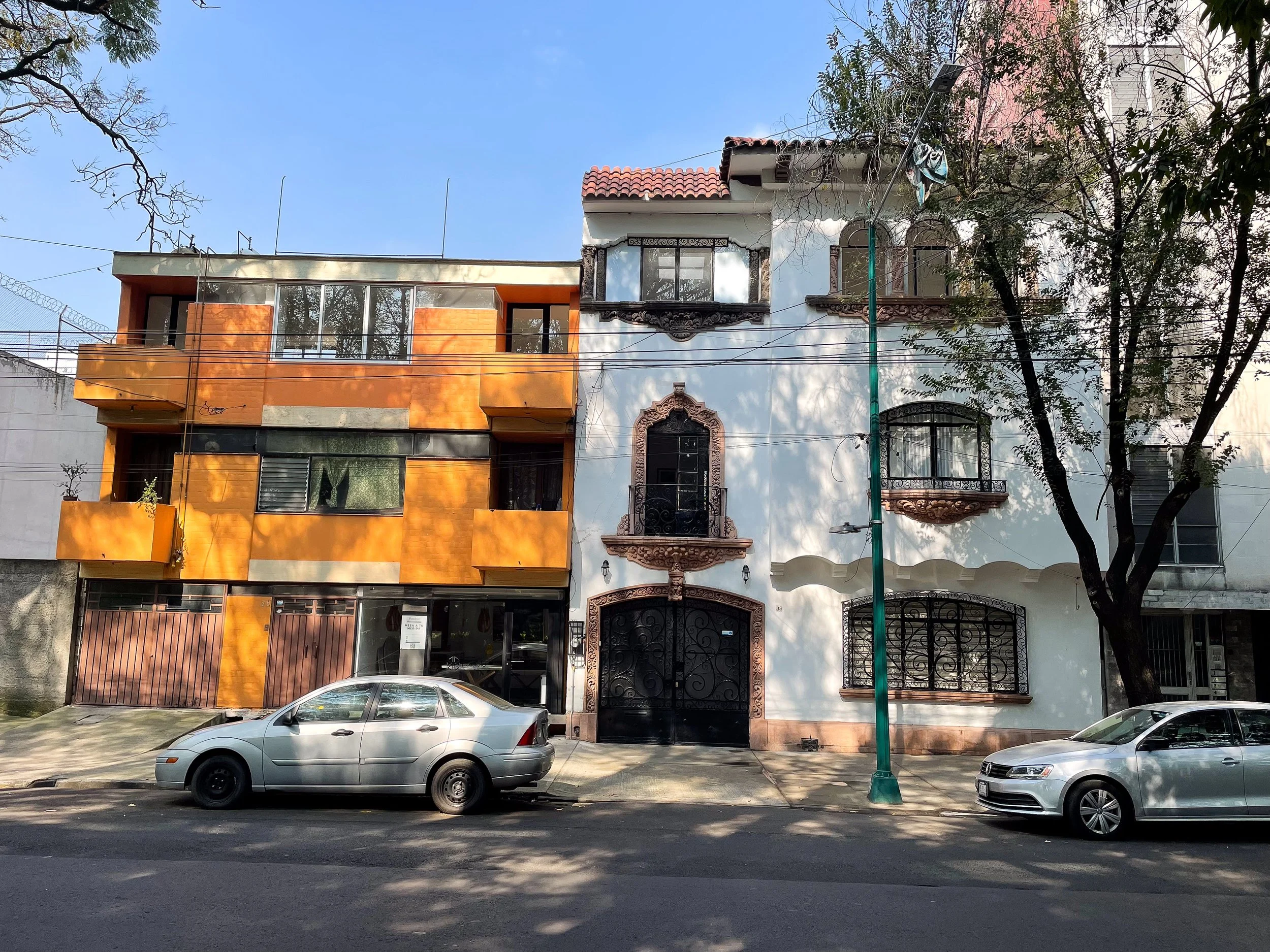
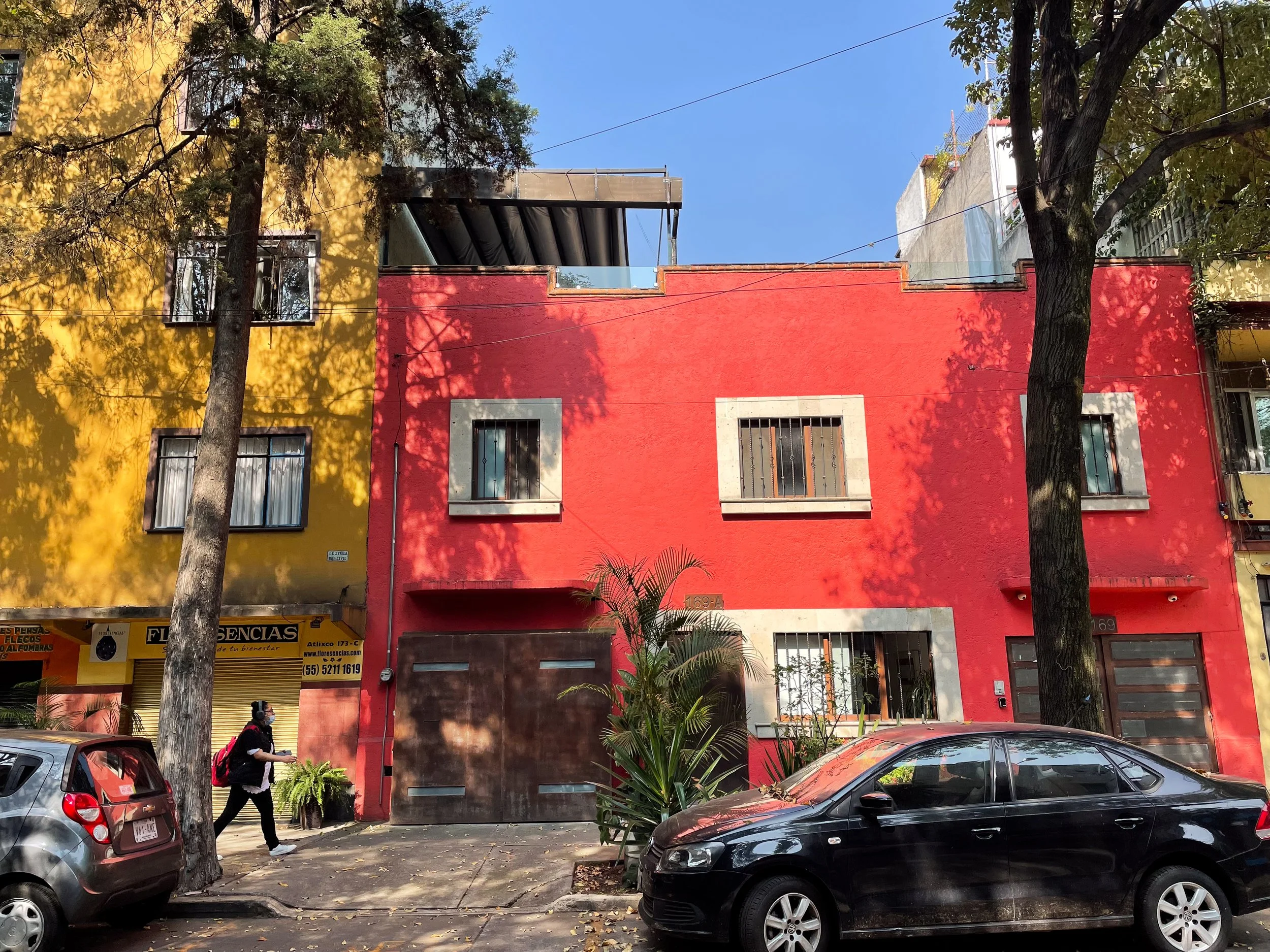
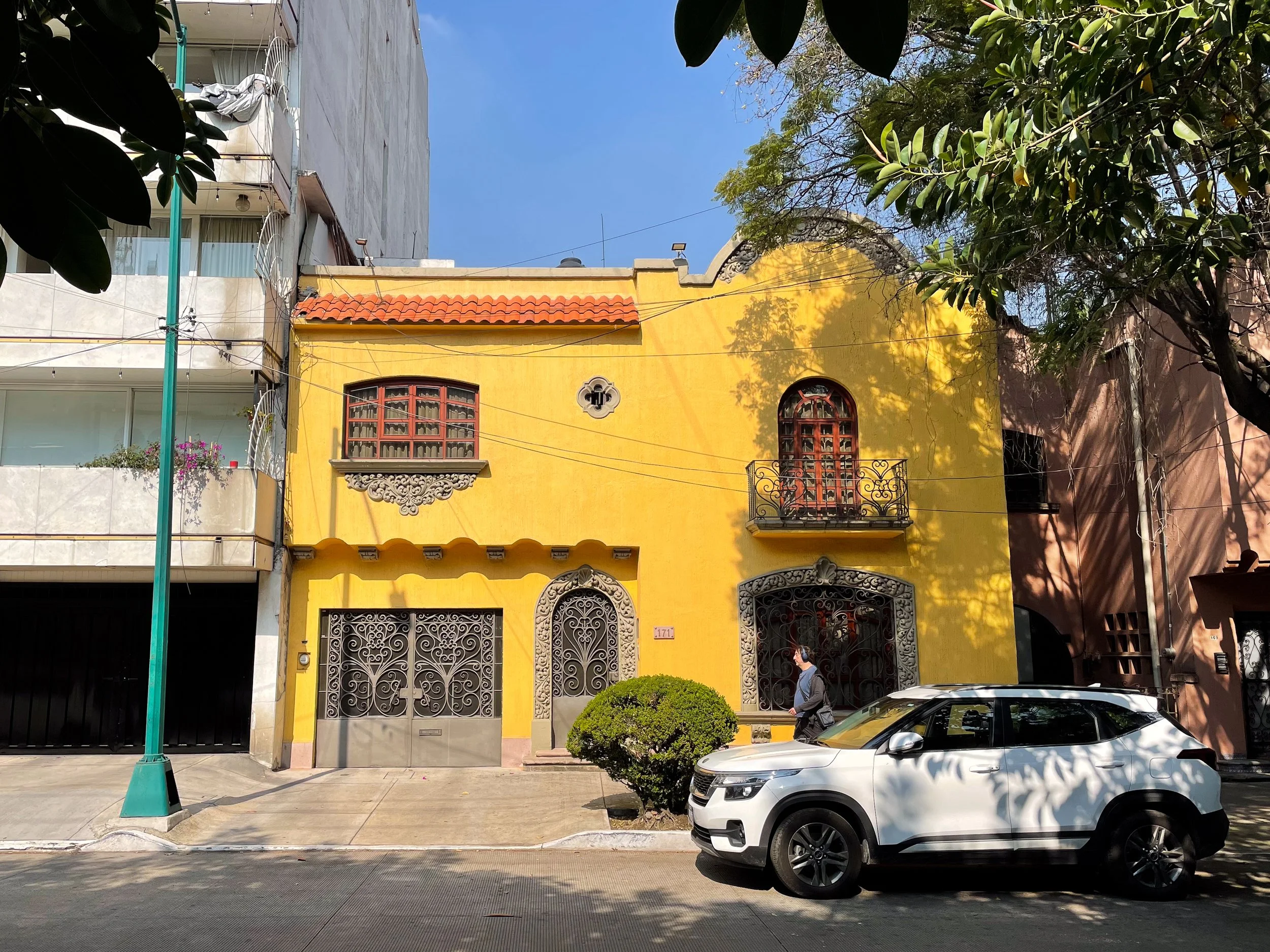
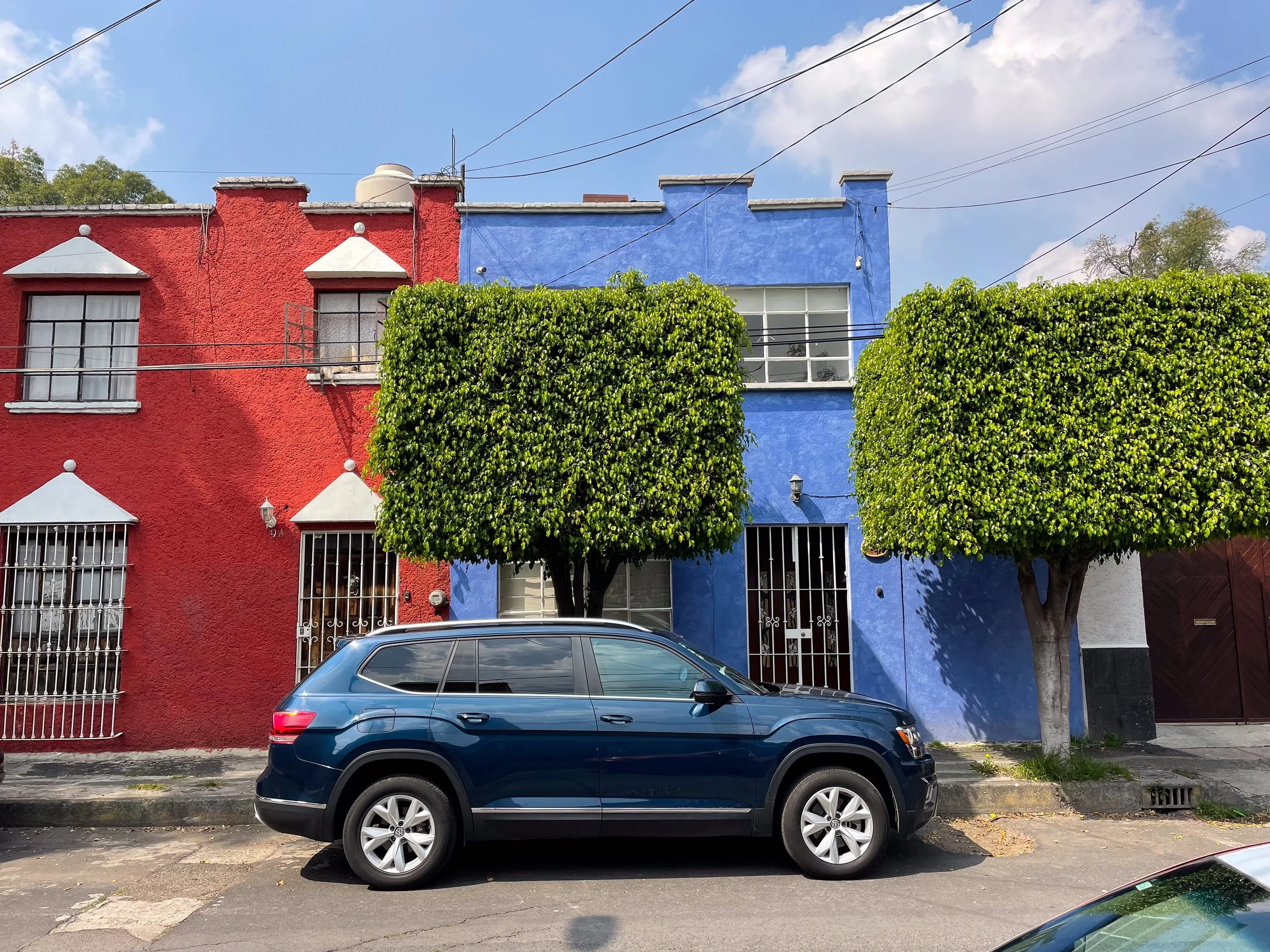
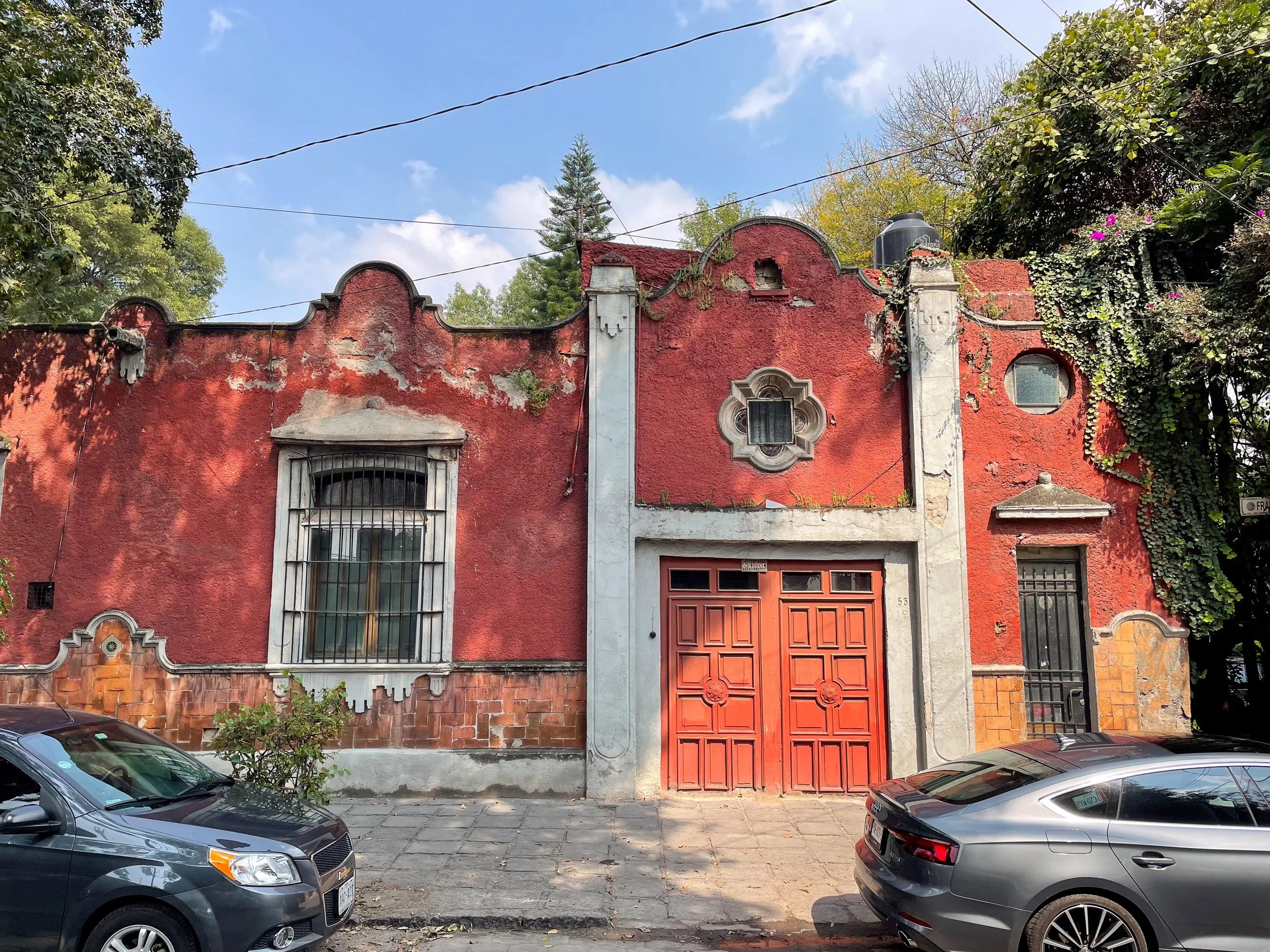
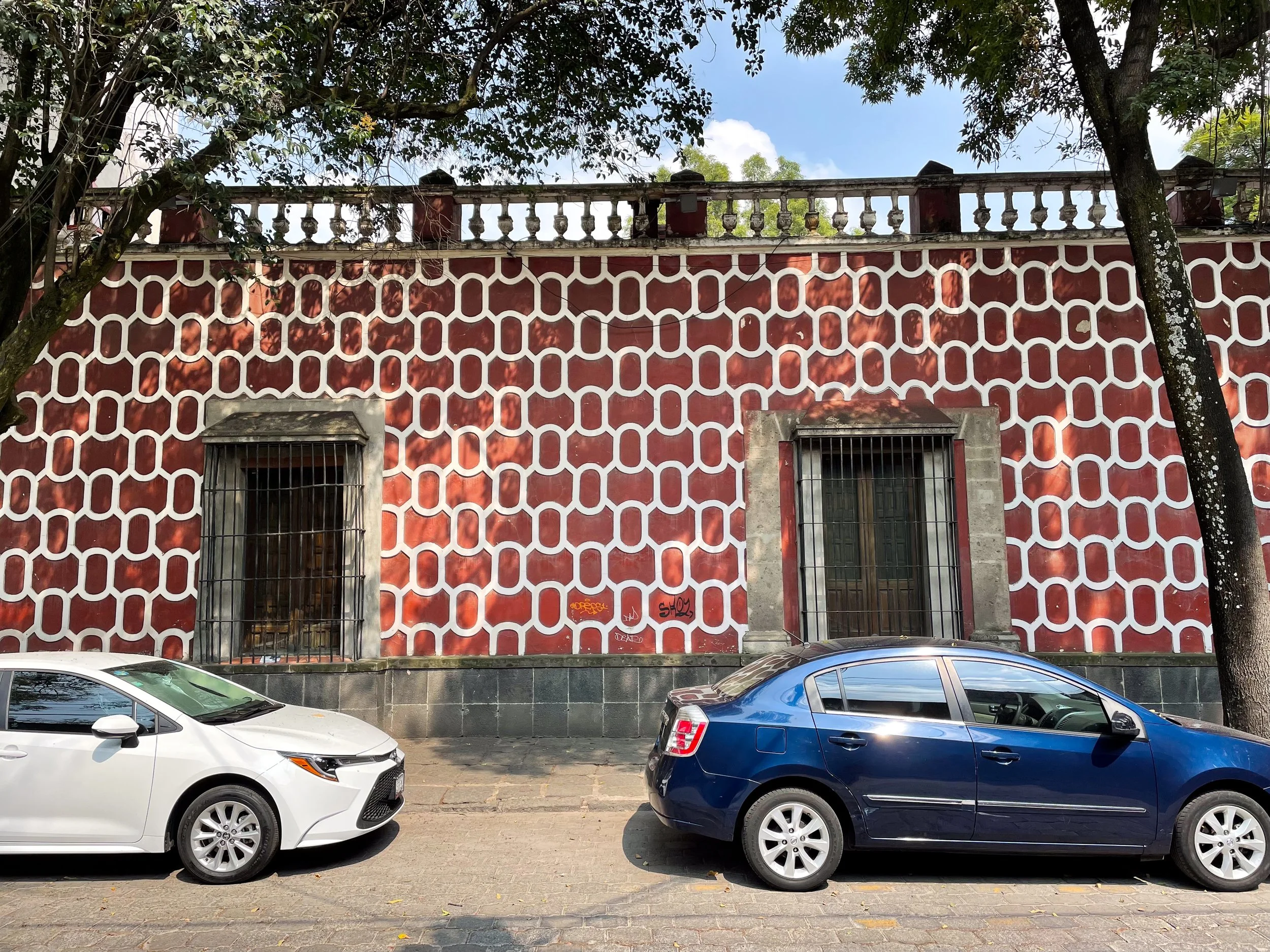
La Roma was our home both times we visited in Mexico City. The neighborhood is lush with tree lined streets, tropical plants and blossoming flowers. Architecturally, it shares a mix of styles including Art Deco, Spanish Colonial and Contemporary. It’s a trendy area with boutique hotels, cute shops, cafes selling pan dulce, mezcalerias and a wide range of restaurants. It’s home to millennials, American expats and dog owners.
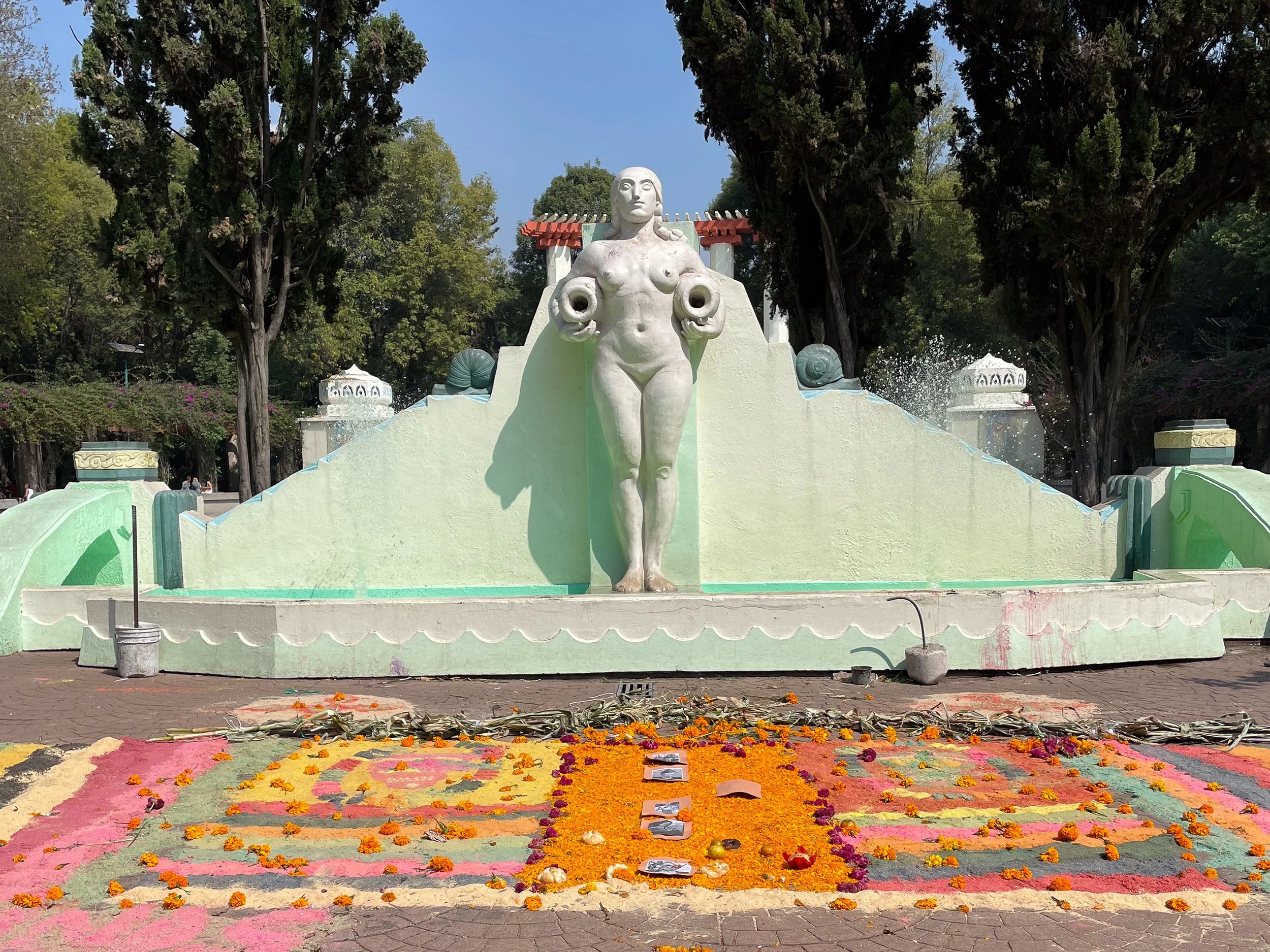
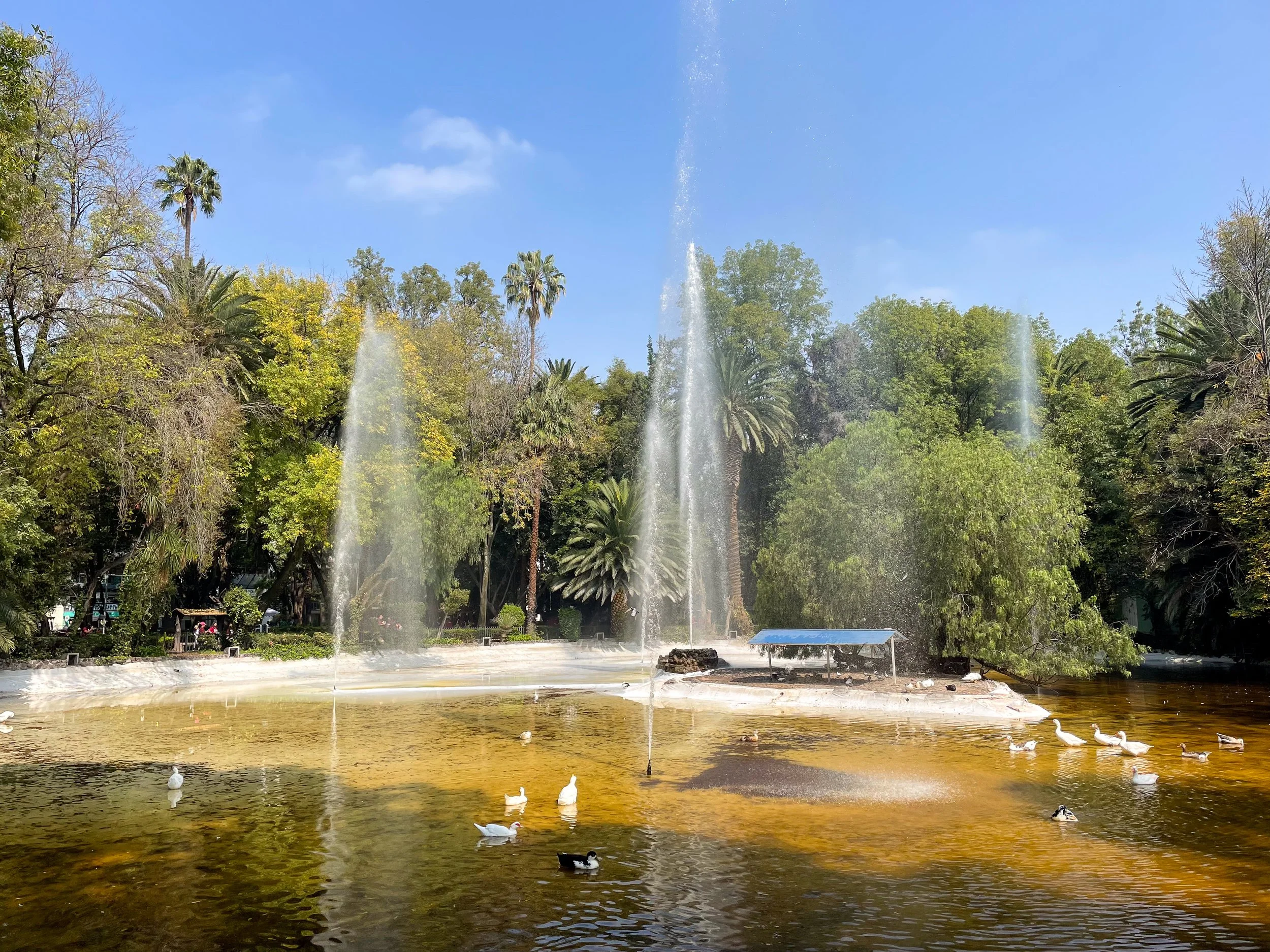
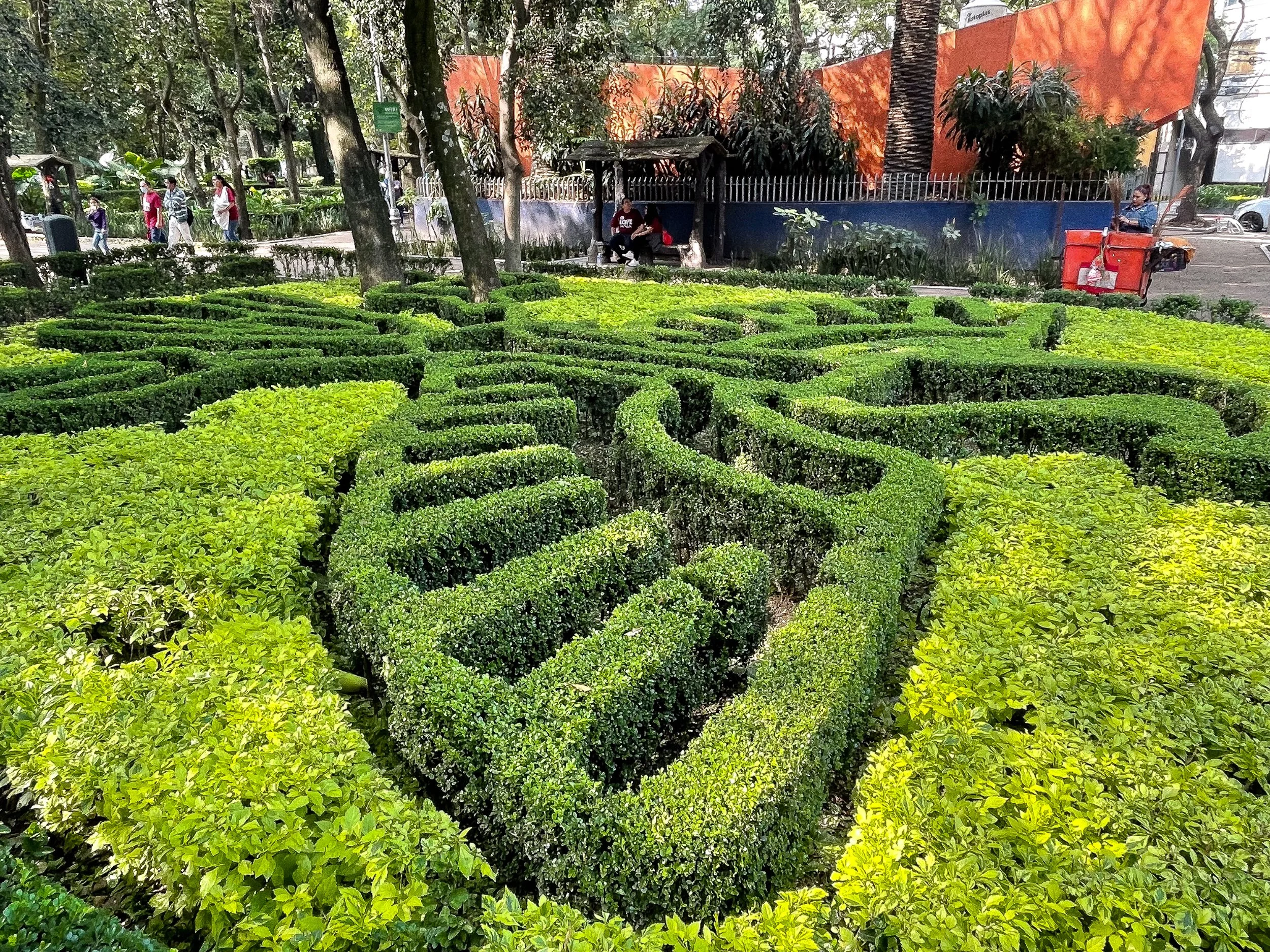
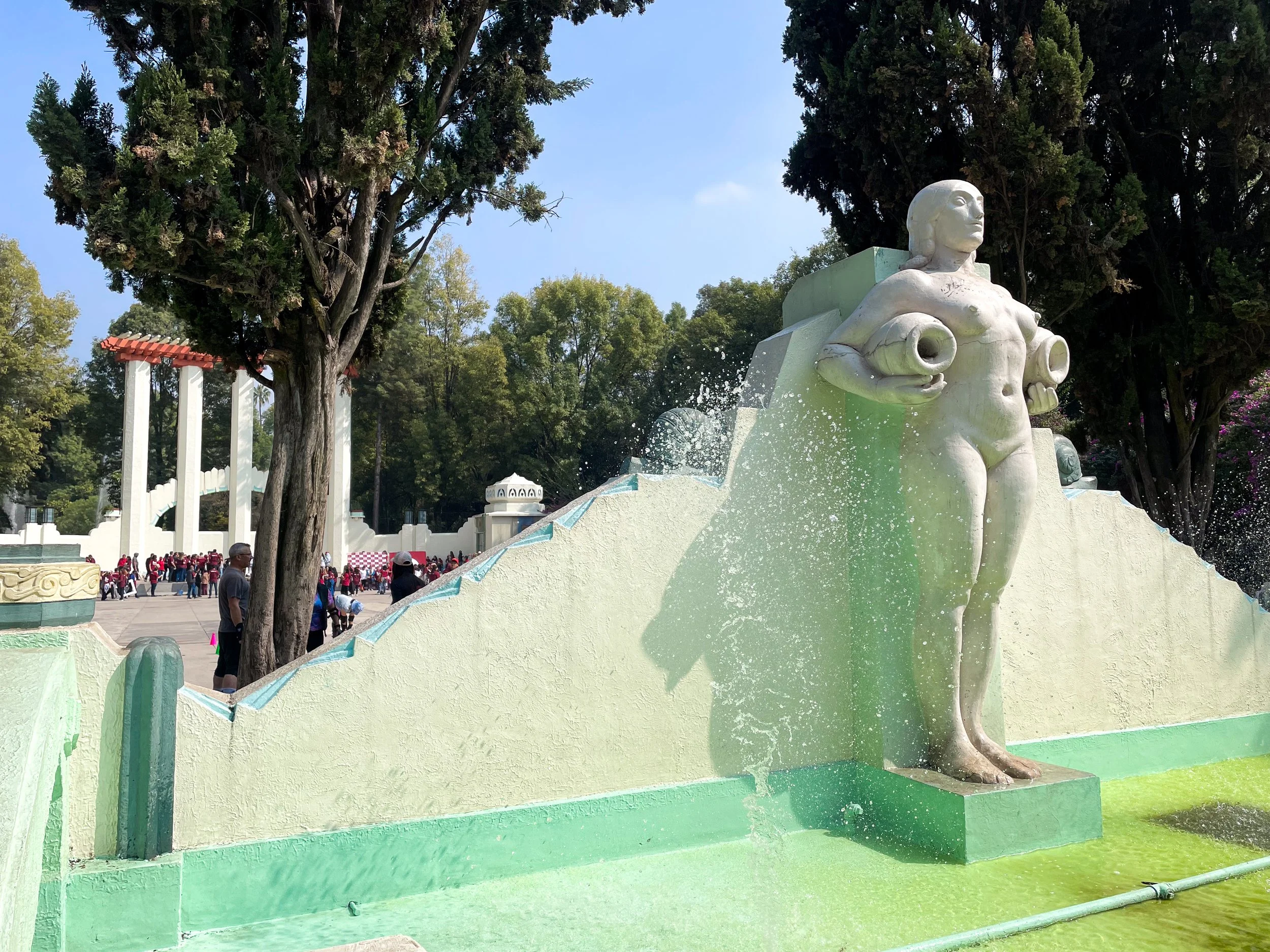
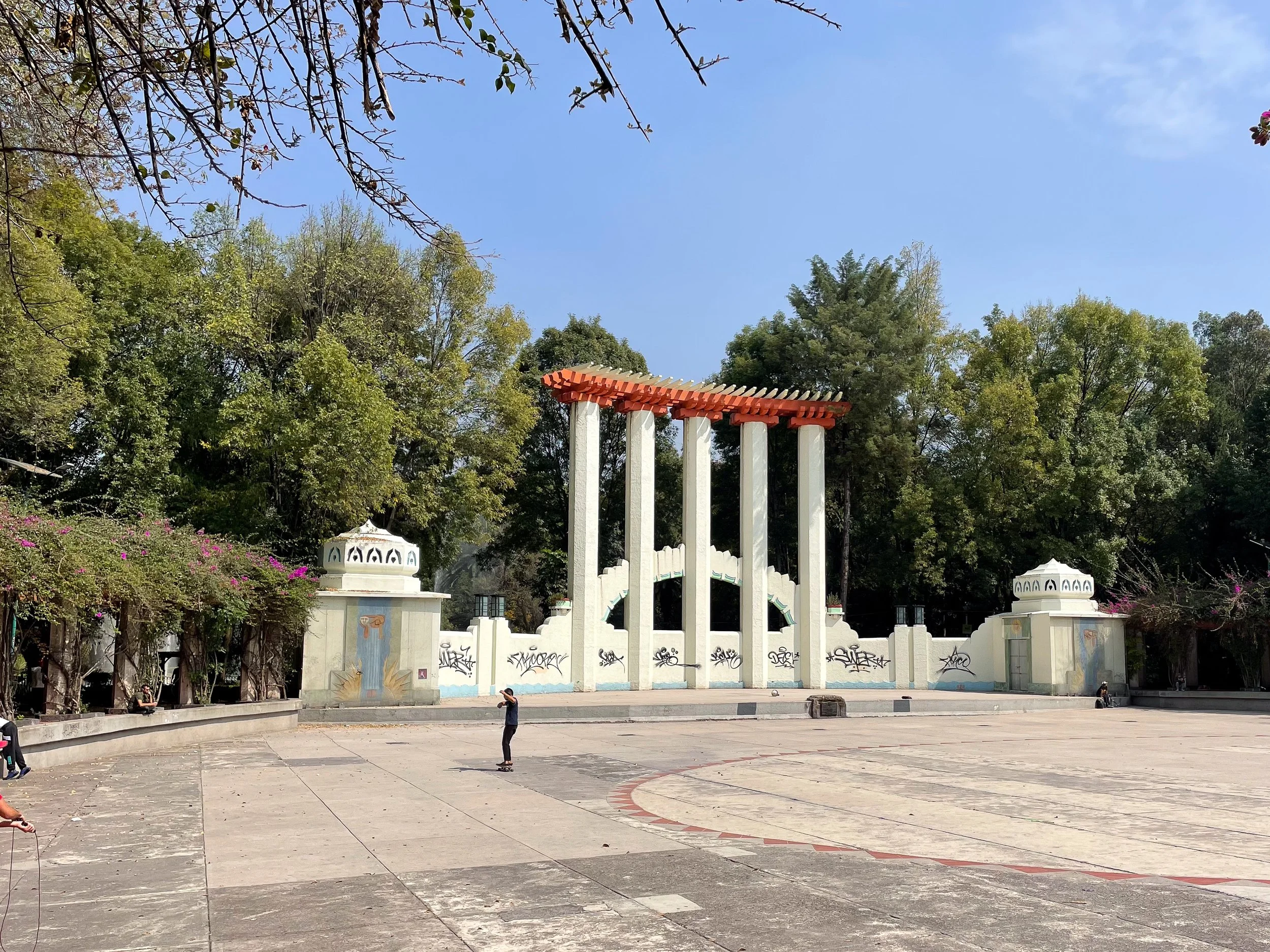
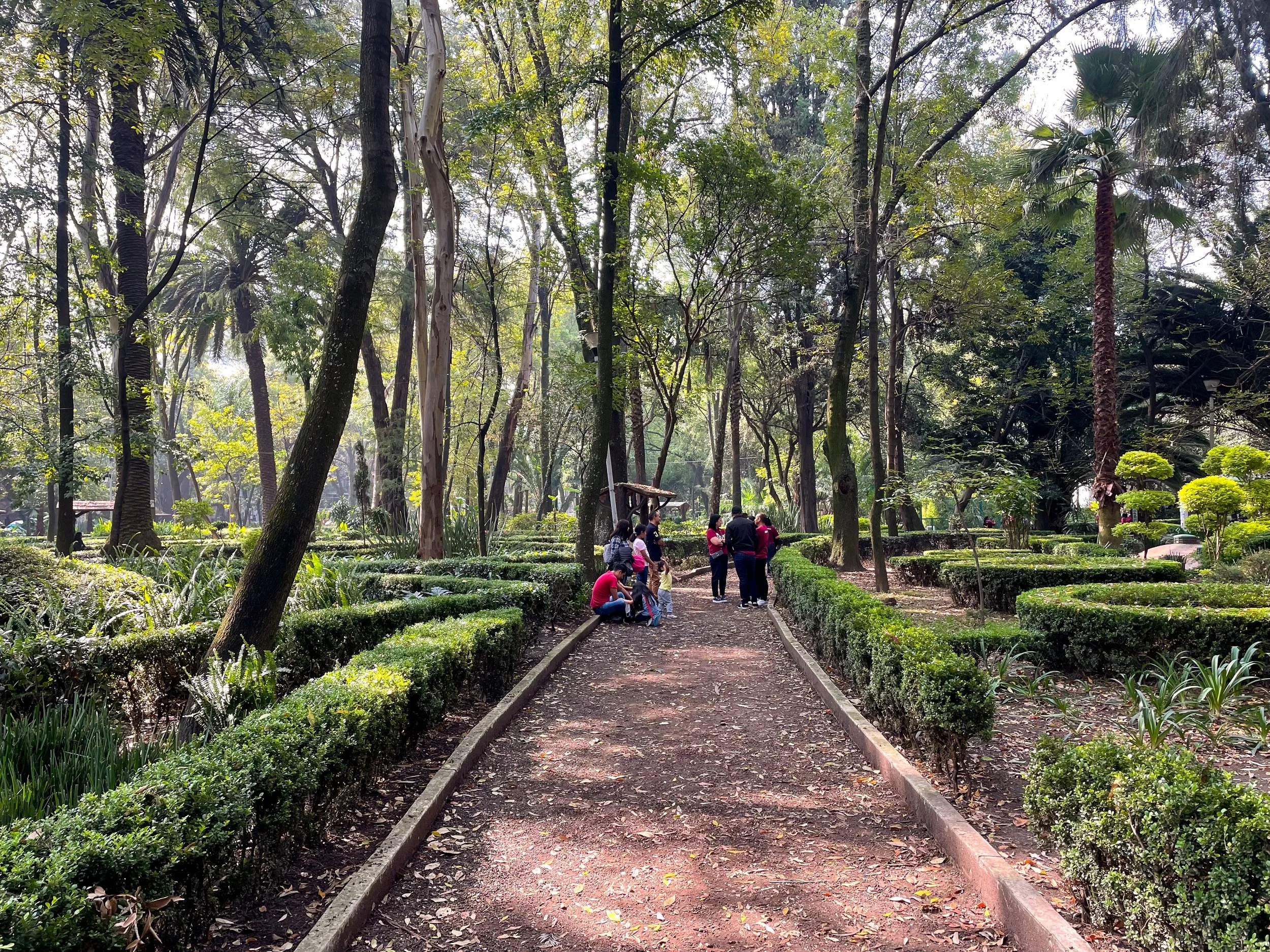
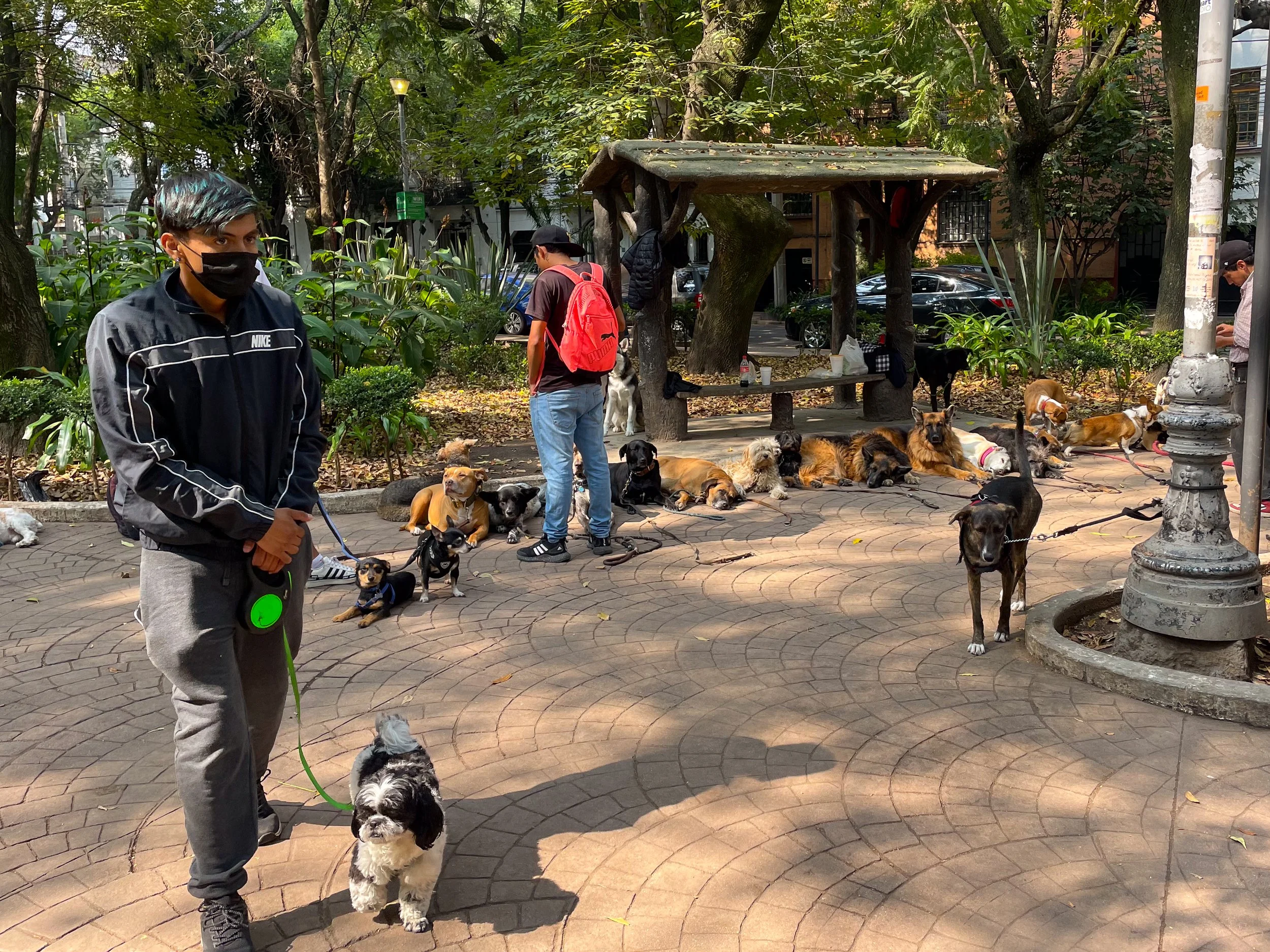
Parque Mexico. An ovular shaped park in the heart of La Roma. Between the tall trees and Art Deco fountains, couples can be spotted romantically kissing on park benches, pet owners letting their well behaved dogs play freely and families enjoying long afternoons together.
Avenida Amsterdam. An ovular avenue offset from Parque Mexico. We spent our mornings walking along the central boulevard admiring the nature, architecture and dogs while window shopping and looking for cafes and restaurants to eat at.
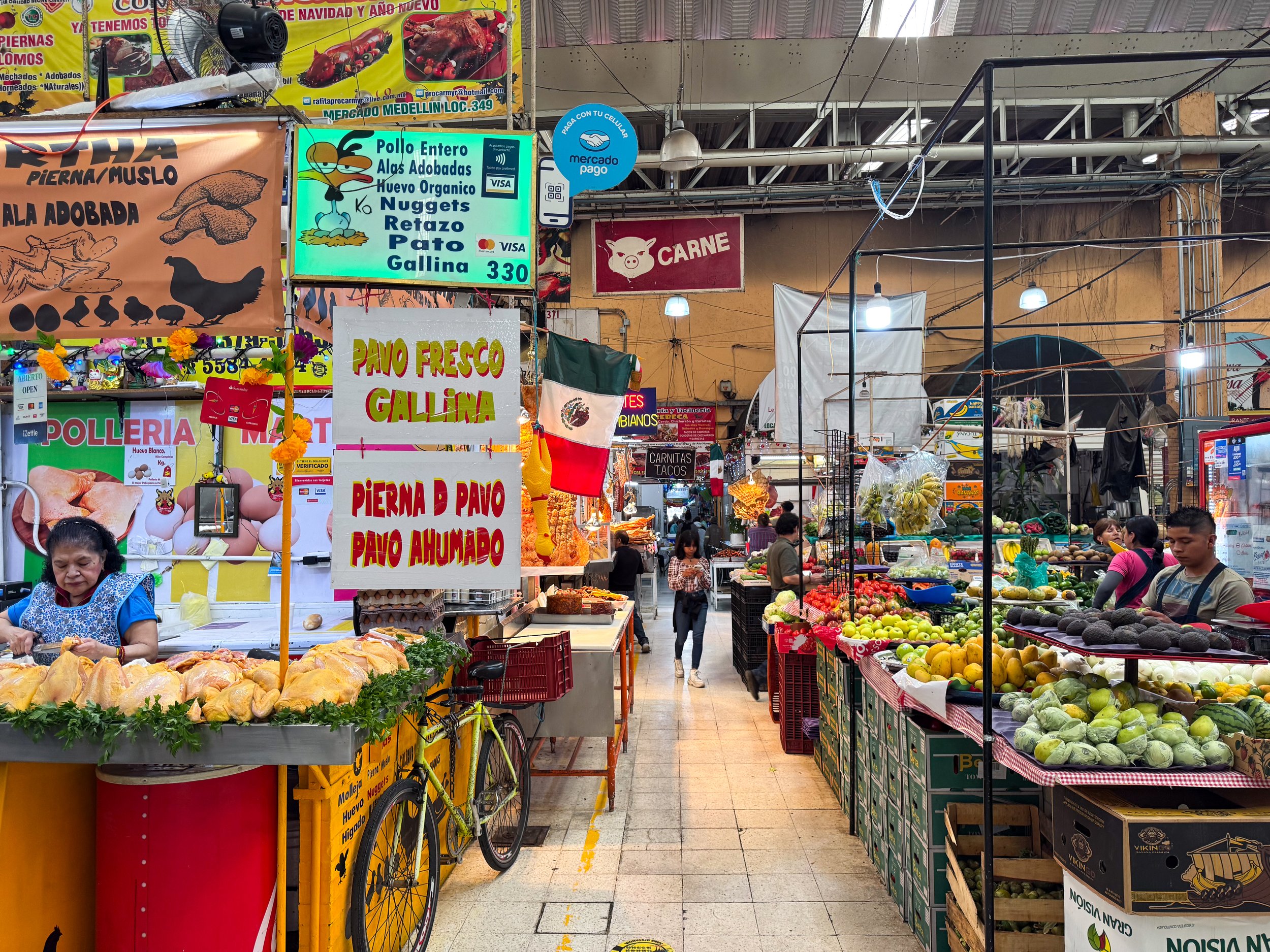
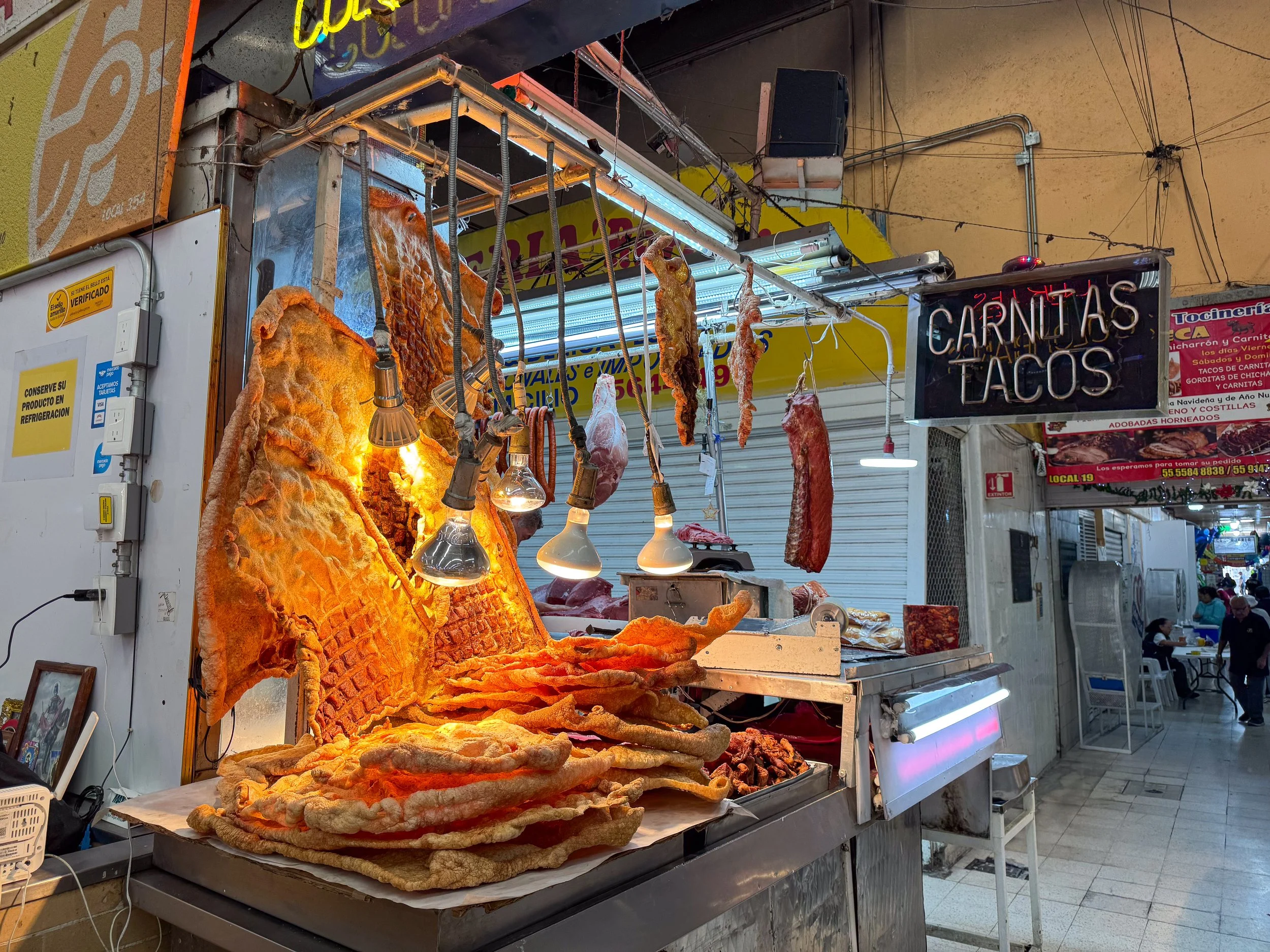
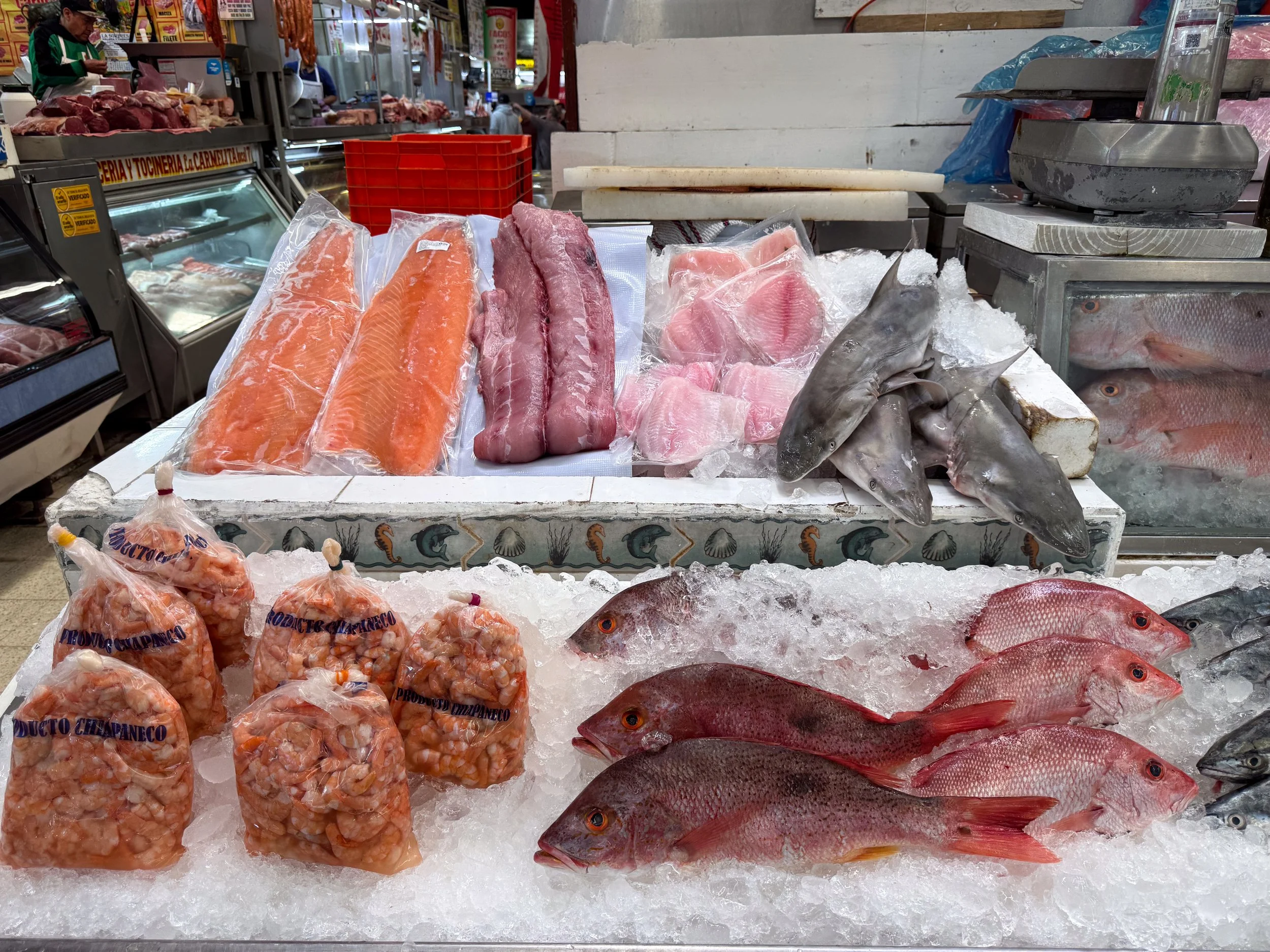
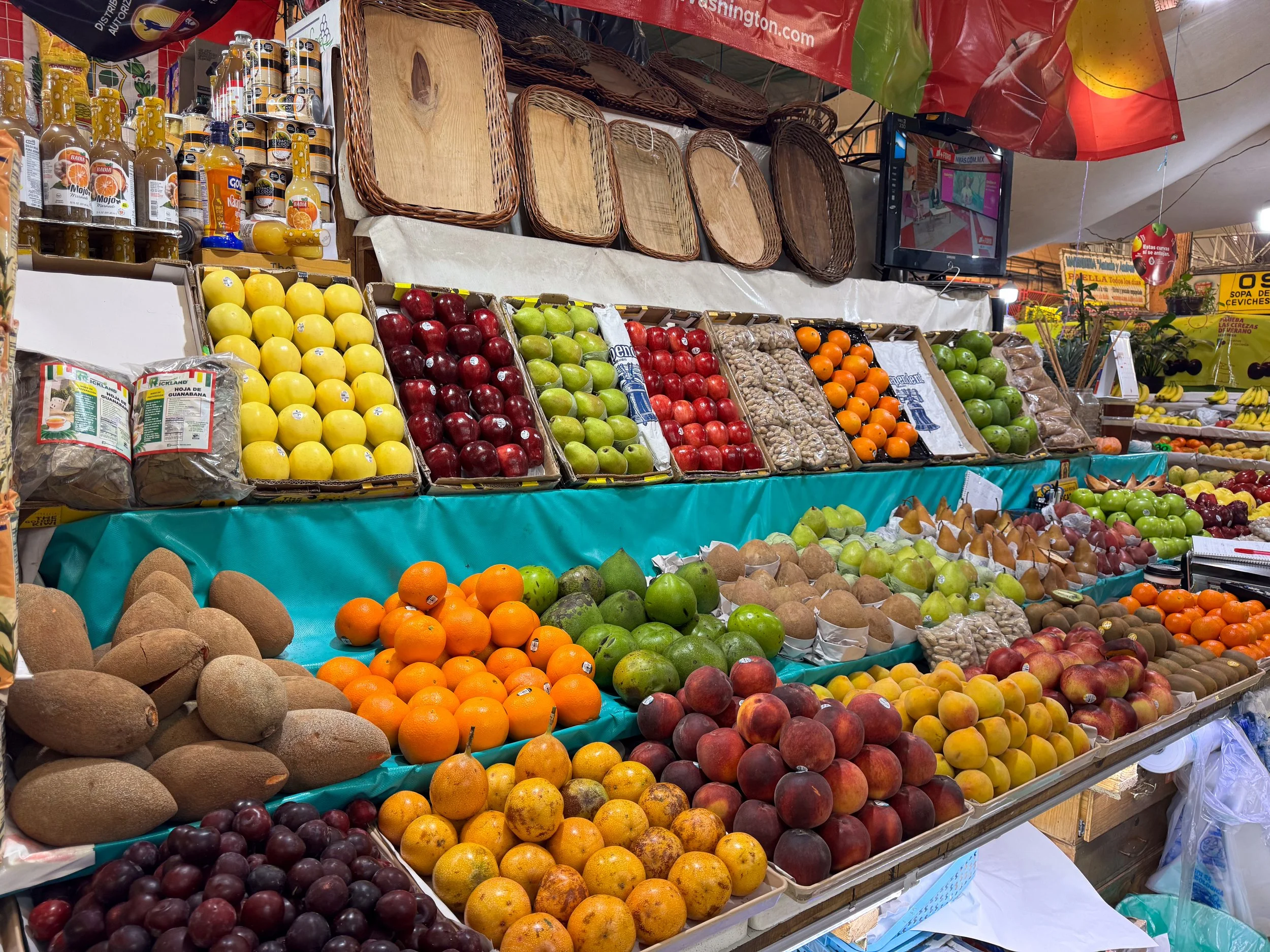
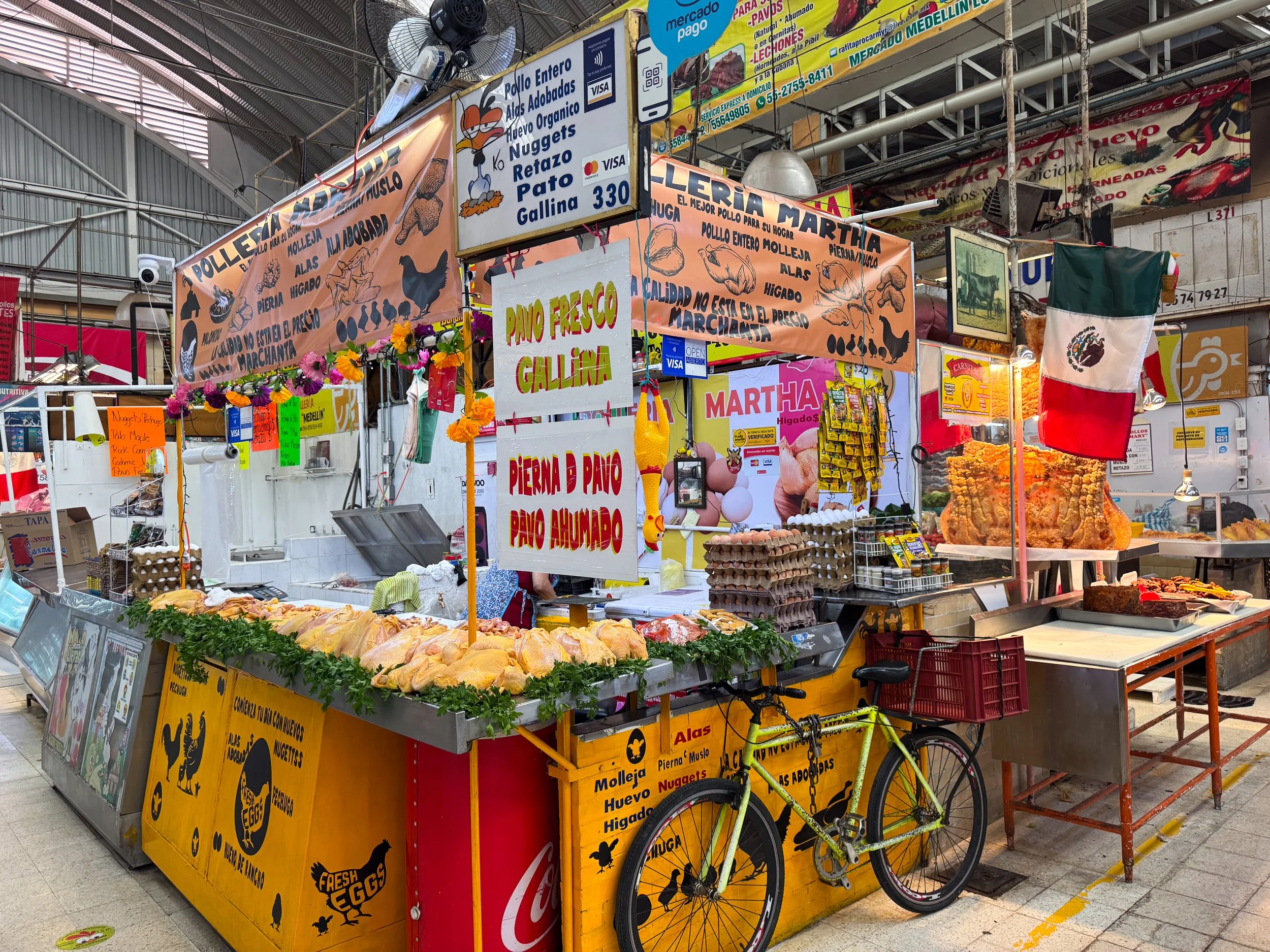
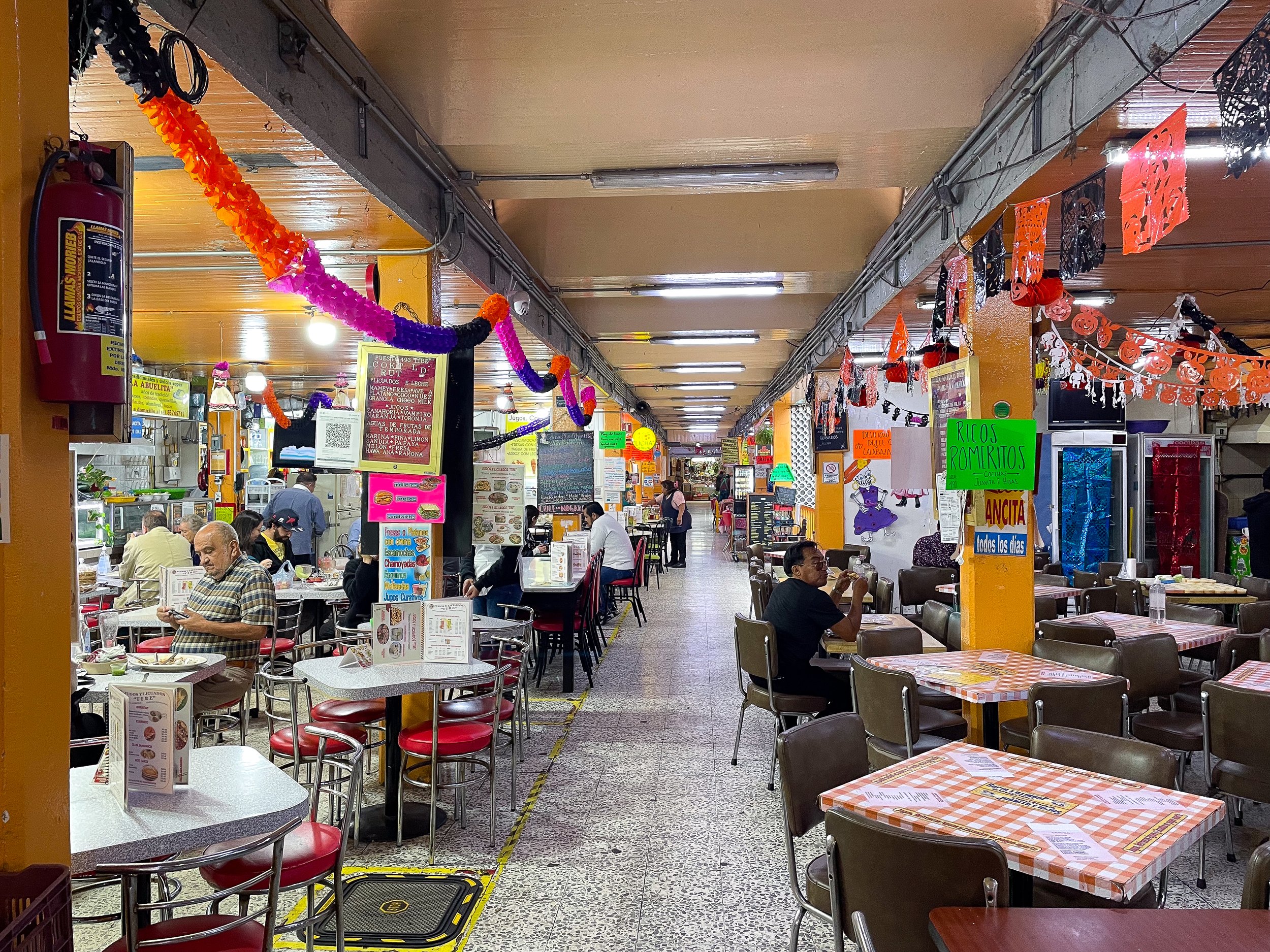
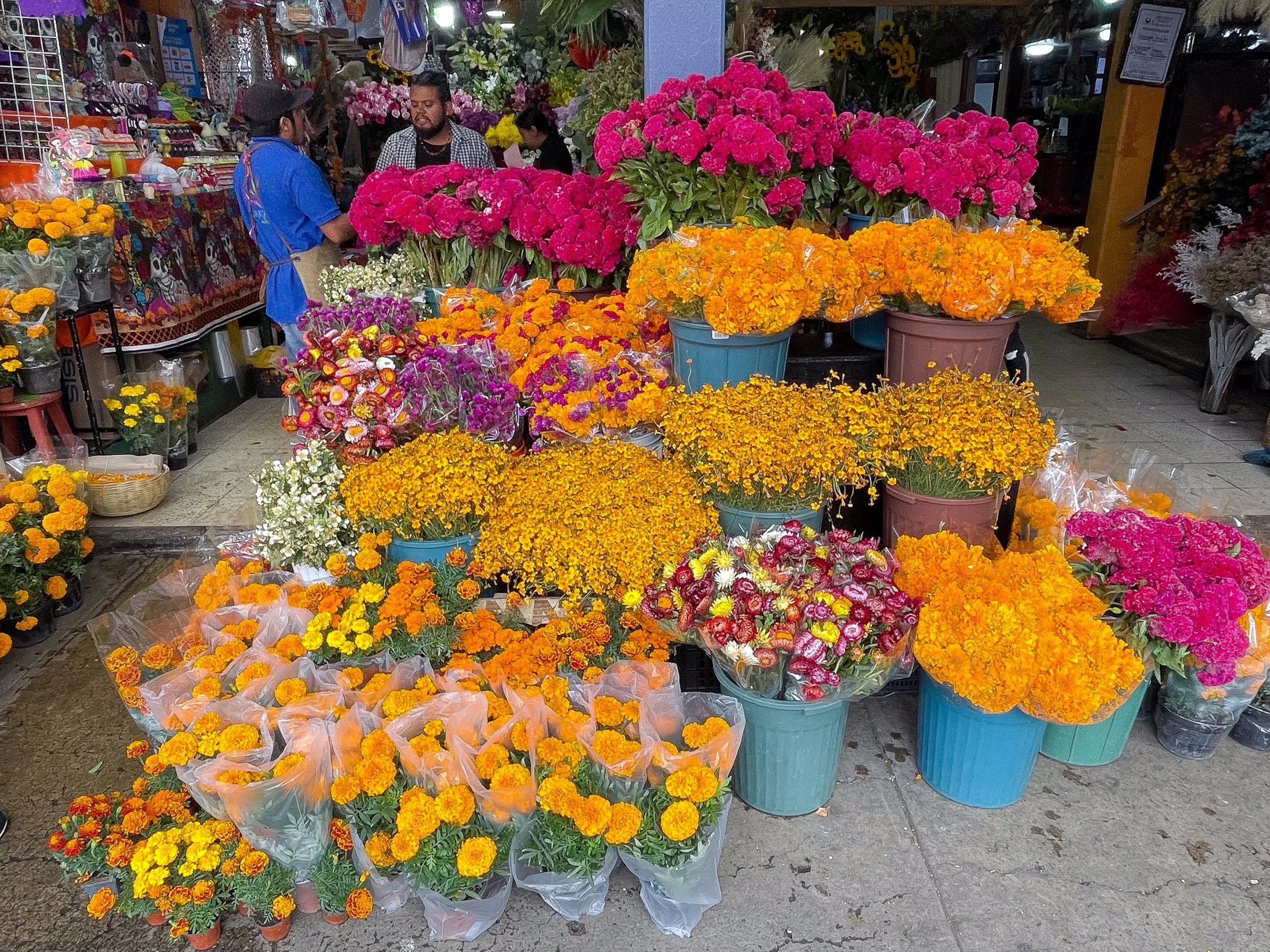
Mercado Medellin. A traditional Mexican market in Roma with restaurants and aisles of vendors selling produce, seafood, meats, flowers, mole and more. We visited in the morning for breakfast and to shop for groceries. In the produce section, we bought nopales, squash flowers, poblanos, tomatillos, plantains, papaya and mangos. We walked through the seafood section admiring the fresh and exotic catches like red snapper, parrot fish and whole shark sitting on beds of ice. Further in, we watched butchers slice and tenderize hunks of beef as whole chickens laid along the counters and large pork rinds hung from racks. The edge of the market is a fragrant section with vibrant floral displays, colorful arrangements and potted succulents.
La Abuelita. A restaurant in Mercado Medellin with traditional Mexican breakfast dishes. We’ve come here twice on separate trips to Mexico City and tried their huaraches, huevos rancheros, chilaquiles and cafe de olla.
Centro Historico
Centro Historico is the oldest neighborhood in Mexico City. We came here to sightsee along the narrow roads, visit landmarks and immerse ourselves in Mexican culture.
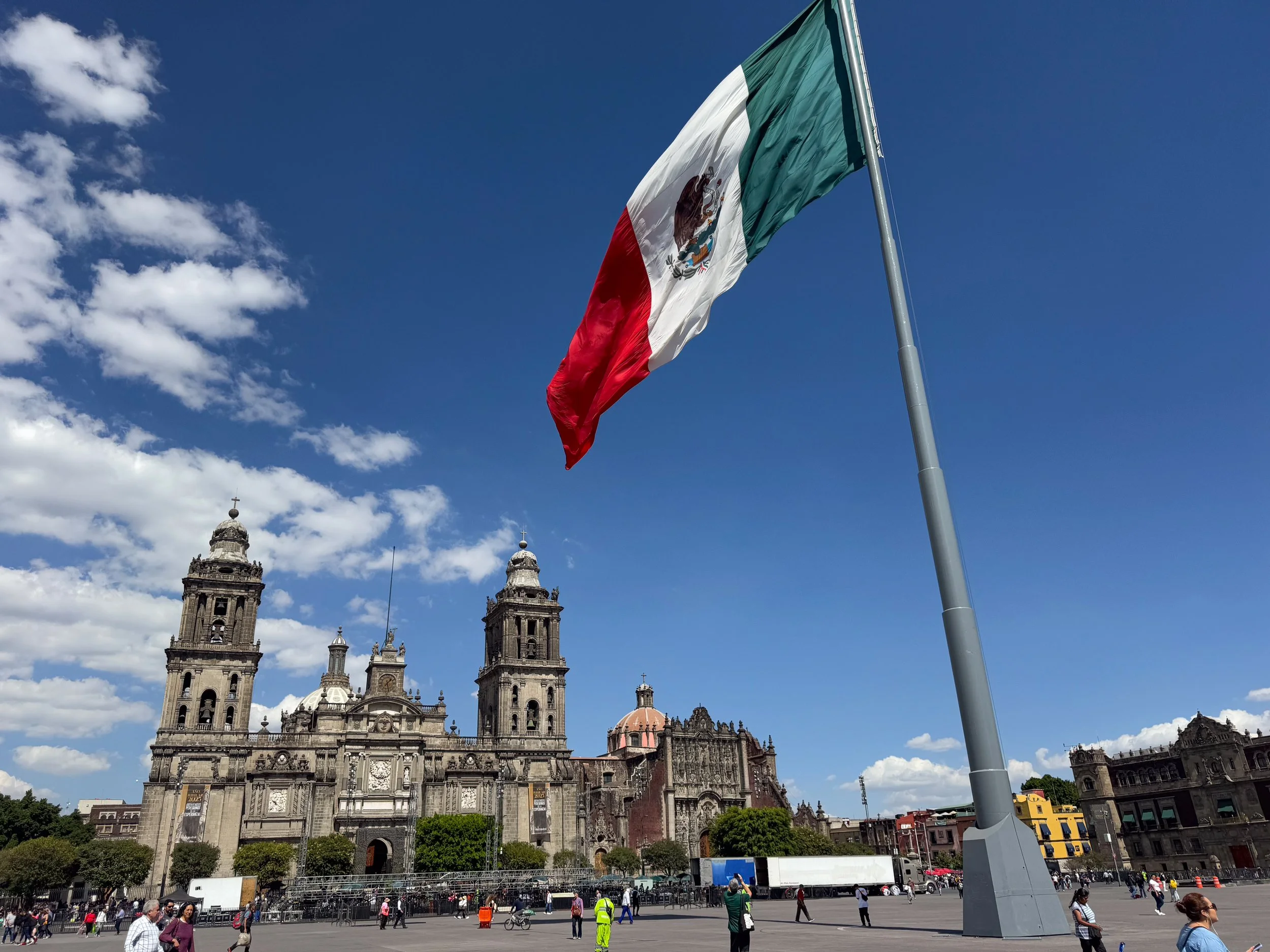
Zocalo Square. A massive public square in the Centro Historico and common place for cultural events, performances and street vendors. It’s flanked by the Catedral Metropolitana, Palacio Nacional and Grand Hotel. At its center is a large flag pole supporting the Mexican flag.
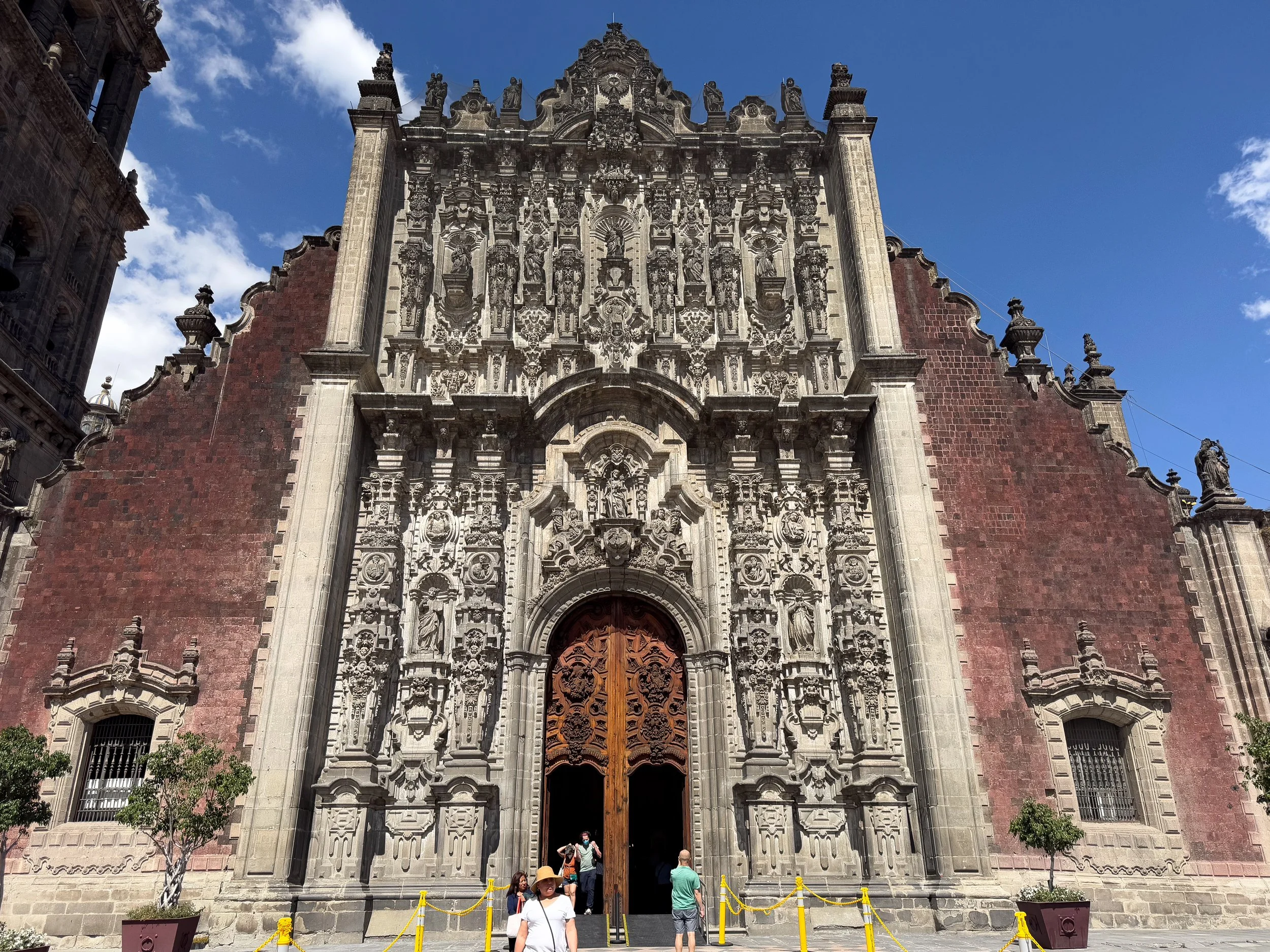
Catedral Metropolitana. A historic cathedral at one end of the Zocalo Square built on top of and from the stones of Aztec temples and pyramids. Its facade has a symmetrical design with two grand bell towers, religious motifs and ornate patterns carved into the stone. An elaborately designed church with a terracotta tiled dome is attached to one side. Its interior is adorned with golden altars and sacristies, Catholic statues, a massive organ system and sections with wooden pews.
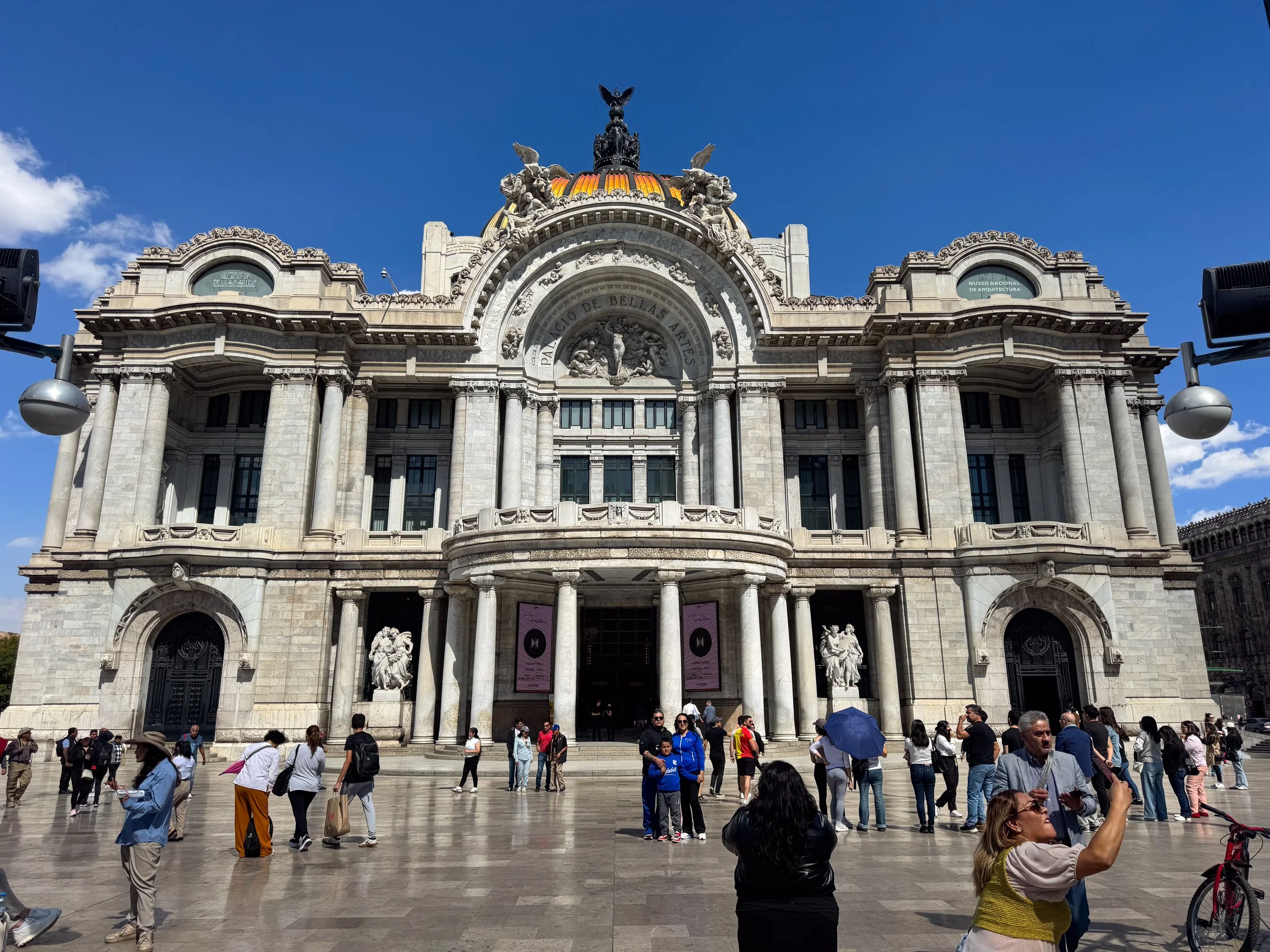
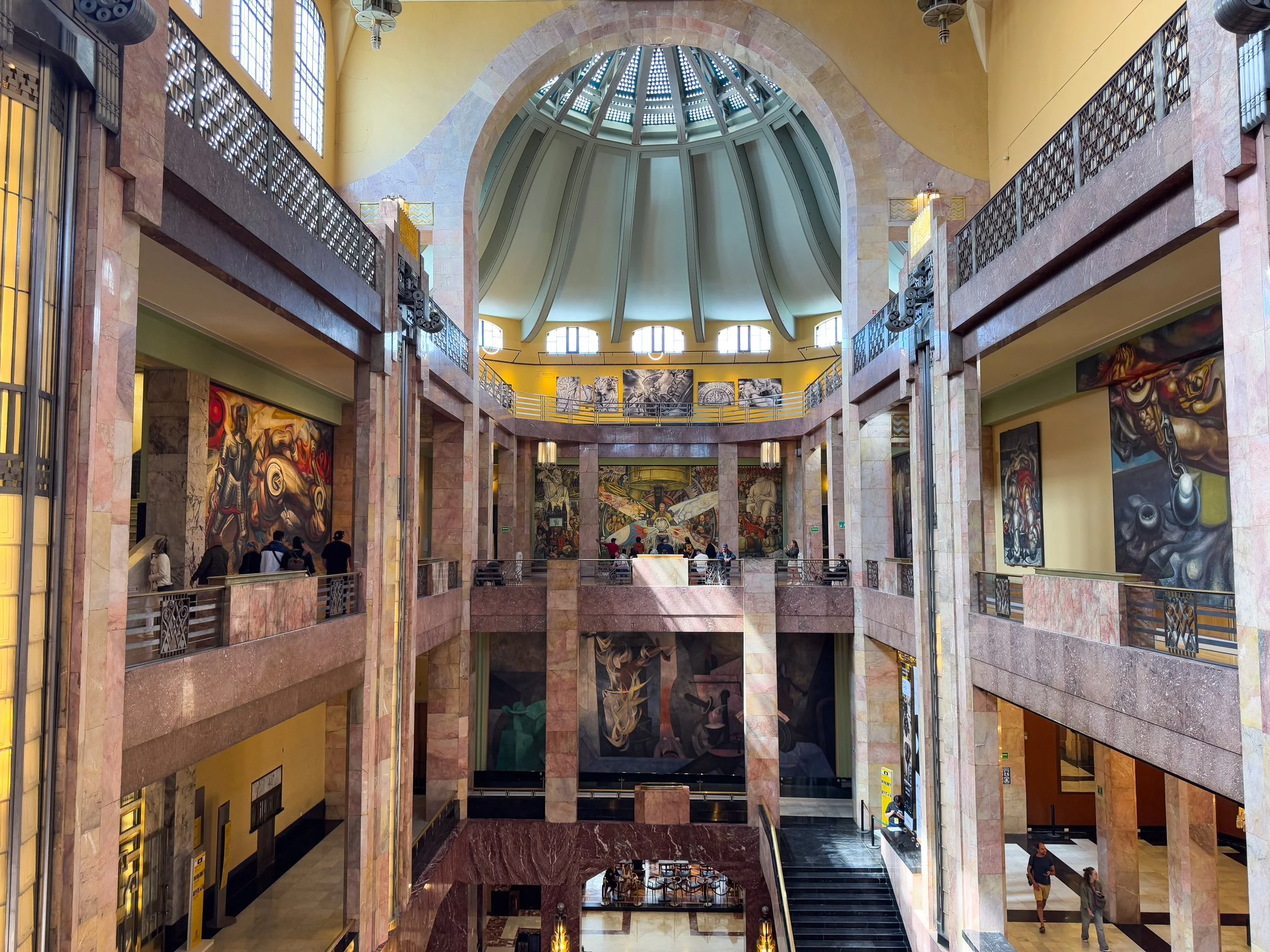
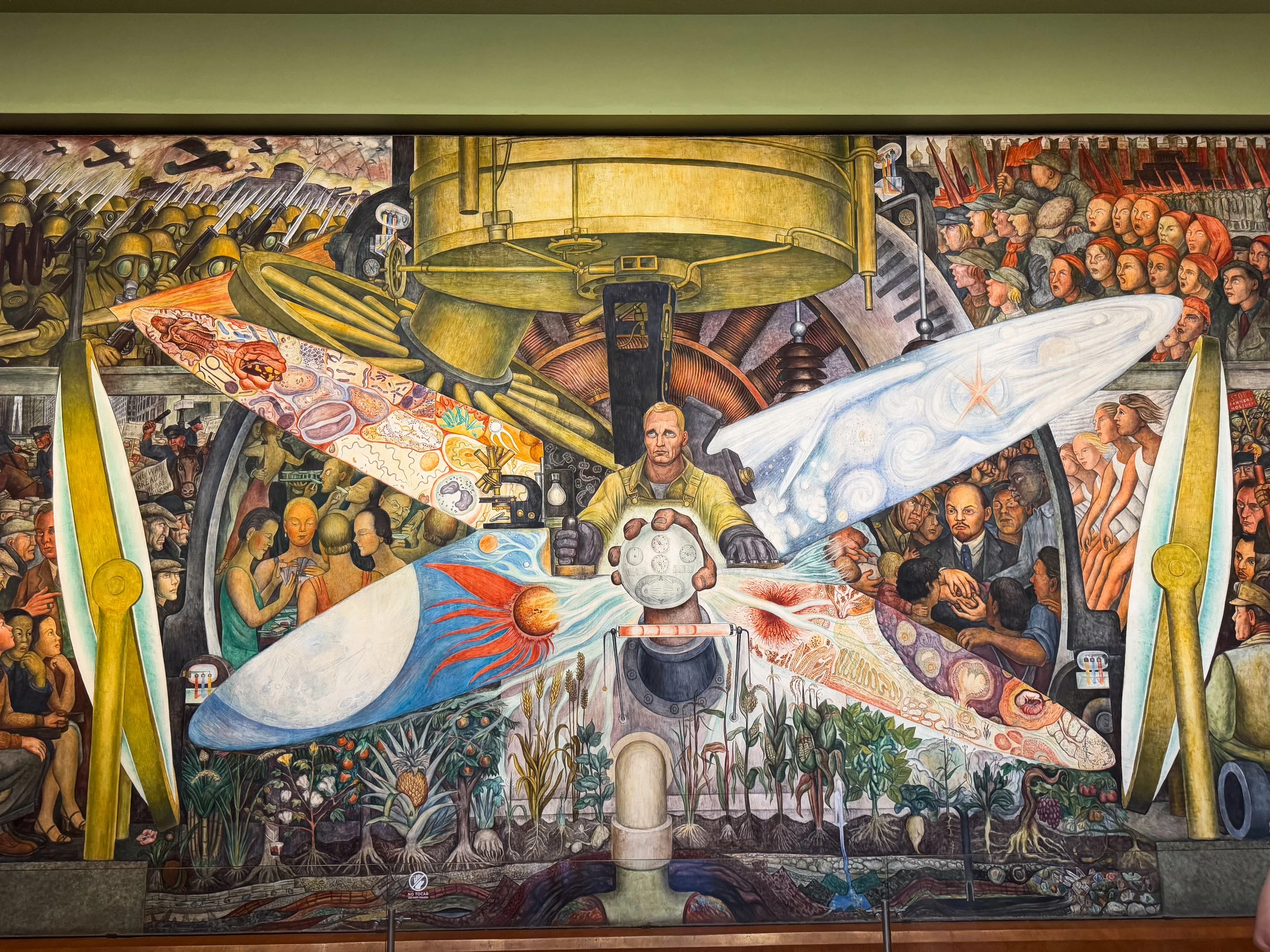
Palacio de Bellas Artes. An art museum with an ornate stone exterior and gilded with a golden domed roof. Its interior is an Art Deco masterpiece with Aztec inspired ornaments, marble clad surfaces, geometric & organic elements. The museum features a multilevel atrium with frescos and murals, painted by Mexican artists. The most famous is El Hombre Controlador Del Universo, painted by Diego Rivera. A large fresco depicting the opposition of Capitalist and Socialist societies and the exploration of the planet. It was originally commissioned to grace the walls of Rockefeller Center in NYC but was destroyed due to its depiction of Lenin. Several temporary galleries branch off from the atrium with works created by Mexican artists.
Alameda Central. The oldest public park in Mexico City just outside of the historic center along Paseo de la Reforma. There are often street performers and festivals held here.
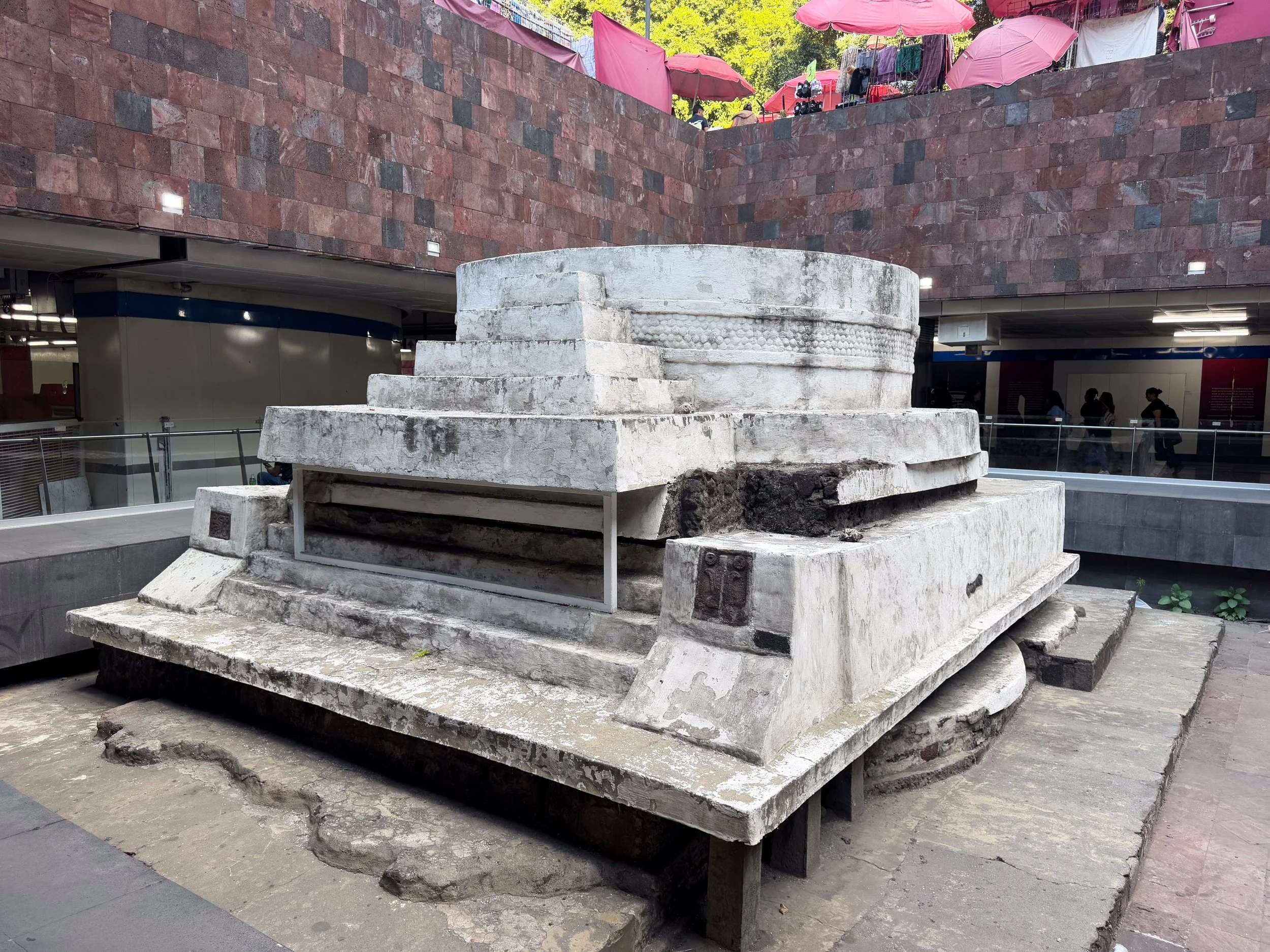
Pyramid of Ehecatl. An Aztec temple unearthed during the construction of Mexico City’s subway. The ruins are visible in the Pino Suárez station with an exhibit of its discovery and preservation.
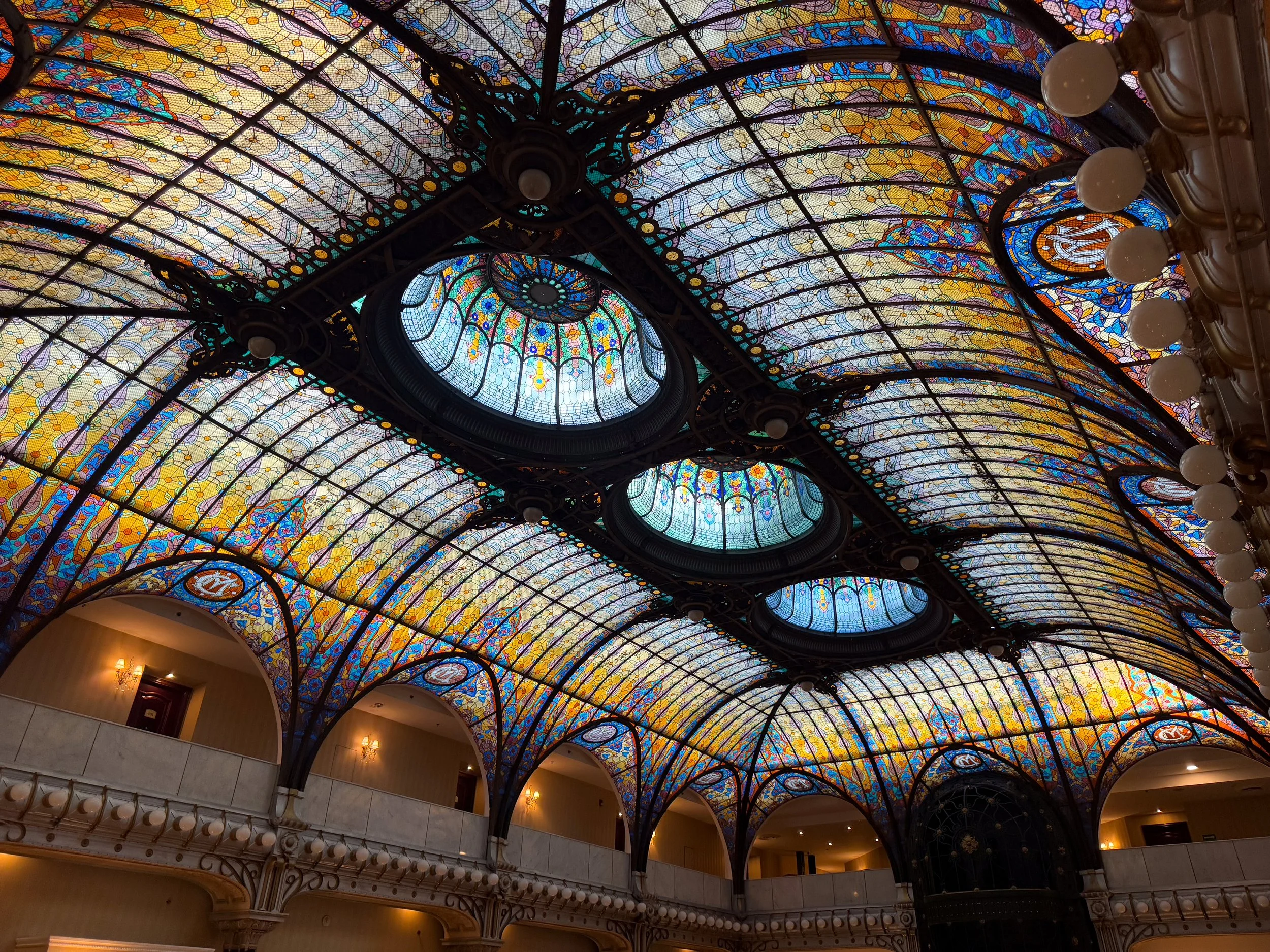
Gran Hotel Terraza. A rooftop terrace at the grand hotel overlooking Zócalo Square, Catedral Metropolitana and Palacio Nacional. We watched the presidential guard lower the flag at sunset while sipping on mezcalitas. The hotel lobby is equally as impressive with one of the largest Tiffany glass ceilings in the world, creating a beautiful mosaic of colors.
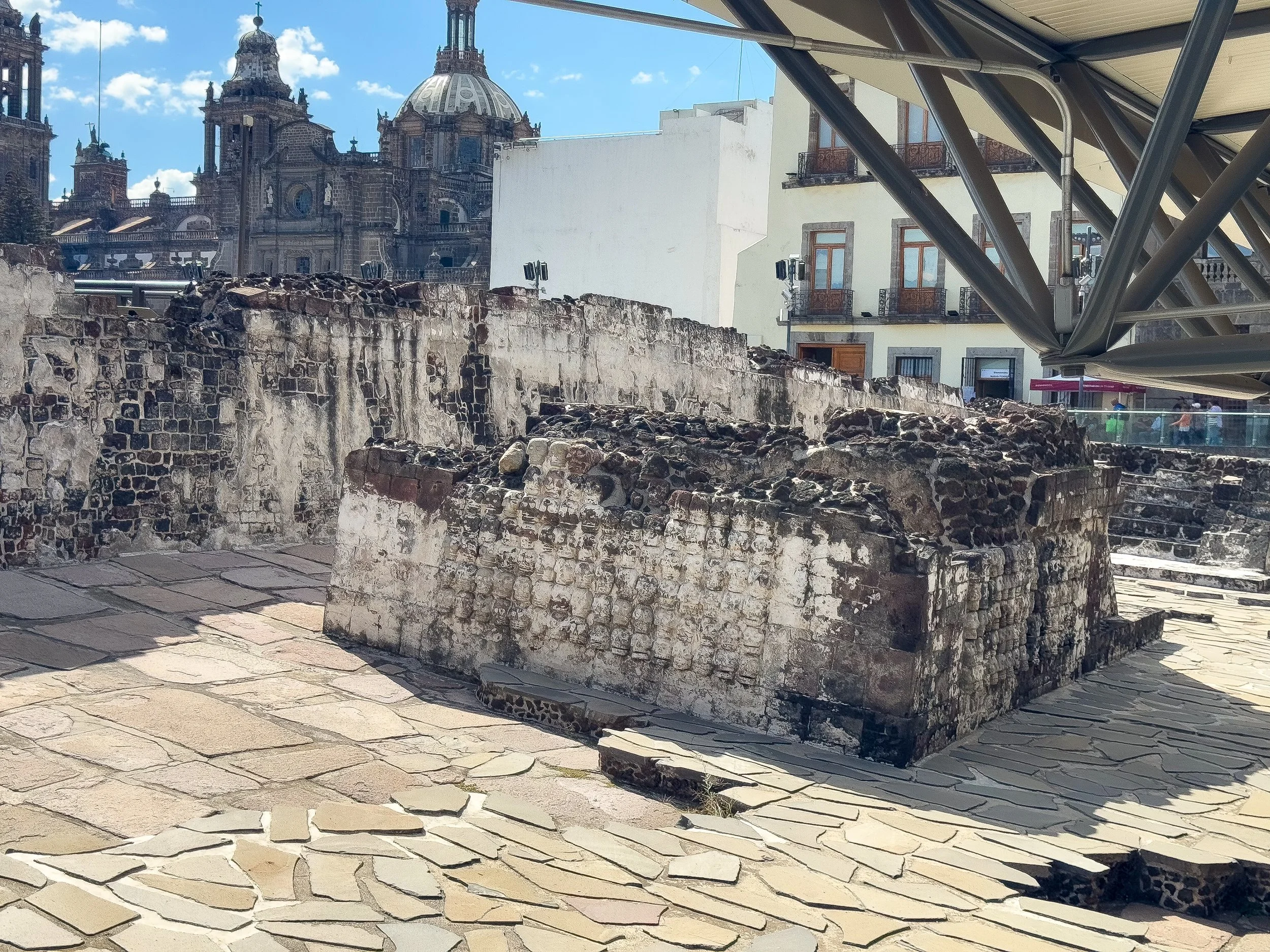
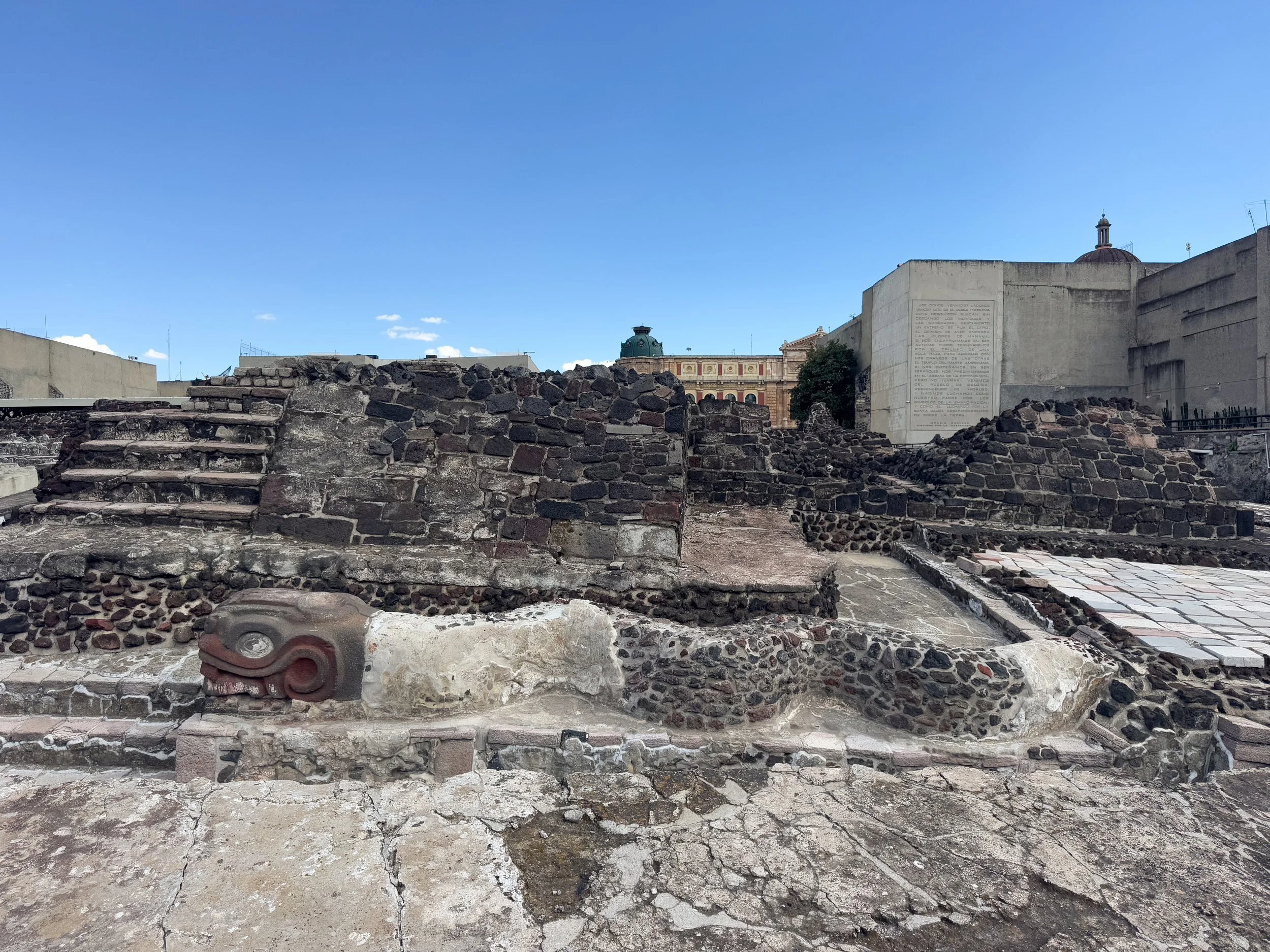
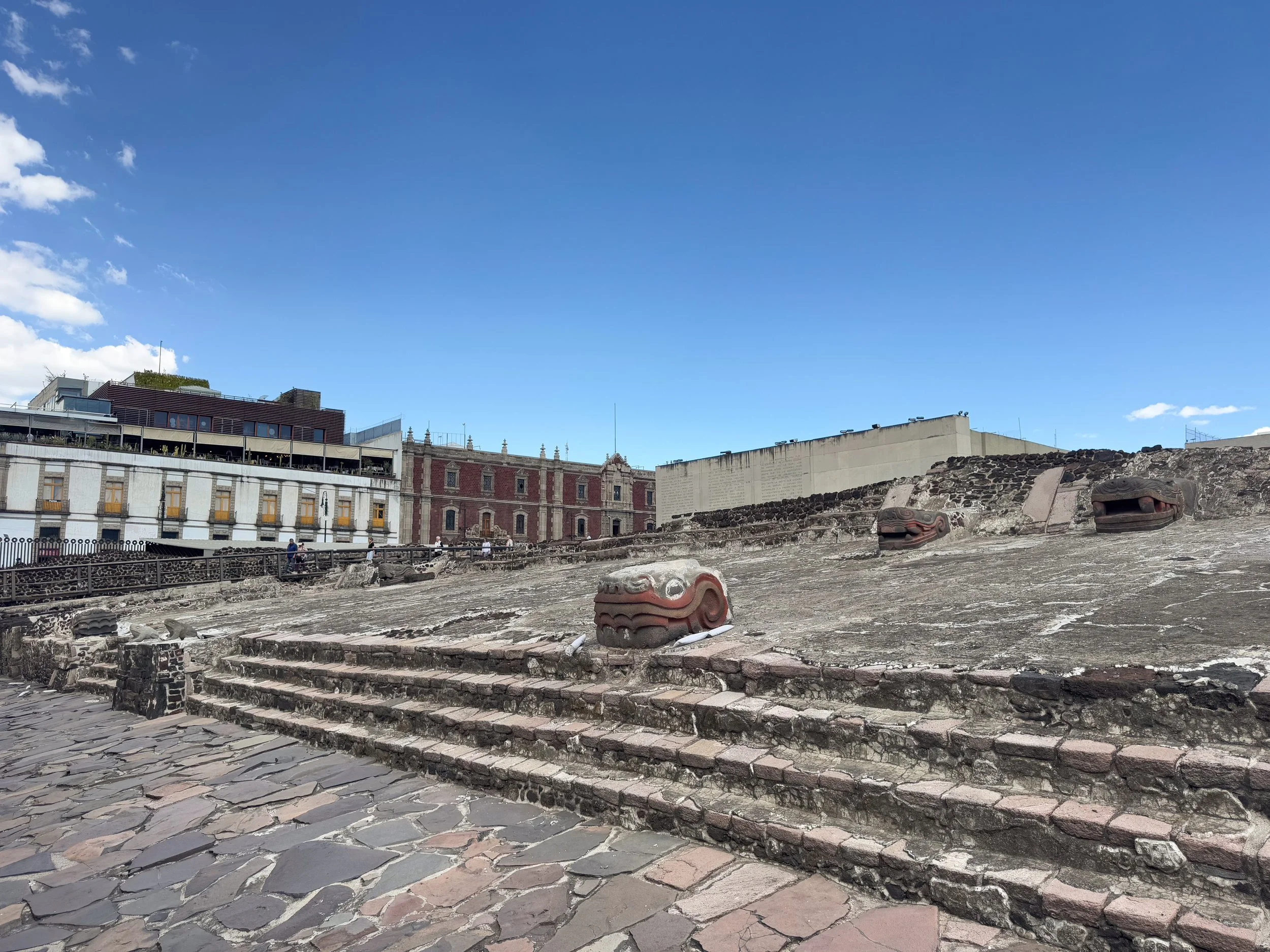
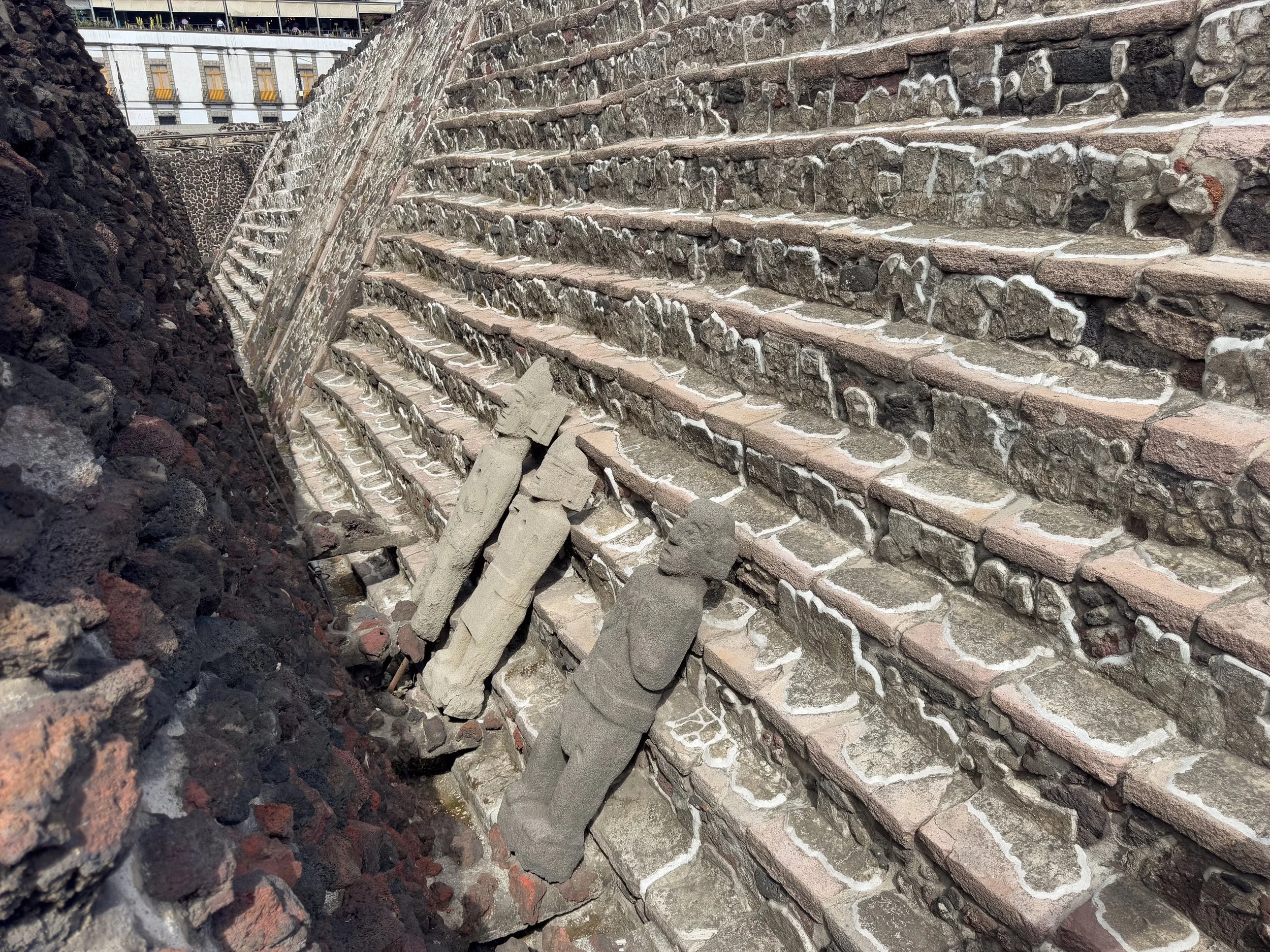
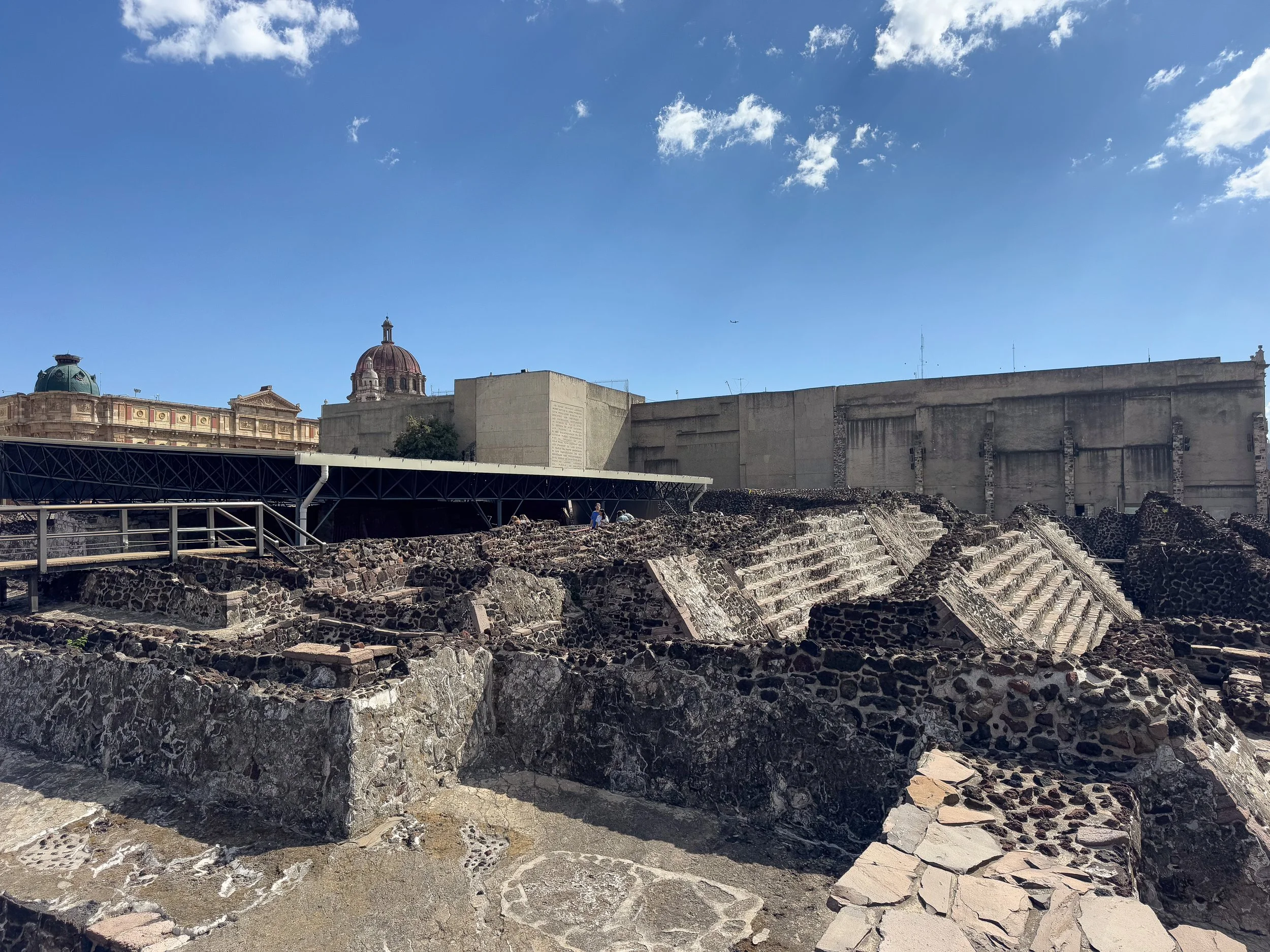
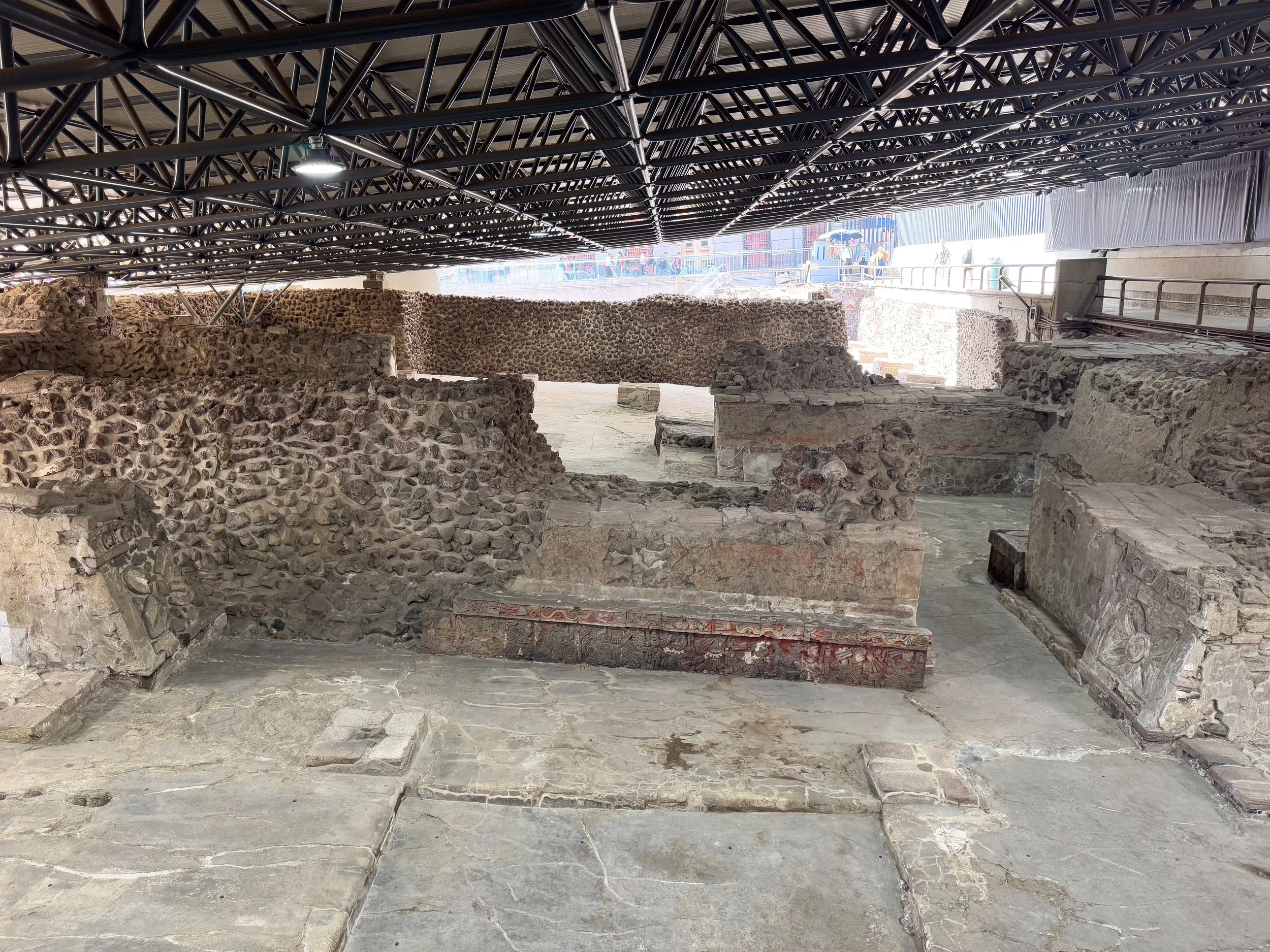
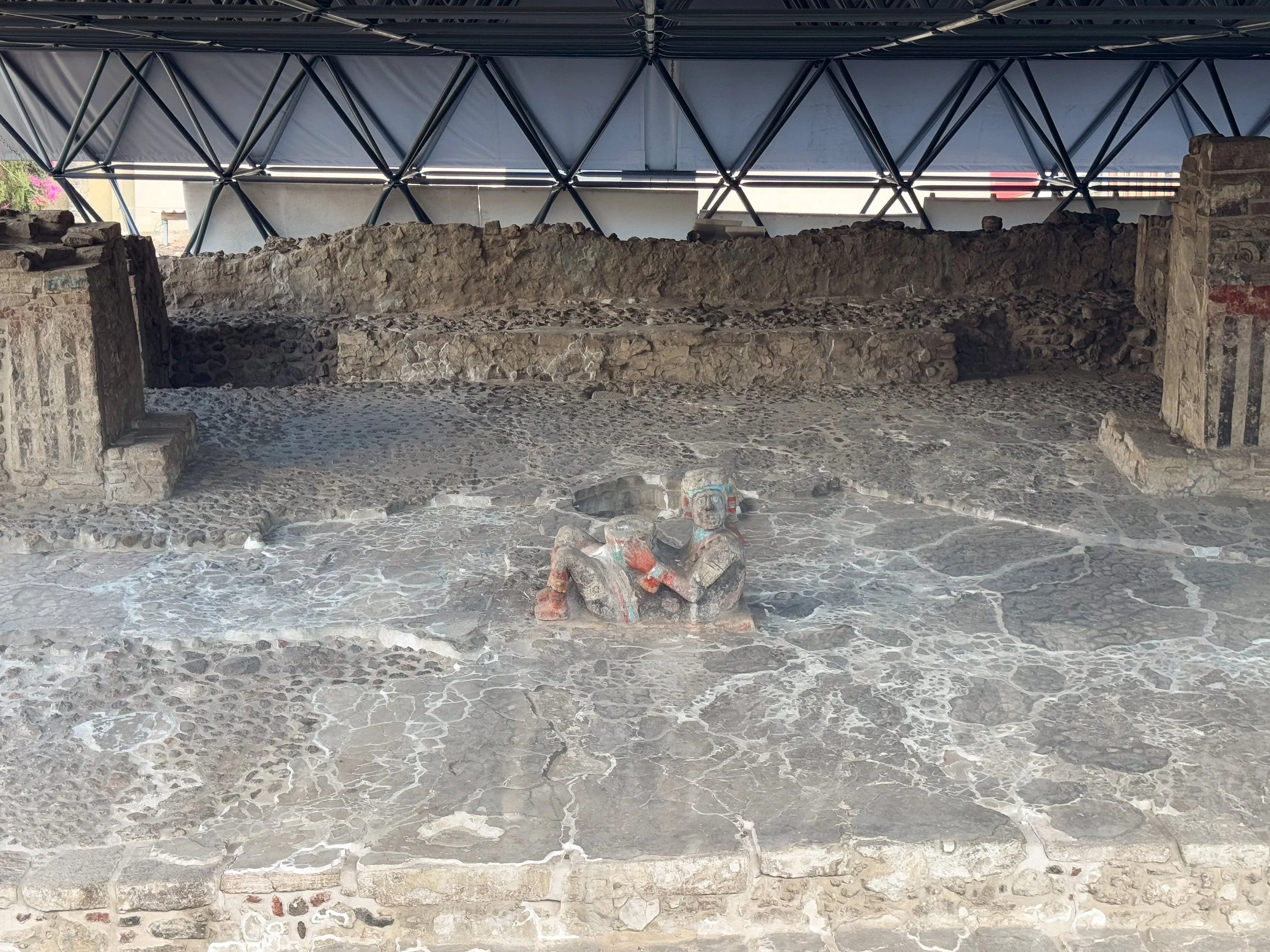
Templo Mayor. The ruins of Tenochtitlán, the Aztec city destroyed by the Spanish to build colonial Mexico City. A pathway leads through the ruins past several periods of its expansion to its center with a sunken pyramid, with two shrines on top, several ceremonial altars and a museum housing artifacts discovered in Templo Mayor. Plaques tell the story of its ceremonial purposes, expansion, destruction and preservation.
Temple Entrance. A platform featuring statues of snakes with well preserved heads, still bearing red paint.
The Shrine of Huitzilopochtli. A shrine at the top of Templo Mayor dedicated to the Mexica god of war. The platform was believed to have been used for human sacrifices and funerals.
The Shrine of Tláloc. A shrine at the top of Templo Mayor dedicated to the Mexica god of water. A painted statue of Tláloc holding a bowl for offerings is preserved at the front of the shrine.
The House of Eagles. A platform and temple used by elite Mexicas to perform ritual ceremonies. Protected under a pavilion, the ceremonial site features stone “banquettes” with bases decorated in ornately carved and painted hieroglyphs.
Altar Tzompantli. An altar building with its sides covered in stone carved skulls, dedicated to the god of death.
Red Temple. A small temple with walls built from red stone circles and painted in various designs.
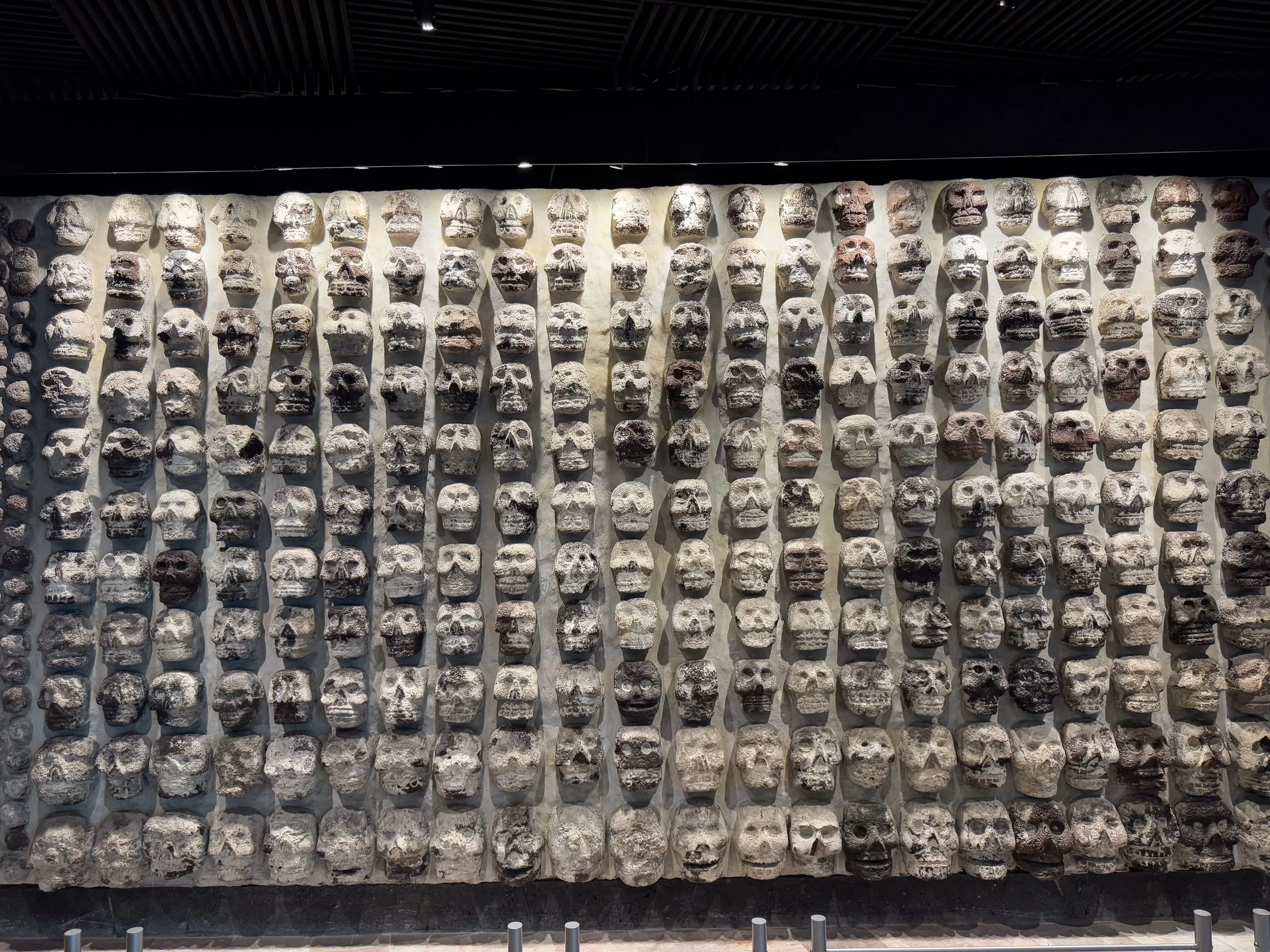
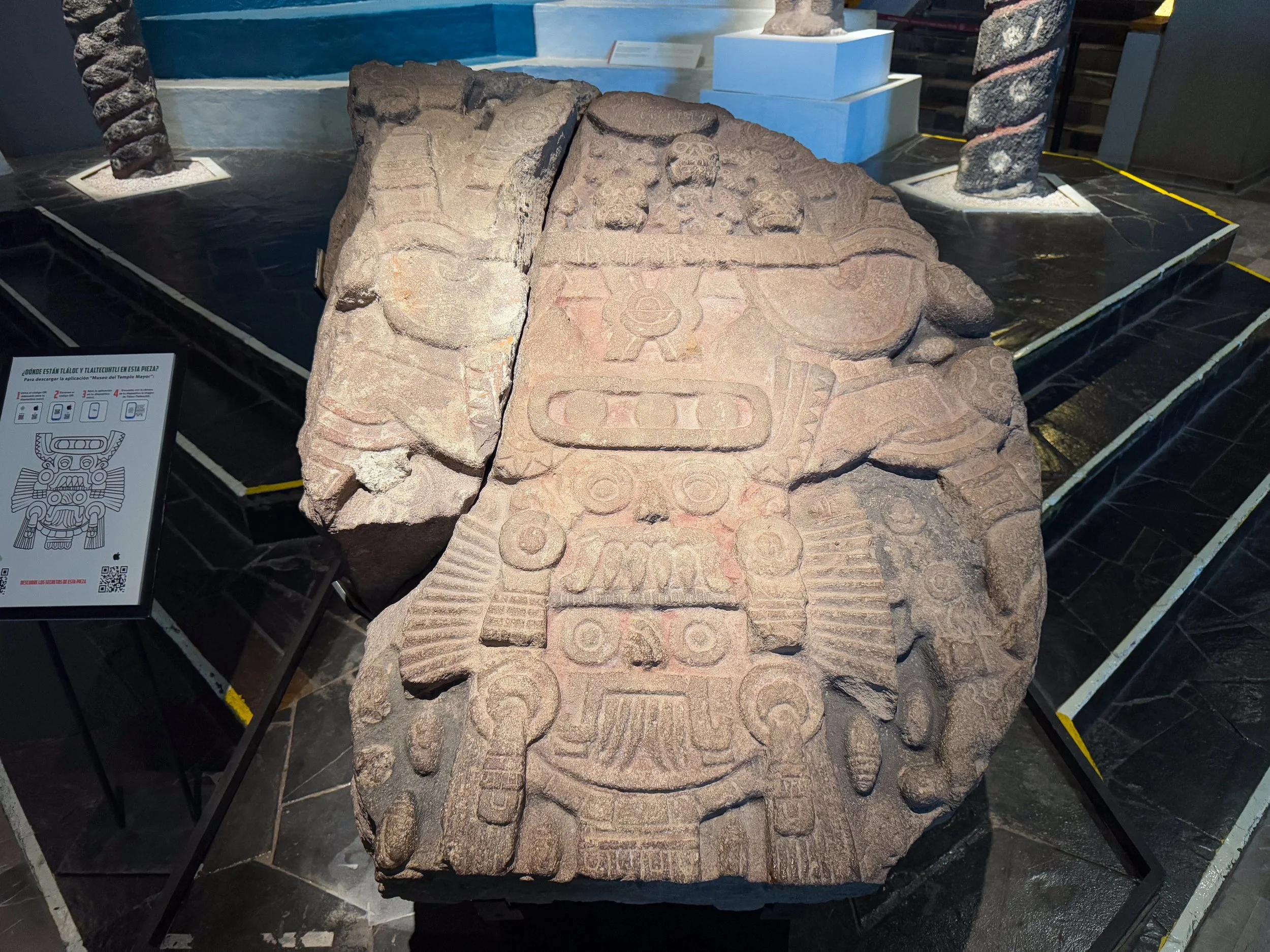
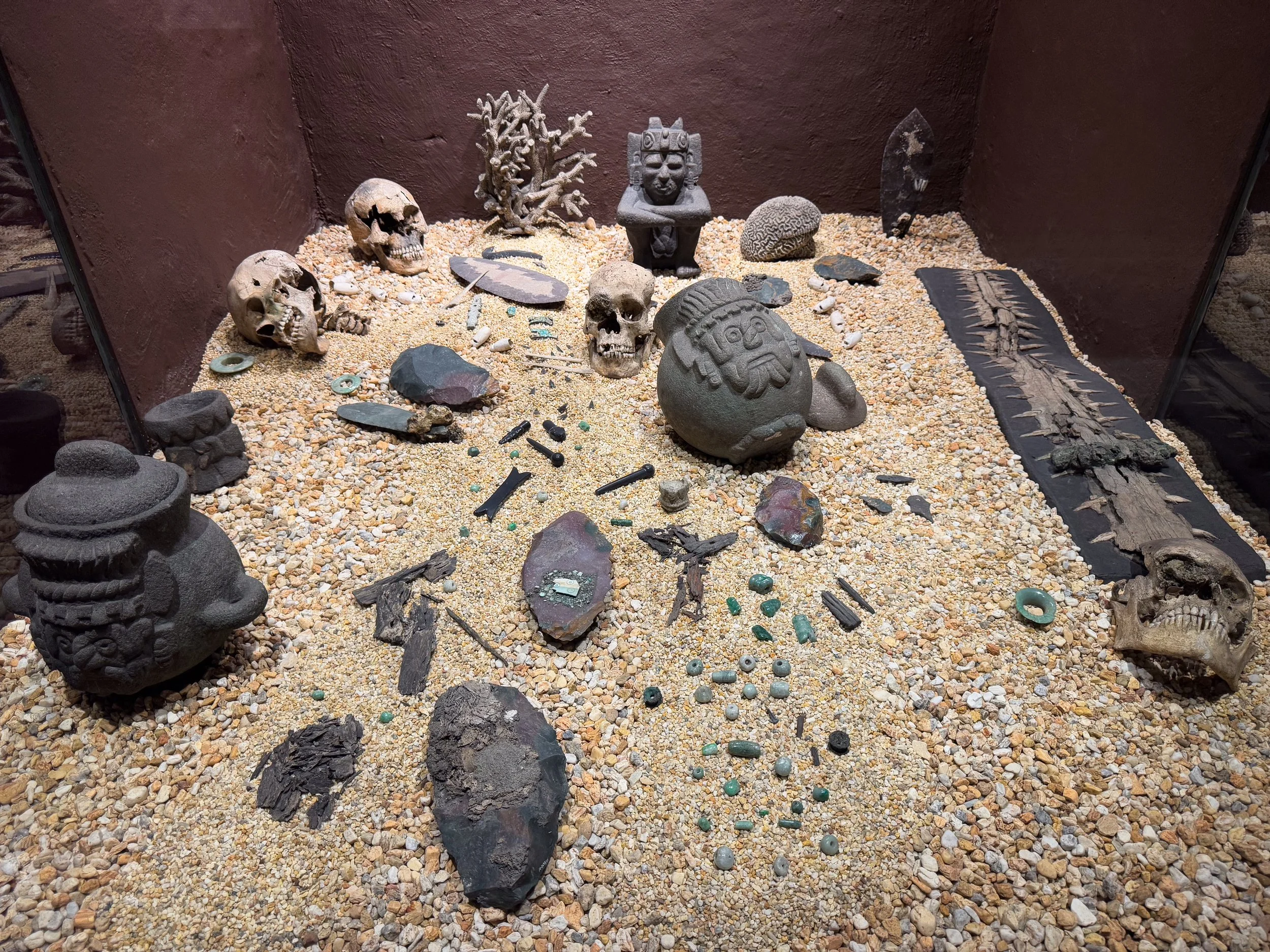
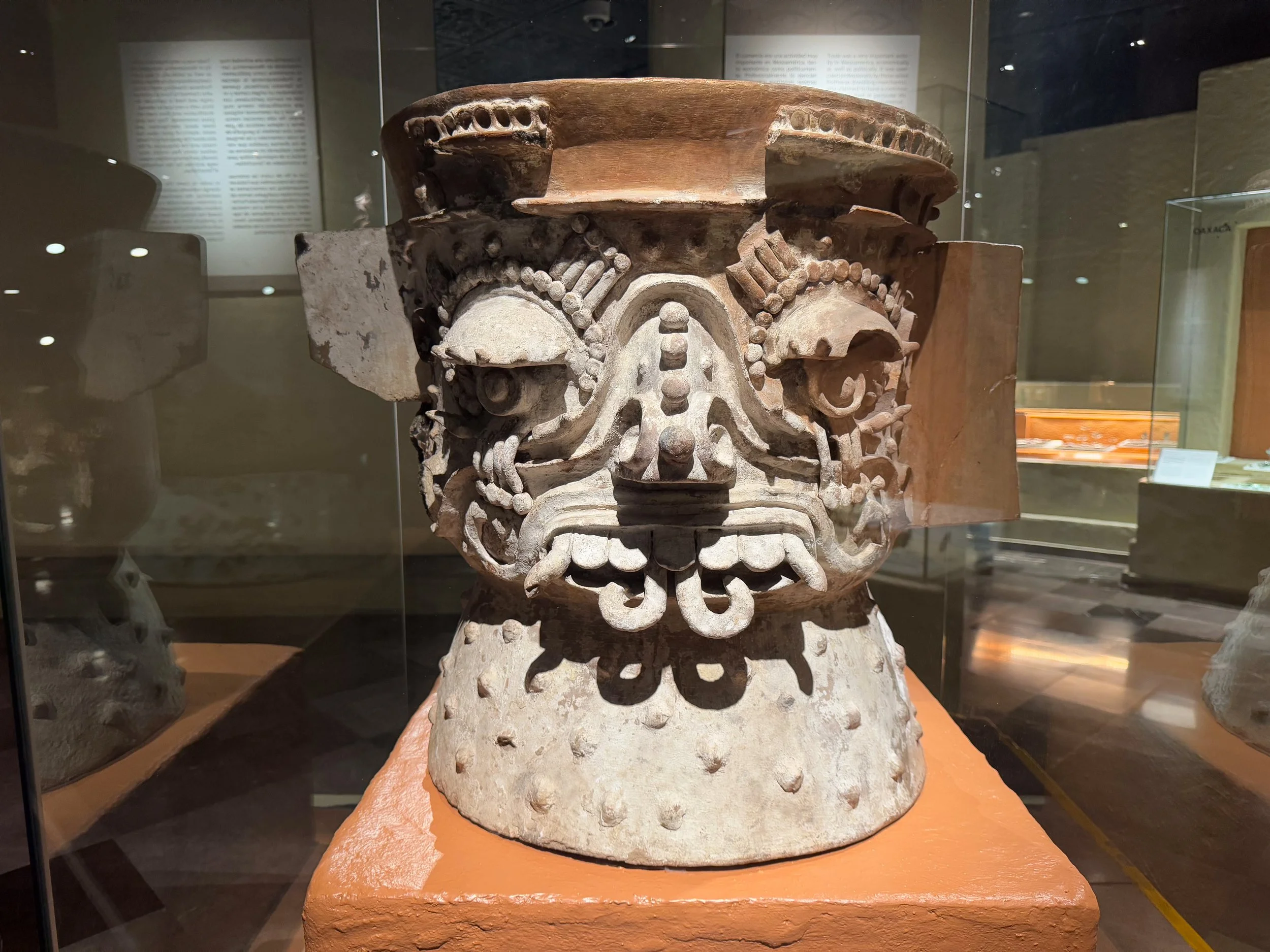
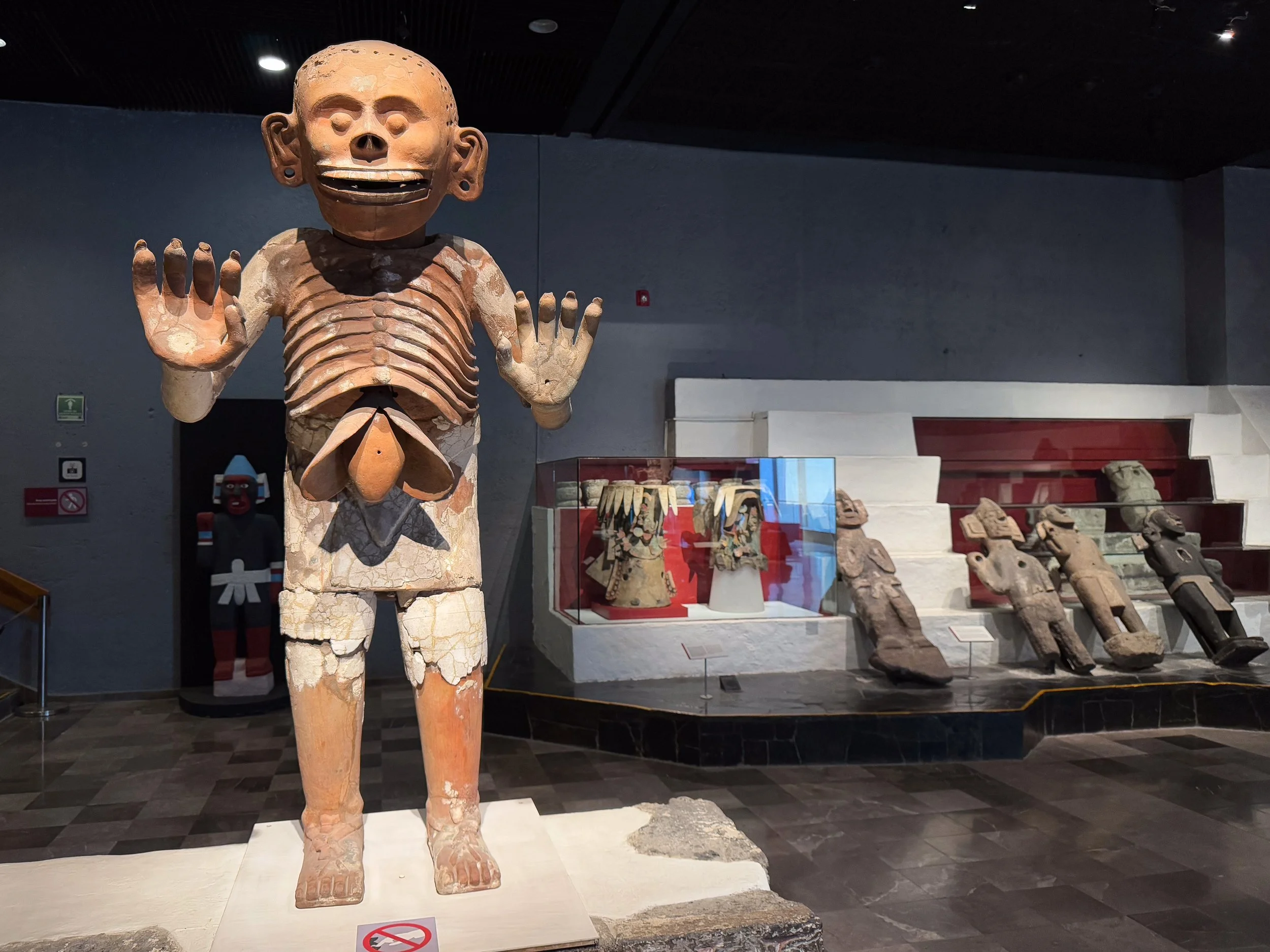
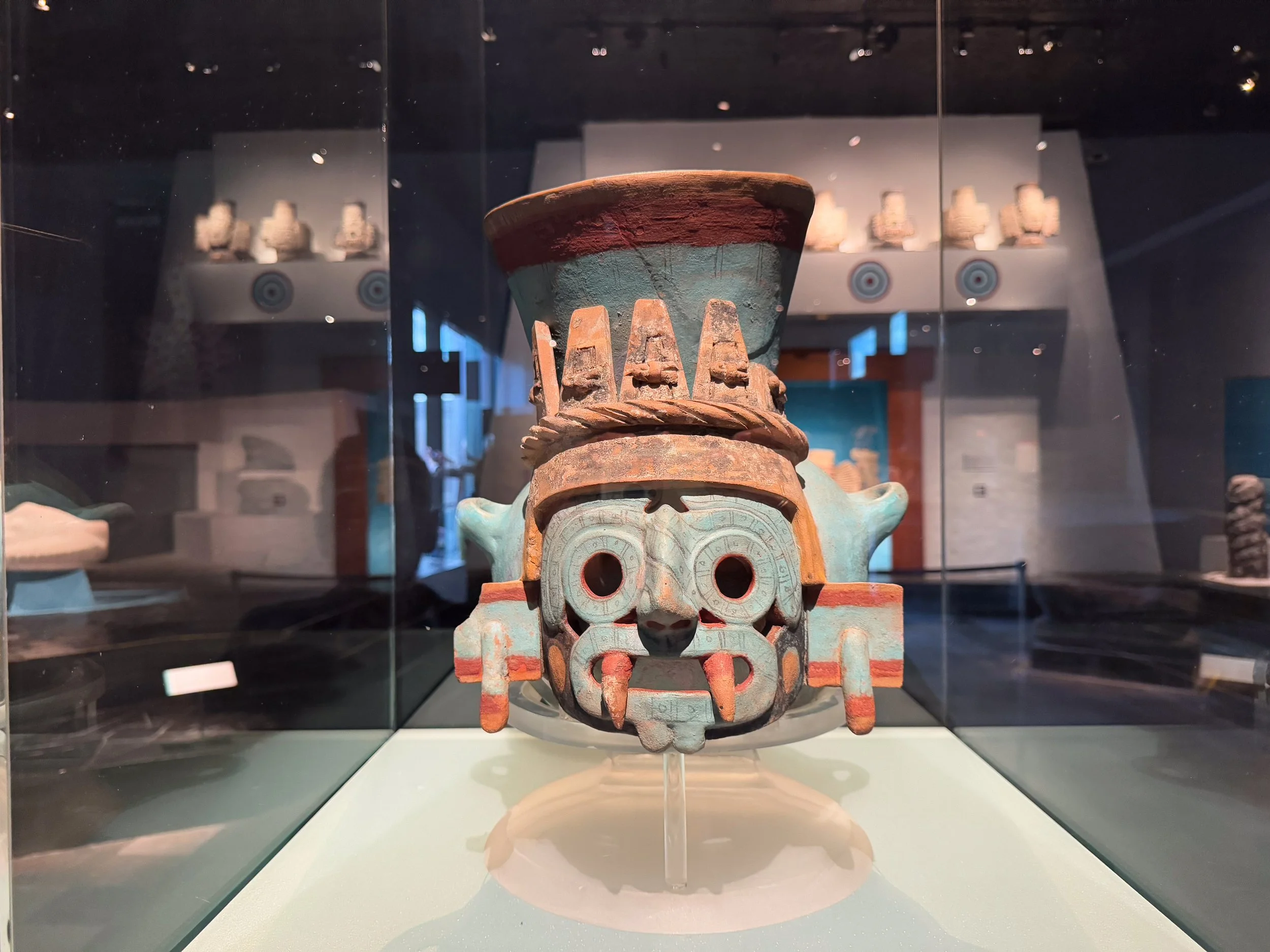
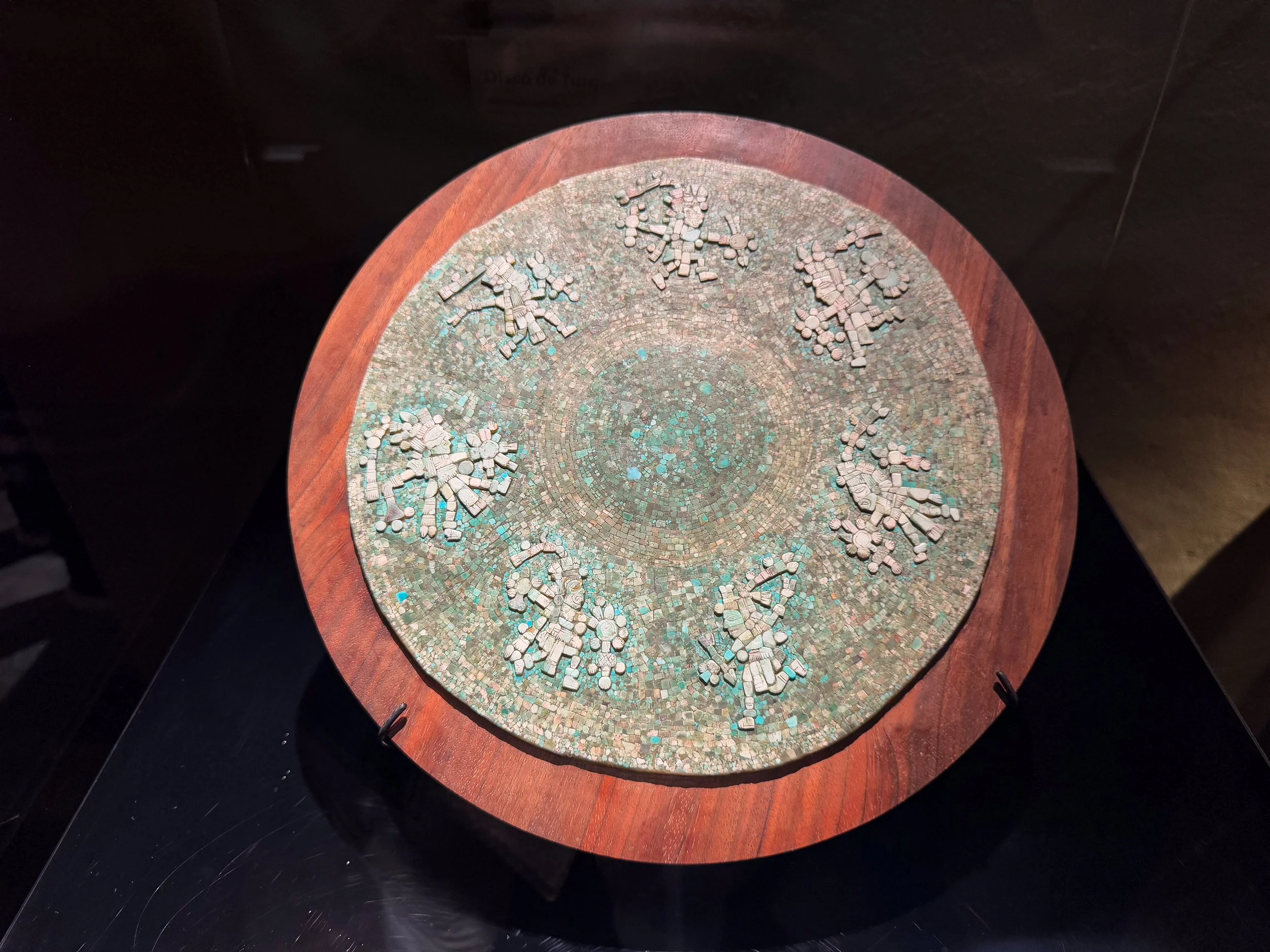
Templo Mayor Museum. A museum housing artifacts discovered at Templo Mayor including carved stone reliefs, statues, the remains of human sacrifices, stone masks, obsidian blades and jewelry. Some of the most important artifacts on display are:
Monolith of Tlaltecuhtli. A giant stone monolith of one of the Aztec’s most important gods. Viewed as source of life, the god was often appeased with blood sacrifices and human hearts.
Coyolxauhqui Stone. A giant round monolith of a dismembered Aztec goddess. It’s one of the largest intact artifacts discovered.
Mictlantecuhtli God of Death. A clay statue of the skeletal looking Aztec god, with its arms extended and claw like hands.
Eagle Warrior. A clay statue of a warrior dressed like an eagle found in The House of Eagles.
Turquoise Disk. A small disk made with over 15,000 turquoise pieces depicting warriors.
Bosque de Chapultepec
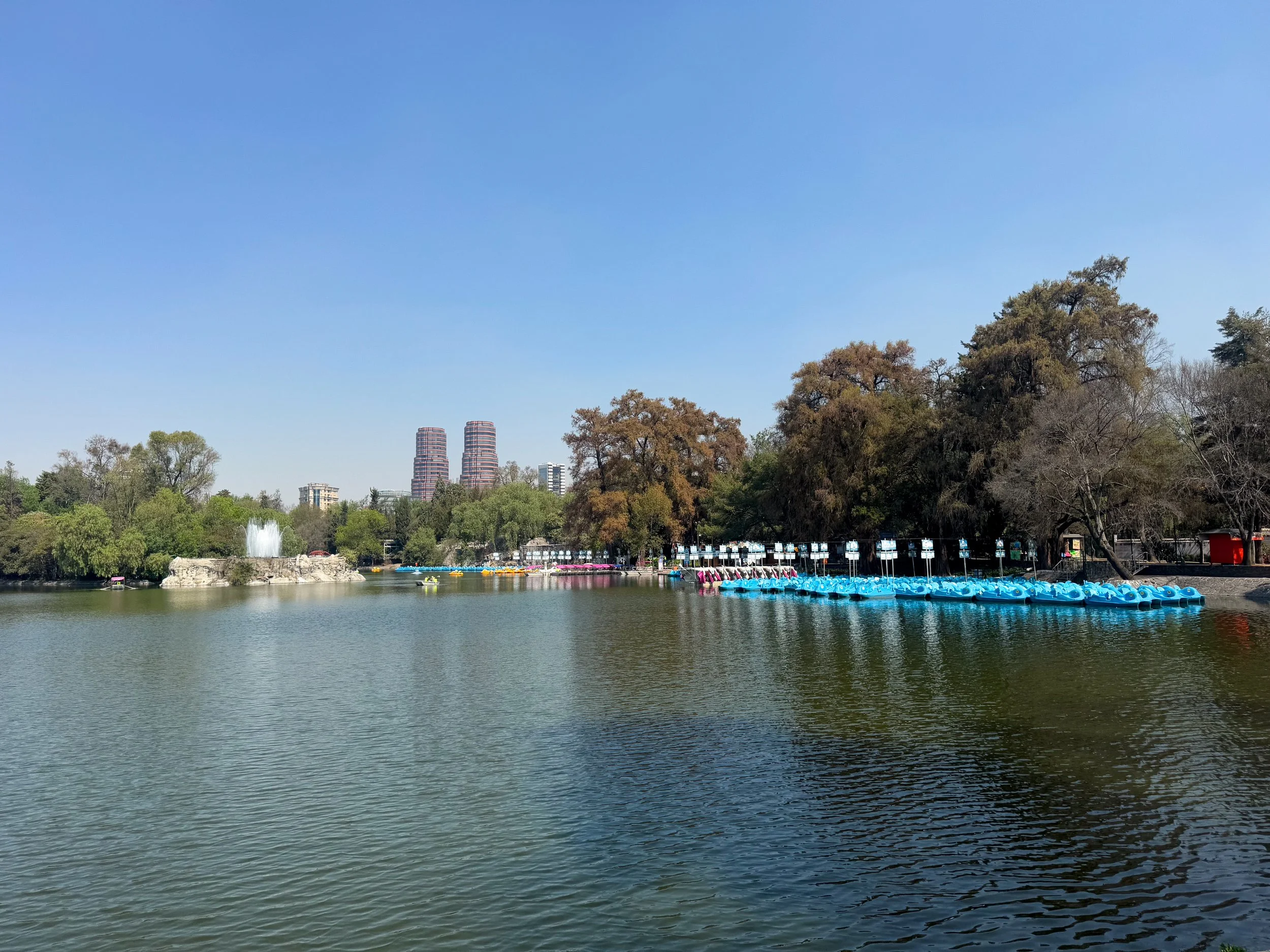
Bosque de Chapultepec is the city’s largest park and green space with forested areas and tree covered walkways. At is center is a lake with paddle and row boats, surrounded by vendors selling snacks, street style food, luchador masks and children’s toys. The park acts as a cultural hub with numerous museums and a historic hilltop castle.
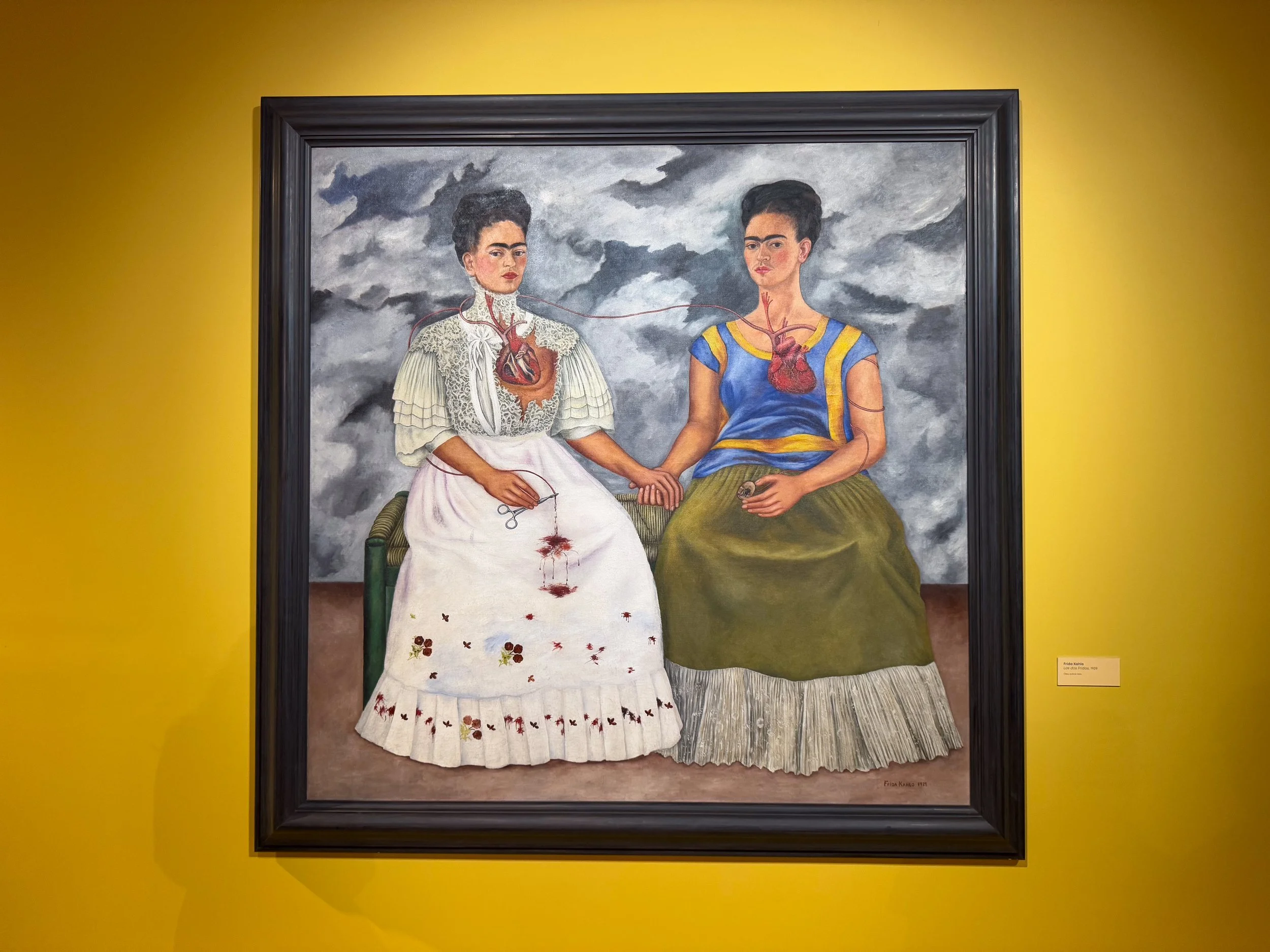
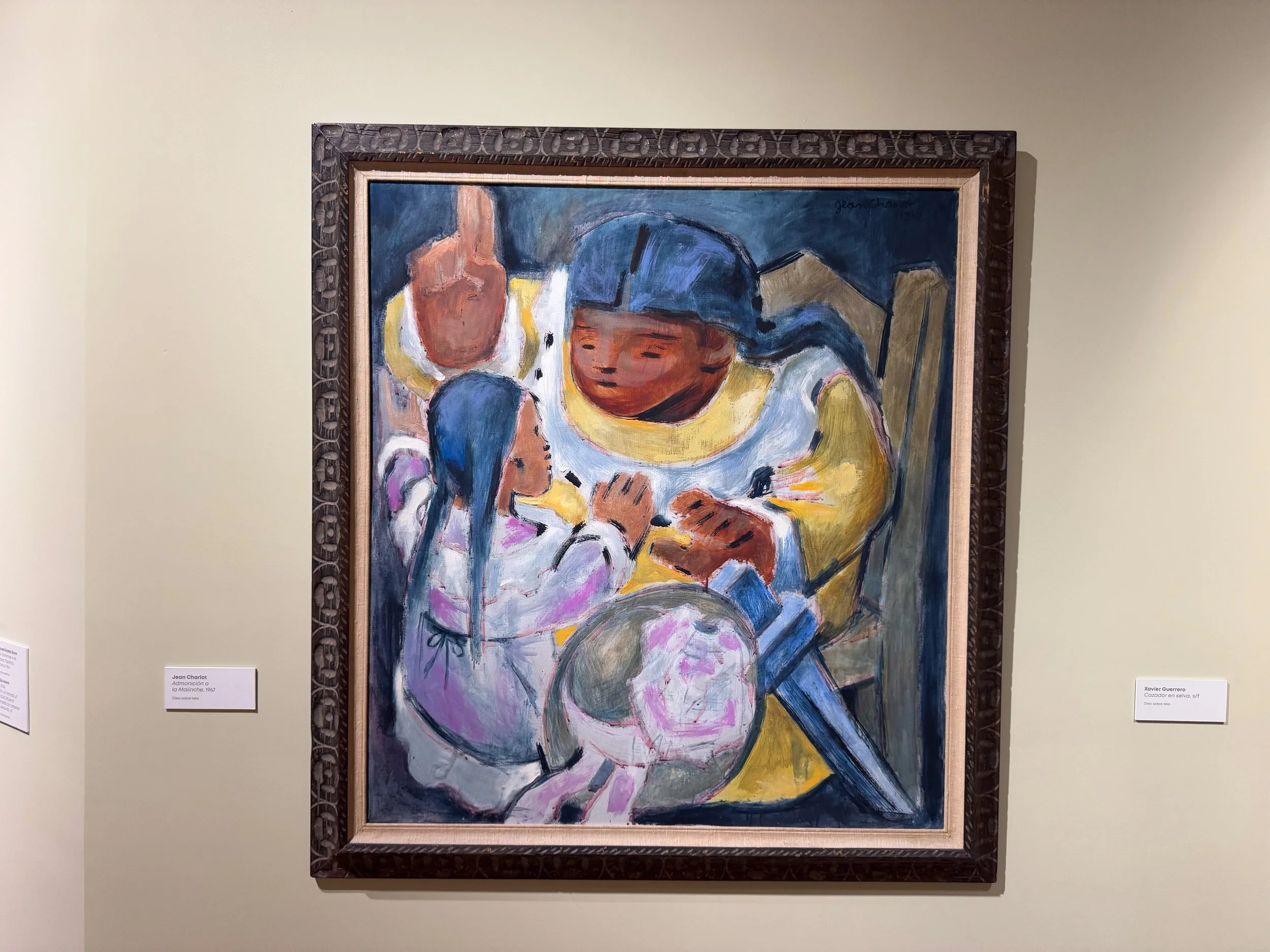
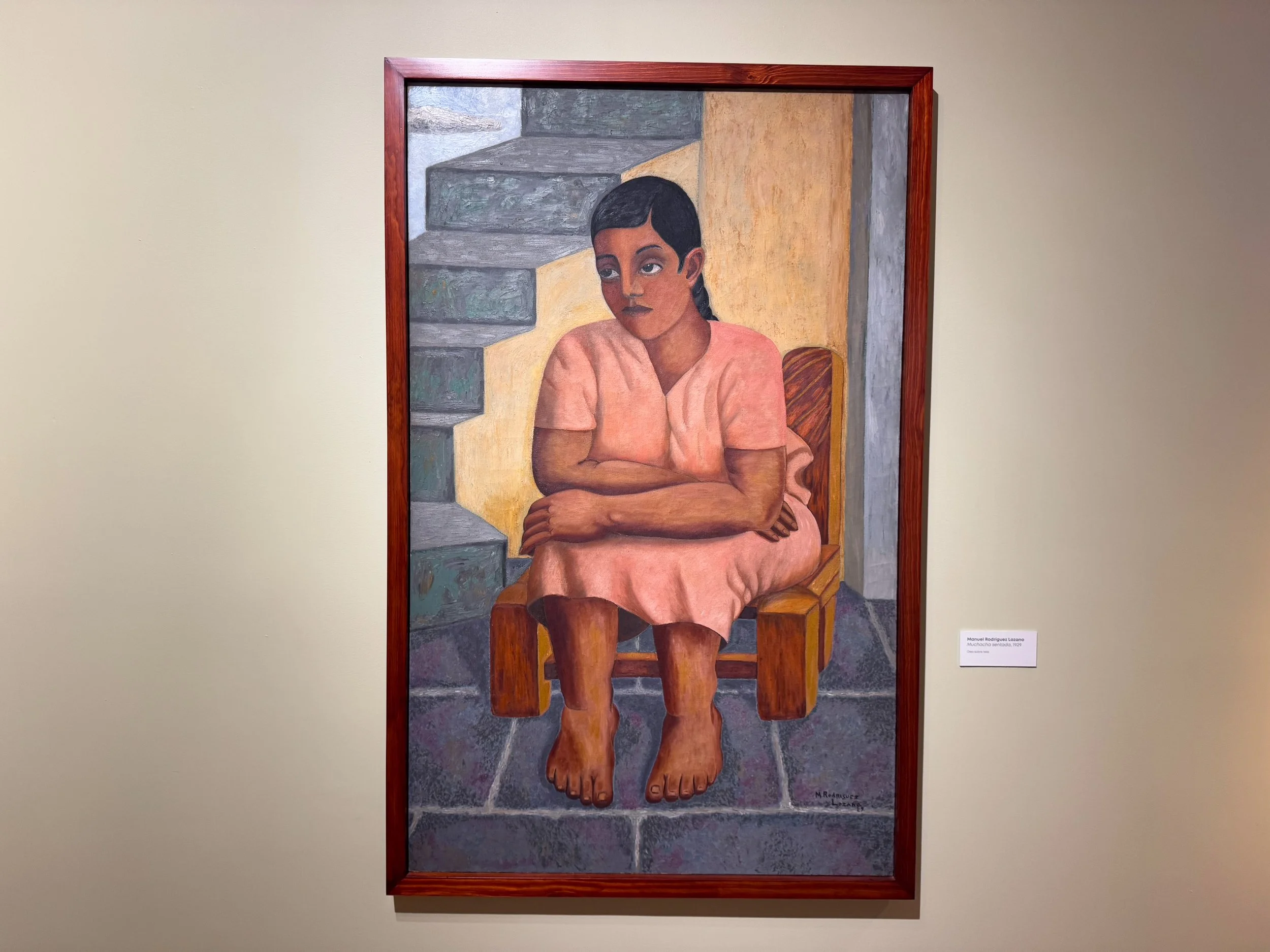
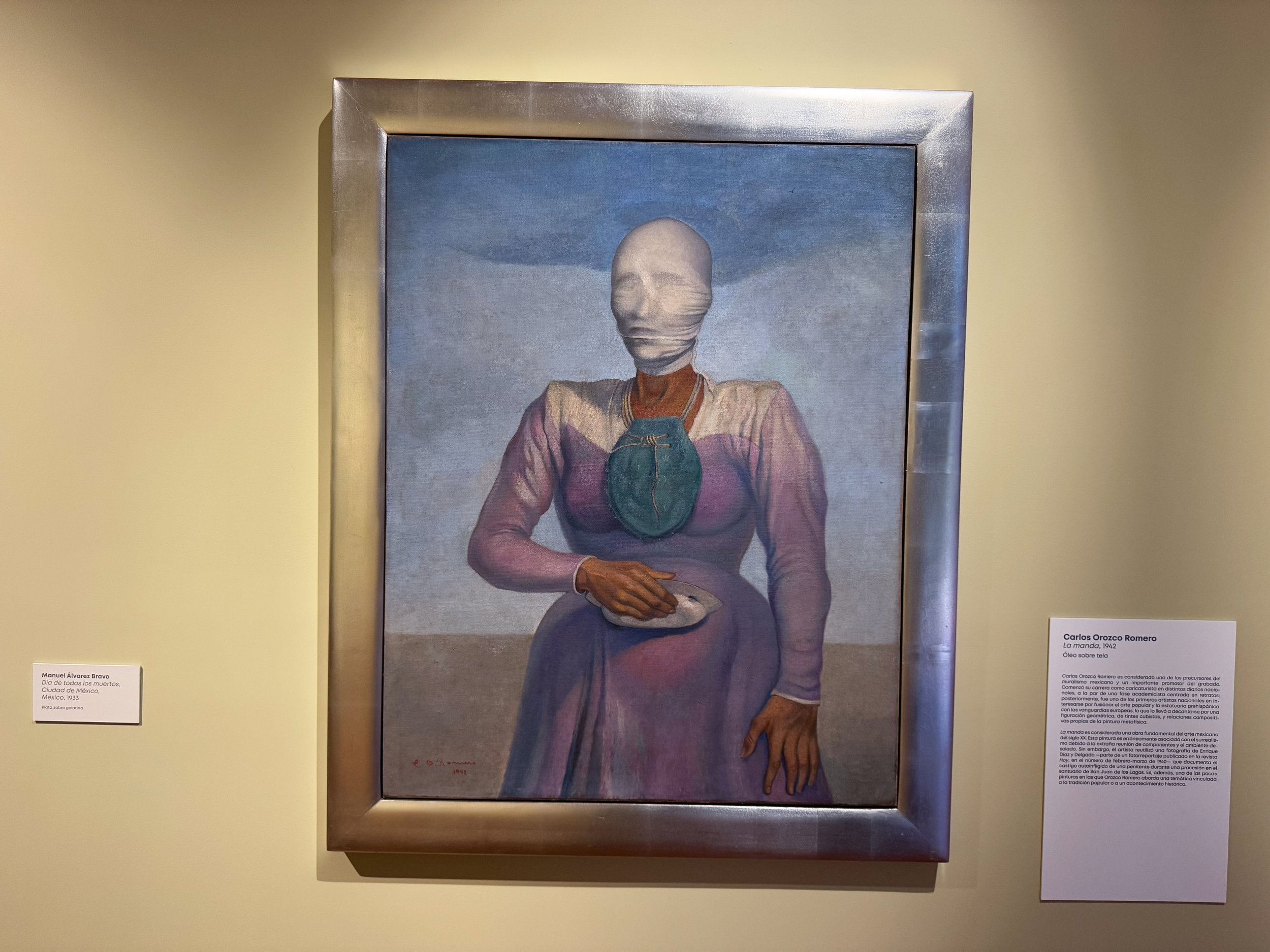
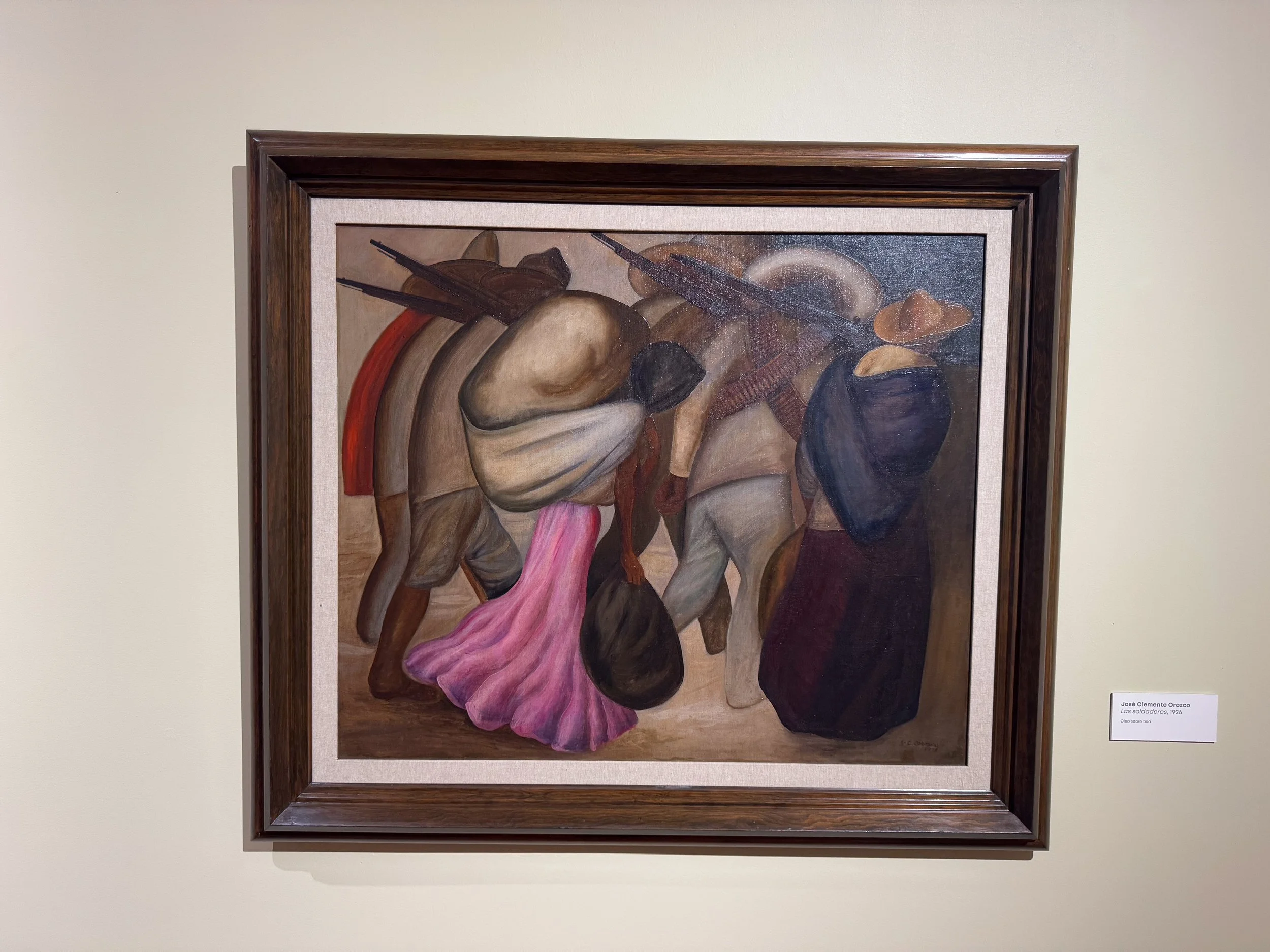
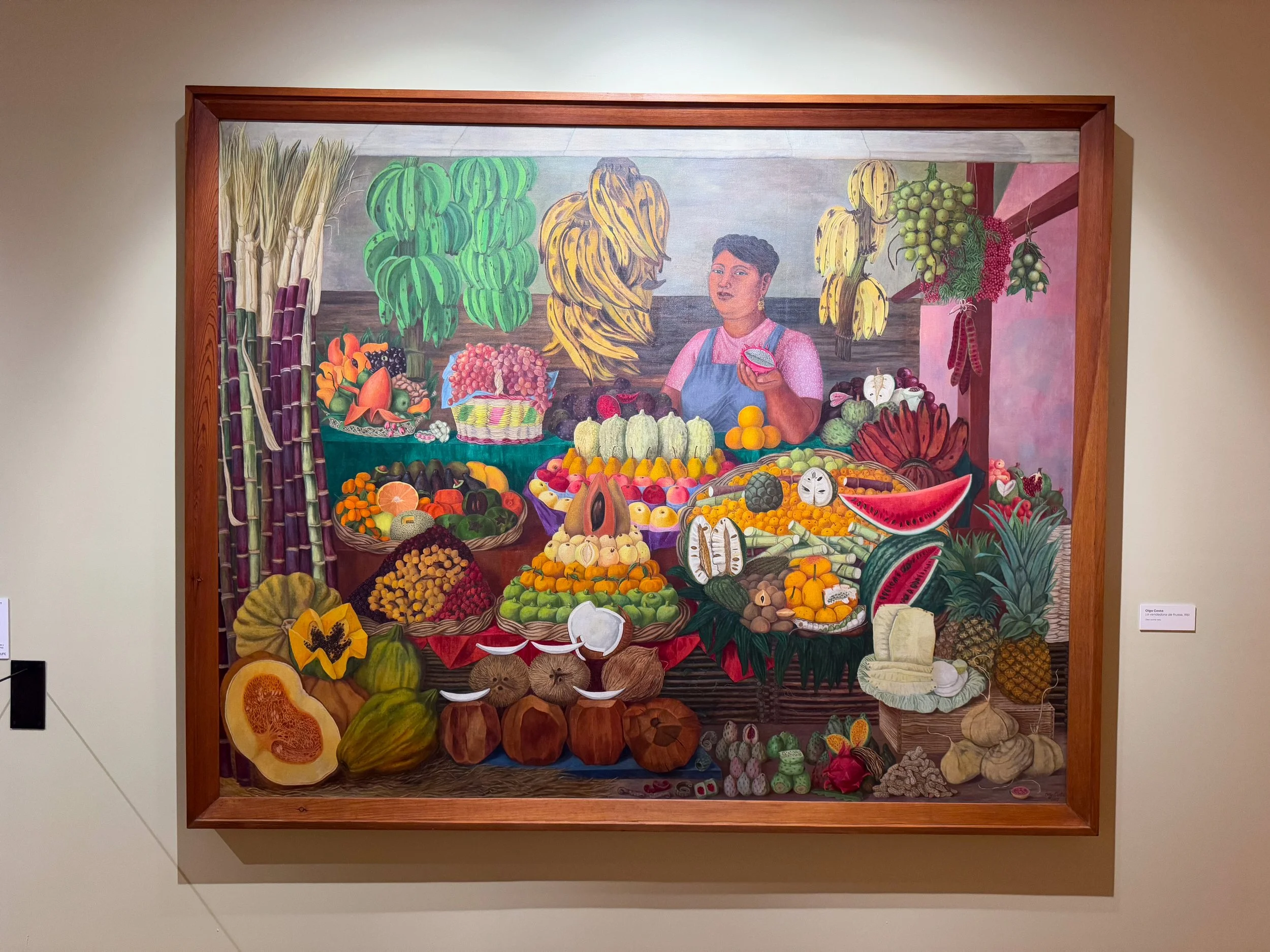
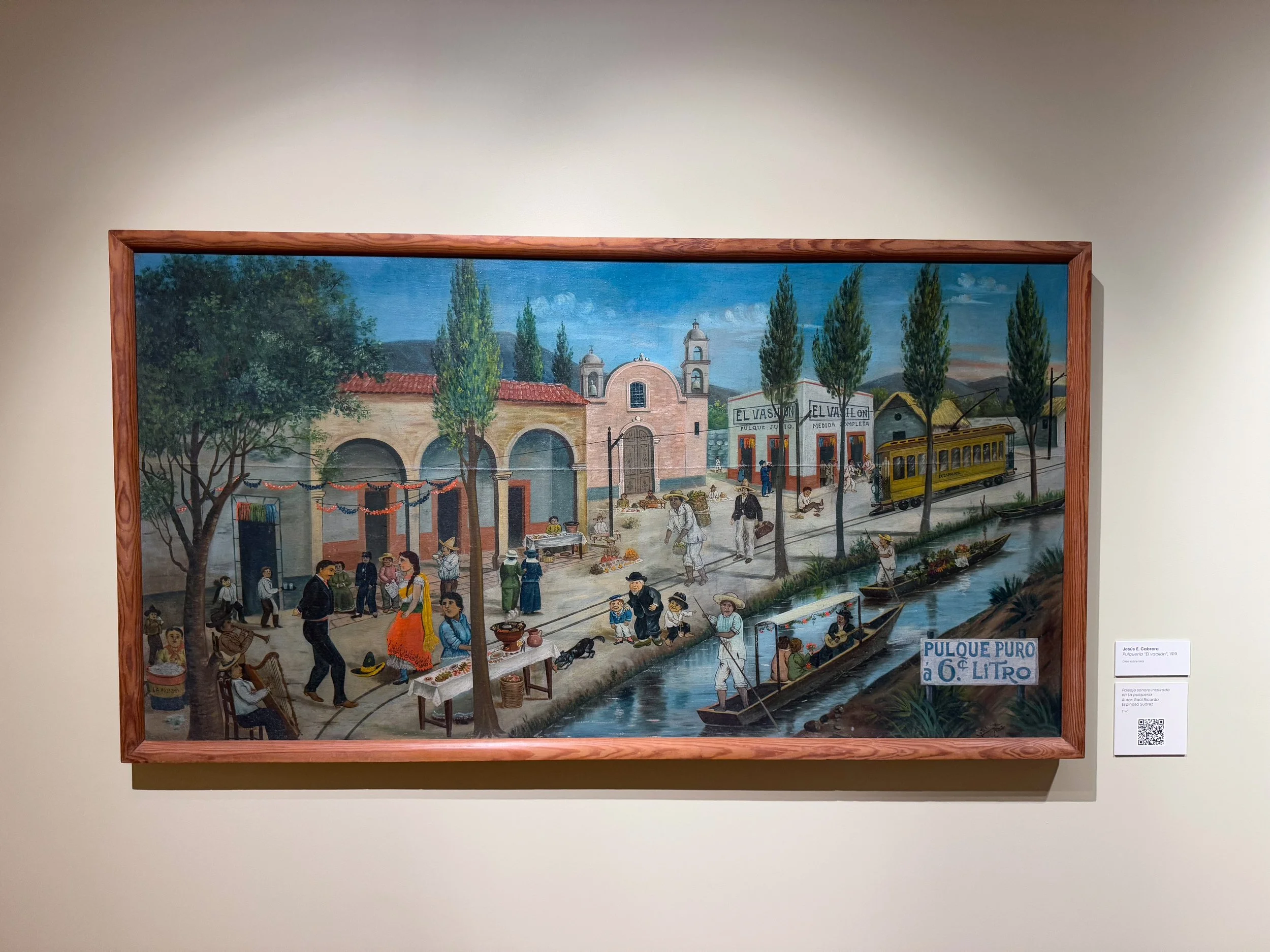
Museo de Arte Moderno. A modernist and surrealist art museum with painting and pieces depicting Mexican heritage, culture and landscapes by artists like Frida Kahlo, Diego Rivera, Rufino Tamayo and José Clemente Orozco. One of Frida’s most famous works, Los Dos Fridas (The Two Fridas), is prominently on display. Some pieces, including Diego’s, Velorio o Dia de Muertos, are paired with a wooden orb containing an aroma of what’s pictured.
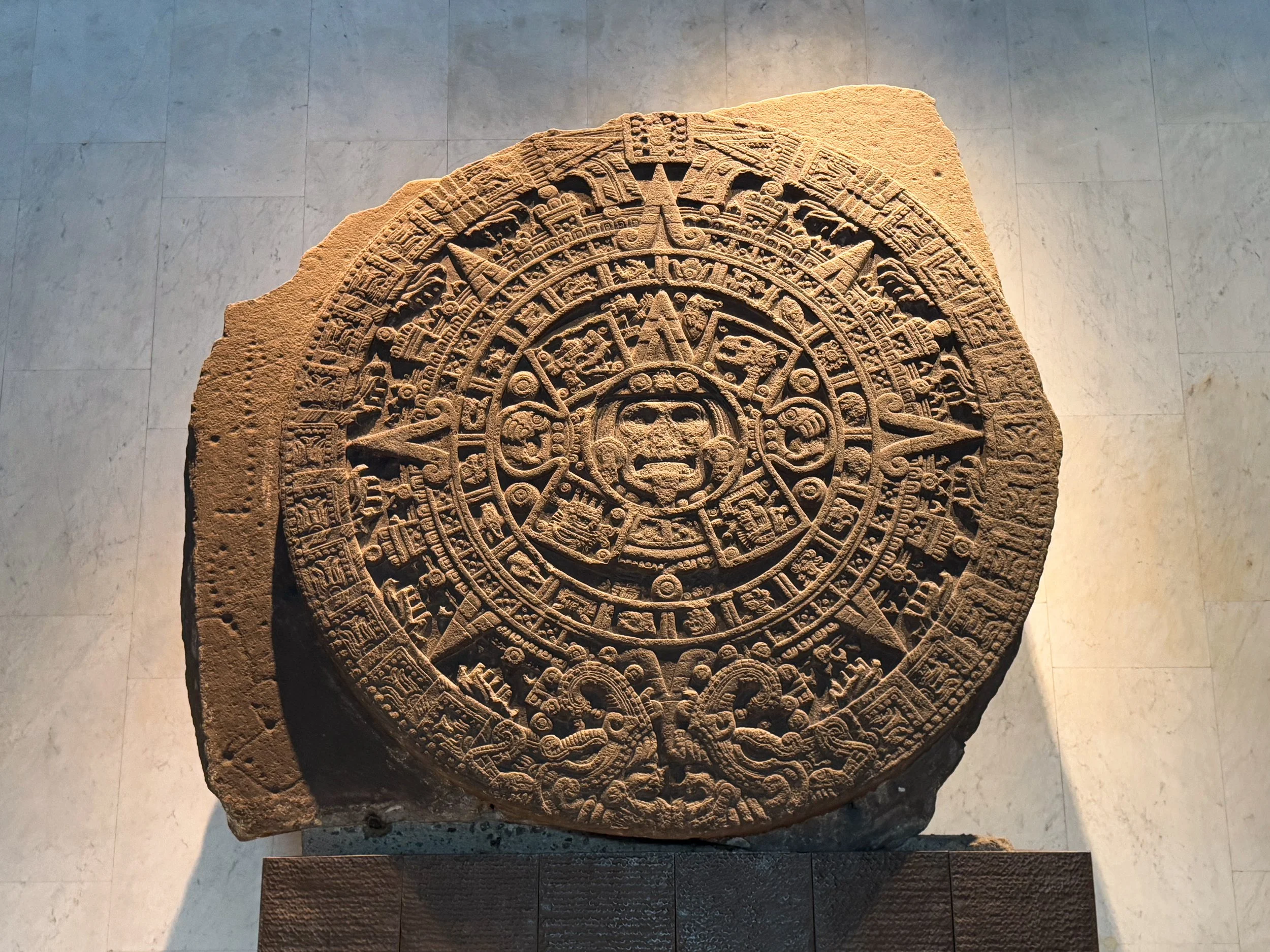
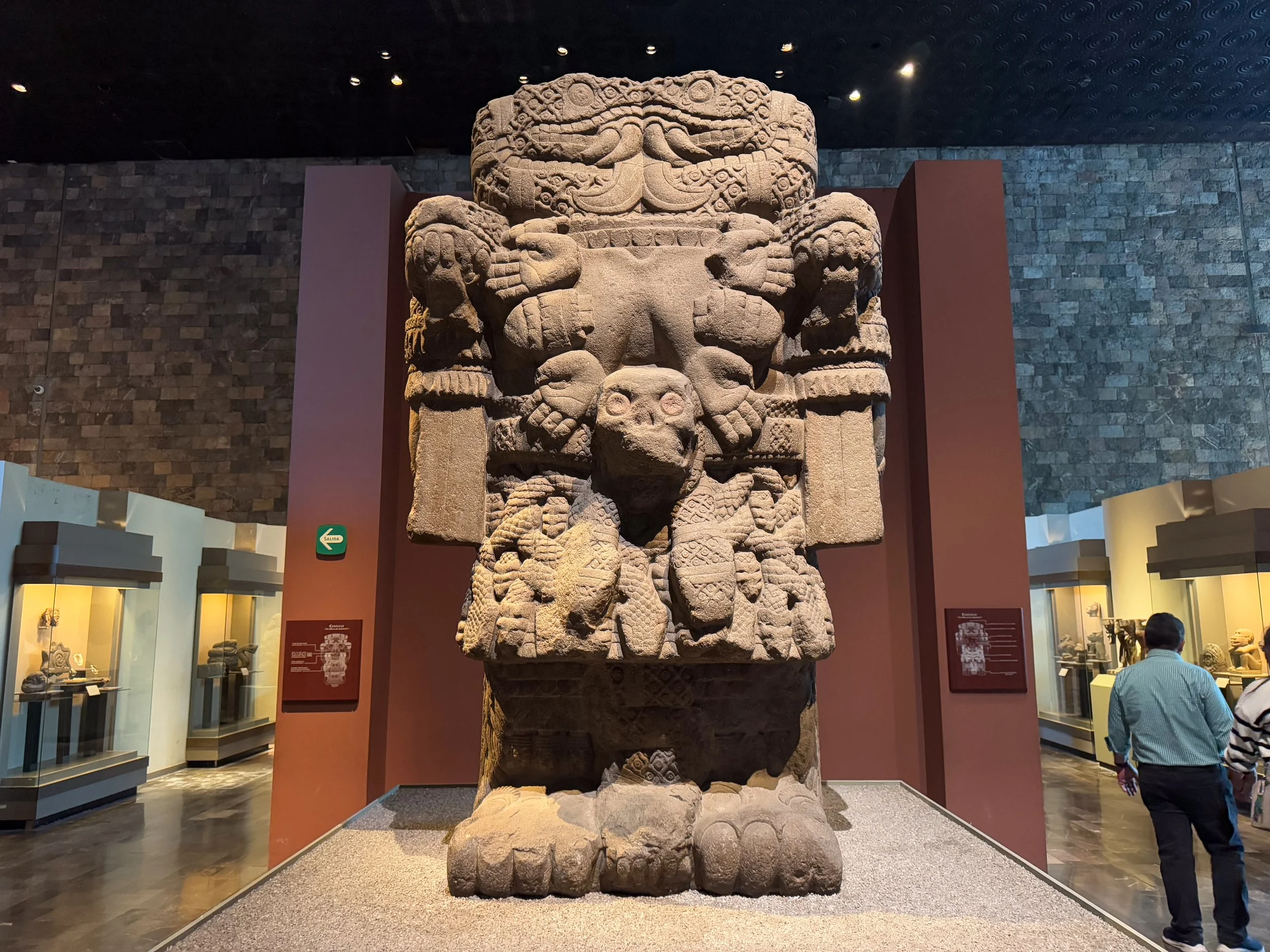
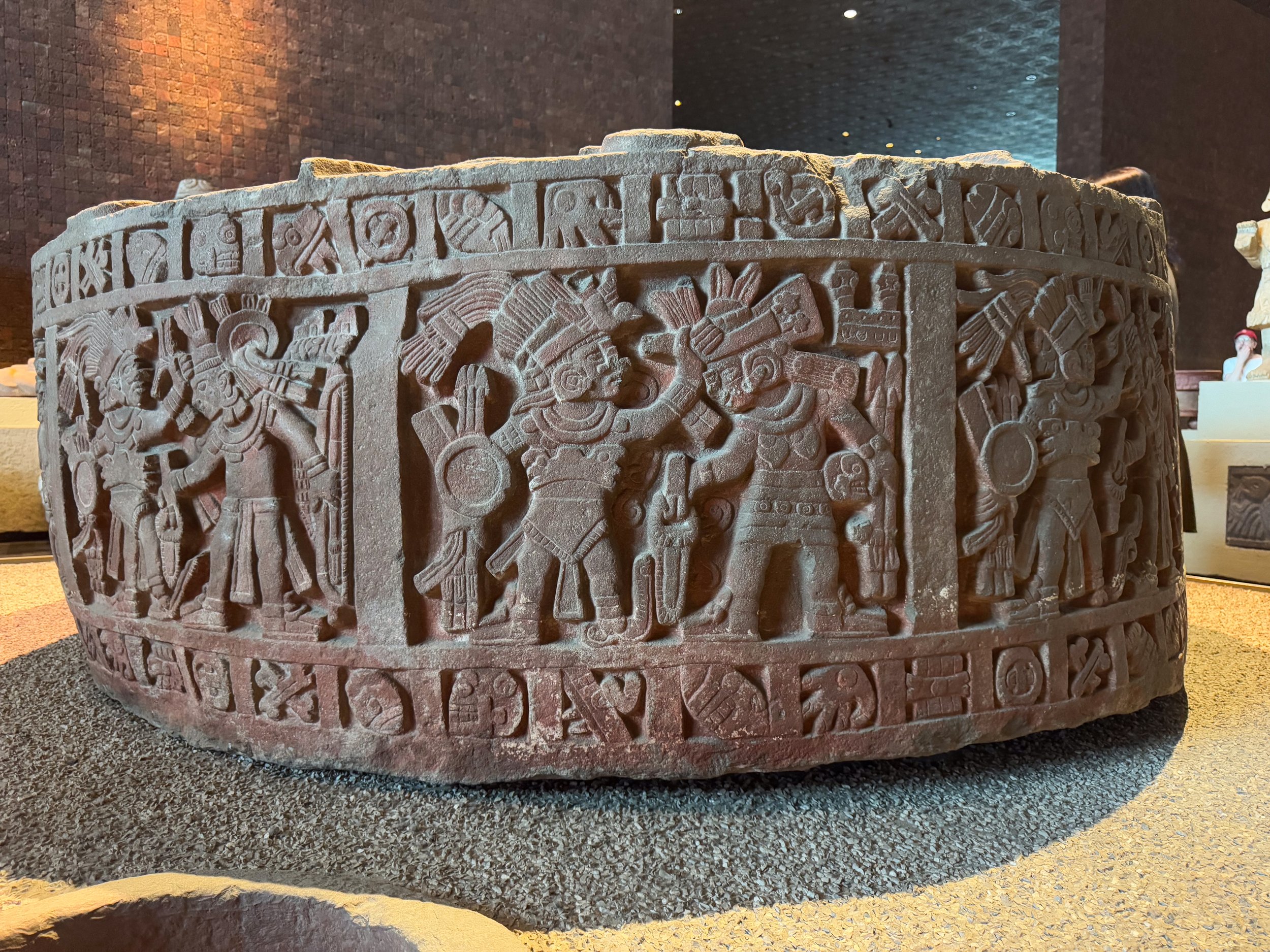
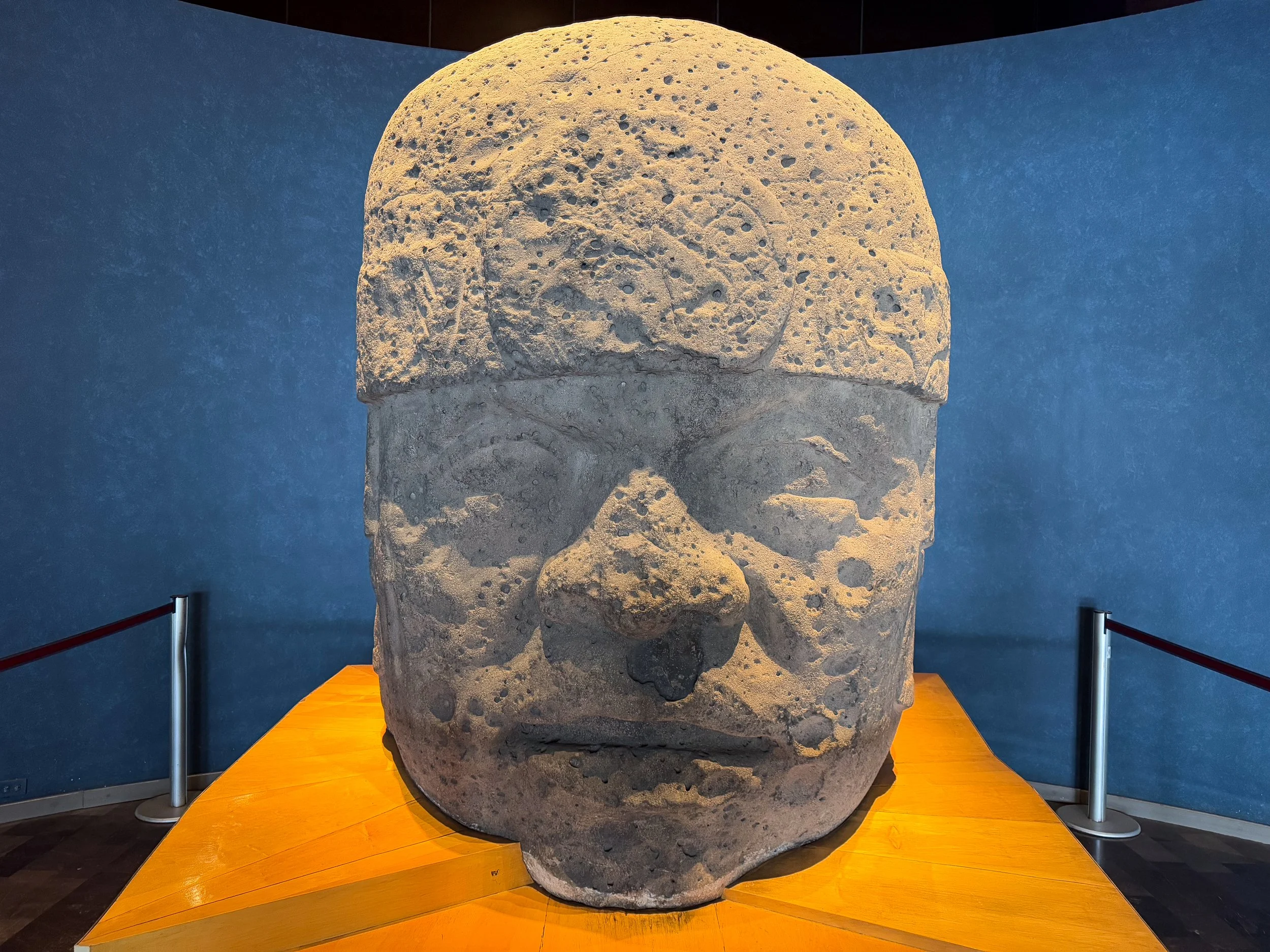

Museo Nacional de Antropología. An anthropological museum dedicated to the ancient civilizations and cultures of Mexico. Exhibit halls are dedicated to each group including the Mexica, Aztec, Mayan, Zapotec and Teotihuacan. Artifacts on display include sacrificial stones, statues of gods, carved stelae, ball court rings, jade masks, golden breast plates, painted pottery, human remains and temple reproductions. Some of the most important artifacts on display are:
The Aztec Sun Stone. One of the most famous and recognizable Aztec artifacts discovered, prominently displayed in the Mexica Hall. The complexly carved 12ft diameter stone monolith is often referred to as the “Aztec Calendar.” Bearing elements of the calendar, it was used as a sacrificial altar for blood sacrifices.
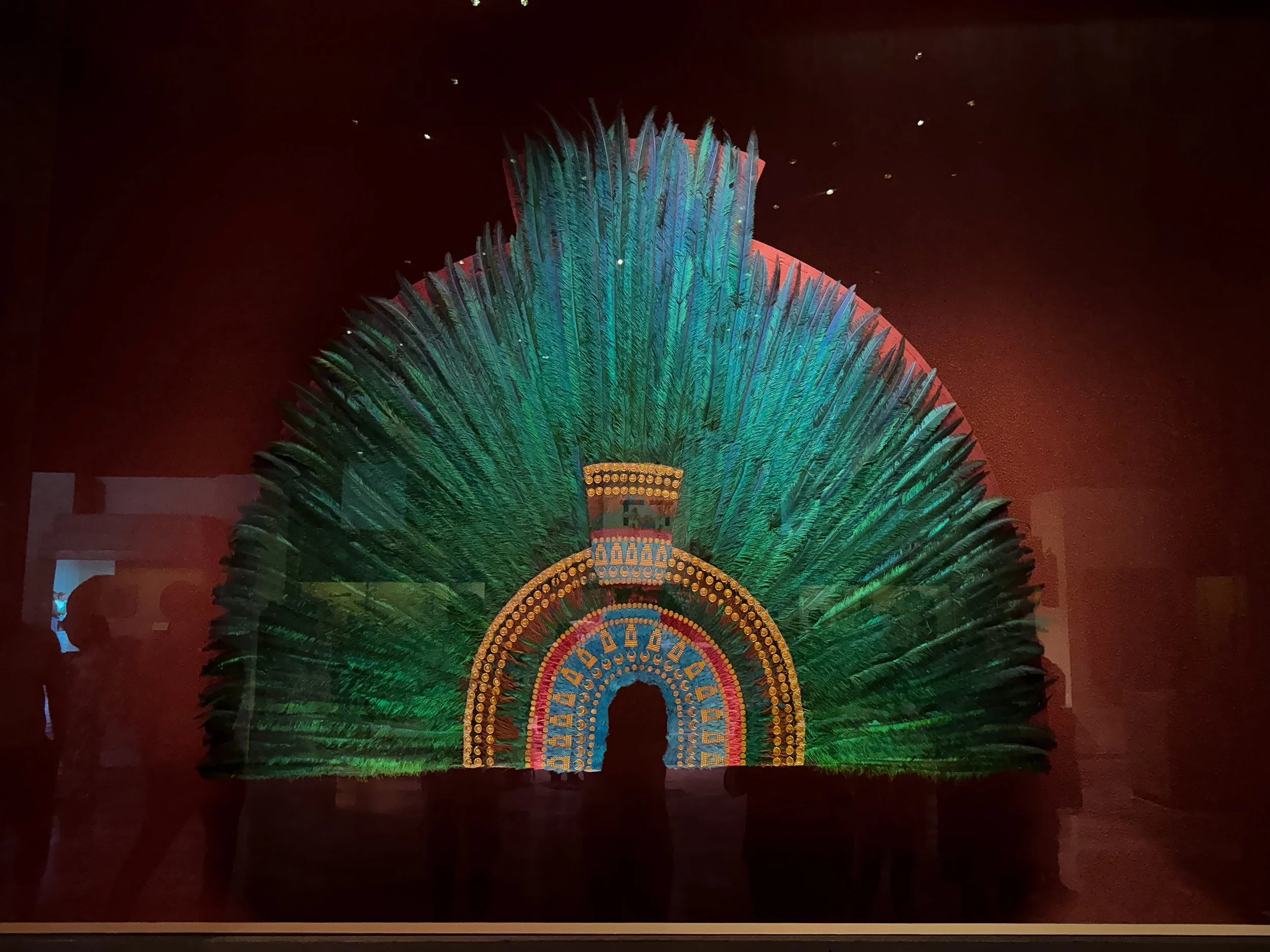
Montezuma’s Headdress. A replica of the Aztec ruler’s magnificent headdress made from turquoise, red and iridescent green feathers adorned with gold medallions. It’s located in the Mexica Hall.
Colossal Olmec Head. One of the few colossal stone heads of an Olmec ruler discovered. It’s located in the Gulf Coast Hall.
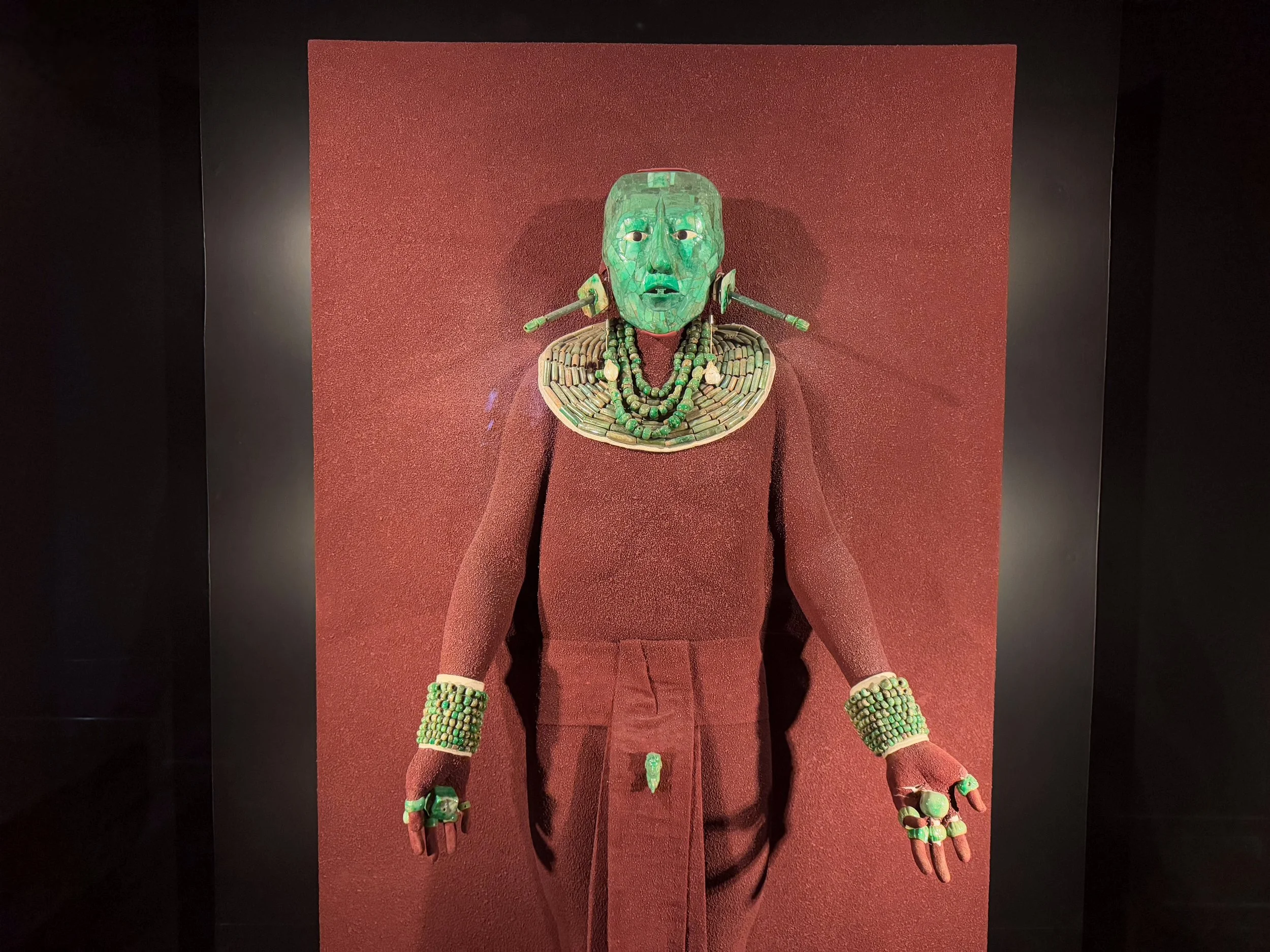
The Funerary Remains of Pakal The Great. Referred to as one of the Mayan Empire’s greatest rulers. His funerary offerings including an elaborate mask, beaded jewelry and skeletal remains are displayed in a replica sarcophagus. It’s located in the lower level of the Maya Hall.
Tlaloc "Señor de la Lluvia." A massive stone sculpture of the Aztec god of water surrounded by a fountain outside of the museum.
Coyoacan
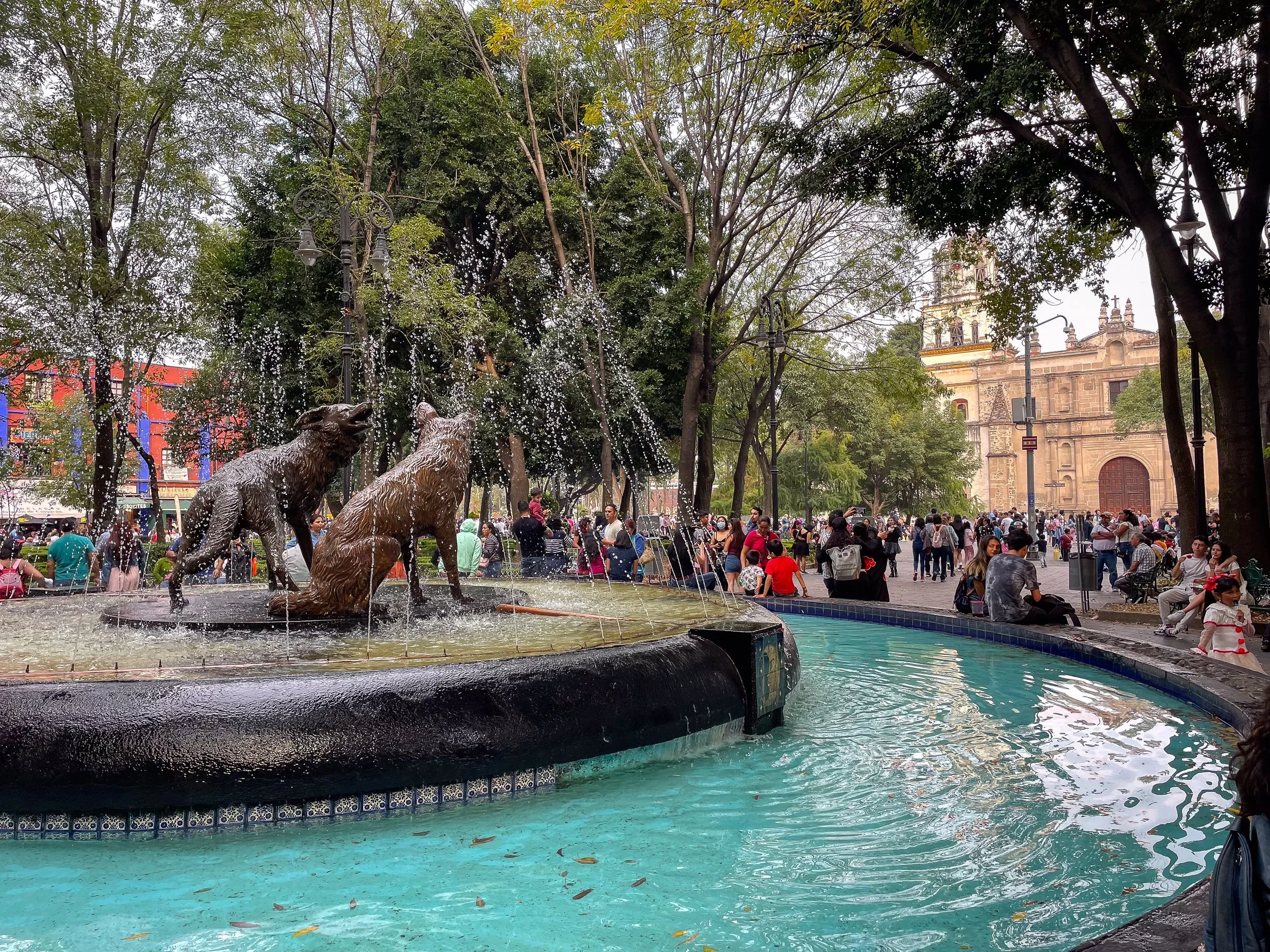
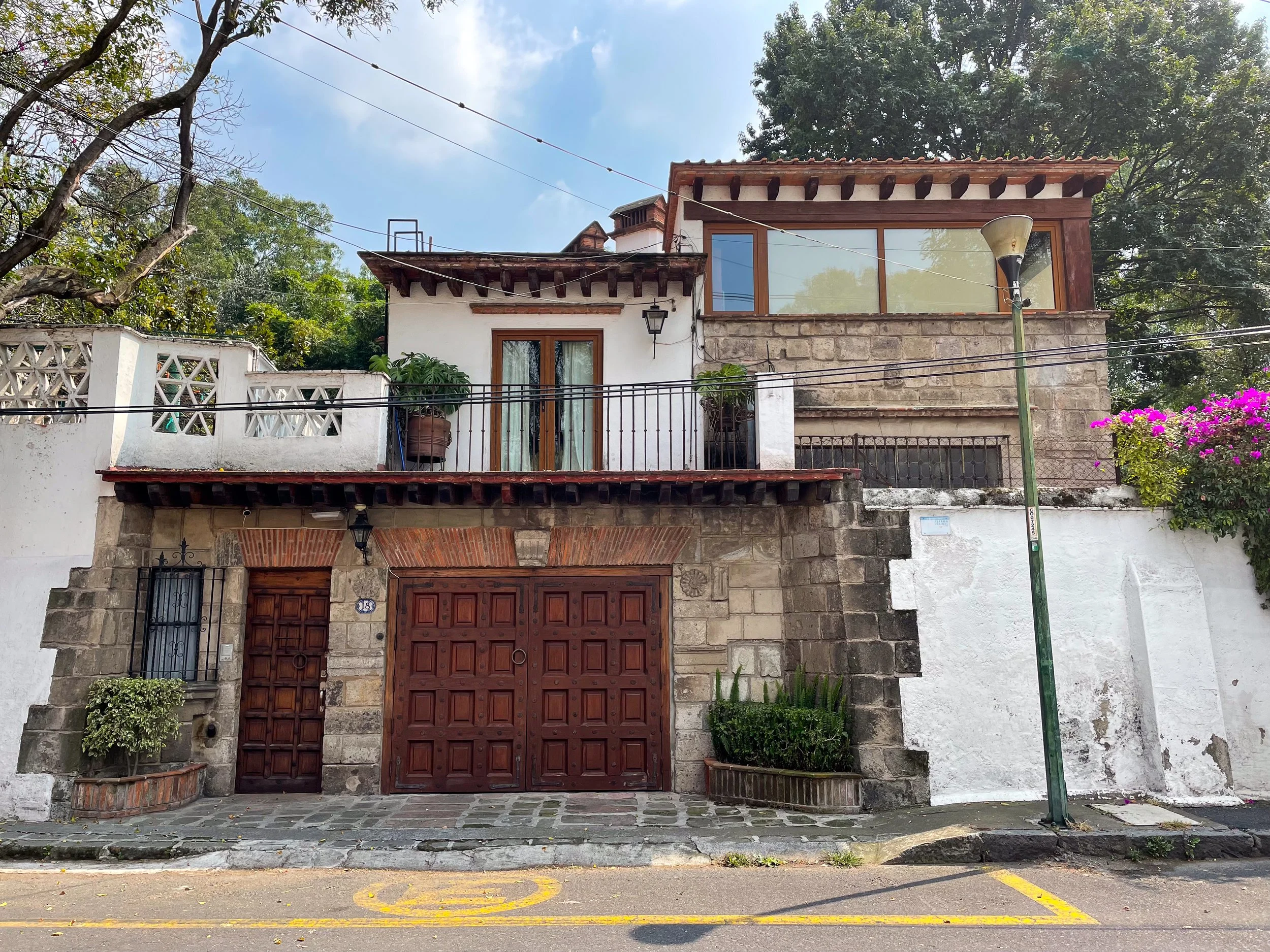
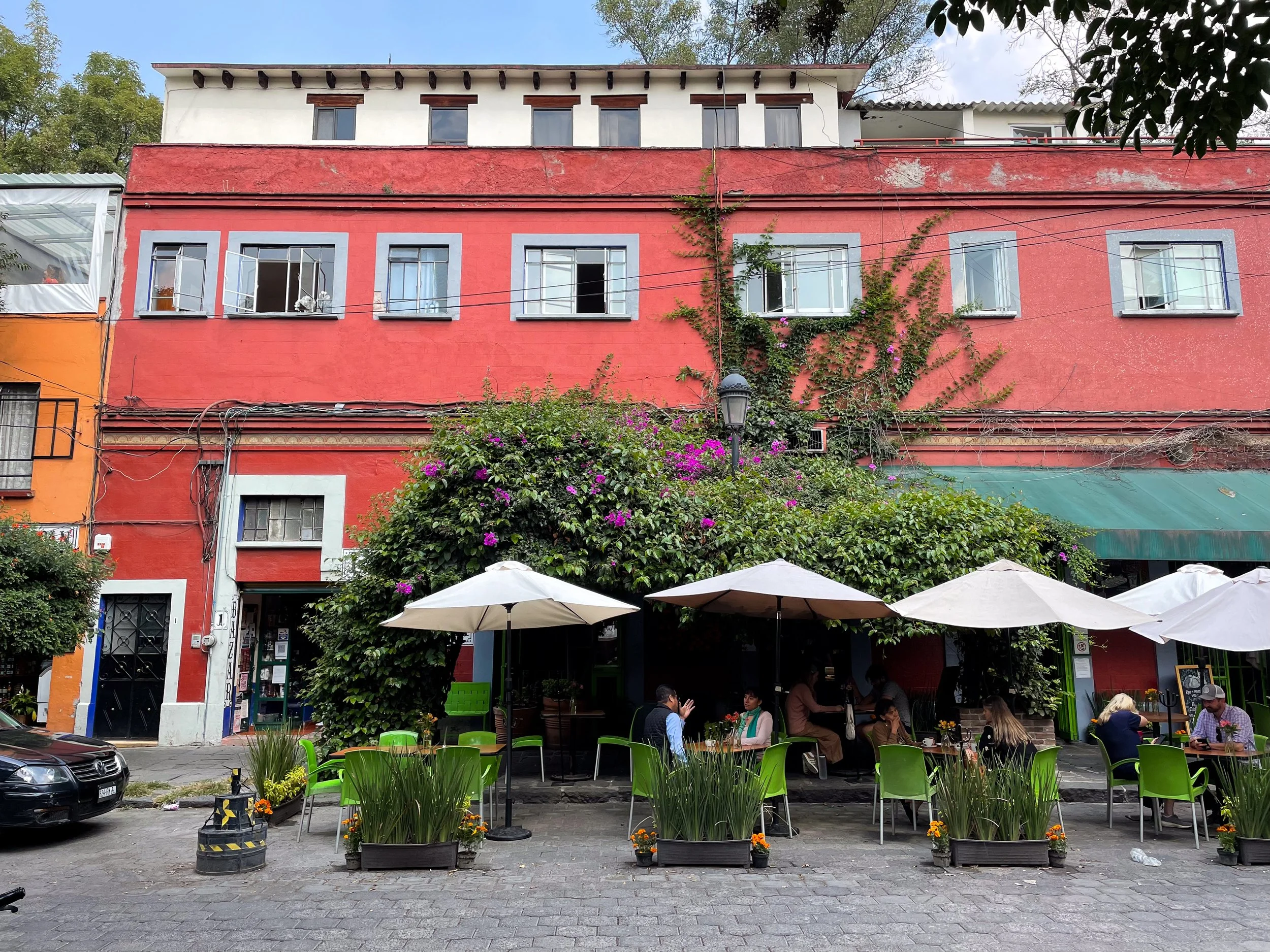
Coyoacan is an authentic and historic neighborhood with a lively center, traditional markets, beautiful colonial era homes and many restaurants. It’s famous as the birthplace and home to Frida Kahlo.
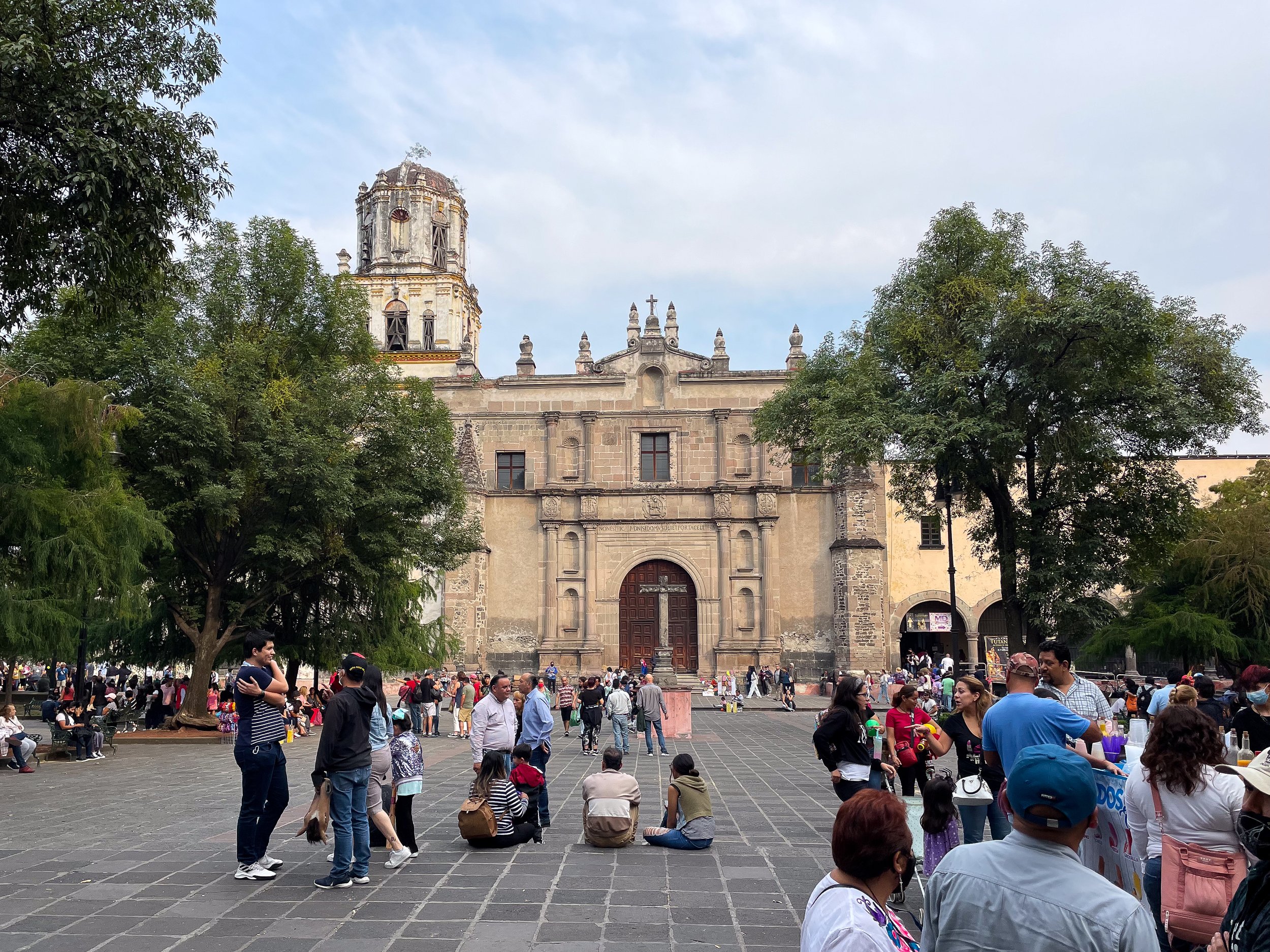
Centro de Coyoacan. The central plaza and park is the heart of the neighborhood. It’s a place for all ages and generations to gather, where street performers put on a show, mariachis serenade diners and vendors sell handicrafts, street food, cotton candy and firework poppers. In the middle of the park is a fountain with coyotes playing; they are the symbol and namesake of the neighborhood. Flanking the center is a handicrafts market, a historic cathedral and many restaurants serving traditional Mexican cuisine.
Mercado Artisanal. A two level market with stalls of vendors and artists selling alebrijes, calaveras, textiles, books, leather goods and home decor. There are even a few stalls to get tattoos and piercings.
Mercado San Juan. A market, very similar to Mercado de Medellin in La Roma, albeit slightly larger in size. Locals come here to shop for produce, meat, spices and home goods, tourists for souvenirs and everyone comes for its food stalls and restaurants.
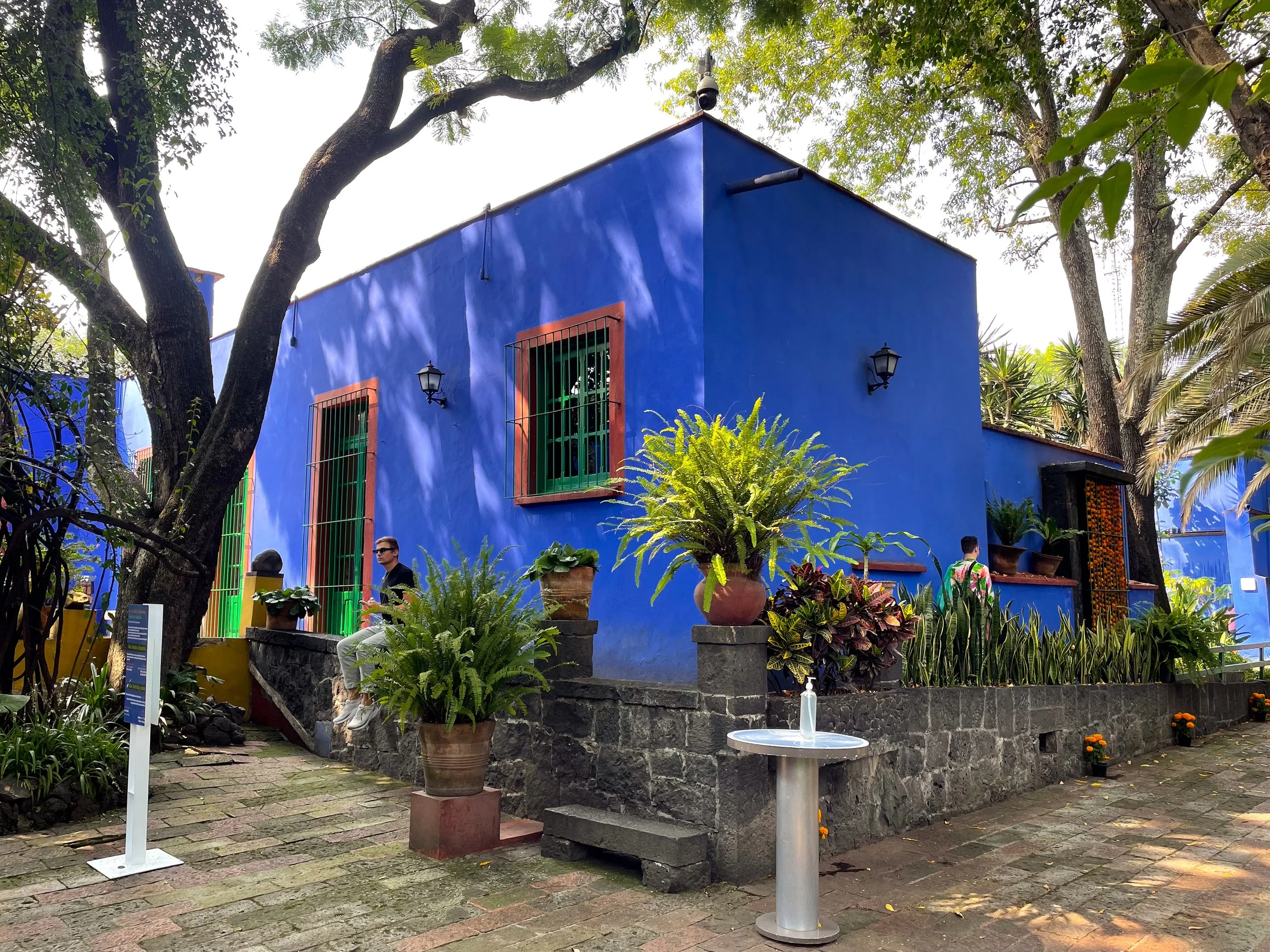
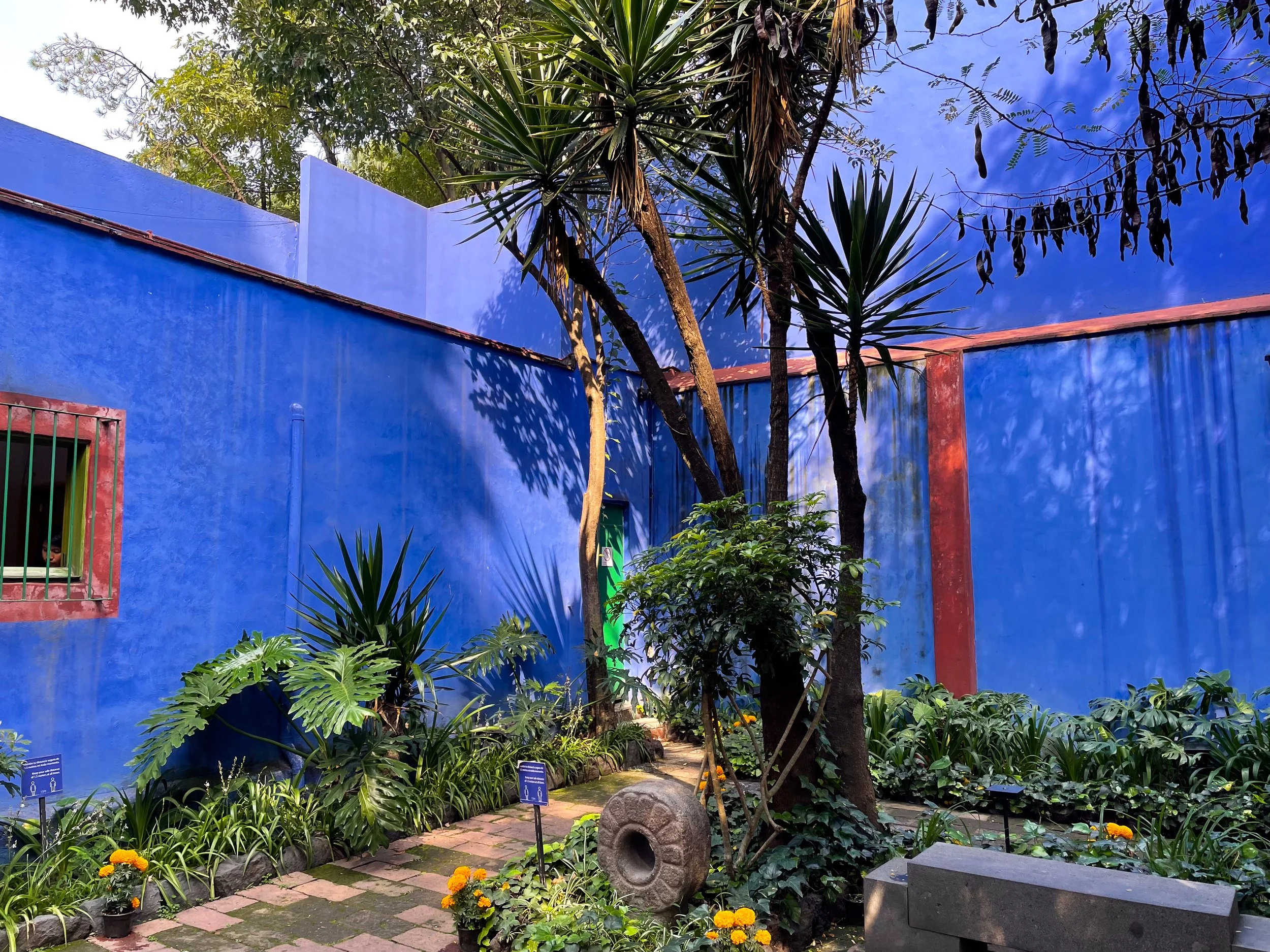
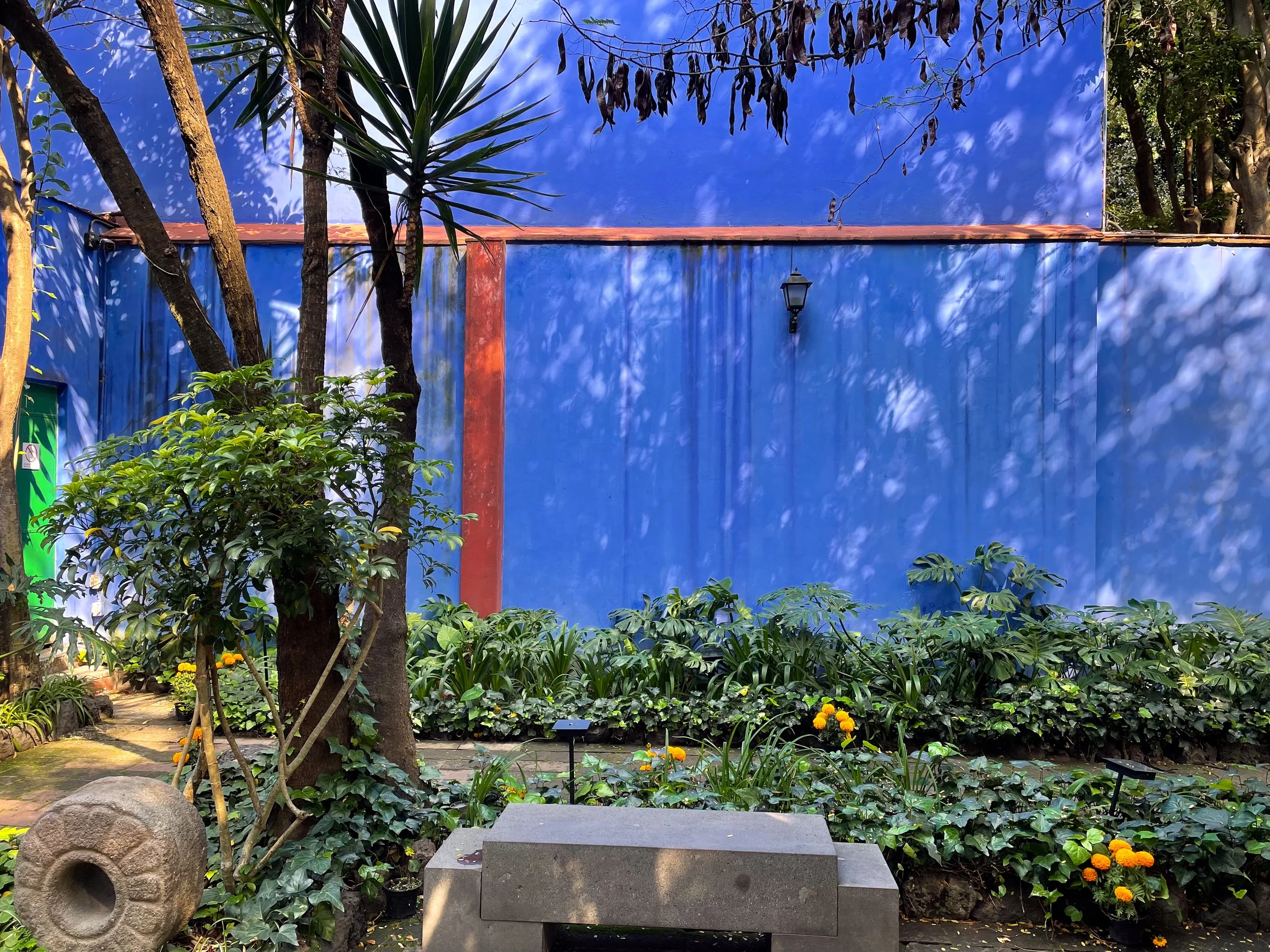
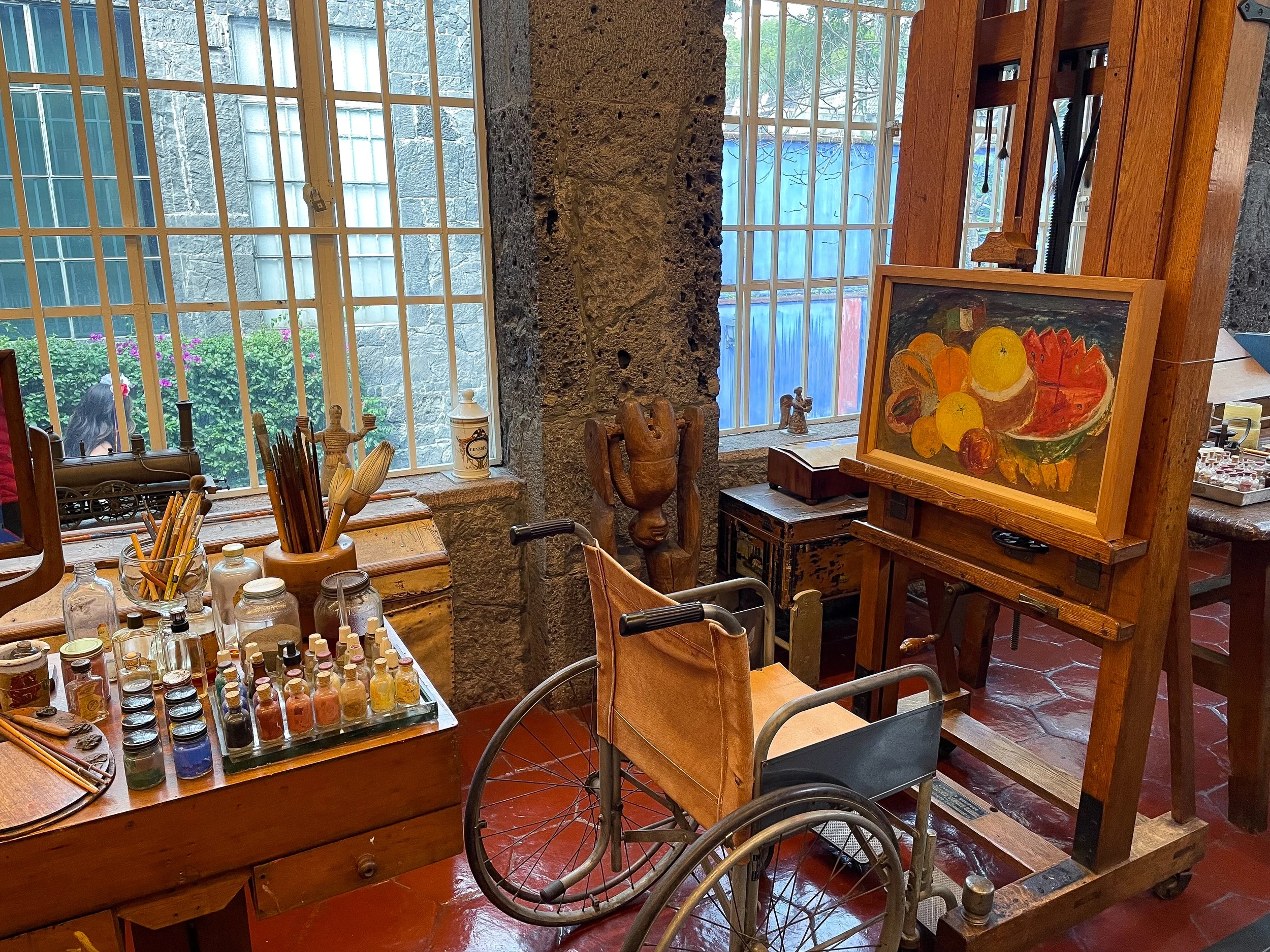
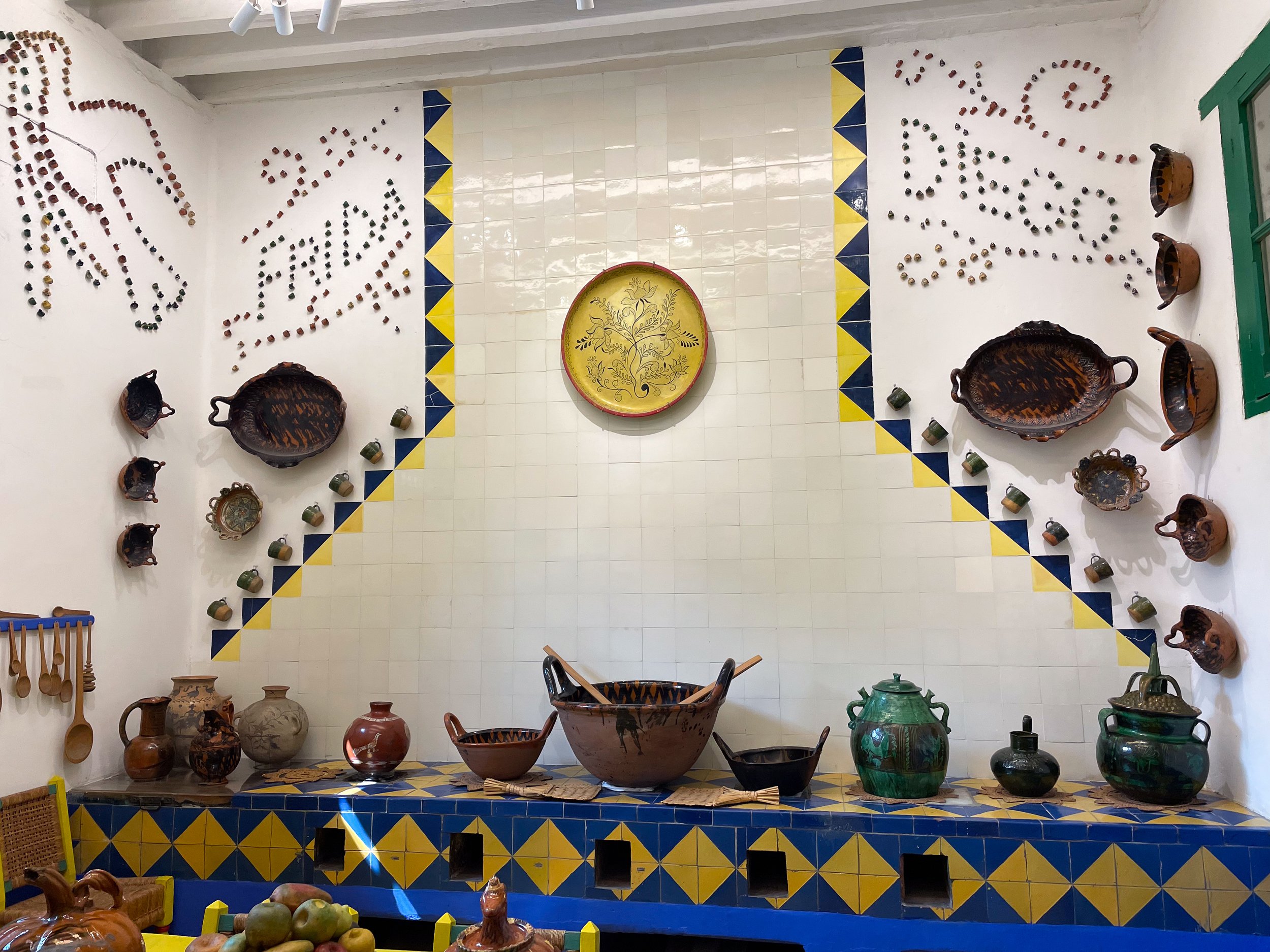
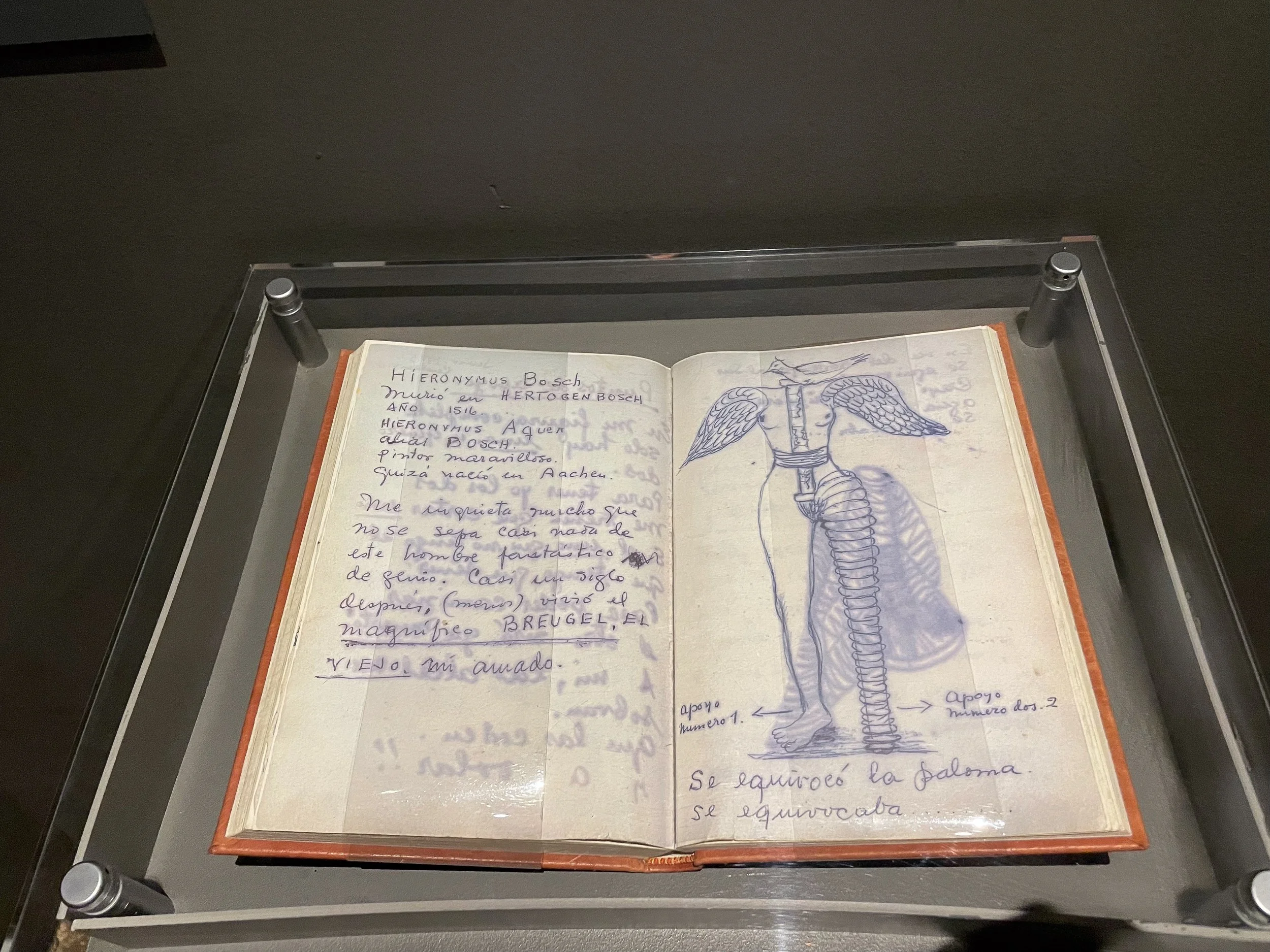
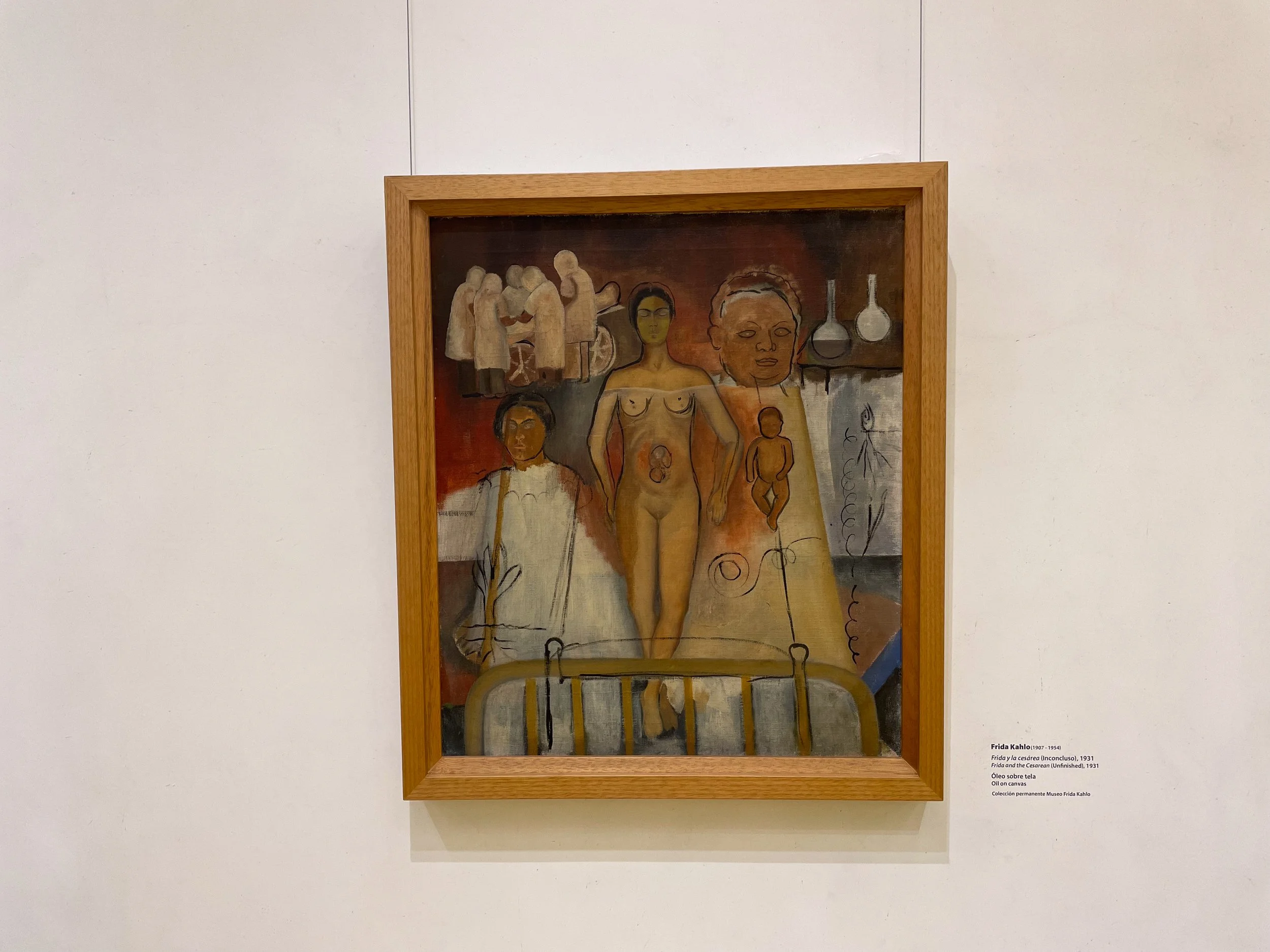
Casa Azul. Coyoacan is the birthplace and home to many renowned artists, most notably Frida Kahlo. We visited her family home, Casa Azul, named after its vibrant blue painted exterior. While here, we toured her gardens, art studio and many rooms within her house. The museum displayed her artwork, clothes, diaries and braces while explaining the story of her life. Purchase tickets ahead of time on Viator in order to secure a reservation. Once inside, purchase a photography sticker for $30 Pesos.
Xochimilco
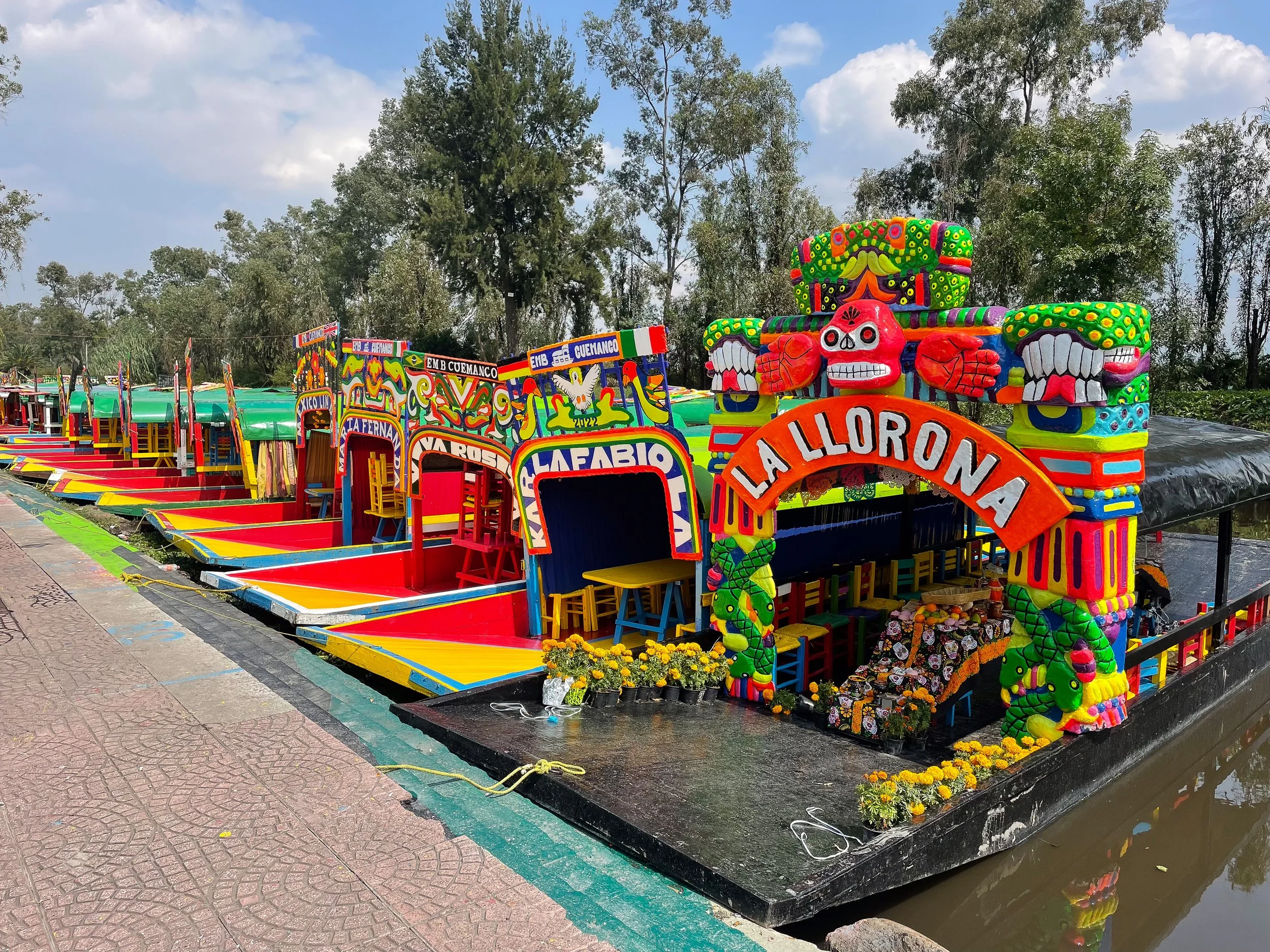
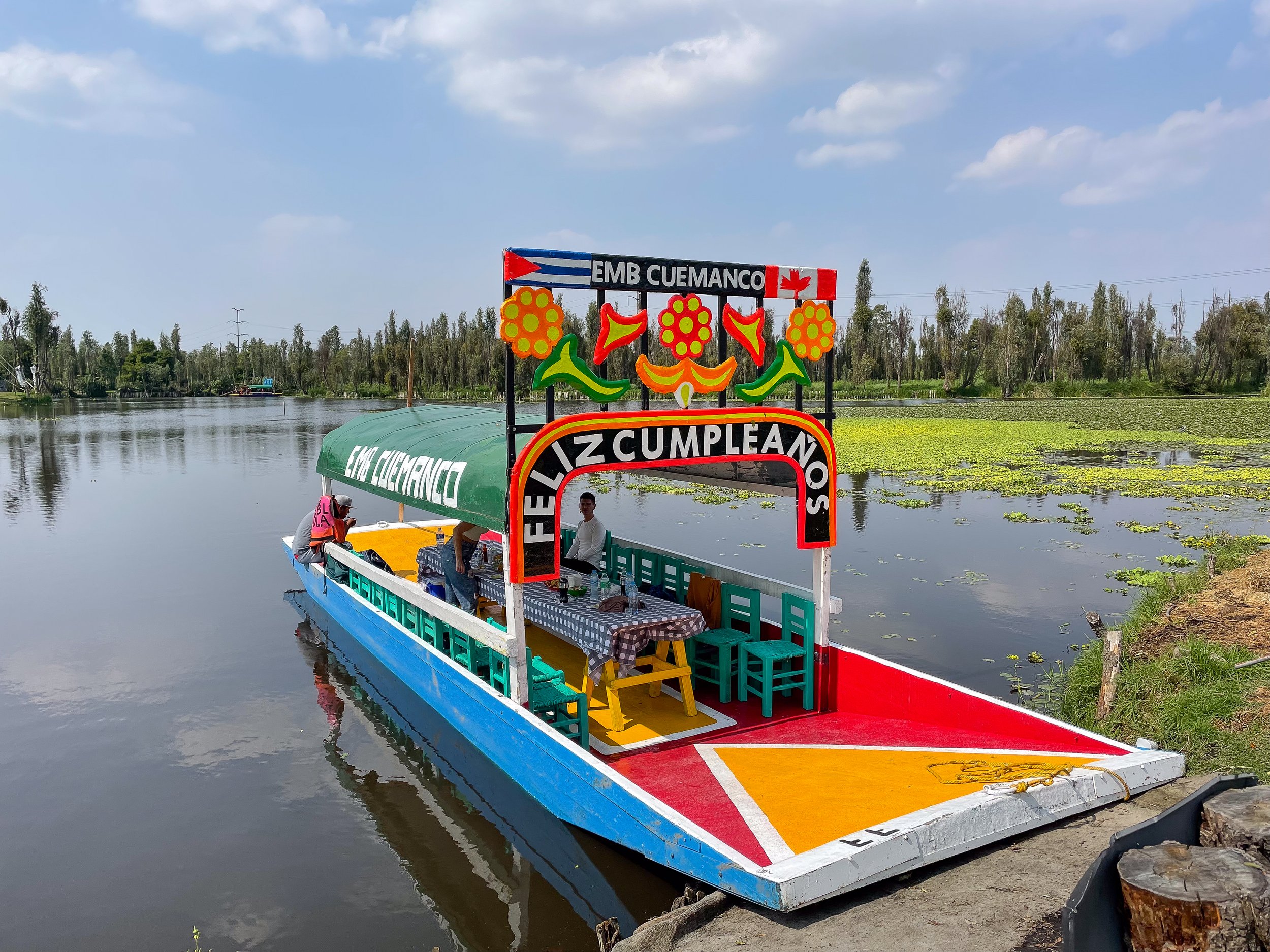
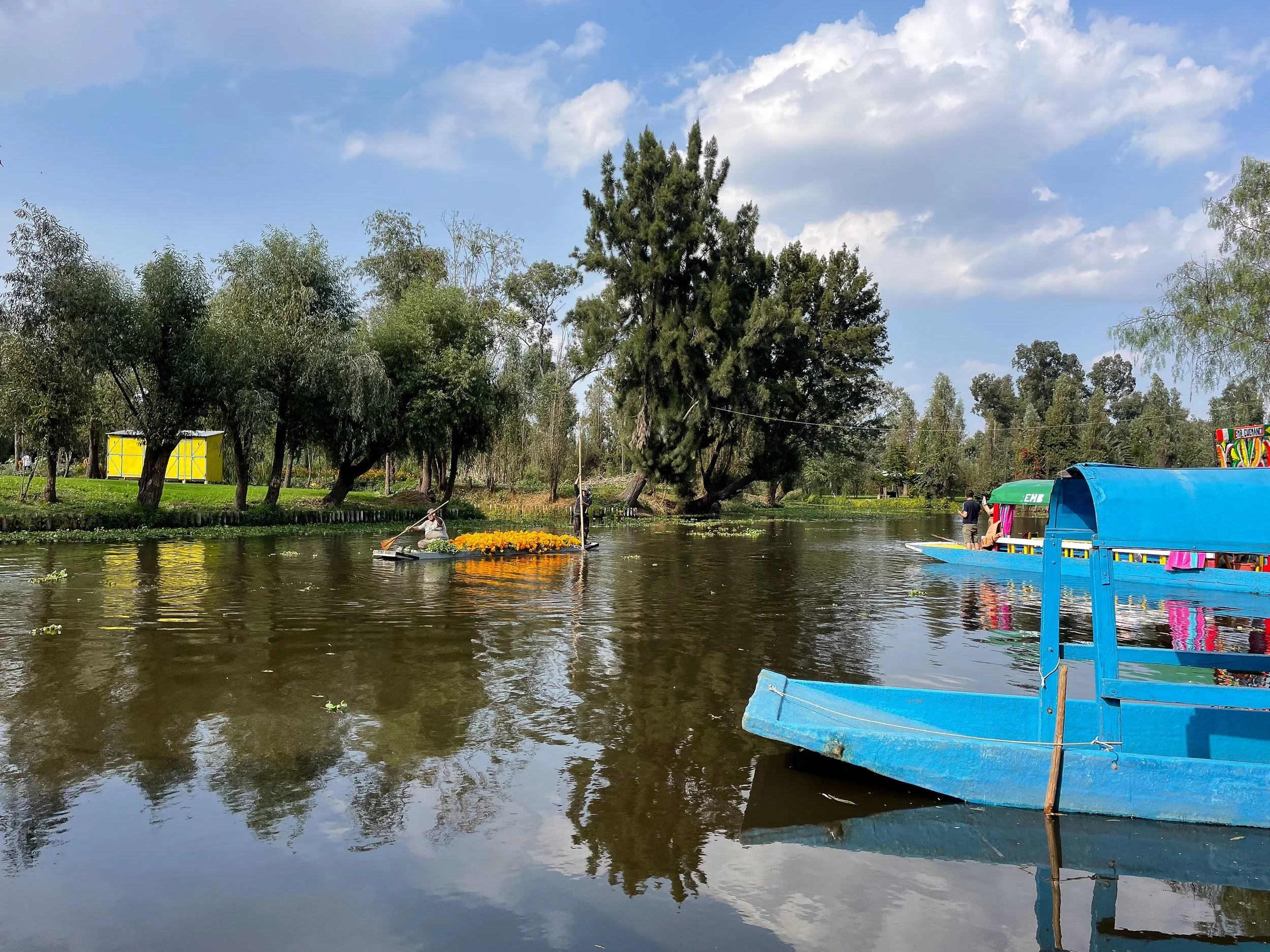
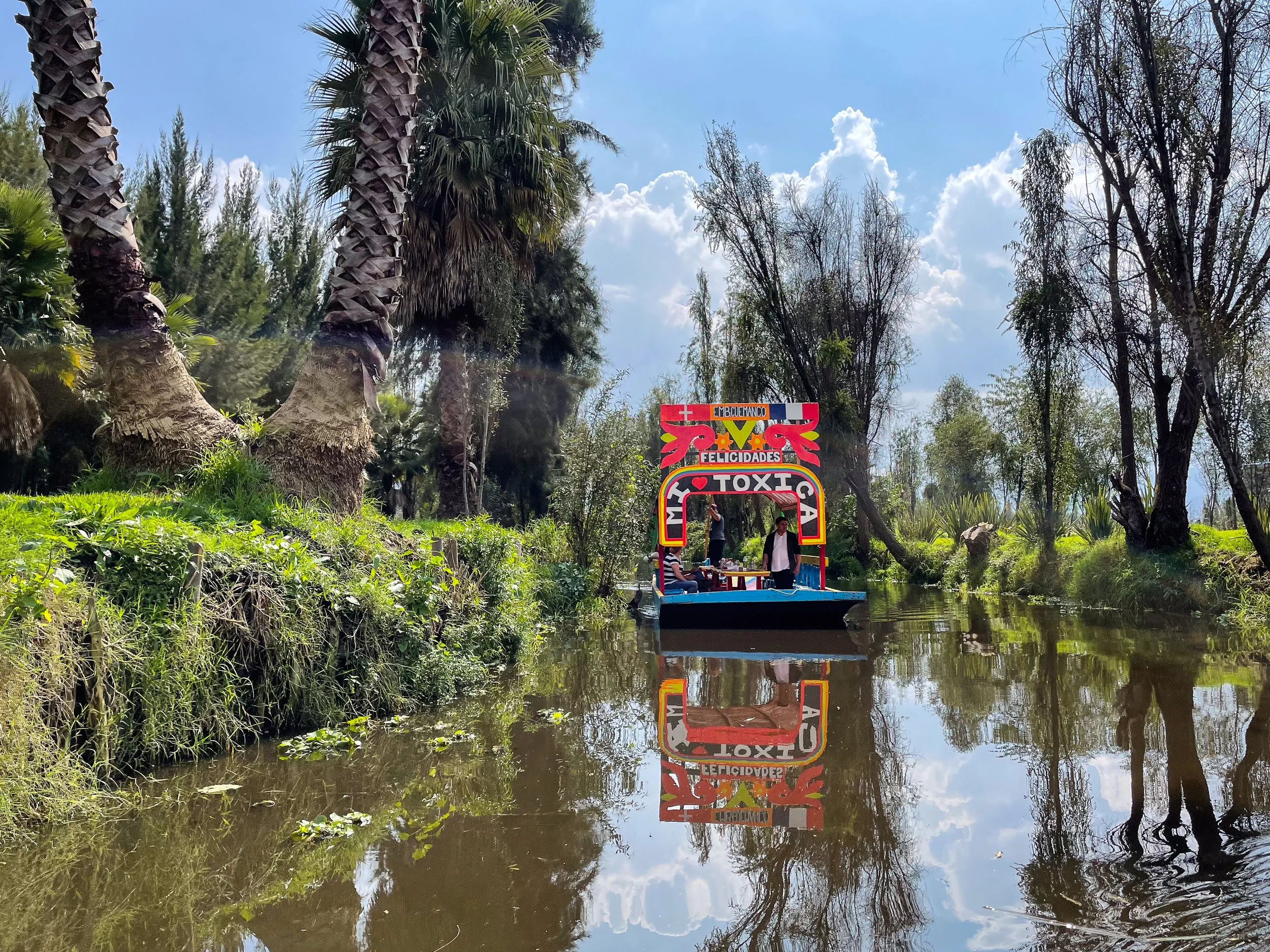
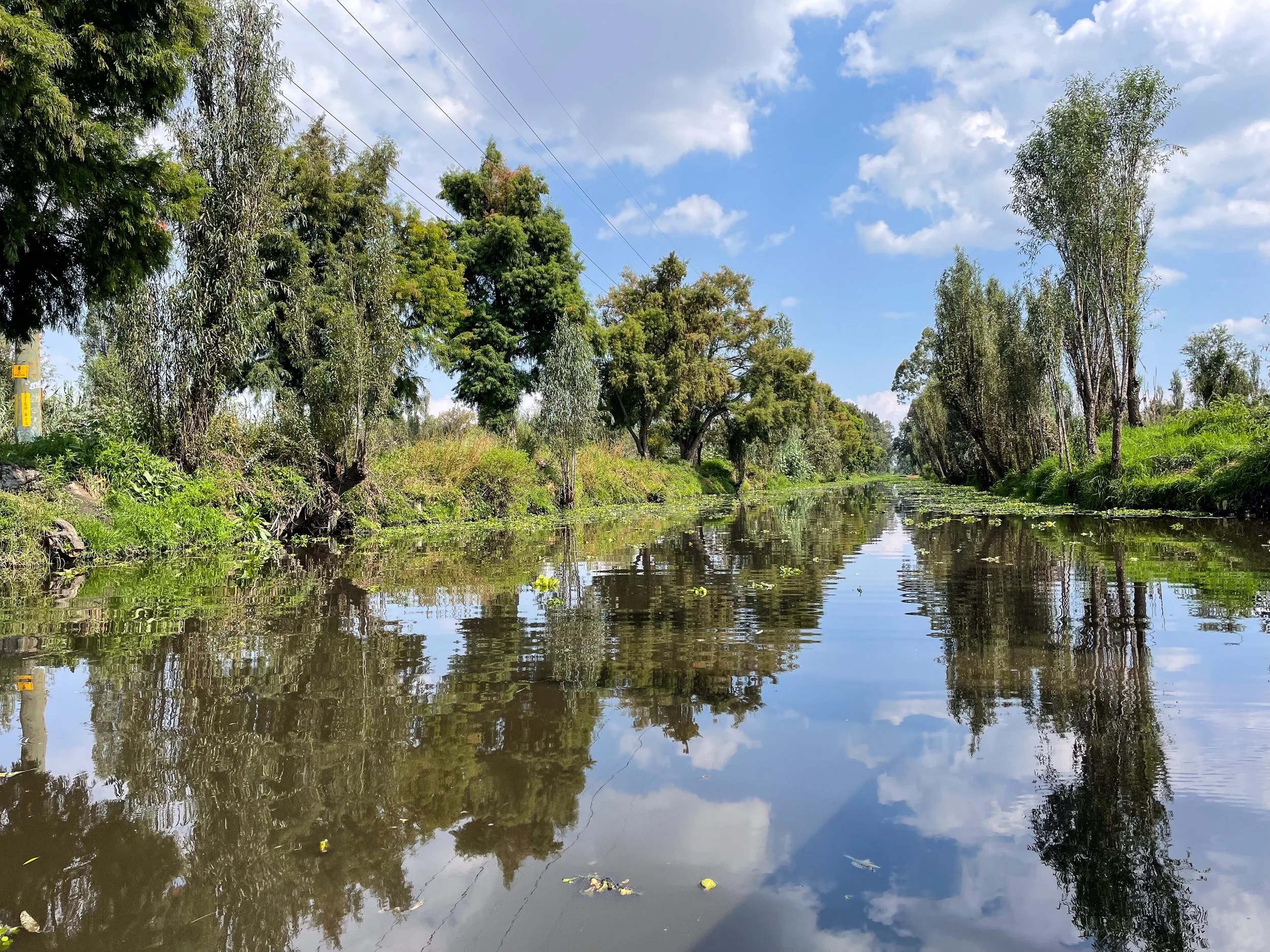
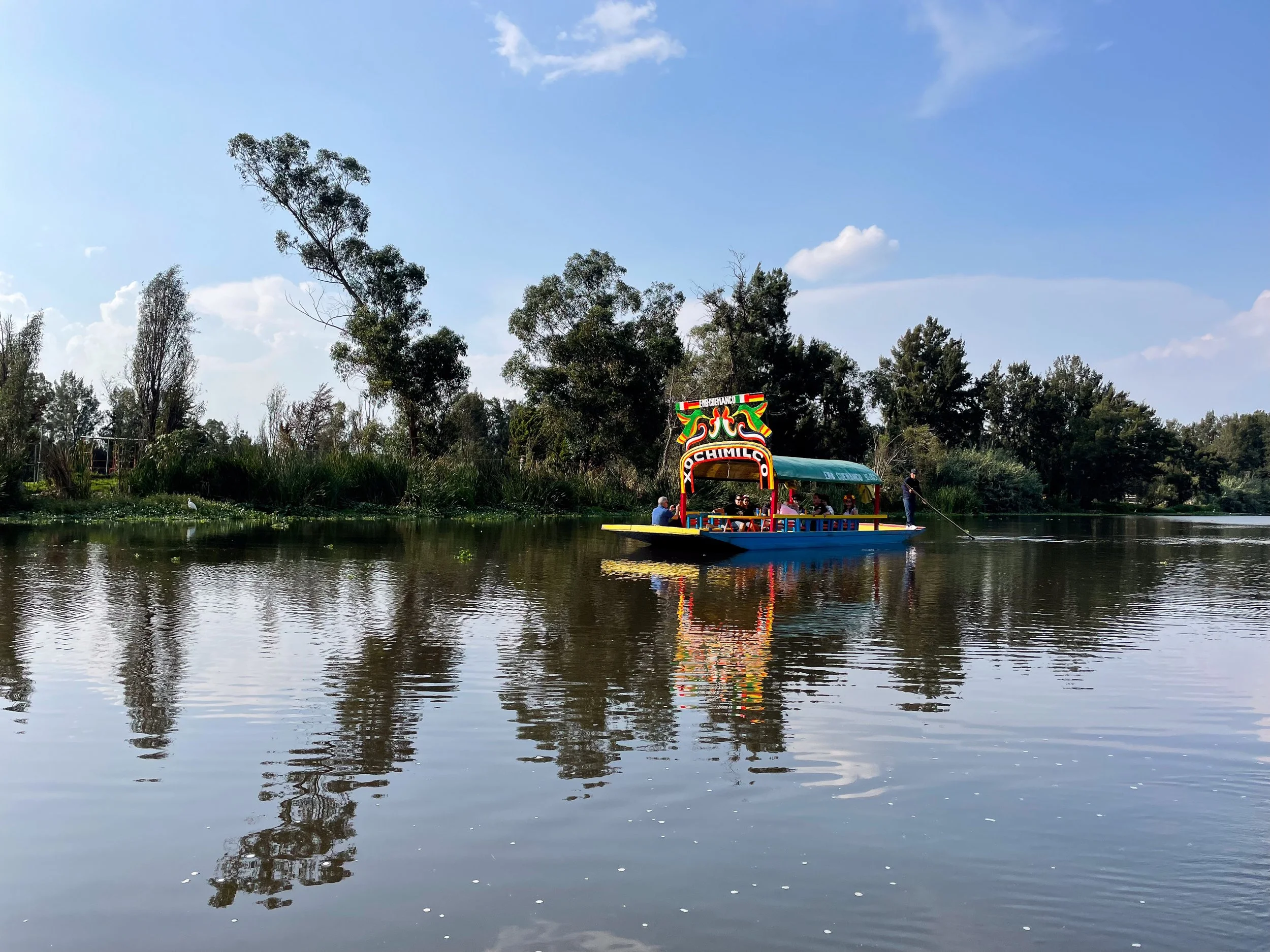
Xochimilco is an ancient Aztec canal system built around floating gardens. It’s best known today for its narrow waterways, colorful gondolas and lively atmosphere. The canals are a place to fiesta and enjoy a leisurely afternoon while learning about Aztec culture and the haunting legend of La Llorona.
A Fiesta on the Canals
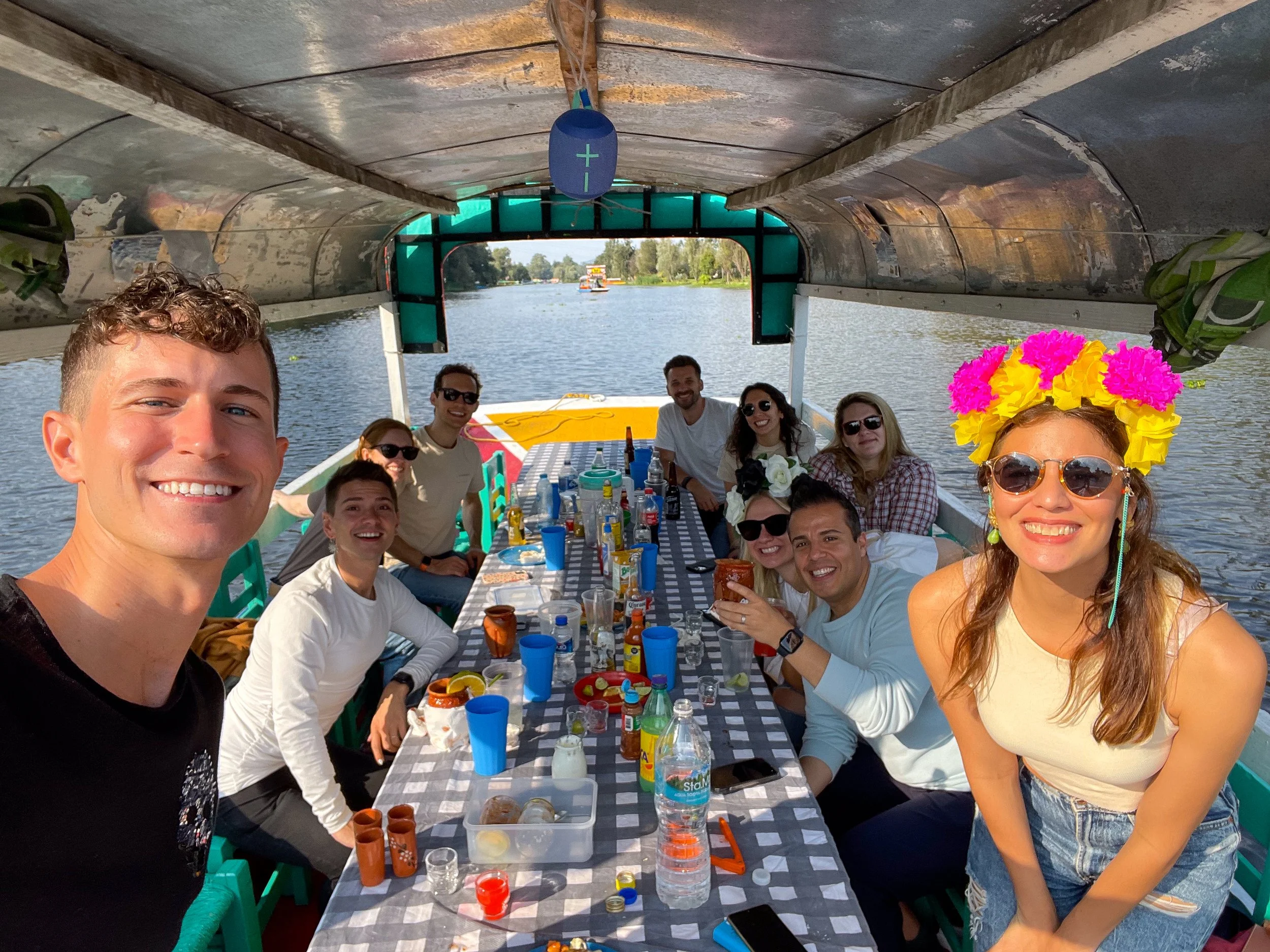
We started our tour at Embarcadero de Cuemanco, one of the main canals in Xochimilco. The canal was lined with dozens of colorful and vibrant gondolas, called Trajineras, and surrounded by a market of shops, restaurants and bars. Before embarking, we picked up cervezas and snacks for our journey. We then met our guide, Maria, at our Trajinera named Feliz Cumpleaños, fitting for Devin’s birthday. Maria and our rower were ready for us with snacks, music, mezcal and tequila!
Rest Stops along the Canals
As we set off, the rower gradually navigated us through the canals using a long wooden stick with occasional stops at various bars for cocktails and restroom breaks. We made 3 stops:
First at Don Pino, a bar and snack shop. We of course had margaritas.
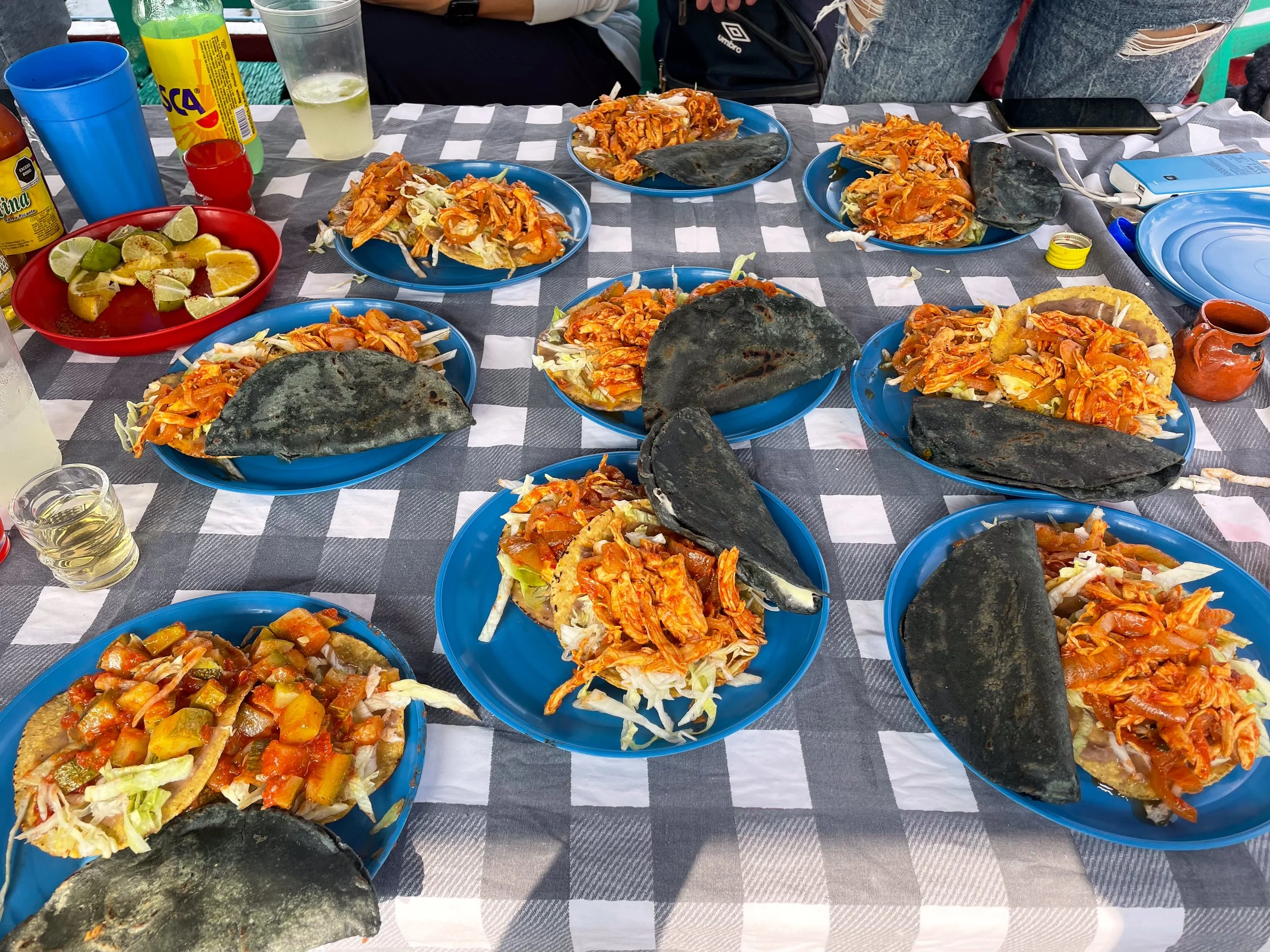
Second at Chinampa Onkali, where we saw axolotls (cute amphibious salamanders) and had lunch including blue corn quesadillas and tacos.
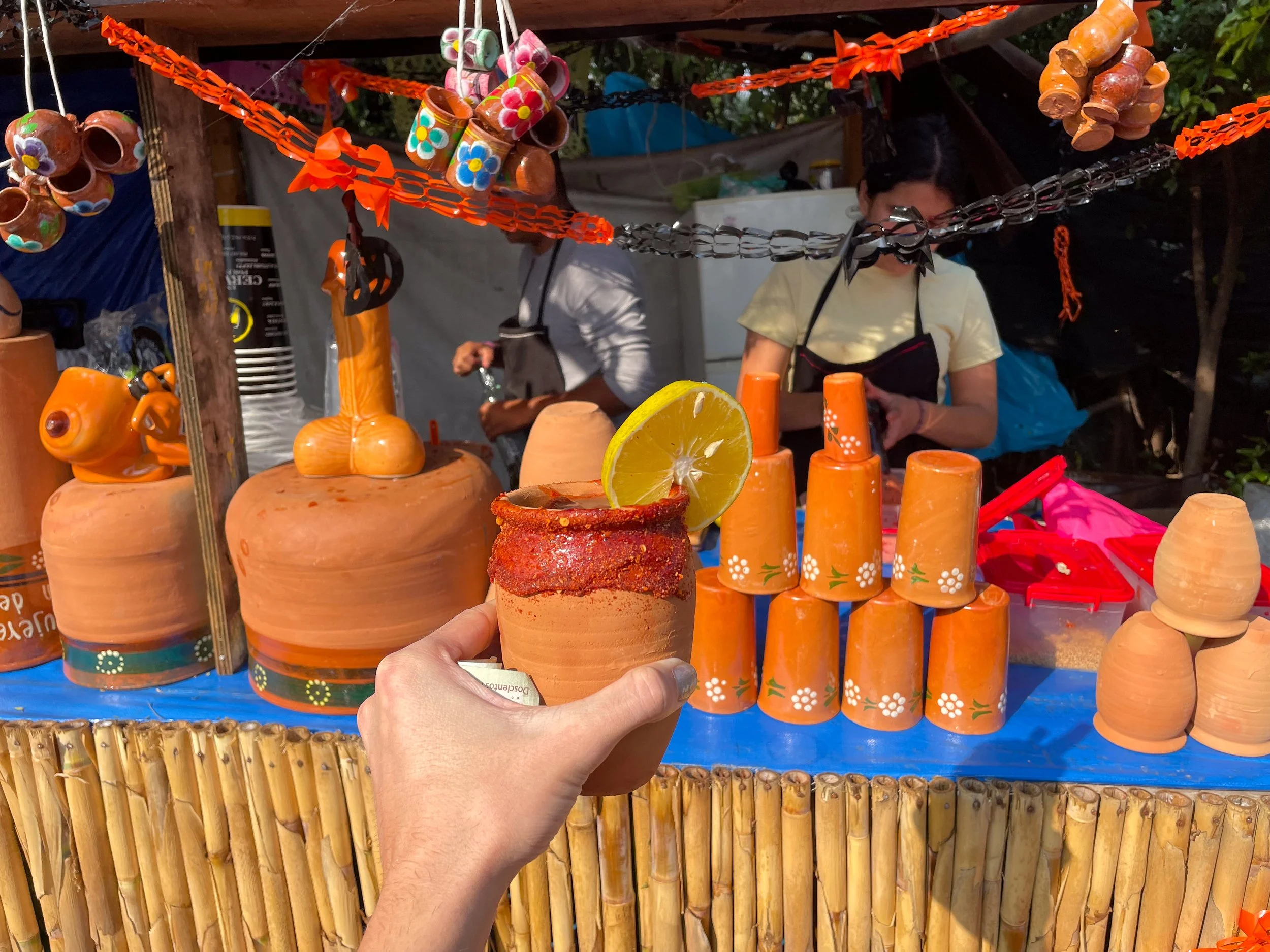
Third at Micheladas el Yogui, an excellent bar with cocktails and shots served in clay pottery. We even brought the pottery home.
Mezcal & Mariachis
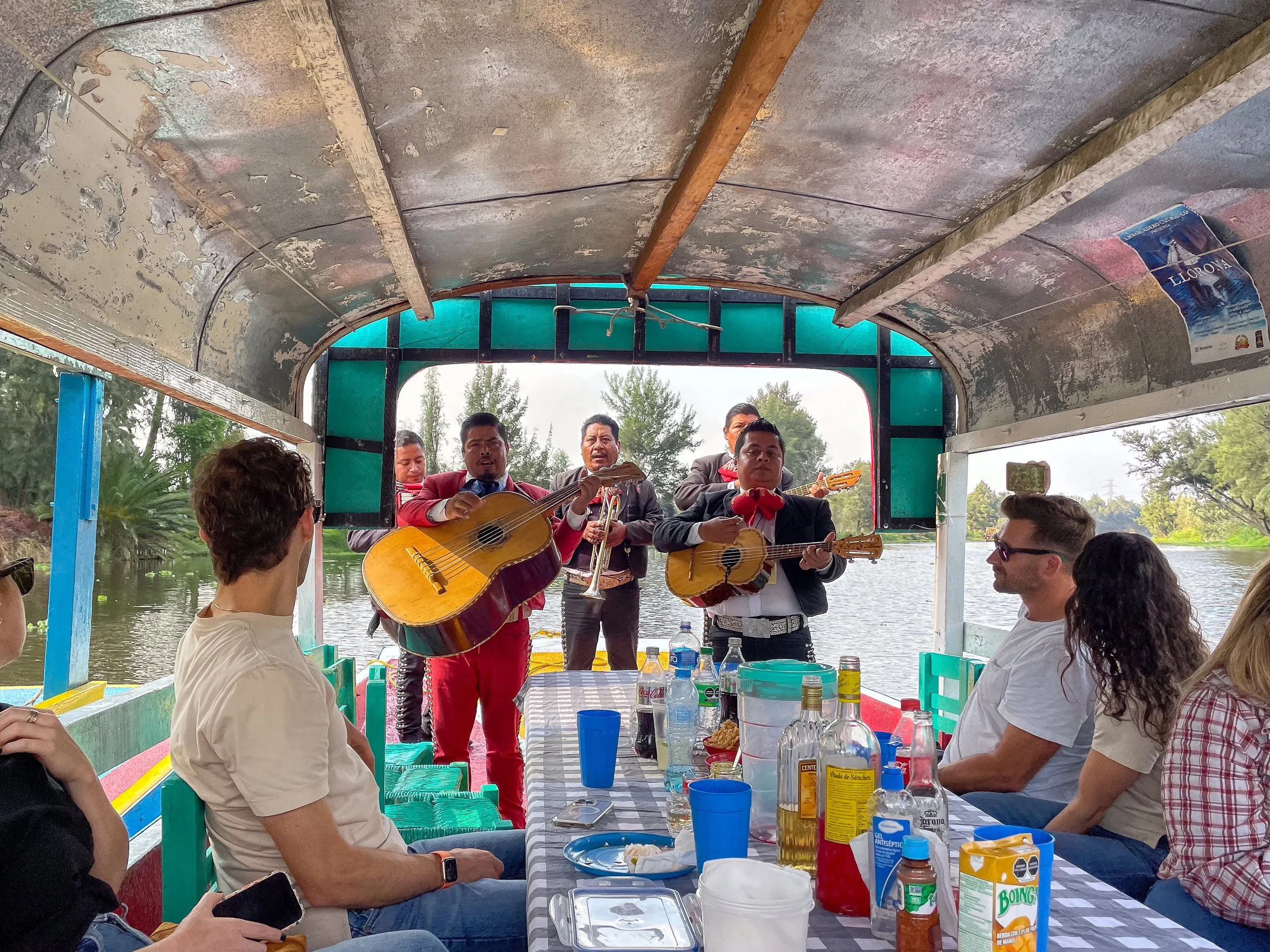
Throughout the tour, not only did we get a little tipsy but we got to see beautiful nature and learn about the Aztec history and construction of the canals. Our rower even let us try guiding the Trajinera! Maybe it was the alcohol but we soon after drifted off course. Towards the end, a Trajinera with a Mariachi band pulled up and serenaded our group with a few songs!
Tips for Visiting Xochimilco
Hire a Guide. Guides can be hired from any of the docks in Xochimilco, however wanting to be a part of a group, we booked ahead of time through Airbnb Experiences with several other travelers.
Pronunciation. Xochimilco is pronounced: So-Chee-Mill-Co.
Traffic. Plan for traffic if booking a tour. It took us an hour and a half to reach Xochimilco from La Roma.
Buy Snacks. Buy food and drink to enjoy on the boat from the nearby market. Timing. The best time to come is between 12-1pm when it’s busy and most festive. Plan to tour the canals for a minimum of 2 hours.
Cash Only. Everything in Xochimilco is cash only. This includes:
Cerveza: 20 Pesos
Cocktails: 50-100 Pesos
Bathrooms: 5-10 Pesos
Mariachi Band: 200-400 pesos (dependent on negotiation, quantity of songs and number of people on board)
Teotihuacán
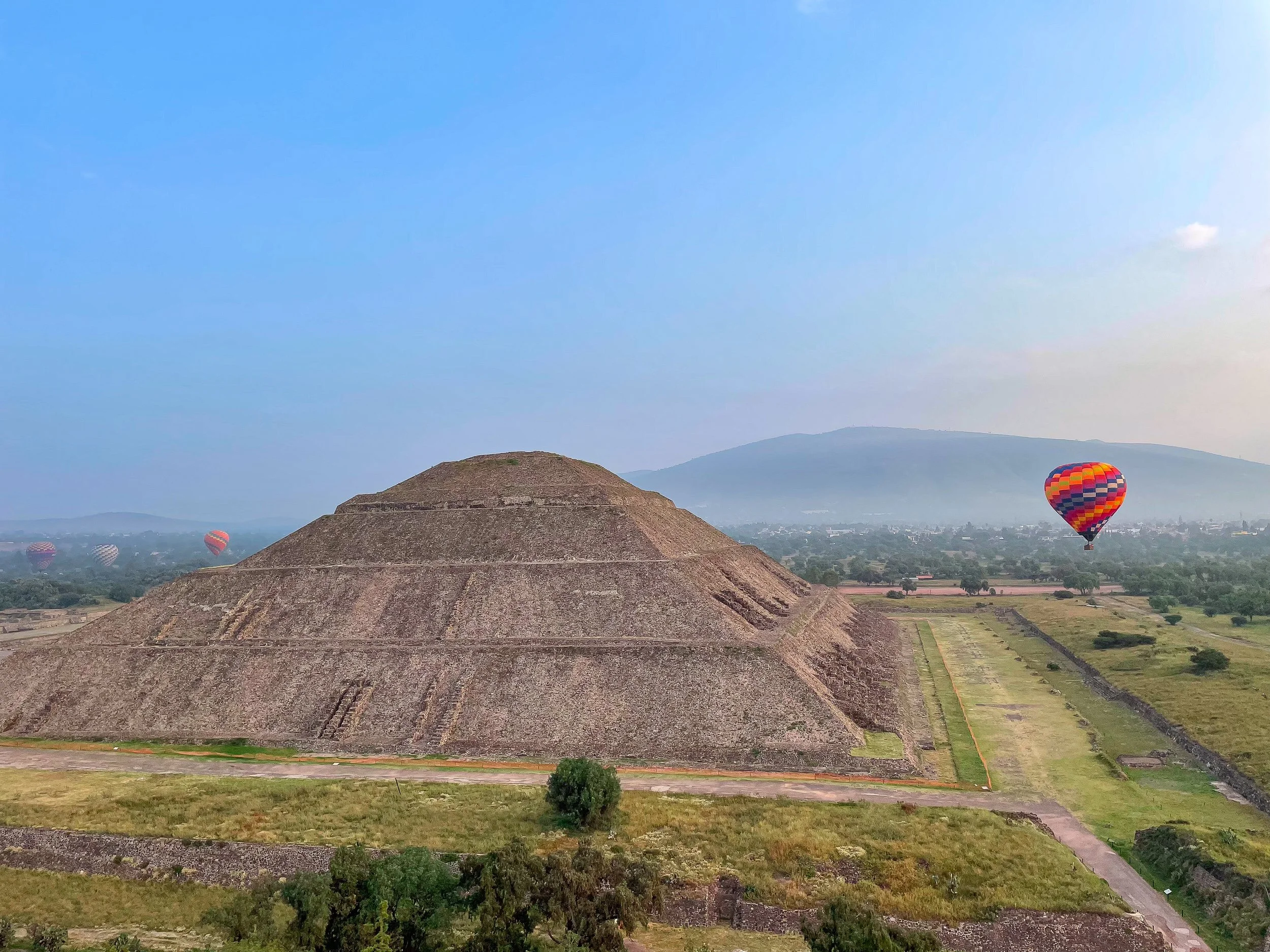
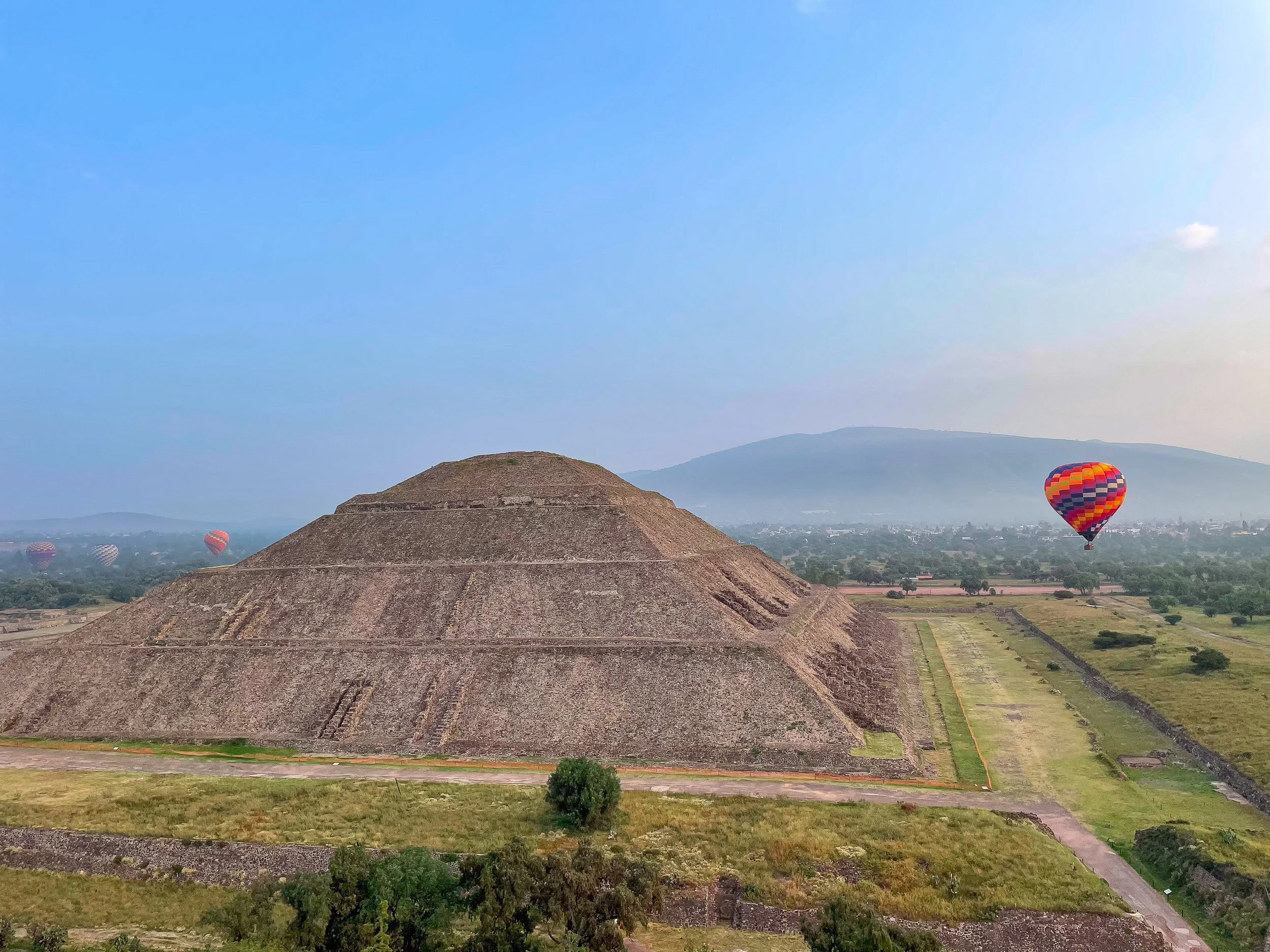
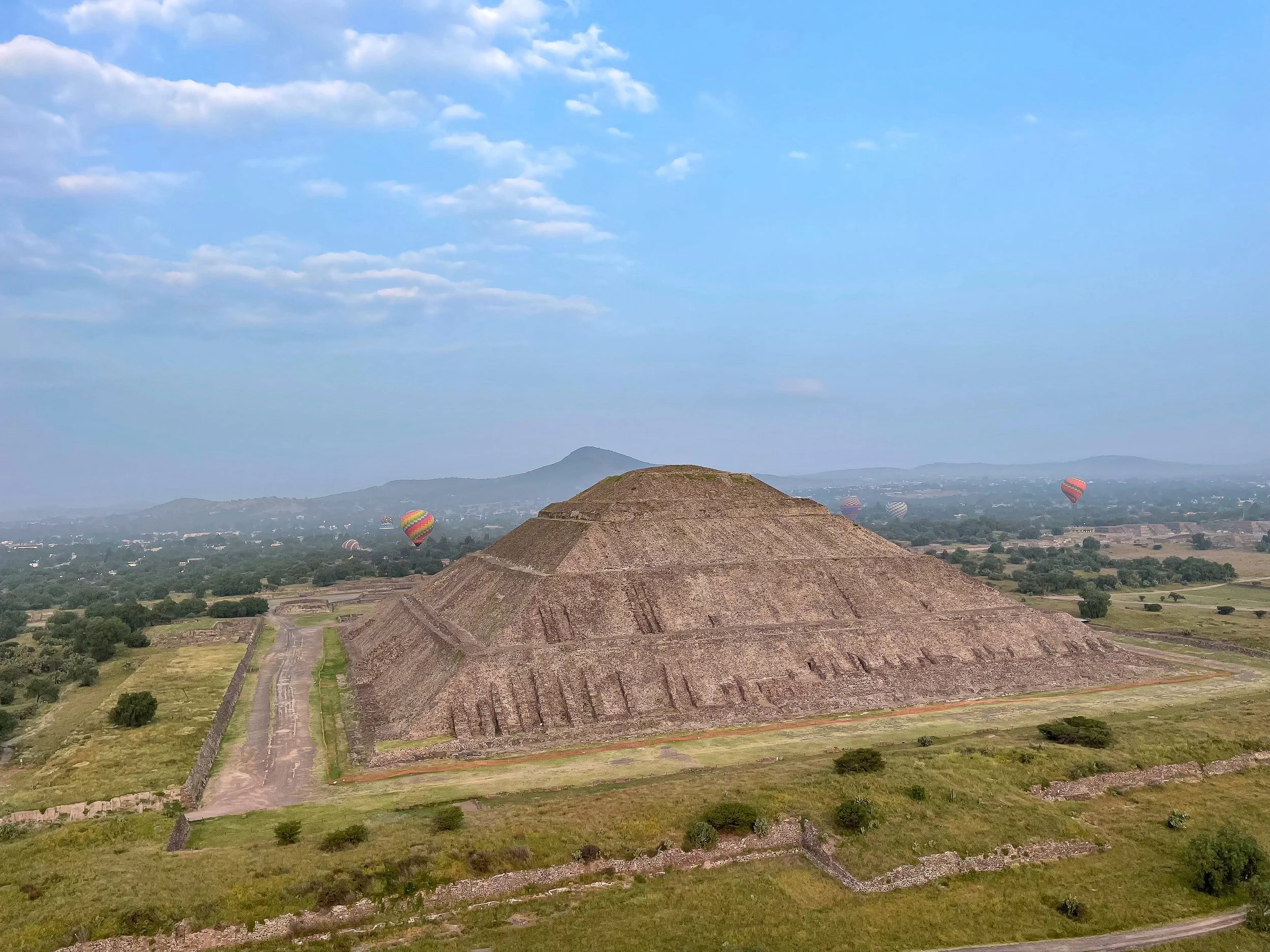
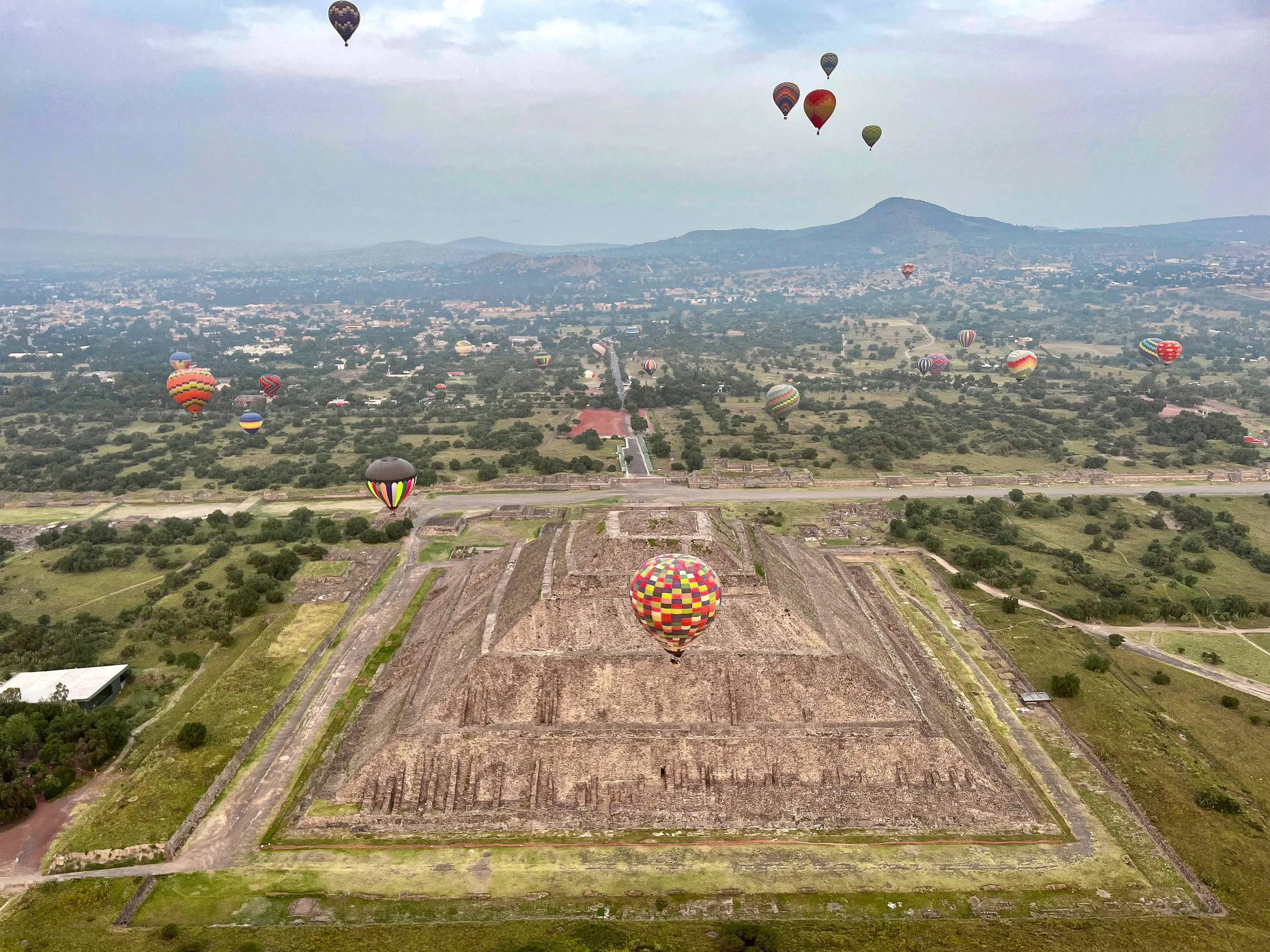
Teotihuacán is an ancient city with pyramids, ruins, murals and artifacts that predate the Aztecs by over 1,000 years. One of the most popular ways to view the ruins is by hot air ballooning overhead as the sunrises followed by exploring them on foot.
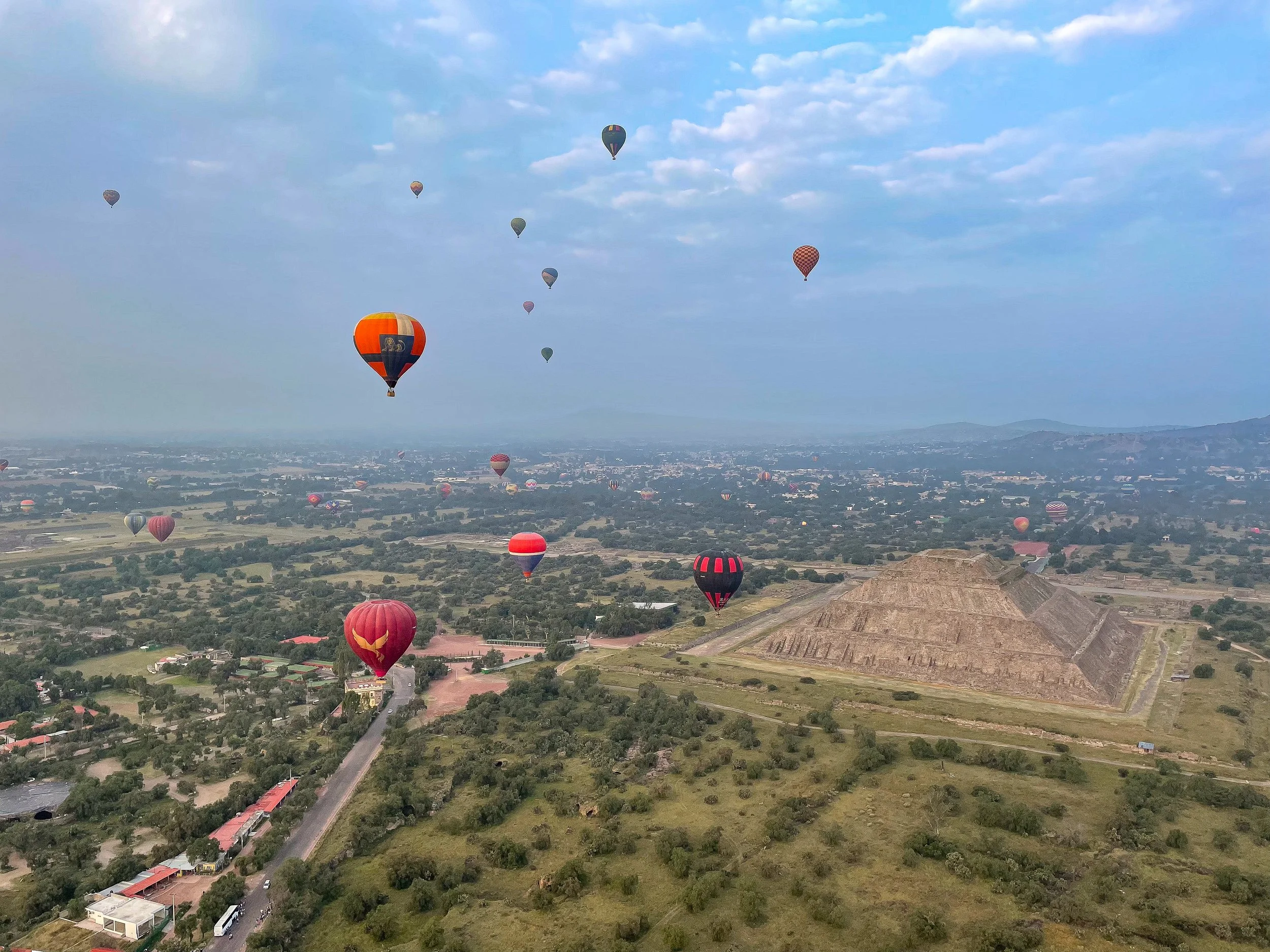
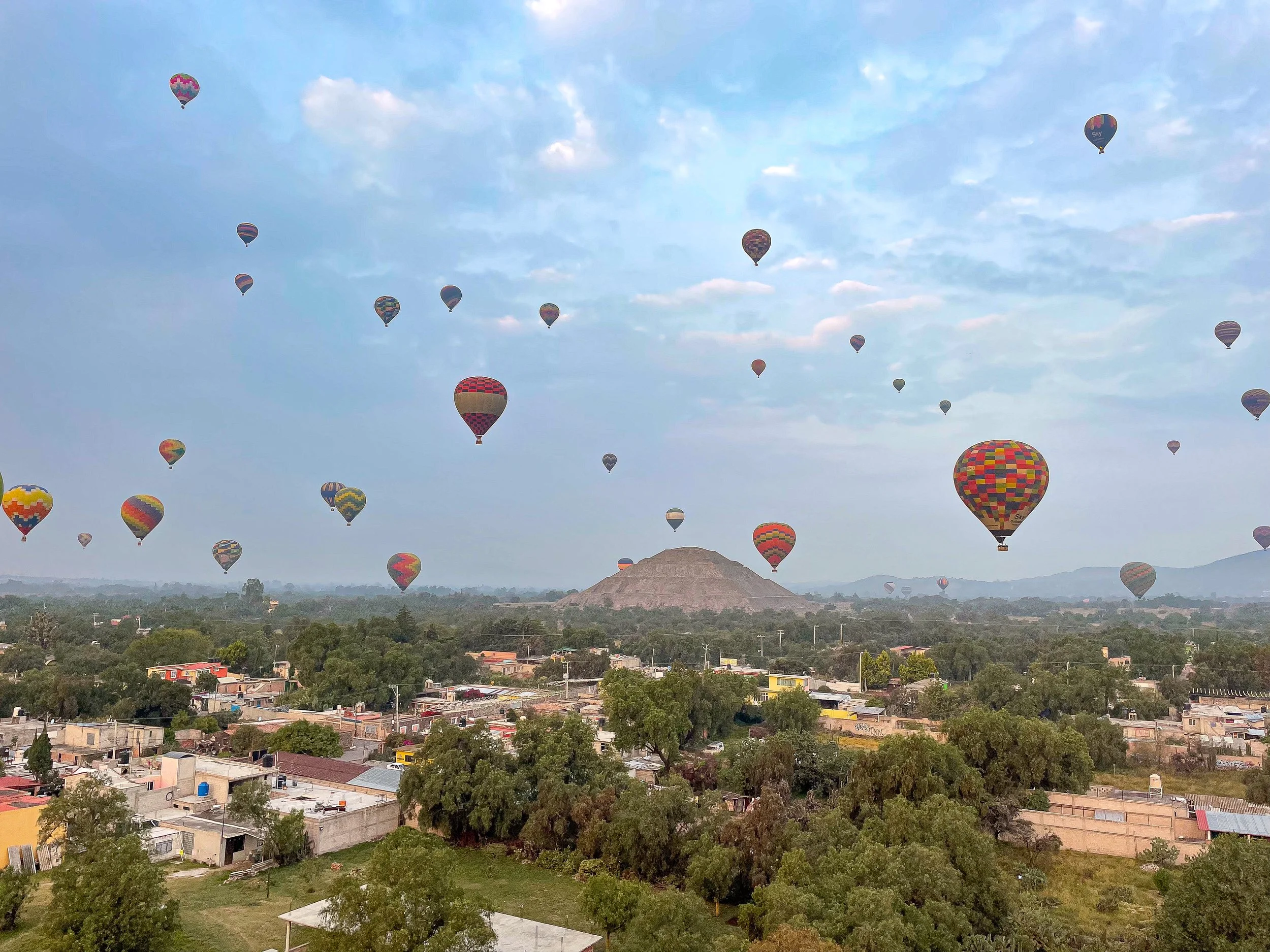
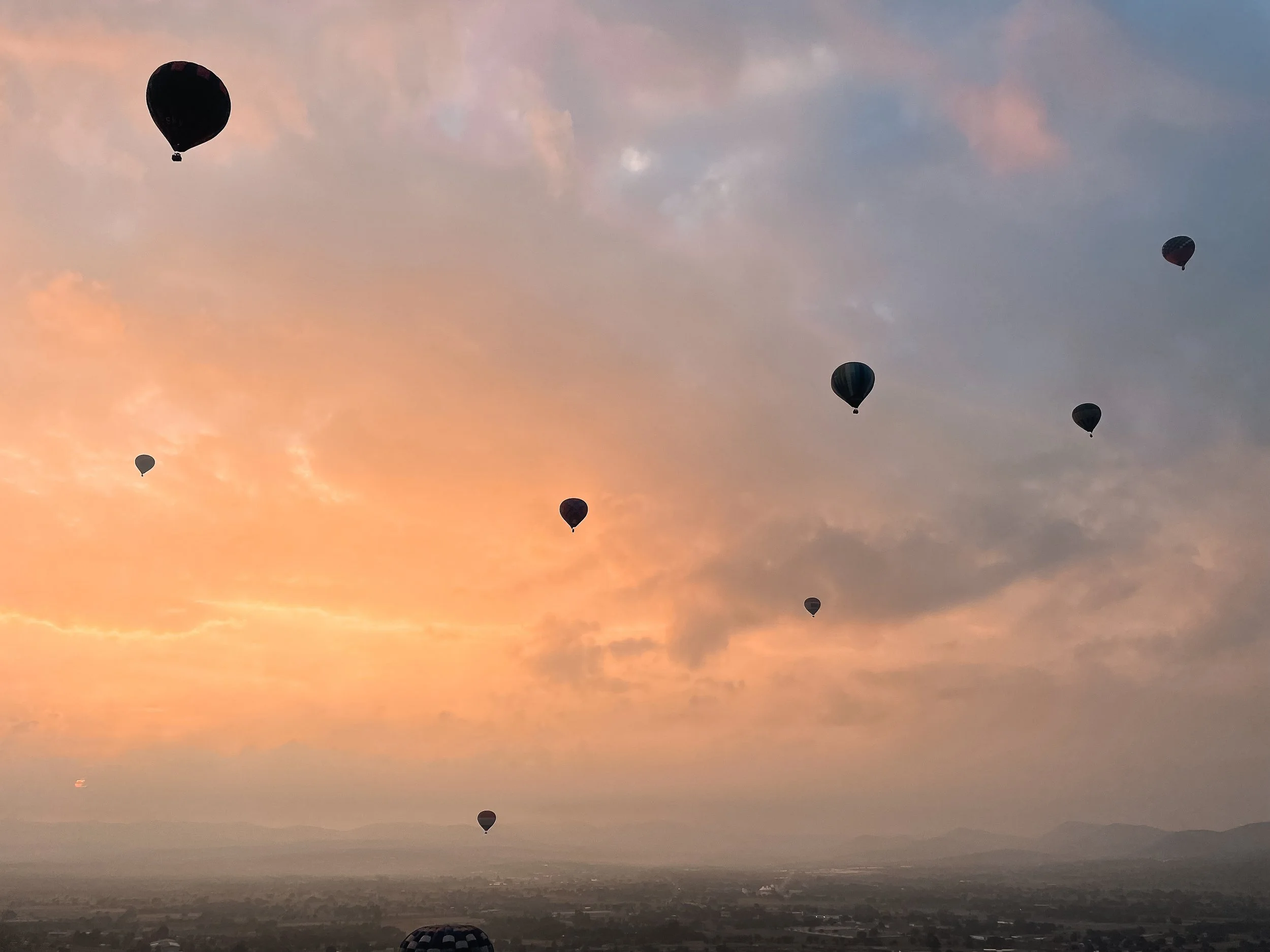
Sunrise Over Teotihuacán. We booked a sunrise hot air balloon tour from Mexico City to Teotihuacán, a longtime dream that began with a 4am pickup and an early arrival at Sky Balloons Mexico.While checking in, we sipped hot cocoa and watched dozens of vibrant balloons inflate and ignite in the dark. As dawn approached, balloons lifted off one by one. Soon after, we climbed into our basket, drifting gently upward as the sun rose over the hazy landscape, glowing like a brilliant balloon in the sky.
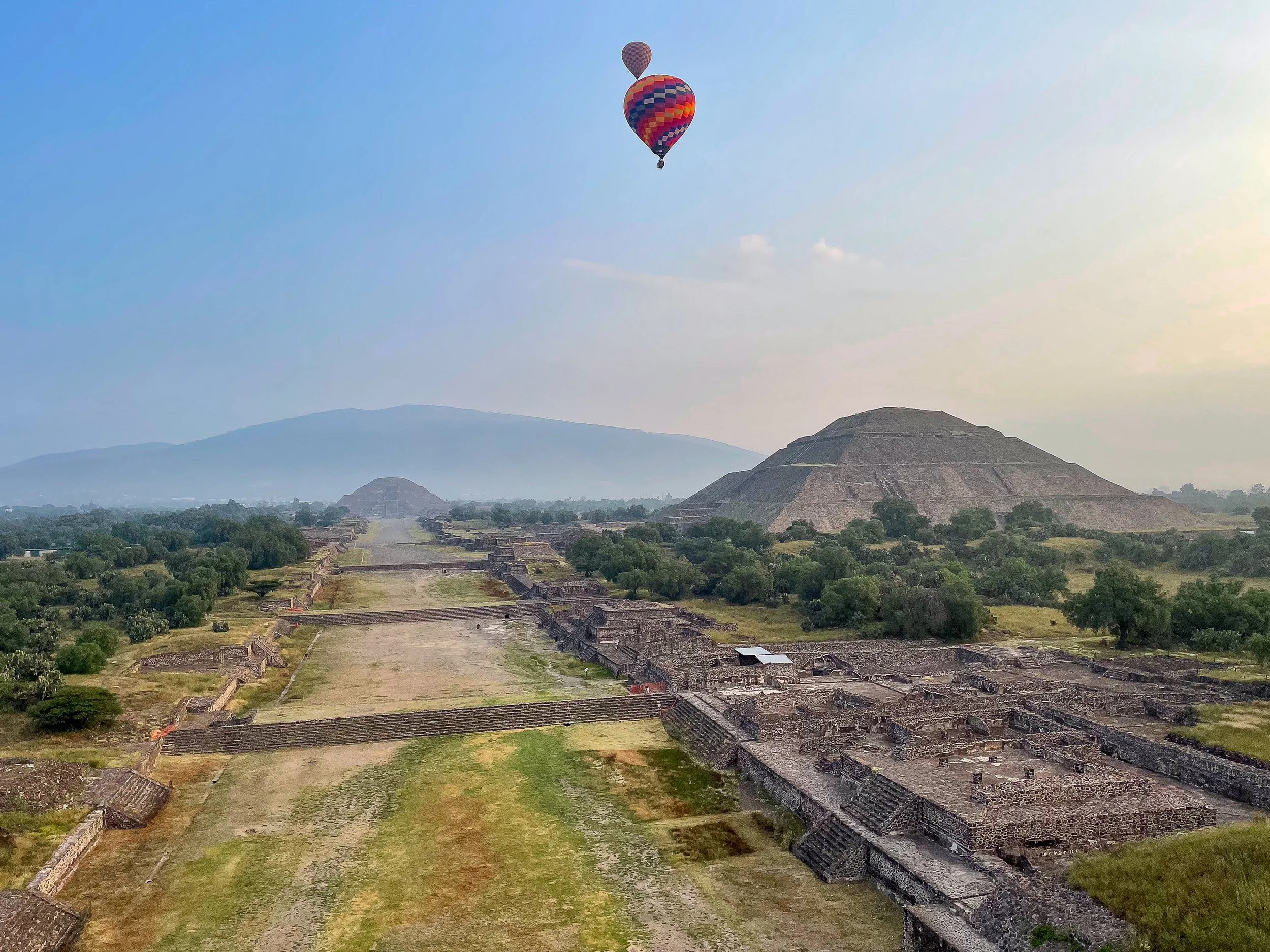
Ballooning Over Teotihuacán. Floating toward Teotihuacán, we shifted altitudes above the Pyramid of the Sun as colorful balloons filled the air. From above, the Avenue of the Dead and surrounding ruins slowly came into focus, entirely empty and eerily serene before the park opened. We descended over the avenue toward the Pyramid of the Moon and landed softly in a nearby field, celebrating with a champagne toast. Back on the ground, we enjoyed chilaquiles and tropical fruit while overlooking the ruins and balloons floating overhead.
Exploring Teotihuacán
There are many notable sights to see throughout the ancient city. We were able to explore several of them throughout our visit:
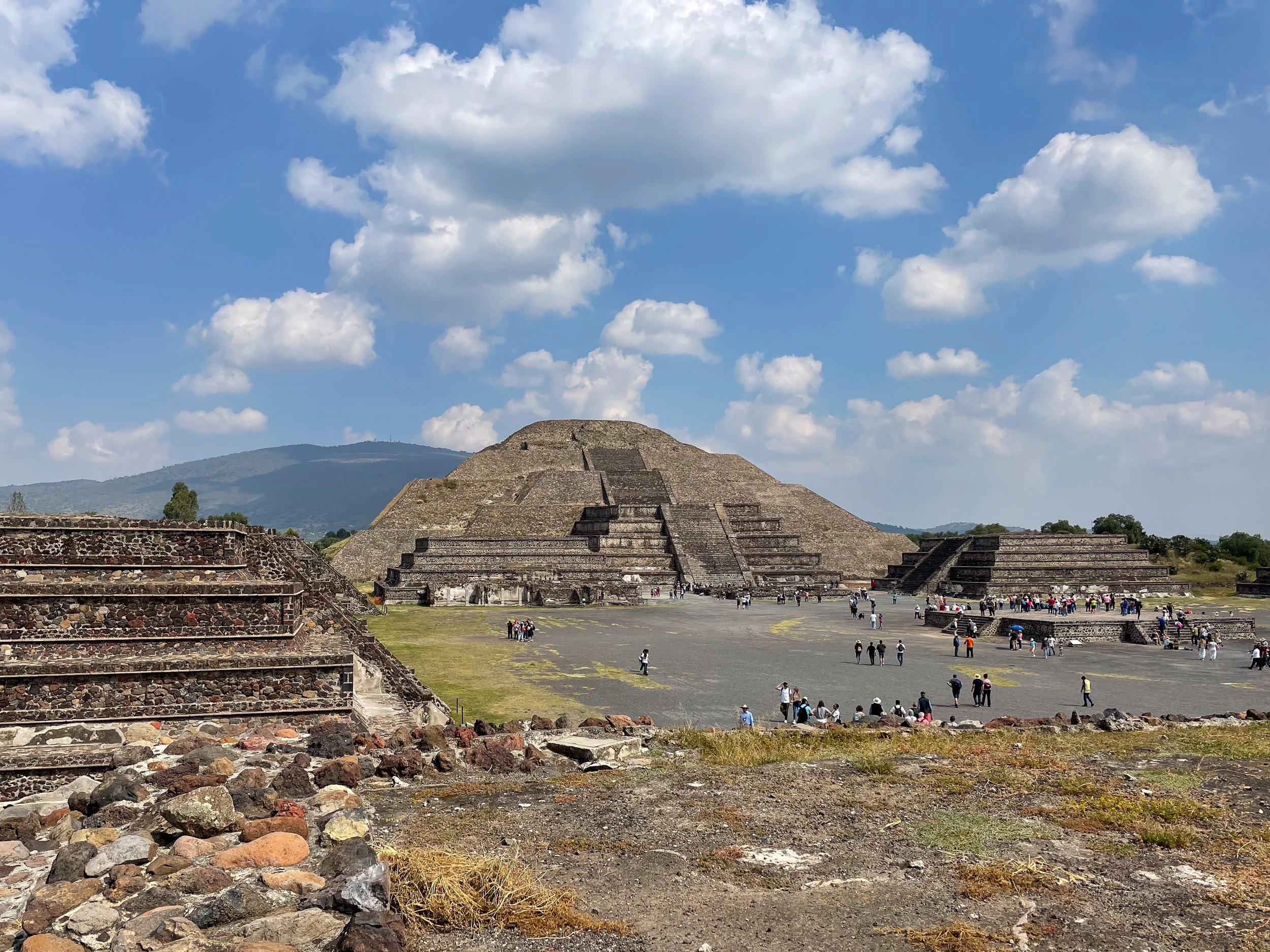
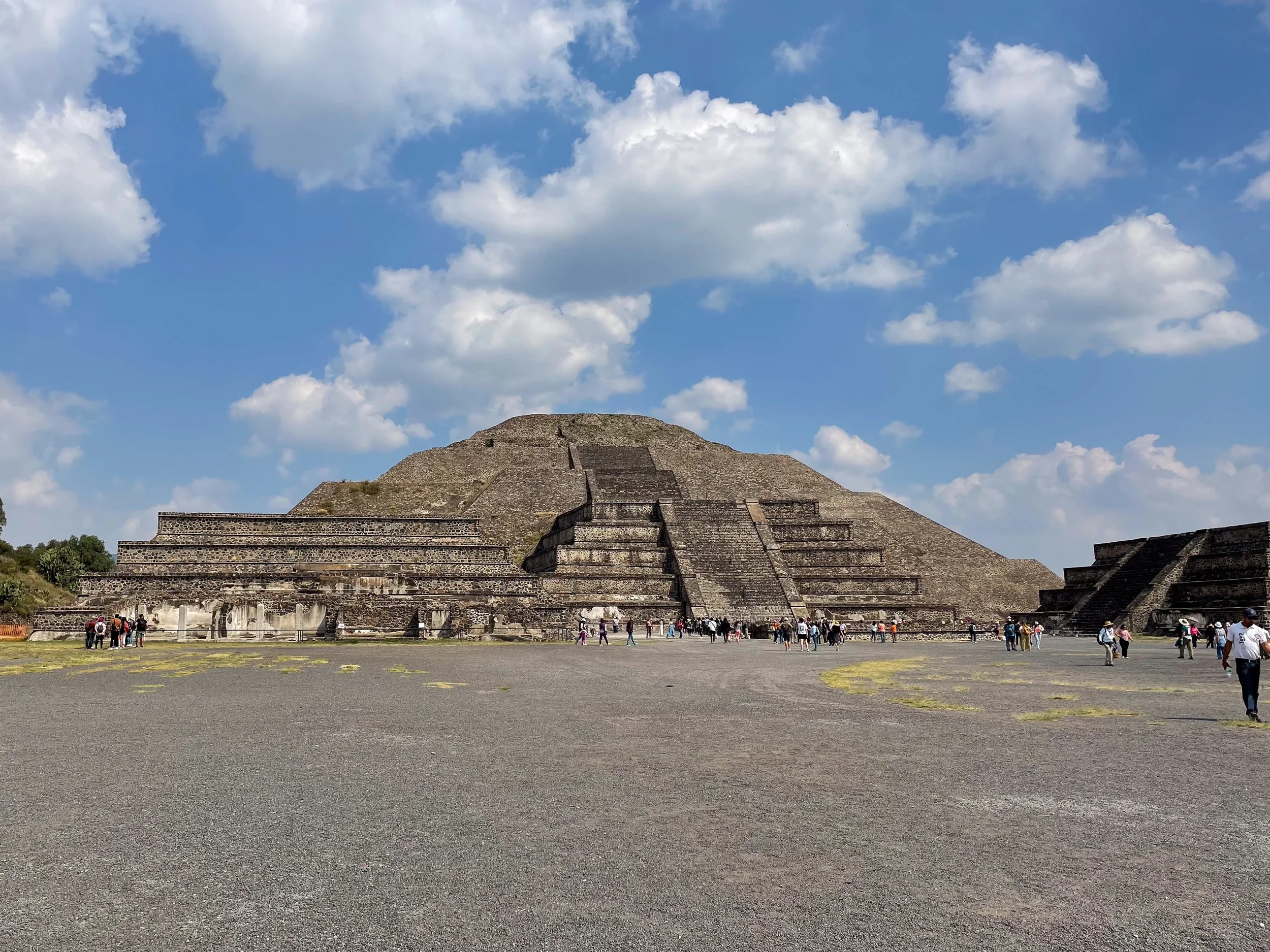
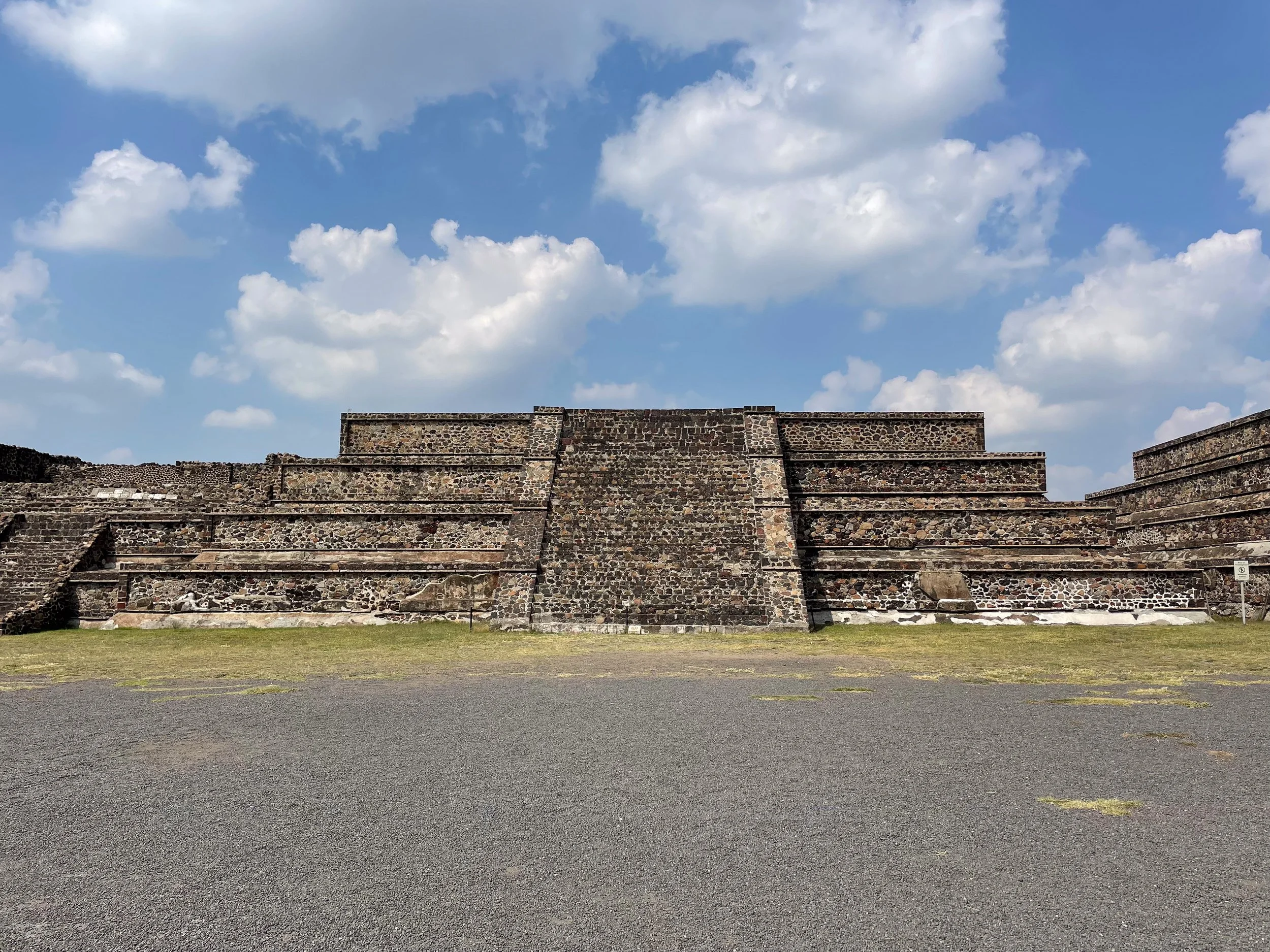
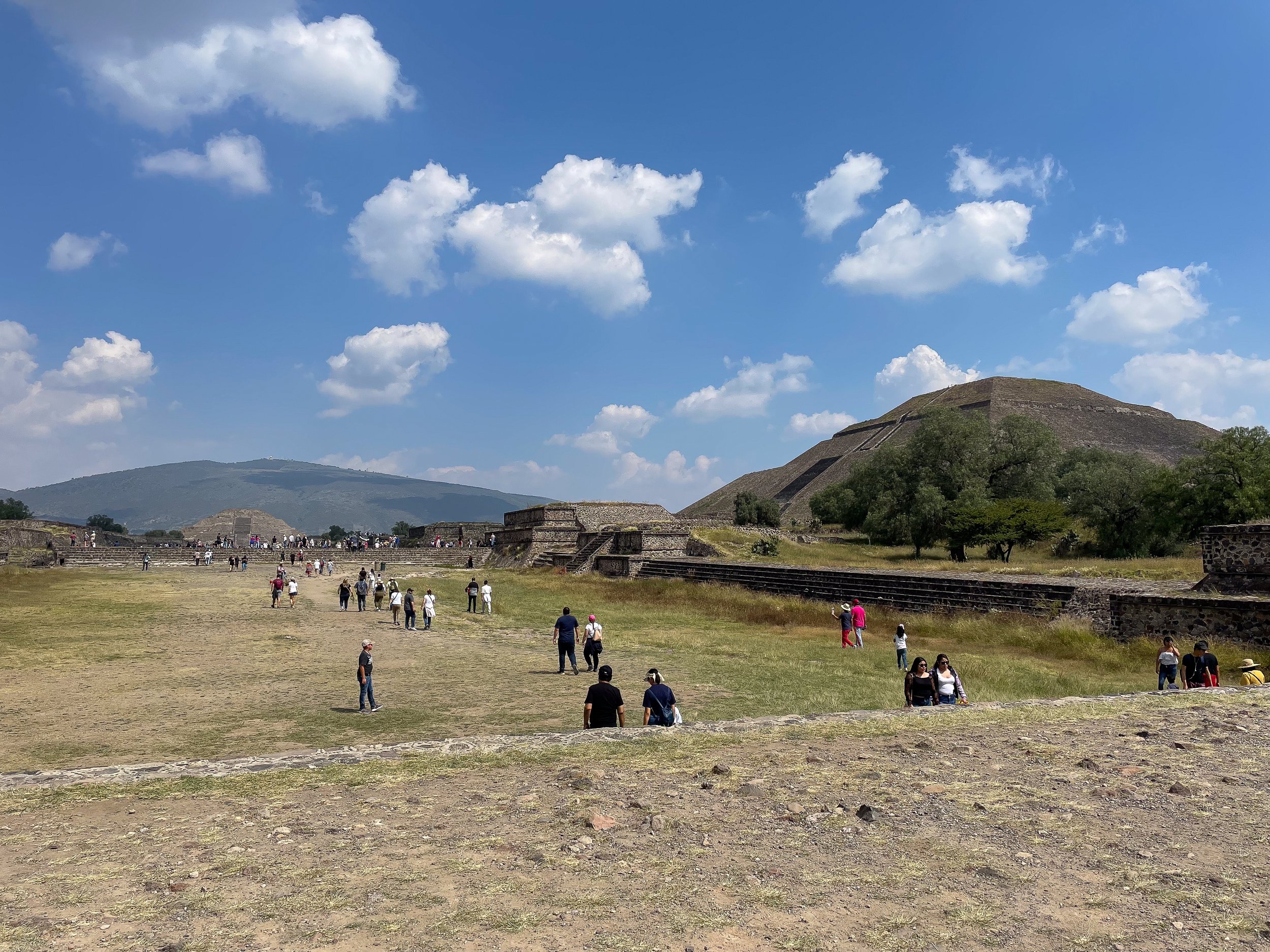
The Avenue of the Dead. A 1.5 mile long plaza flanked by the Pyramid of the Sun and the Pyramid of the Moon as well as many smaller pyramids and stone platforms. Many vendors line up selling obsidian sculptures, howling noise makers and other items.
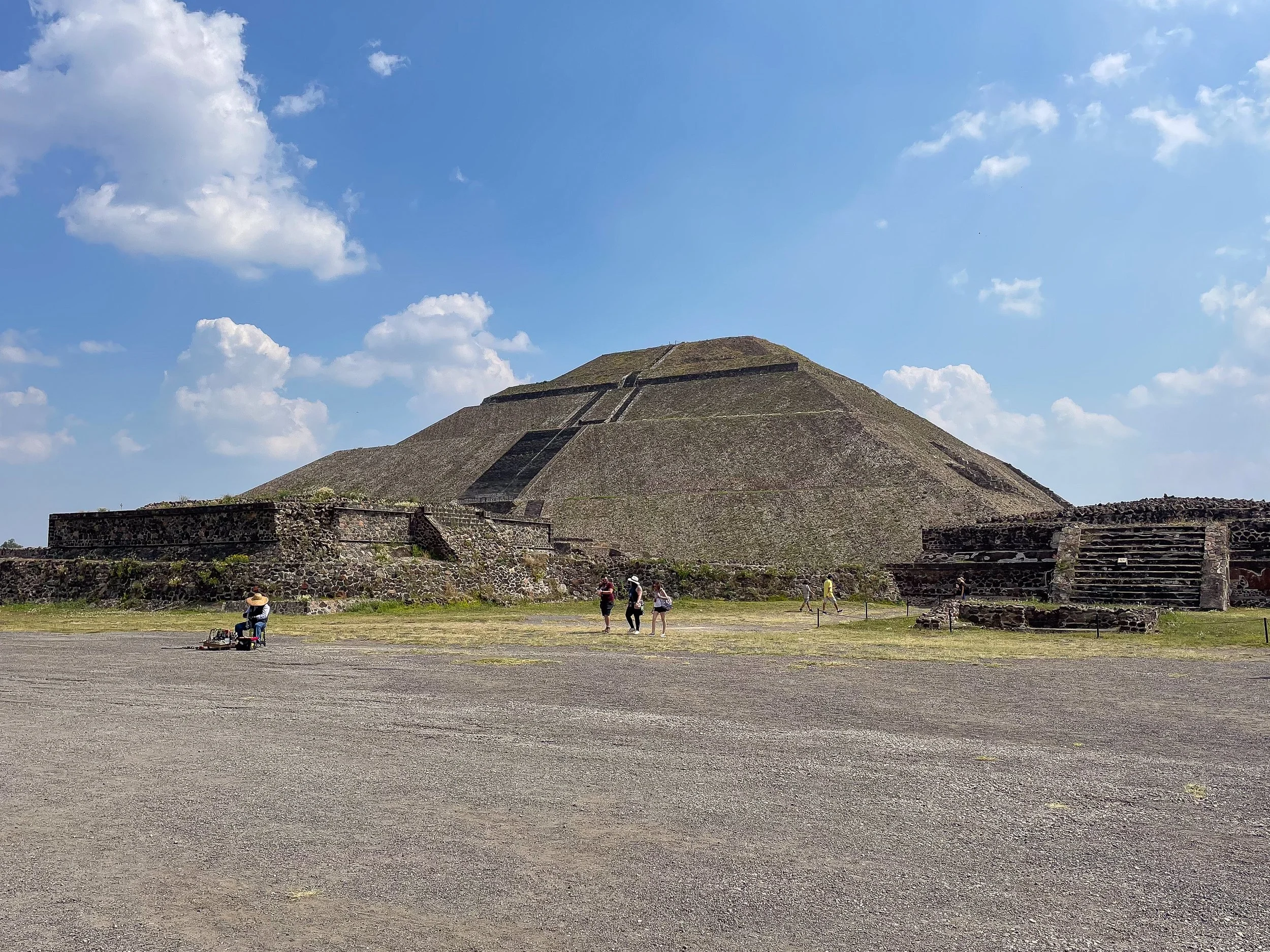
The Pyramid of the Sun. The largest pyramid at Teotihuacán located along the center of the Avenue of the Dead. It faces west overlooking the north and south ends of the avenue.
The Pyramid of the Moon. The second largest pyramid at Teotihuacán located at the north end of The Avenue of the Dead. It faces south looking down the entire avenue.
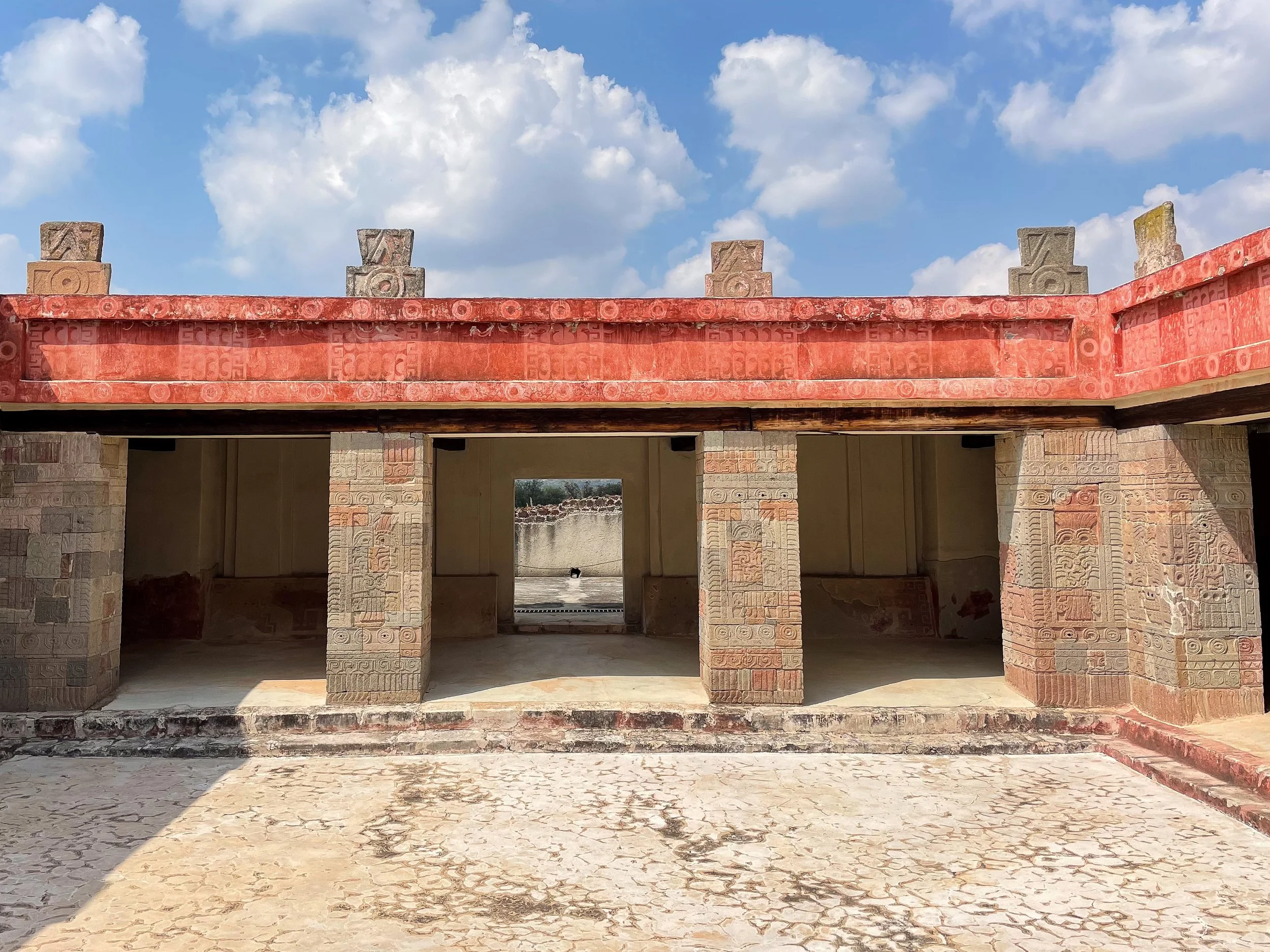
Palacio de Quetzalpapaloti. A well preserved palace with stone carvings, painted walls and ruins of ancient rooms.
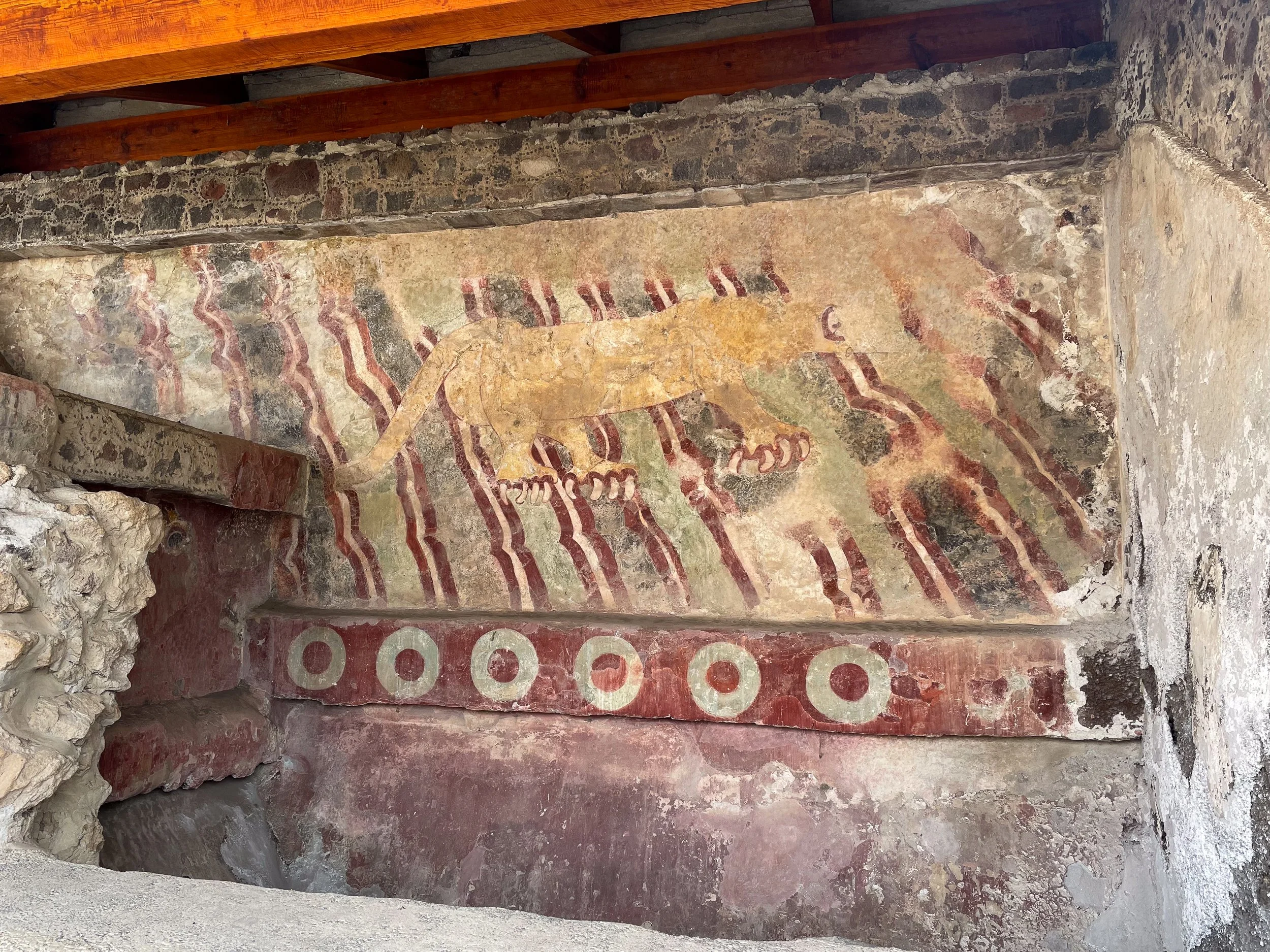
Mural del Puma. A well preserved mural of a cougar on the east side of the Avenue of the Dead halfway between the pyramids of the sun and moon.
Plaza Oeste. A plaza along the south west end of the Avenue of the Dead with underground layers of a stepped pyramid, serpent heads and ruins of multiple temple buildings.
Tips for Visiting Teotihuacán
Getting Here. Teotihuacán is 1 hour 30 minutes from Mexico City. The best way to get here is with a tour group or by renting a car. The advantage of booking with a tour group is that it takes away the hassle of transportation; the disadvantage is that your time is limited. We booked on Get Your Guide.
Wear Layers. It’s chilly when arriving before sunrise but quickly heats up during the afternoon.
Climbing. The pyramids have been closed for climbing on since 2020.
Mexican Cuisine
Mexican cuisine is one of our favorites in the world. While in Mexico City, we made sure to try as many authentic dishes and flavors as we could.
Chapulines. Crispy fried grasshoppers. We had them on tacos, as a garnish to dishes, in bars mixed with peanuts and saw them sold in barrels as snacks with a squeeze of lime.
Tlayudas. A cracker thin tortilla topped with various garnishes. Our favorite was from a street vendor in Zócalo Square. It was spread with refried beans and topped with nopales, Oaxacan cheese and hot sauce.
Gordita. Thick corn masa tortillas cooked until puffy, cut open and stuffed with filling. We ordered them from a street vendor on Paseo de la Reforma who stuffed them with beans, cheese and salsa.
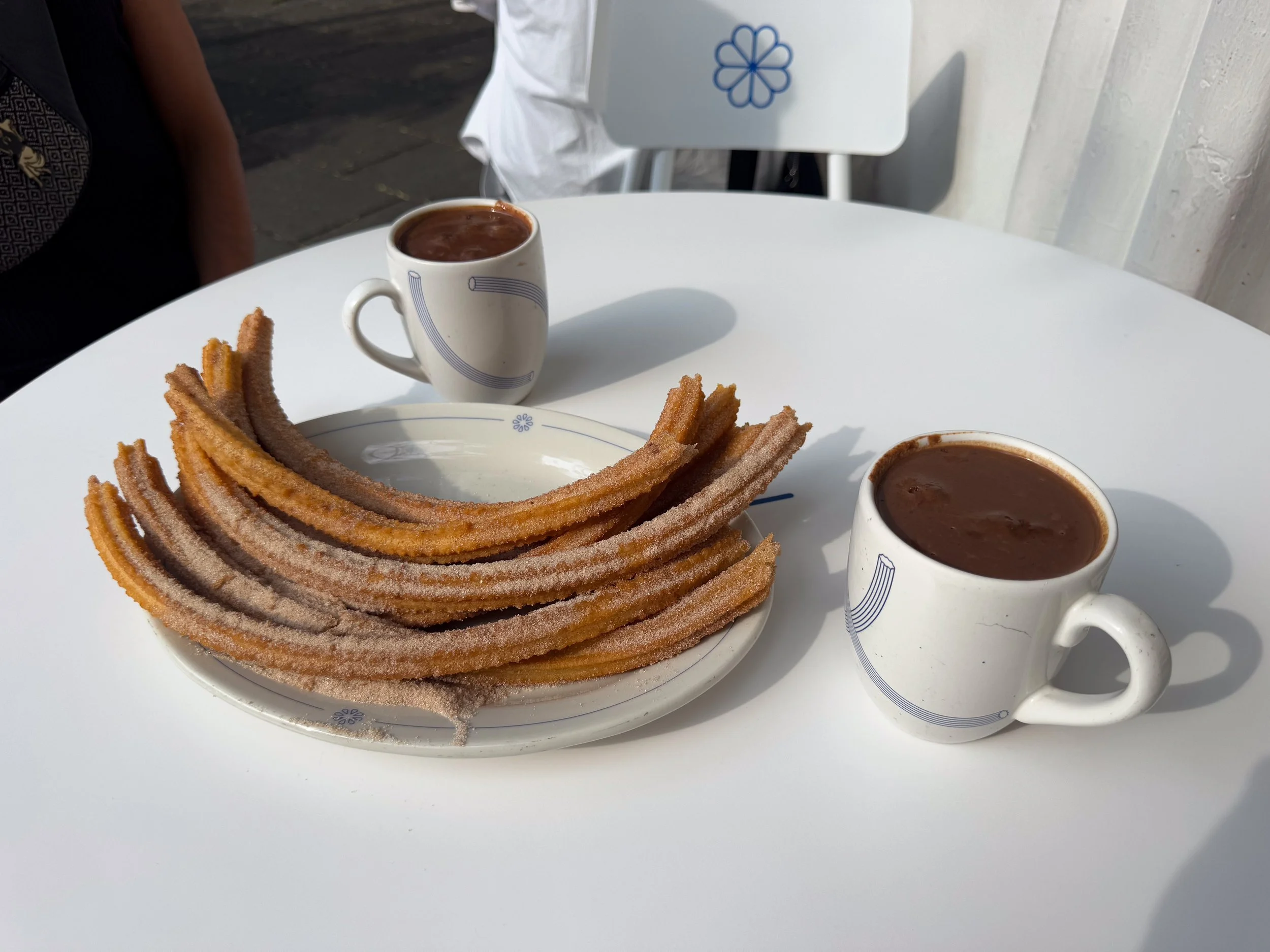
Churros. Fried sticks of ridged dough covered in cinnamon sugar and served with dulce de leche, chocolate sauce or sweeten condensed milk.
Molcajete. A traditional stone mortar heated over fire and filled with protein like steak, chicken or chorizo. In our case, seitan, tofu or shrimp. The protein is topped with salsa, radish, avocado, cheese and draped in grilled nopales.
Chilaquiles. Fried corn tortillas simmered in salsa verde or salsa rojo and topped with fried eggs, avocado, onion, cheese, cream and cilantro.
Mole. One of Mexico’s most famous and traditional sauces. It’s typically dark brown and made from a mixture of chili peppers, nuts, dried fruits and spices like cinnamon, star anise and cumin. We had this over cheese enchiladas in Coyoacan.
Café de Olla. Coffee brewed with cinnamon and star anise. It’s typically sweetened with raw cane sugar and served in a clay mug.
Tequila. The famous liquor made from the sap of the blue agave cactus. We tried it neat and in cocktails.
Mezcal. A smoky version of tequila. Drink it neat from a prayer candle vase typically seen in churches.
Pulque. A yeasty and fermented drink made in the dying core of the agave cactus.
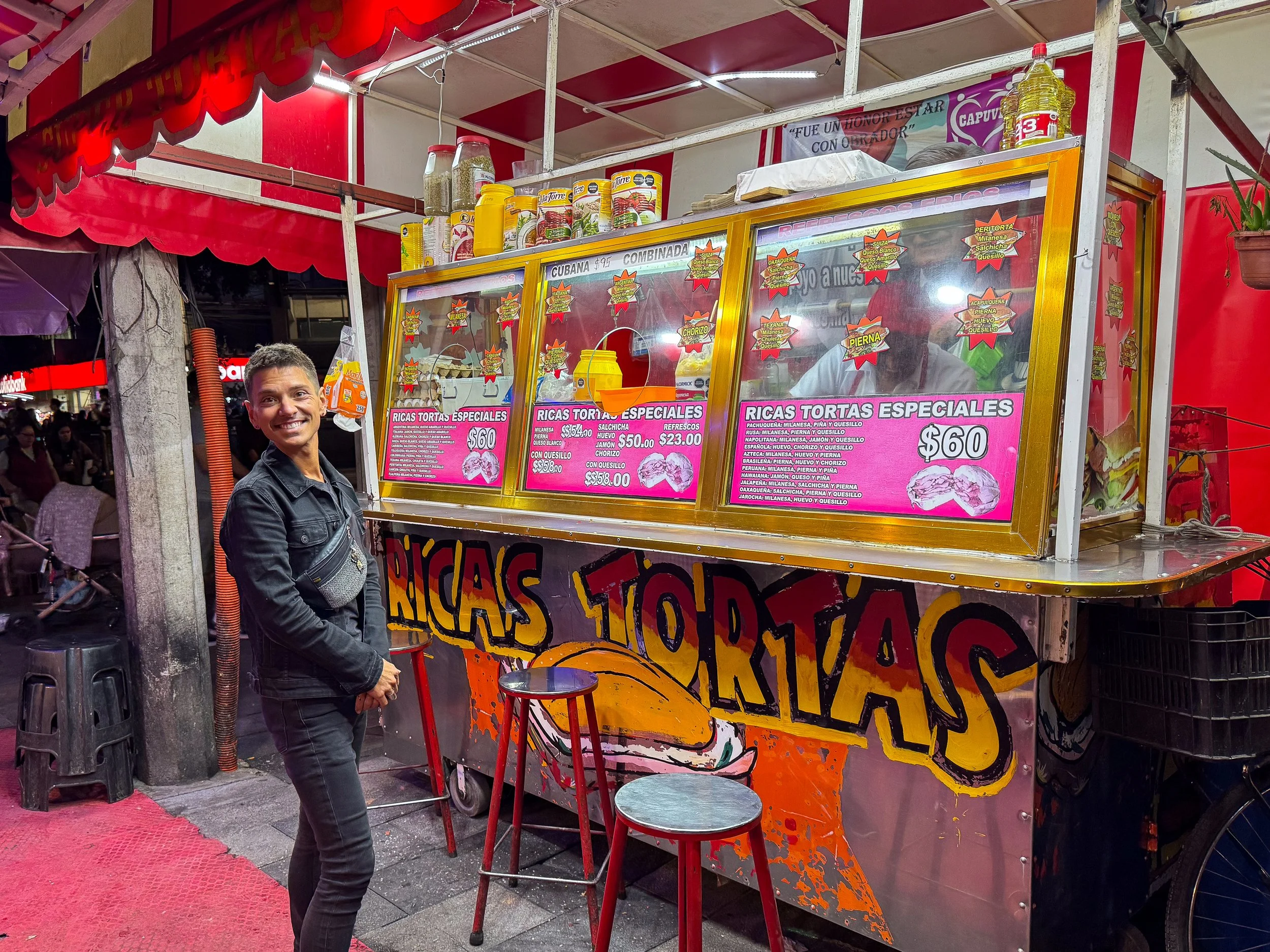
Places to Eat & Drink
We ate and drank at a range of restaurants, cafes and bars across the city, enjoying Mexican cuisine, cocktails, snacks and street food.
Café de Tacuba. An elevated restaurant in the Centro Historico popular amongst locals. Stop in for mid afternoon coffees and fresh pastries.
SOM. A cocktail bar with exclusively Mexican spirits like mezcal, tequila and pulque. We ordered the piñacati & pulquerita.
Matuche. A mezcal bar with mezcals from all across Mexico. Order a flight to sip on or let the bartender make recommendations.
Tlachiquero. A dive bar specializing in mezcal. Join locals in sipping on mezcal from miniature clay jugs and bowls garnished with tajin and orange slices.
Taqueria Orinoco. A popular taqueria for a Mexico City staple, midnight tacos! Open until the early morning hours, we stopped in late at night after a few drinks for avocado tacos and cheese quesadillas accompanied by a spread of salsas. The food is simple, delicious and inexpensive.
Churrería el Moro. A cafe on the corner of Parque Mexico serving churros and chocolaty drinks. Order the warm “Español” for dipping or cold “Mexicano” for sipping.
Pasillo de Humo. A restaurant serving traditional Oaxacan cuisine including: smoky homemade salsas, charred tortillas, cricket tacos, a caramelized pumpkin dessert and a cart with a variety of mezcals.
Fonda Fina. We came here for Devin’s birthday dinner. The restaurant makes classic Mexican dishes with a contemporary twist and creative cocktails.
Veganion. A fully vegan restaurant offering Mexican staples traditionally made with meat like a molcajete, tacos al pastor, carne asada and a sope.
Restaurant Ave Maria. A higher end restaurant serving classic Mexican meals like enchiladas in mole, chile relleno with queso and tres leches served on traditional clay dishes.
Los Danzantes. Oaxacan style and traditional Mexican dishes, located in Coyoacán.
Degú Condesa. A brunch spot with bold coffee and dishes with Mexican flavor like scrambled eggs cooked in salsa verde or a grilled nopal with a fried egg surrounded by a poblano crema sauce.
Chiquitito Café. We learned about this cafe from a Duolingo Podcaston Mexico City. It’s a dog friendly cafe with a range of light pastries, breads and coffee.
Tips for Dining Out
Reservations. Make reservations at restaurants ahead of time to guarantee a spot.
Tipping. Tipping 10% is standard. Tip anything more for exceptional service.
Cash. Carry cash, especially for street food and at the markets.
Restrooms. Carry small coins to use public restrooms, which usually cost 5 pesos. As with many toilets in Central America, don’t flush used toilet paper. It often clogs the plumbing.
Tap Water. Avoid drinking tap water due to risk of contamination unless it’s been boiled or filtered.
Clothing. Avoid wearing shorts or sandals. This is seen as beachwear and out of place.
Mezcal. Mezcal is much more popular than tequila.
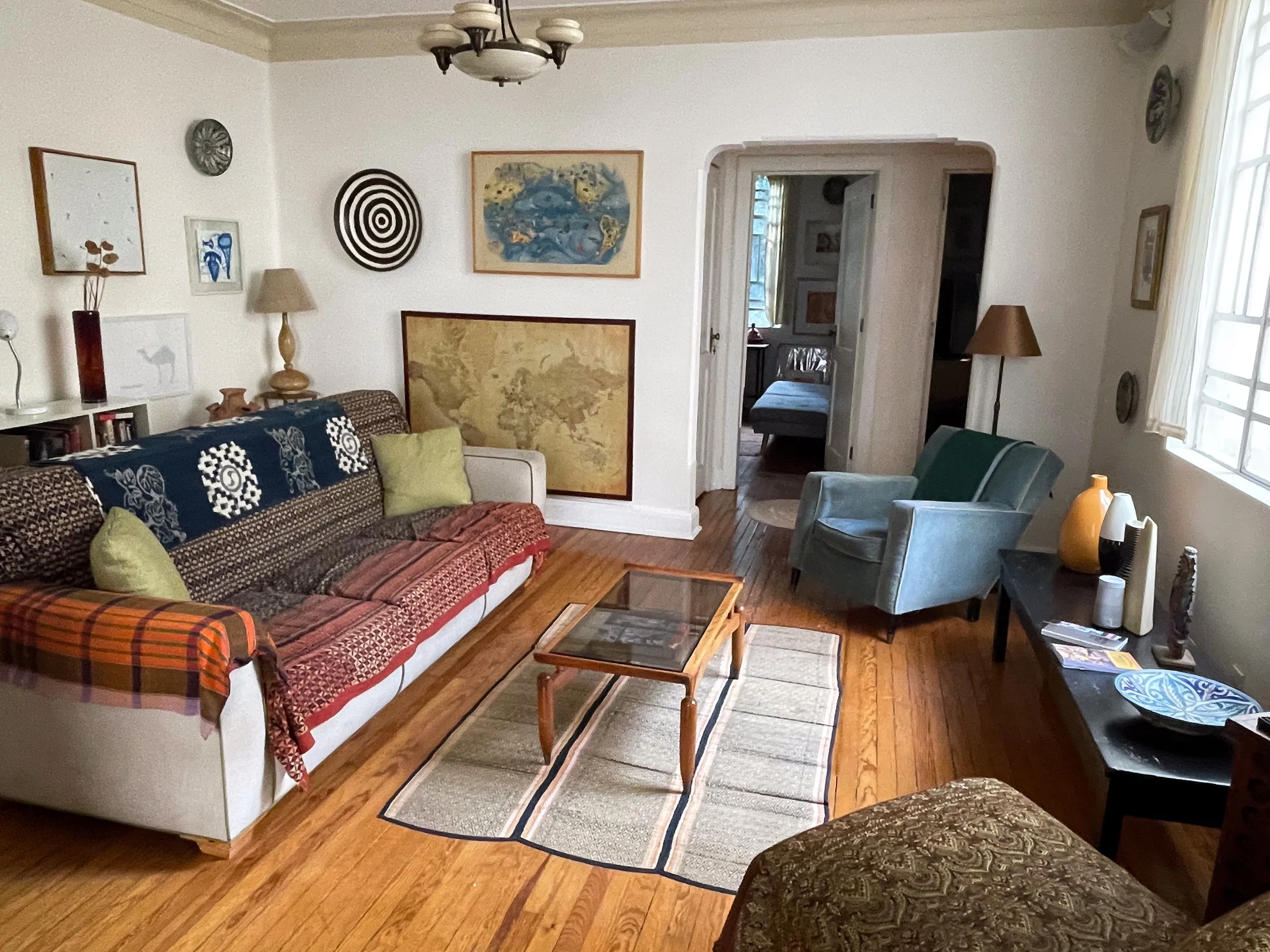
Where to Stay
Roma Art Deco Apartment. A private two bedroom Airbnb in the heart of La Roma steps from Parque Mexico. The home is a cozy spot to relax after a full day exploring the city.
Casa Aimee. A guest house with several rooms in a family’s home in Roma Sur. The hosts were wonderful and accommodating, allowing us access to their shared kitchen, rooftop dining area and washing machine. They even prepared us barista style coffees every morning. Reserve on Booking.
Getting Around
Traffic. Traffic in Mexico City is notoriously congested. The best recommendation is to plan for extra time when getting around.
By Uber. Ubers were our preferred method of getting around because of how inexpensive and consistent they are. We could travel from the airport to La Roma for $20 or across town for $10.
By Metro. The city also has an extensive subway system. Though we didn’t ride it, it looked to be a cheap and effective way of getting around.
Elsewhere in Mexico
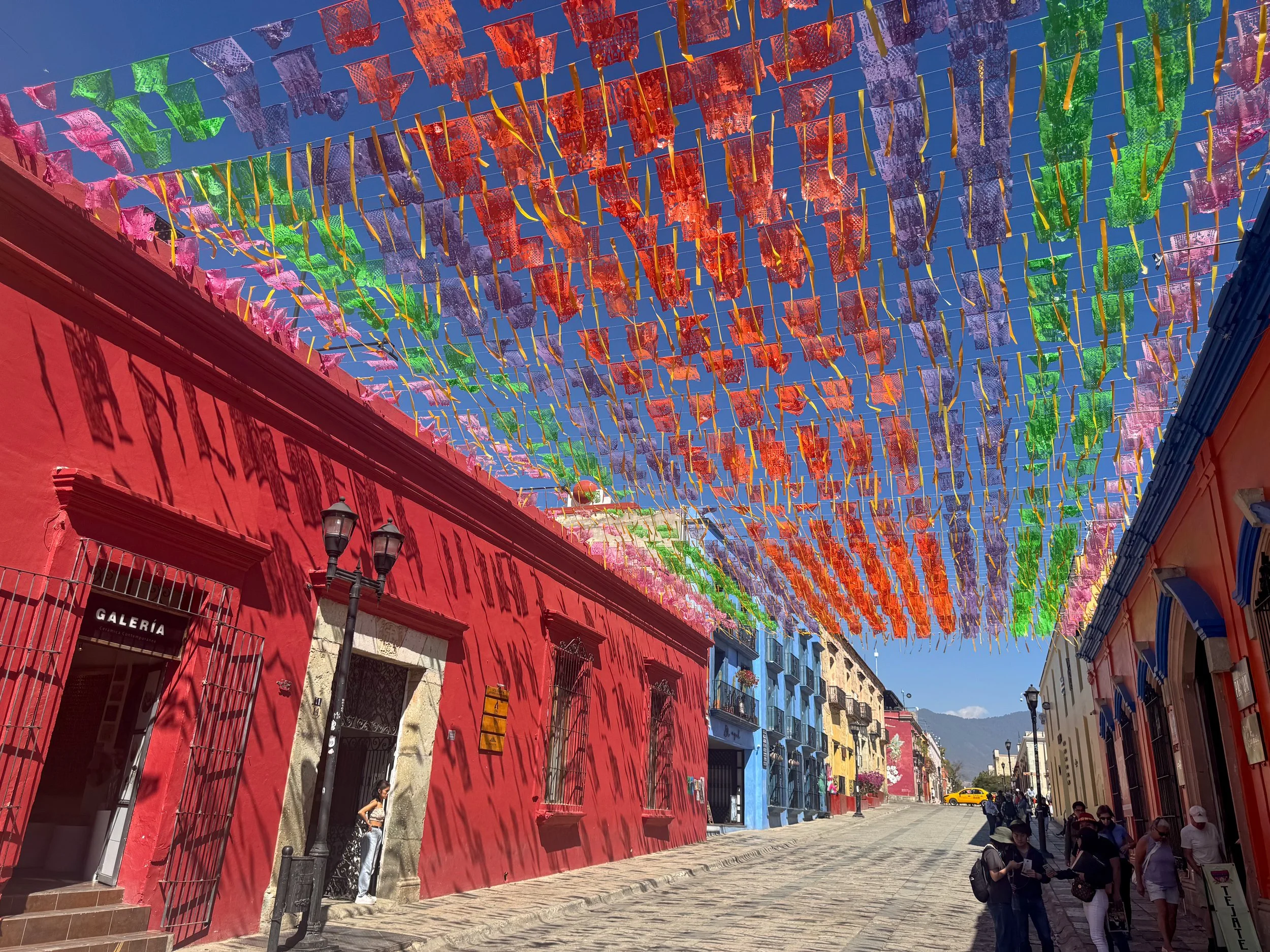
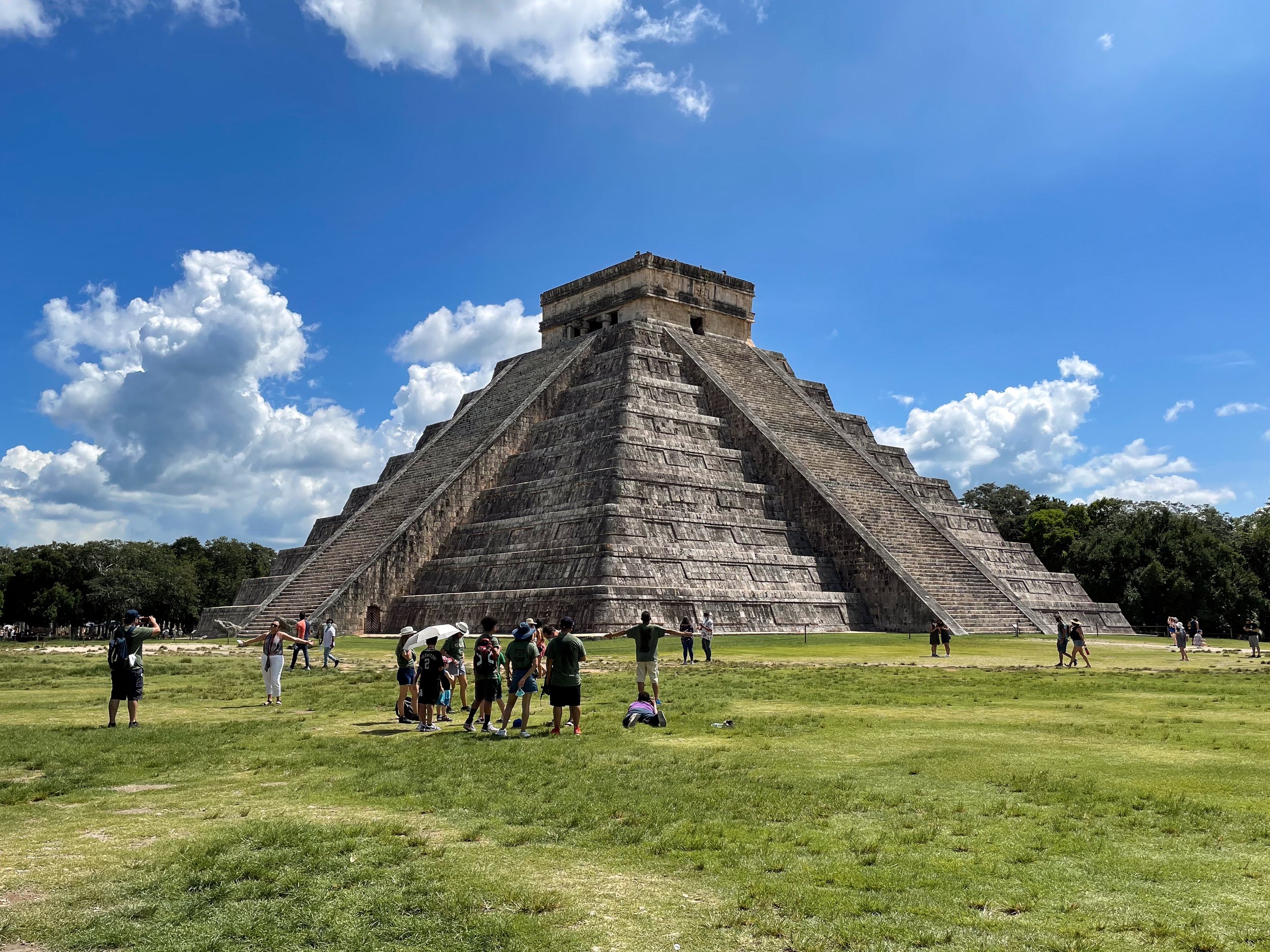
From ancient ruins and Caribbean beaches to mezcal producing villages and Pacific surf towns, explore more of Mexico beyond the capital through these travel guides:
Caribbean Mexico
Riviera Maya Travel Guide: Beaches, Cenotes & Mayan Ruins. Discover the Riviera Maya's white sand beaches, turquoise waters, hidden cenotes, ancient Mayan ruins and vibrant culture along Mexico's Caribbean coast.
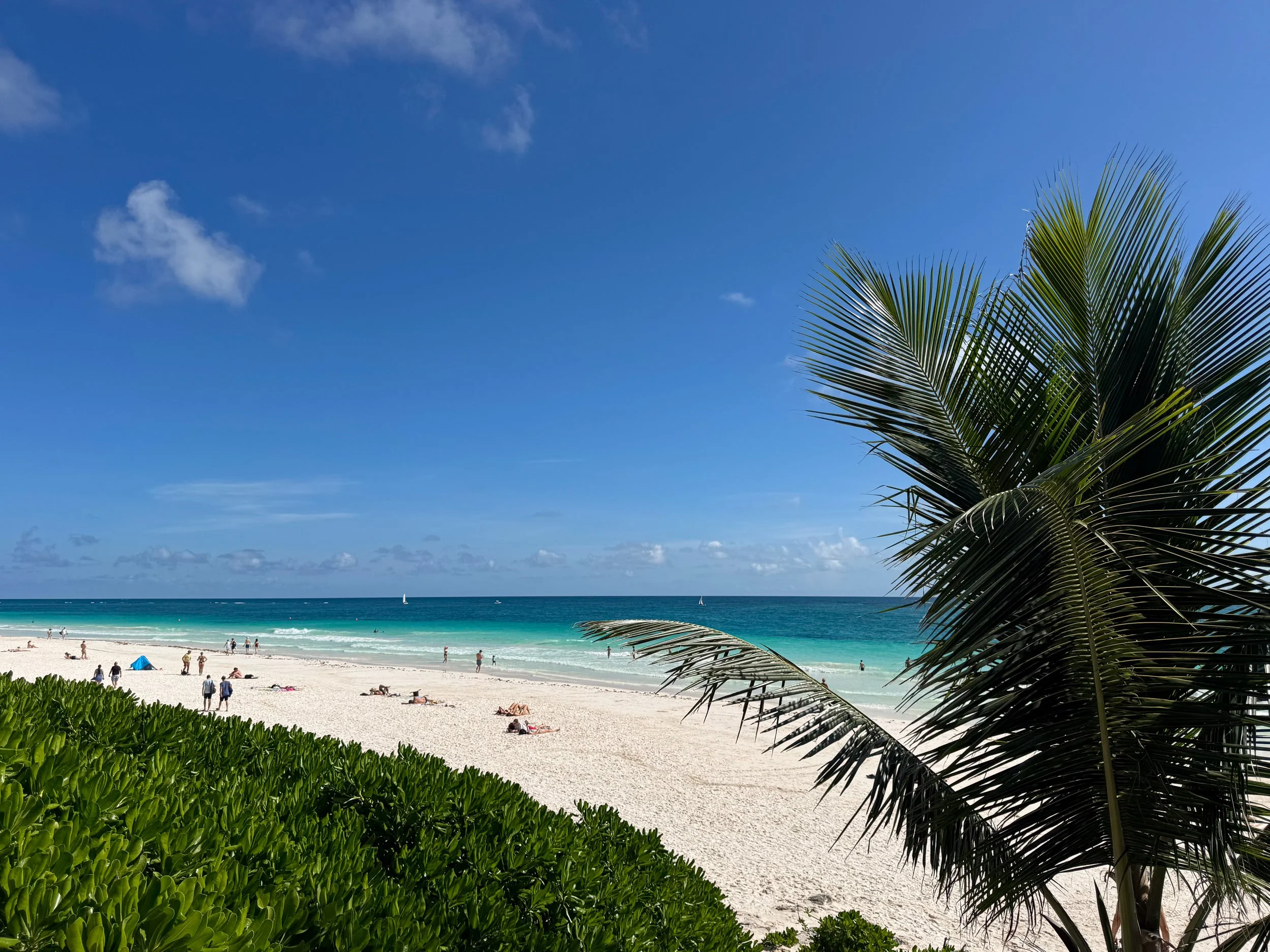
Tulum Travel Guide: Cenotes, Beaches & Mayan Ruins. Explore Tulum's cliffside Mayan ruins, white sand beaches, hidden cenotes and jungle landscapes along Mexico's turquoise Caribbean coast.
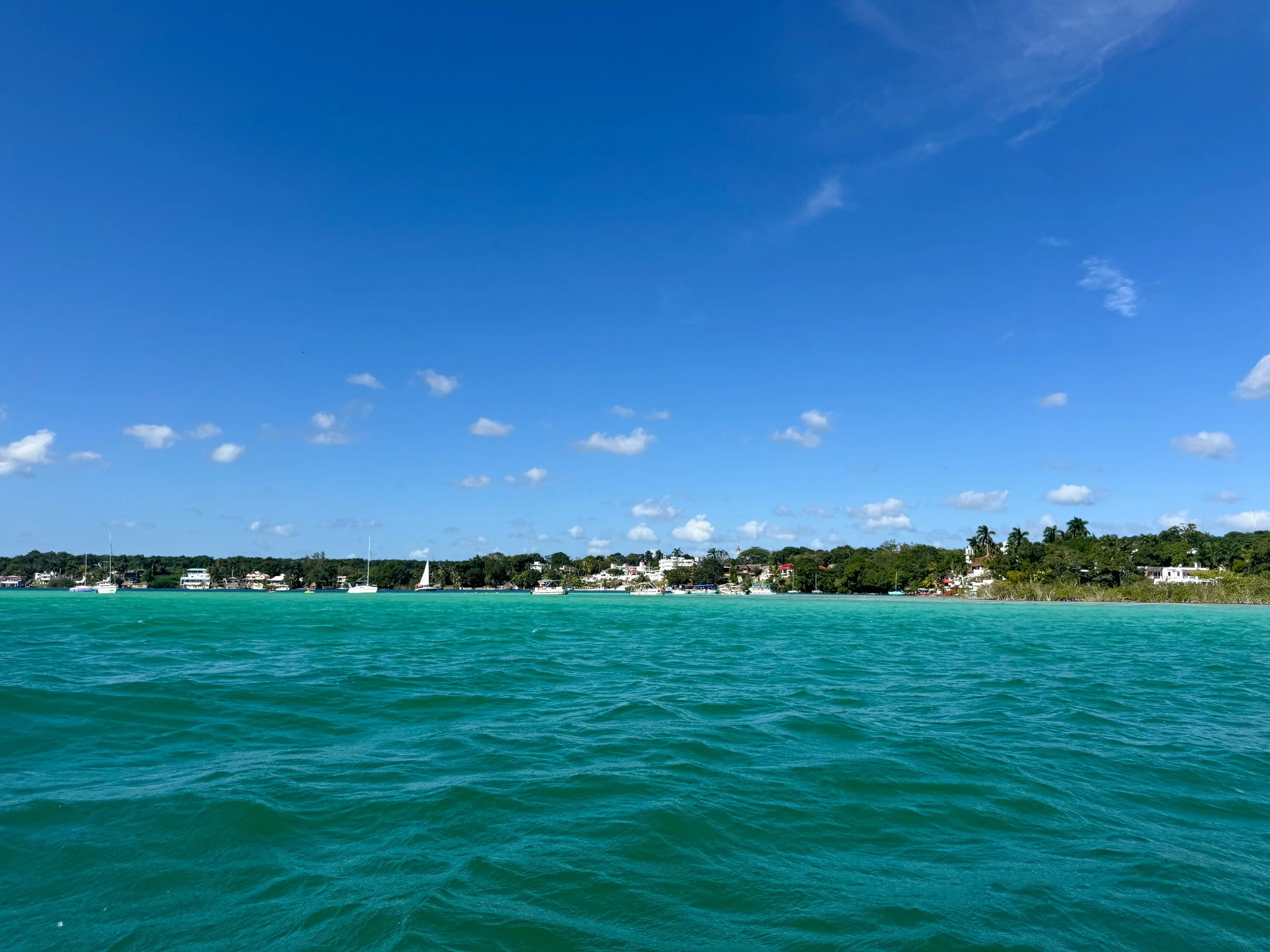
Bacalar Travel Guide: The Lagoon of Seven Colors & Hidden Gems. Discover Bacalar's Lagoon of Seven Colors, where turquoise waters, shallow sandbars and ancient stromatolites create one of Mexico's most remarkable landscapes.
Central Mexico
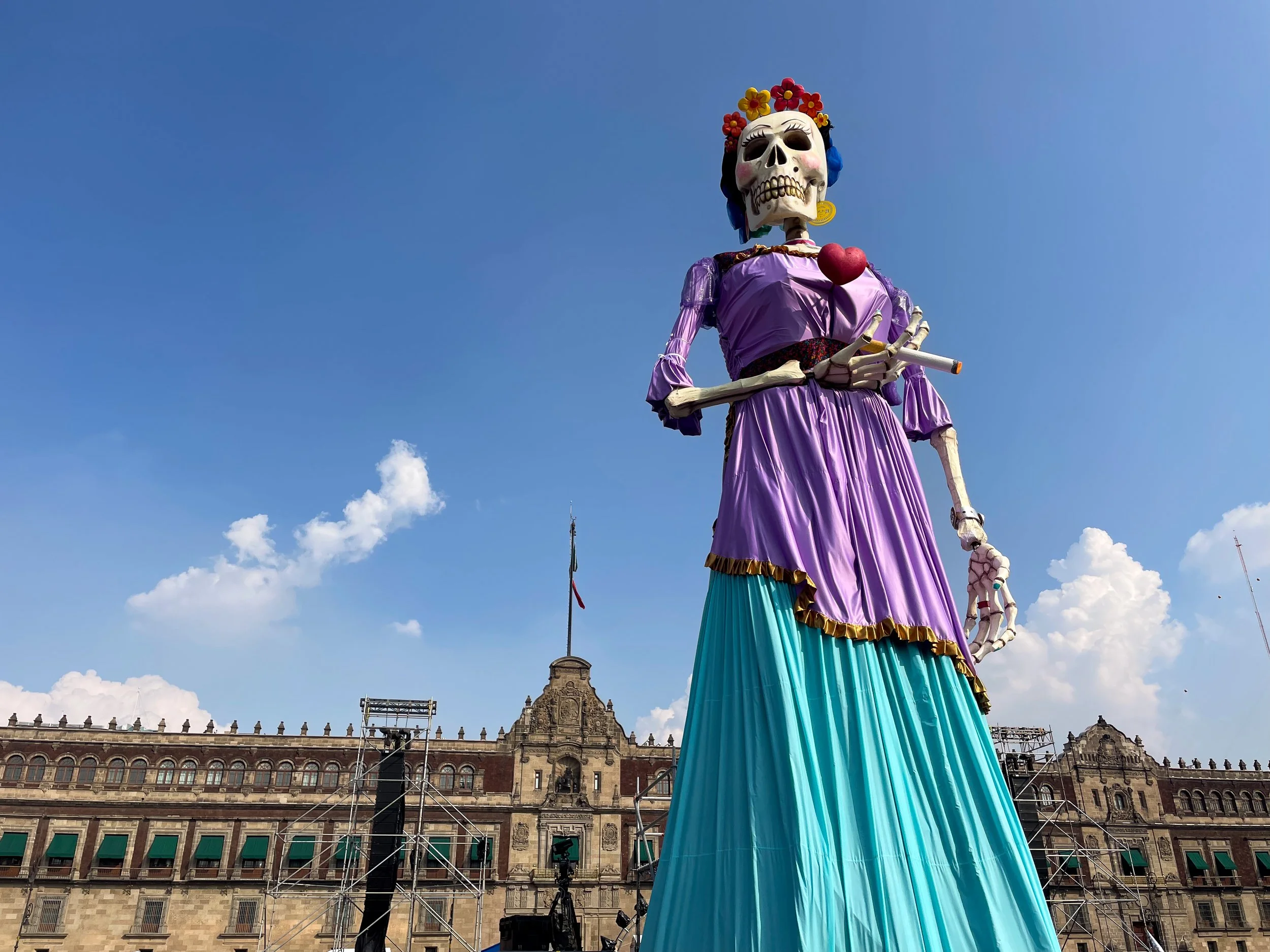
Day of the Dead in Mexico City (Día de los Muertos) Travel Guide. Experience Day of the Dead in Mexico City through cultural traditions, lively celebrations and vibrant ofrendas honoring loved ones and ancestral heritage.
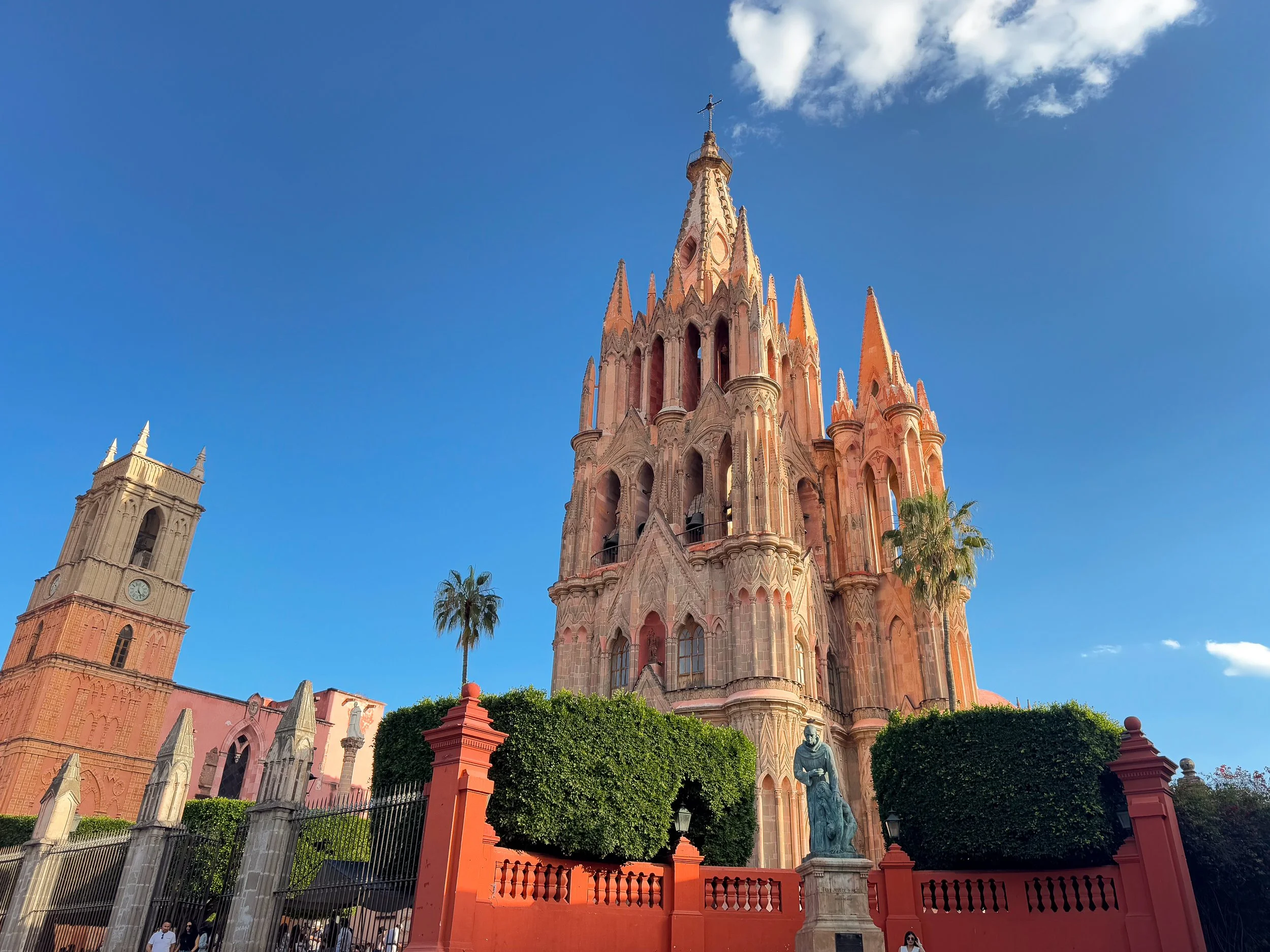
San Miguel de Allende Travel Guide: Food, Art & Colonial Charm. Stroll through San Miguel de Allende's cobblestone streets and historic plazas where cuisine, art and music bring one of Mexico's most charming colonial cities to life.
Southern Mexico
Oaxaca Travel Guide: Food, Mezcal & Cultural Experiences. Immerse yourself in Oaxaca, Mexico's cultural hub for vibrant markets, artisanal mezcal, regional cuisine, scenic landscapes and centuries of tradition.
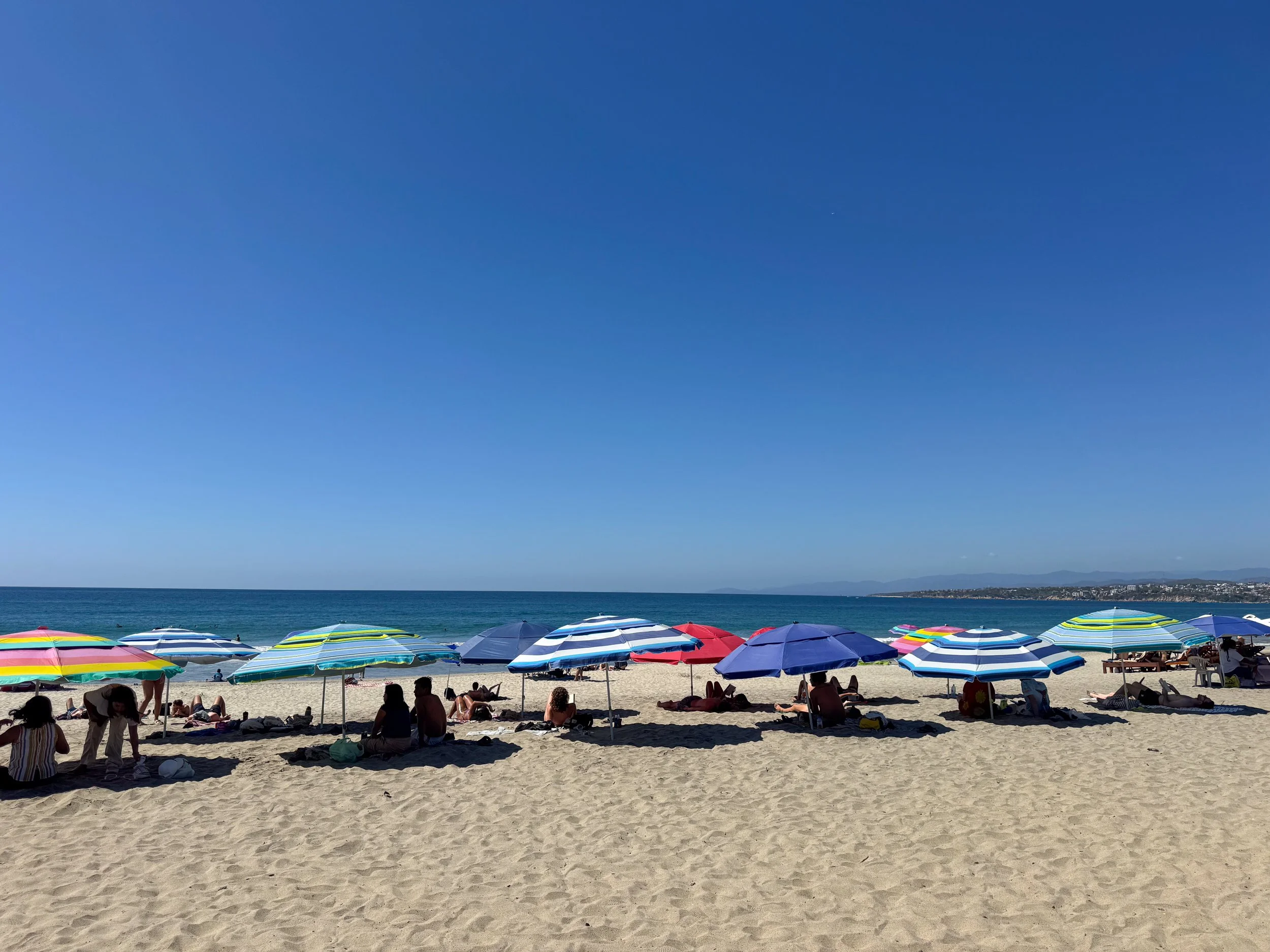
Puerto Escondido Travel Guide: Beaches, Surfing & Coastal Culture. Escape to Puerto Escondido, a laid back surf town on Oaxaca's Pacific coast where palm lined beaches and sandy streets embody coastal culture.
For Next Time…
Watch a Lucha Libre Match. See the colorfully masked wrestlers perform at the Arena Coliseo.
Visit Puebla. One of Mexico’s “pueblos magicos,” a colonial town with historic buildings covered in tiled walls and bright colors.
See more Sights. The Palacio Nacional, Museo Somaya, Casa Estudio Luis Barragán and Universidad Nacional Autónoma de Mexico.
Hike the Volcanos. Three volcanos with hiking trails outside the city including Iztaccíhuatl, Nevado de Toluca and Popocatépetl.