Bacalar Travel Guide: The Lagoon of Seven Colors & Hidden Gems
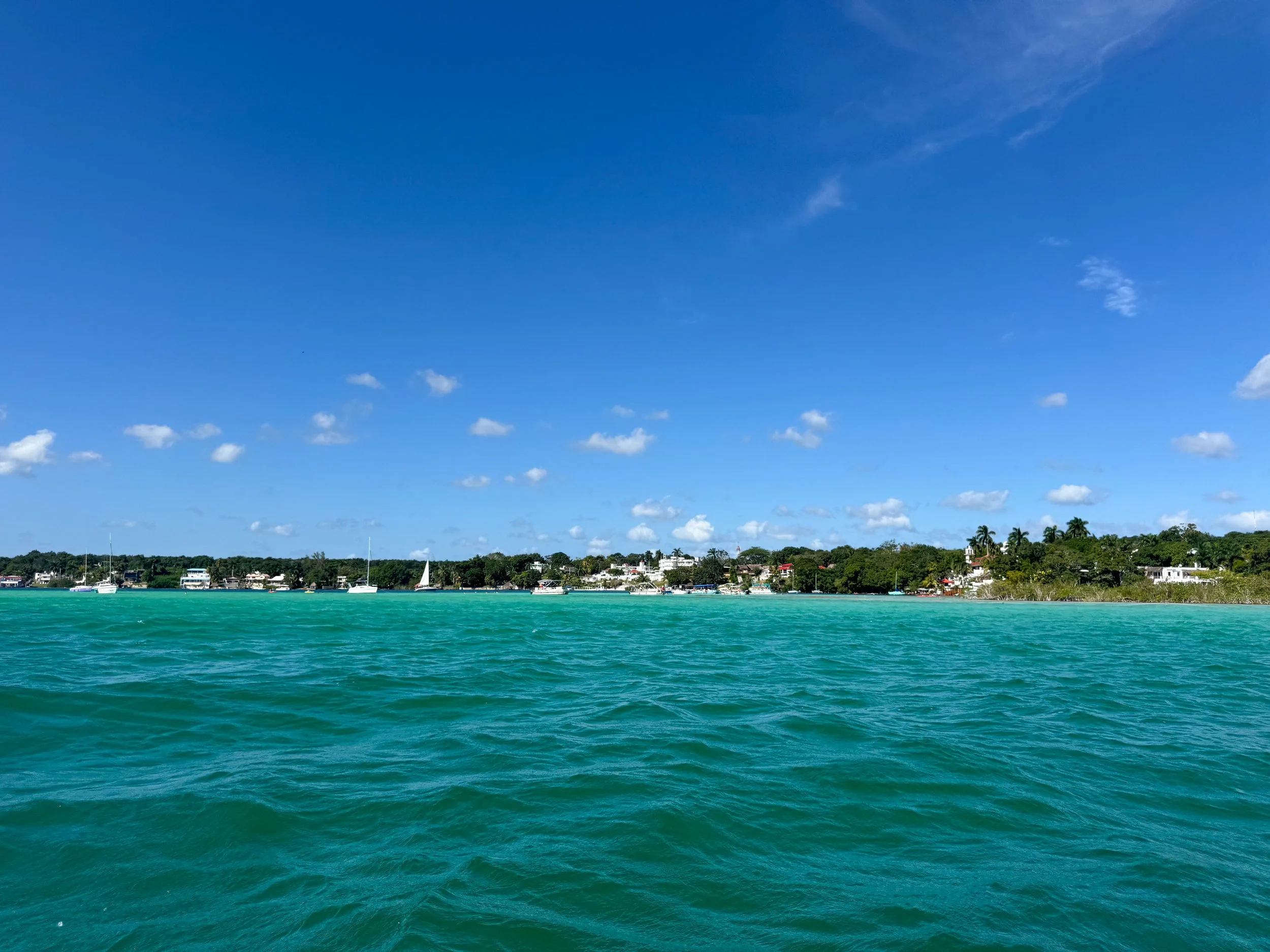
Bacalar, The Lagoon of Seven Colors
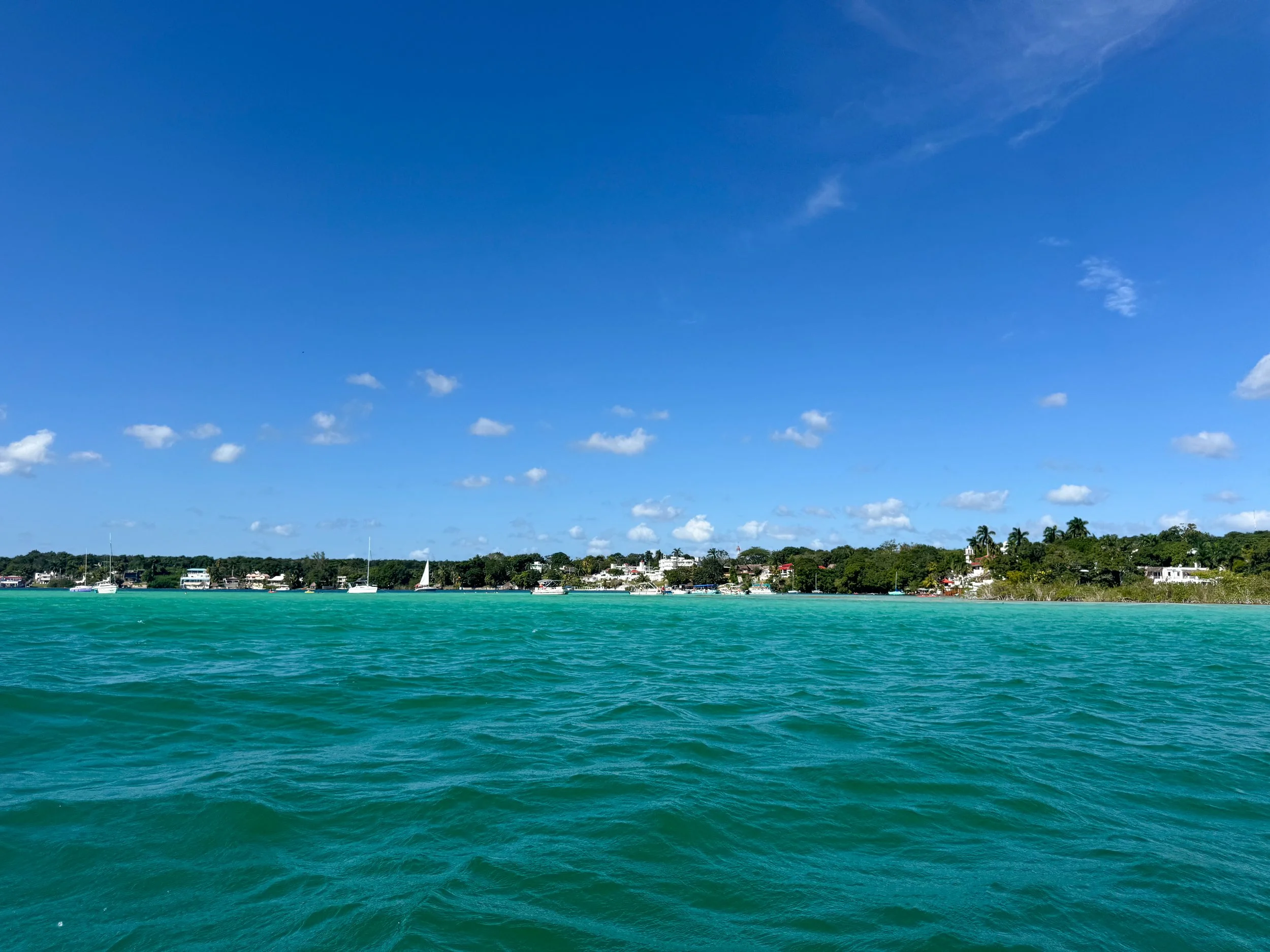
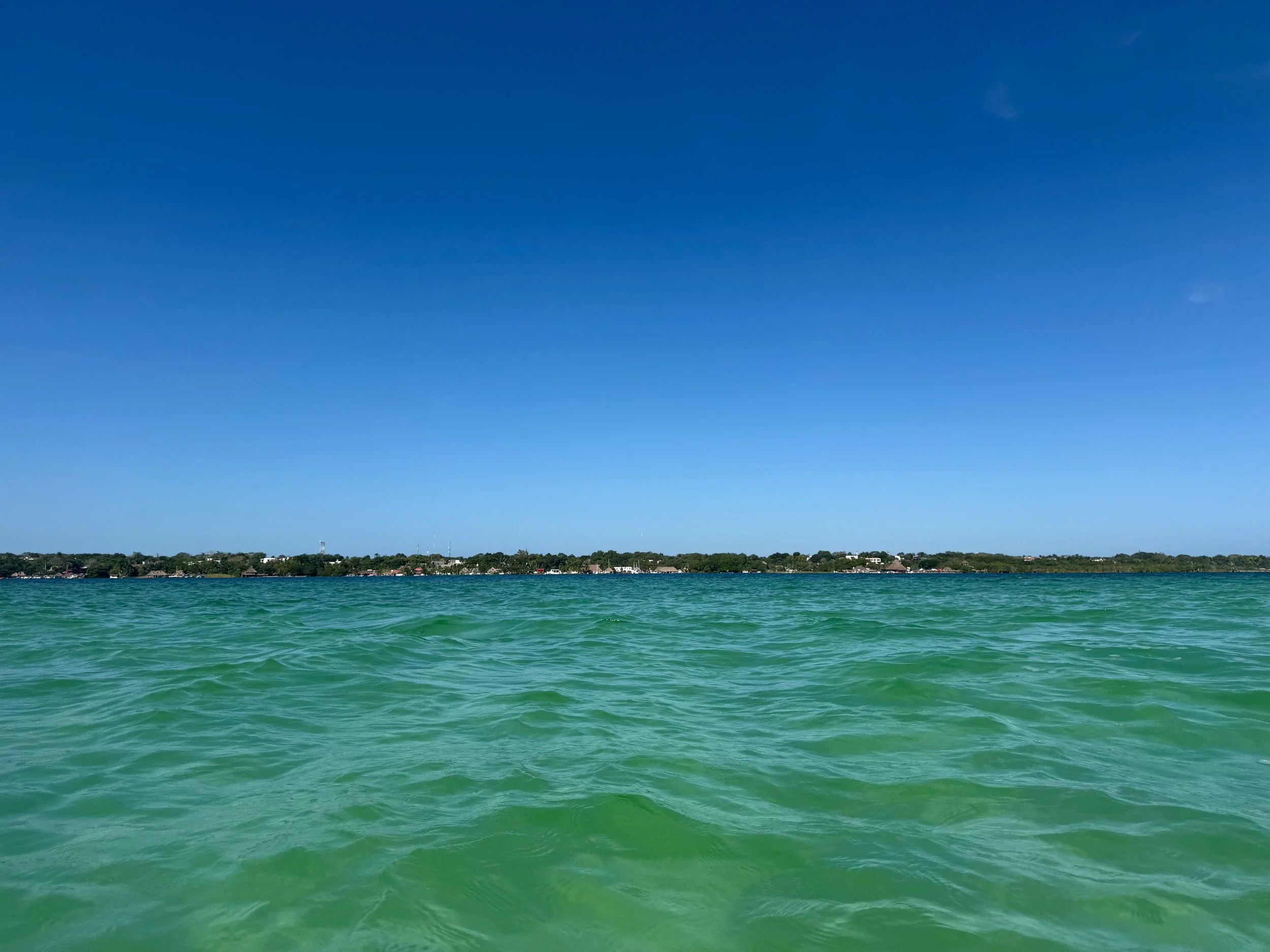
The Bacalar Lagoon is a freshwater lake known as the “Lagoon of Seven Colors,” named for the various shades of blue, green, aquamarine and deep navy. The lagoon is home to colonies of stromatolites, islands with migratory birds, narrow waterways, shallow sand bars, deep cenotes and mangrove forests. It’s the main source of drinking water for the region and a beach like retreat for locals and visitors.
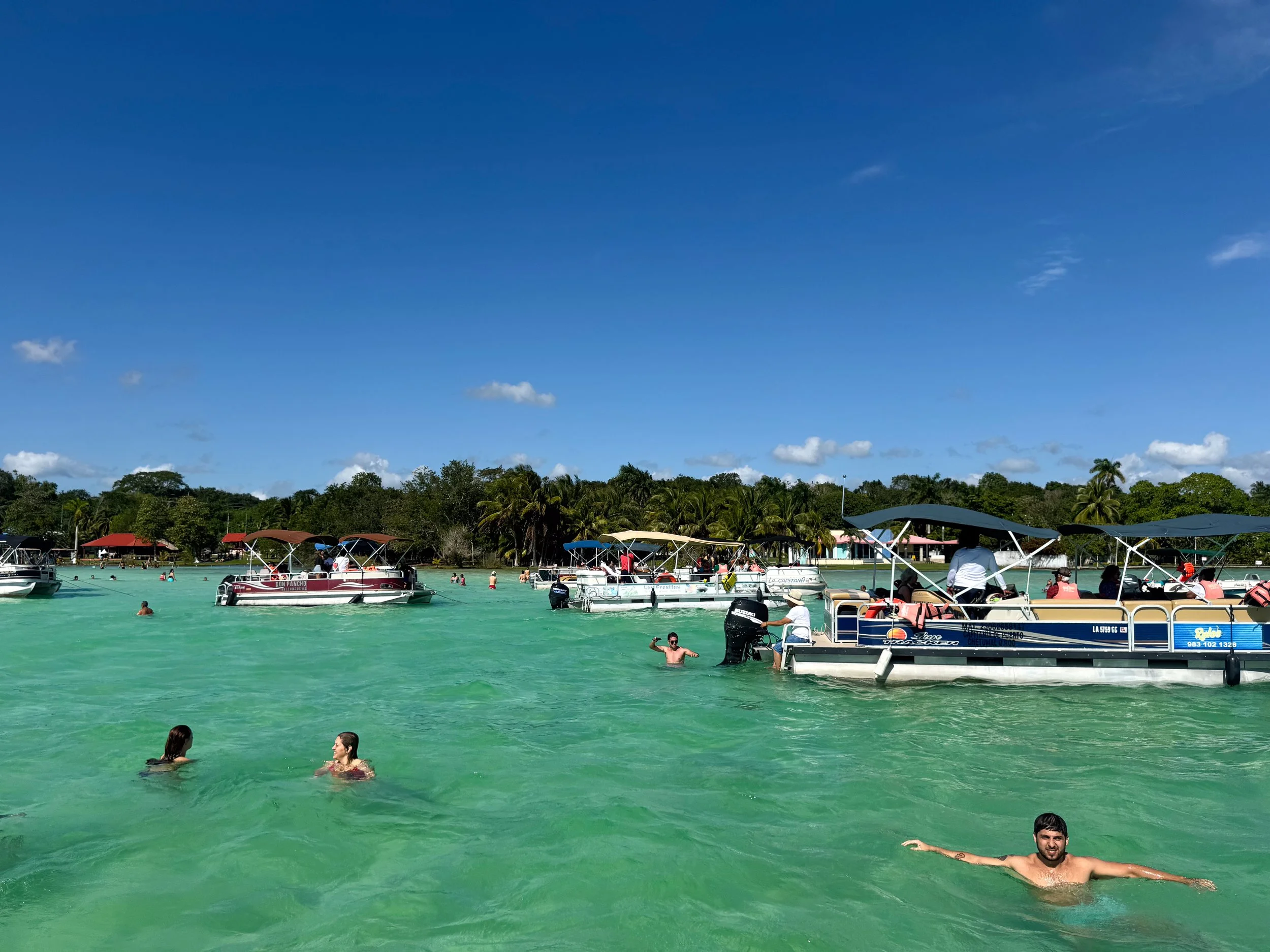
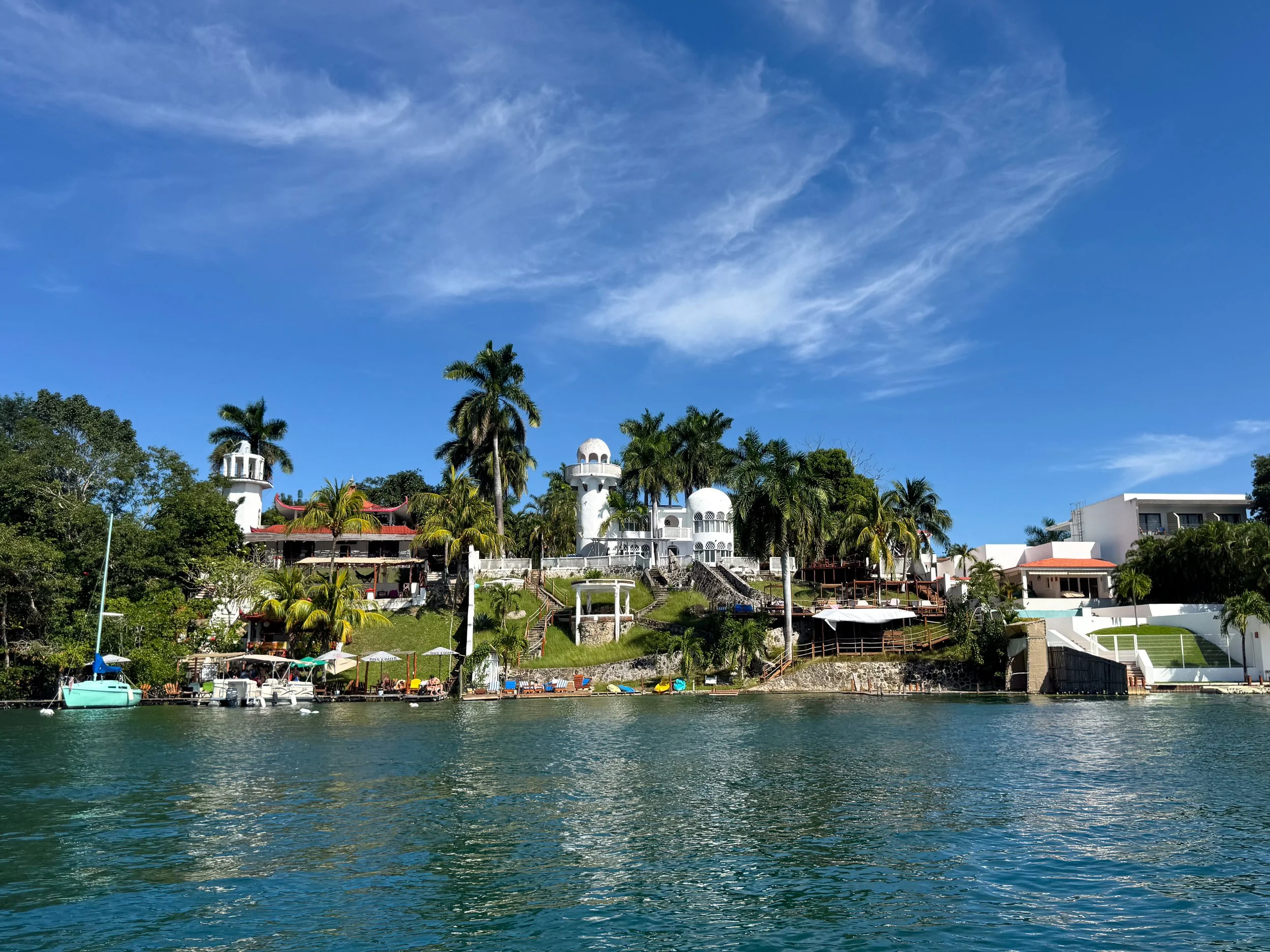
Bacalar Lagoon Tour
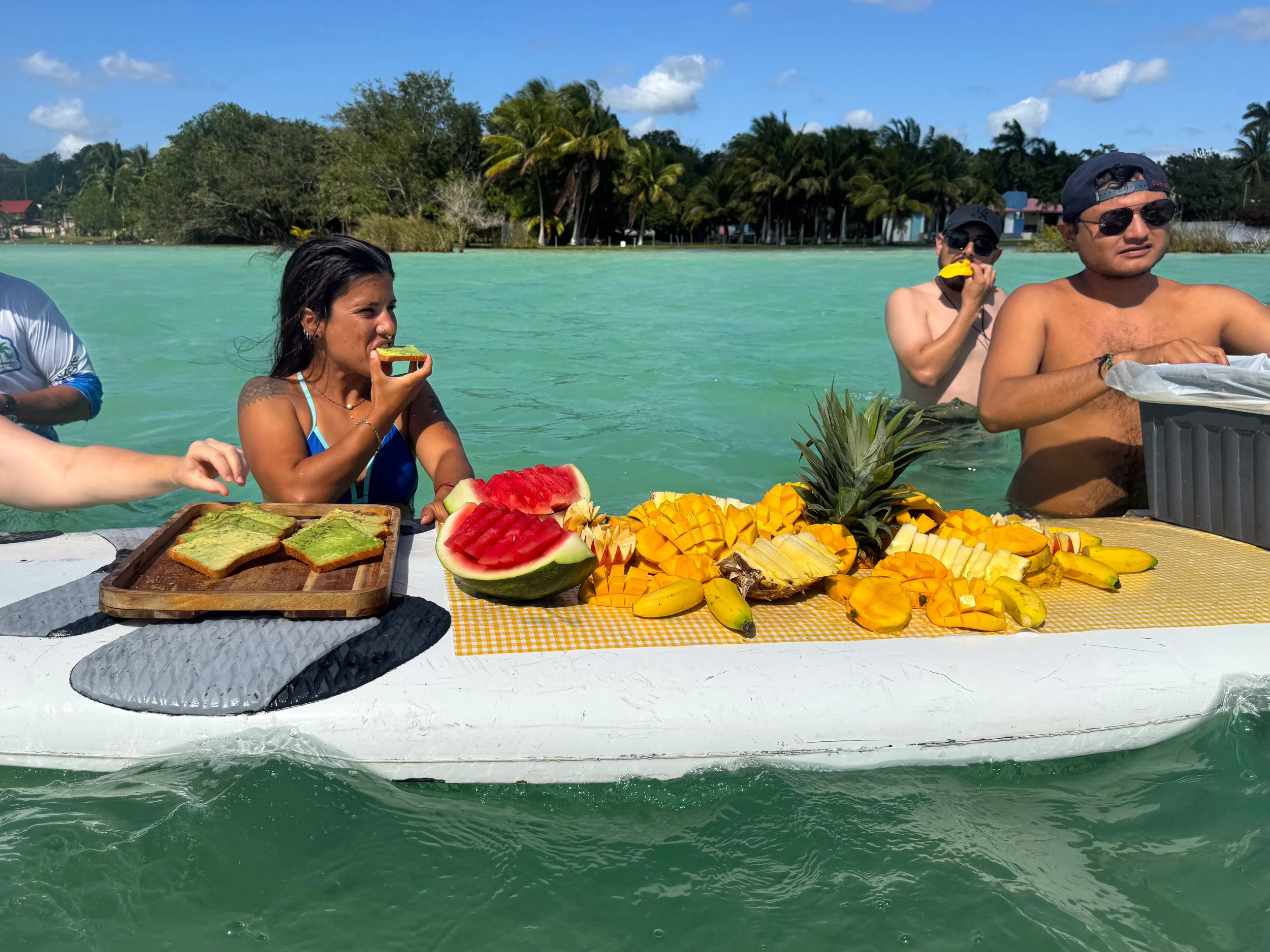
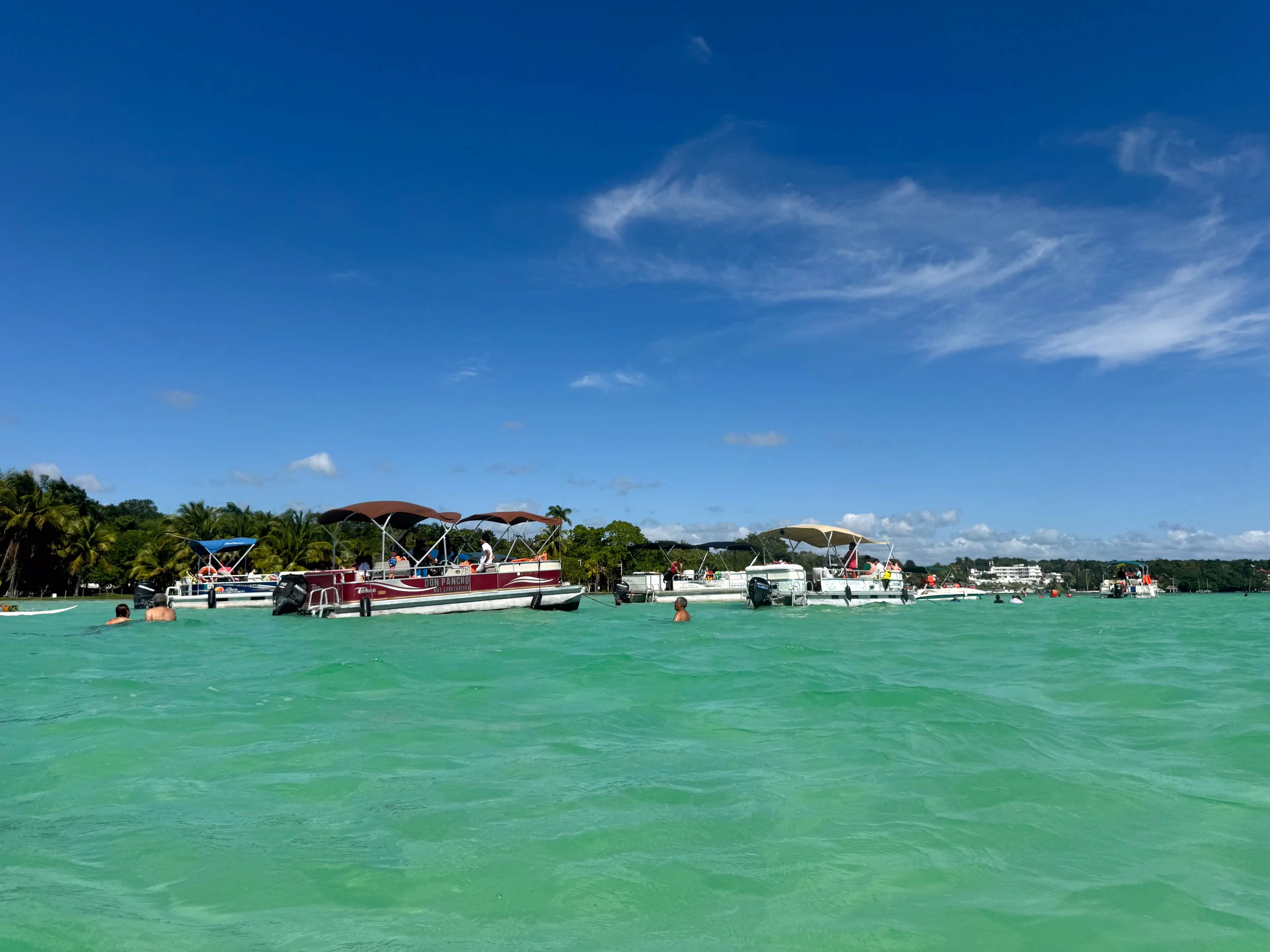
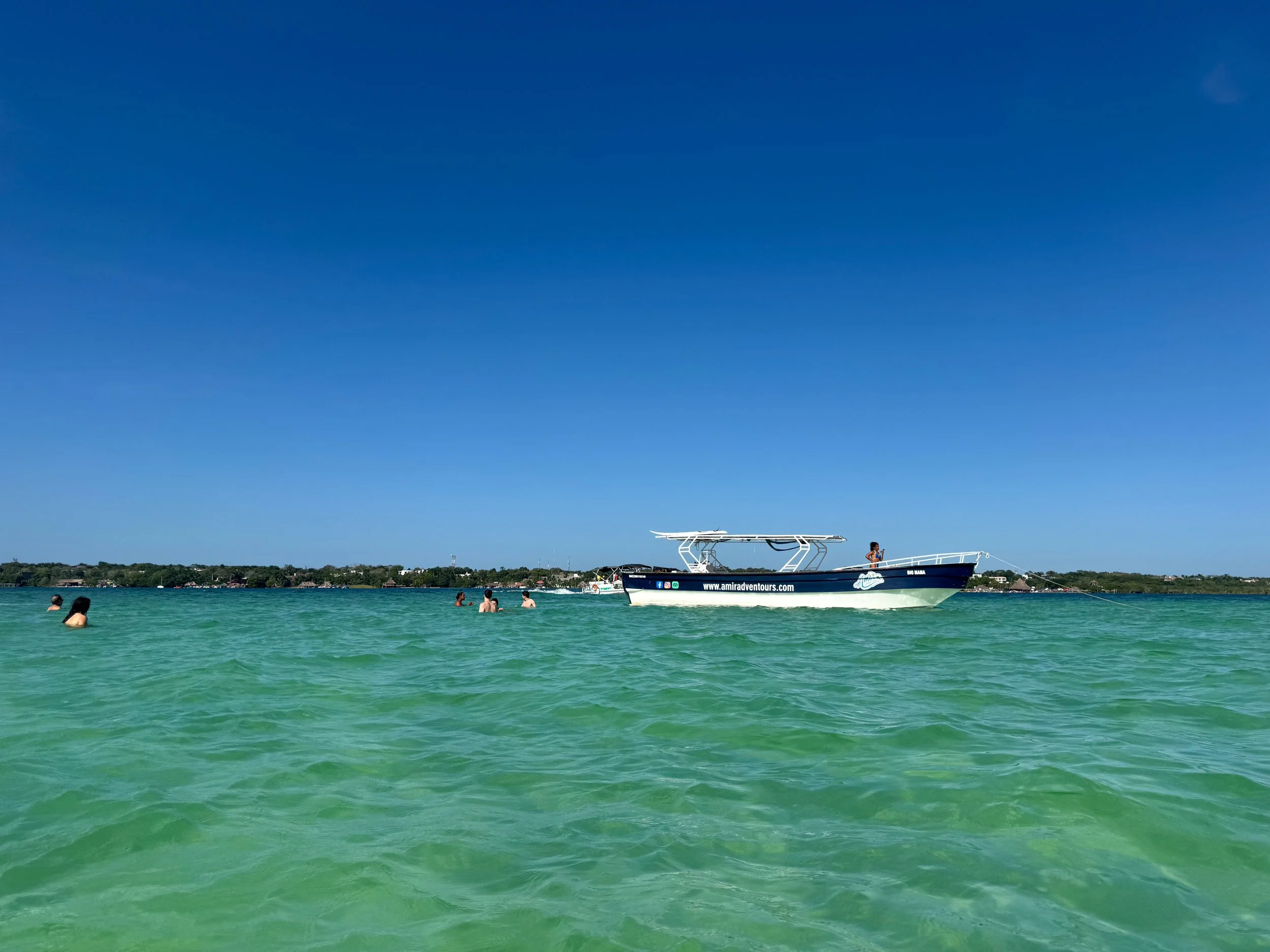
The best way to experience the lagoon, its vibrant shades of blue and various sights is by boat. We took a “booze cruise” with Amir Adven Tours Bacalar, visiting three sand bars, tiny islands and deep cenotes. The tour included unlimited beers and tequila cocktails like tequila sunrises, tequila sodas and palomas. Half way through, the crew prepared a floating surfboard with fresh mangos, watermelon, bananas and avocado toast for us to snack on.
Canal de los Piratas. A channel used by the ancient Mayans for trading and by pirates for surprise attacks on Bacalar. The tour brought us to a sandbar at the channel’s delta where we swam and drank in the shallow waters. The canal itself was off limits.
Stromatolites. Also known as living rocks, the lagoon is a habitat for the planet’s earliest life form, stromatolites. These organisms create mud-like mounds and structures throughout the lagoon. Sections are quartered off to protect the nurseries growing within.
Cenote de la Bruja. A cenote measuring over 100 meters deep with jet black water. It’s forbidden to swim in and feared to be cursed by a Mayan woman who was killed during the Spanish conquest.
Cenote Esmeralda. A large cenote along the edge of the lagoon named for its emerald hued water. It’s one of the main sources that fills the lagoon with freshwater. Beautiful hotels and balnearios line its shore while sand bars with anchored boats surround its outer edge.
Island of Birds. A small tree covered island in the middle of the lagoon home to colonies of migratory birds. We visited before many had finished their seasonal migration to the lagoon.
Protecting the Lagoon. The lagoon is a protected reserve home to fragile ecosystems of stromatolites, mangrove forests and migratory birds. It also serves as a major source of freshwater for the region. Sunblock and single use plastic are banned everywhere in the lagoon.

Los Rapidos de Bacalar
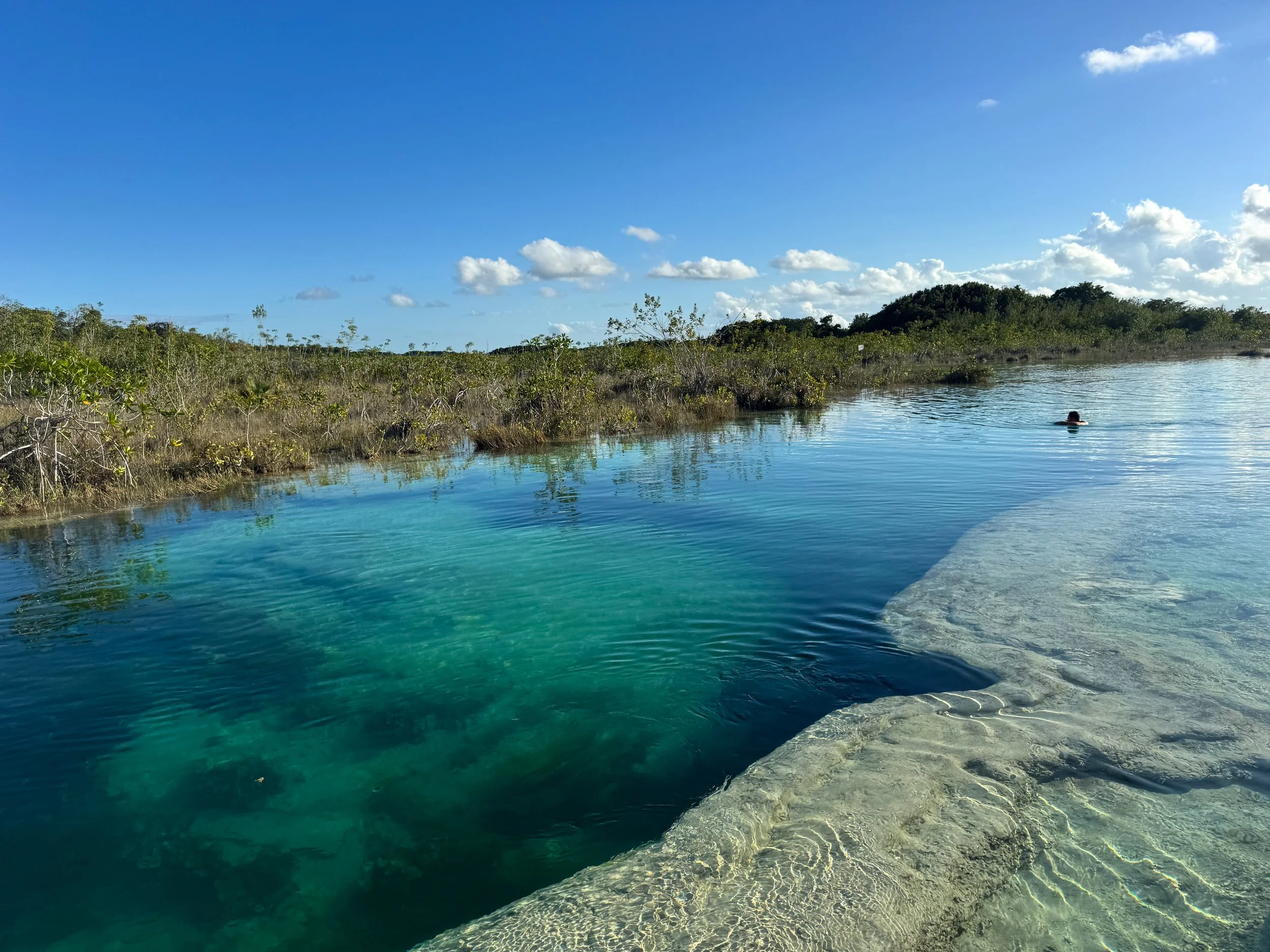
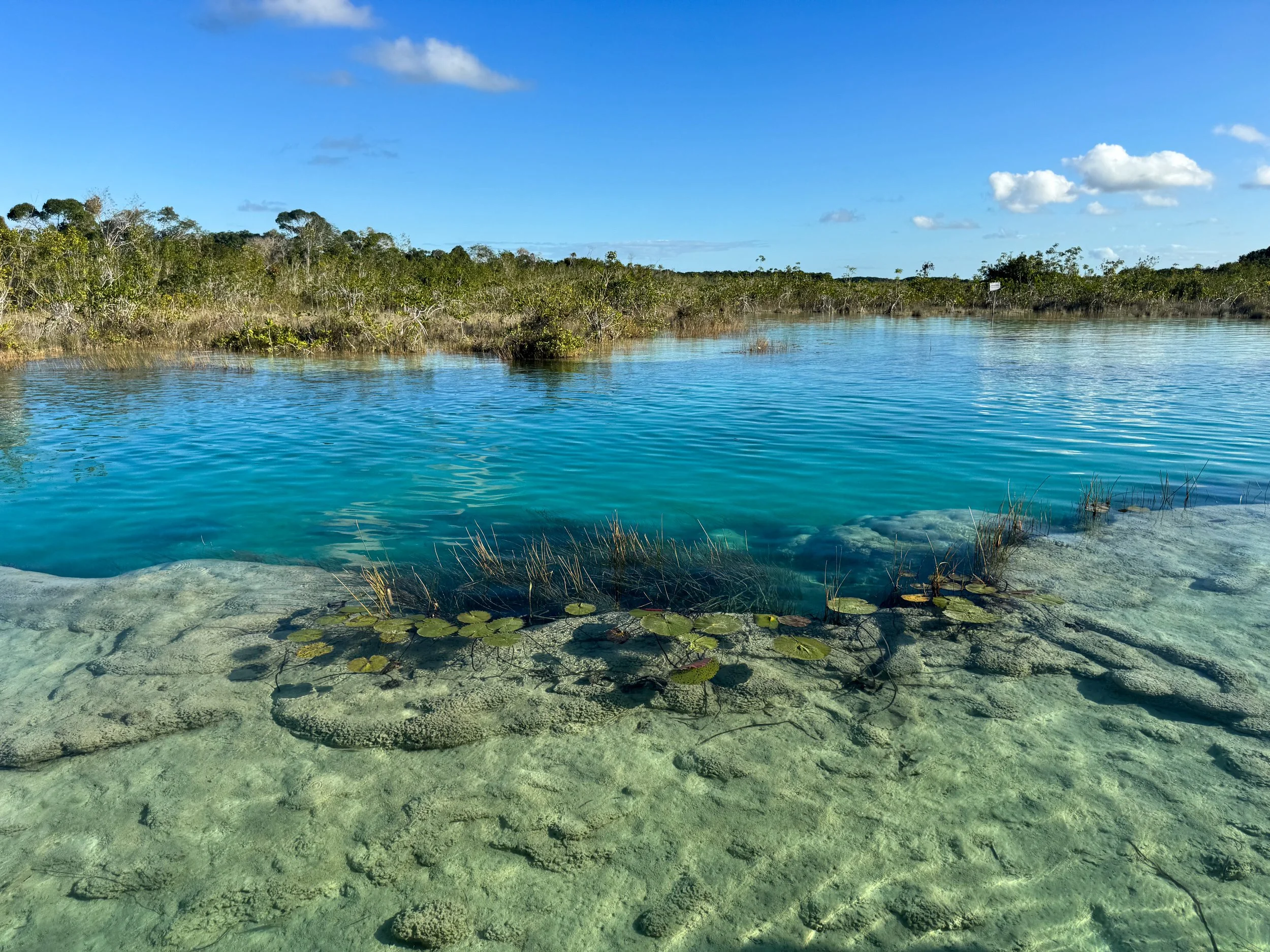
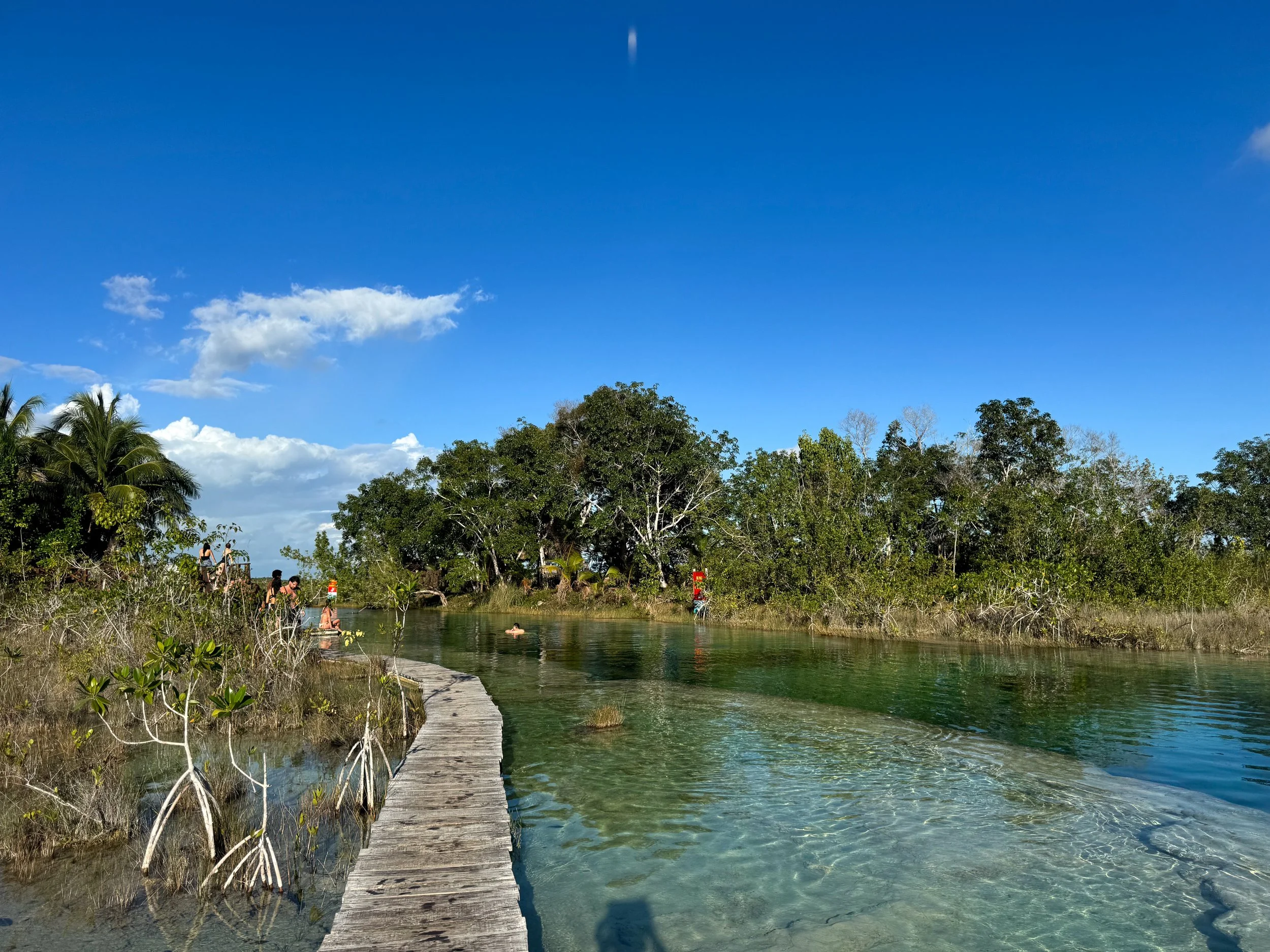
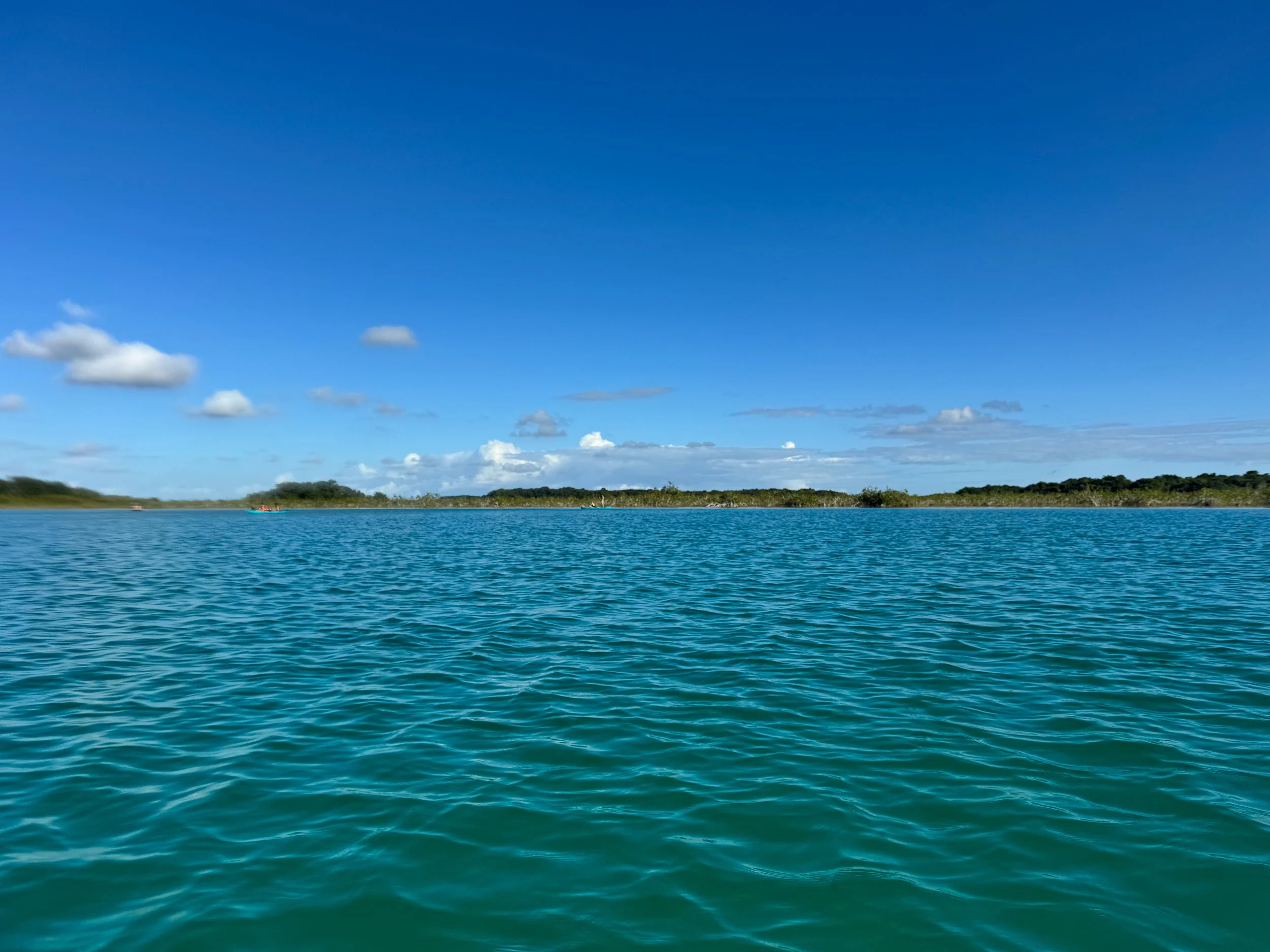
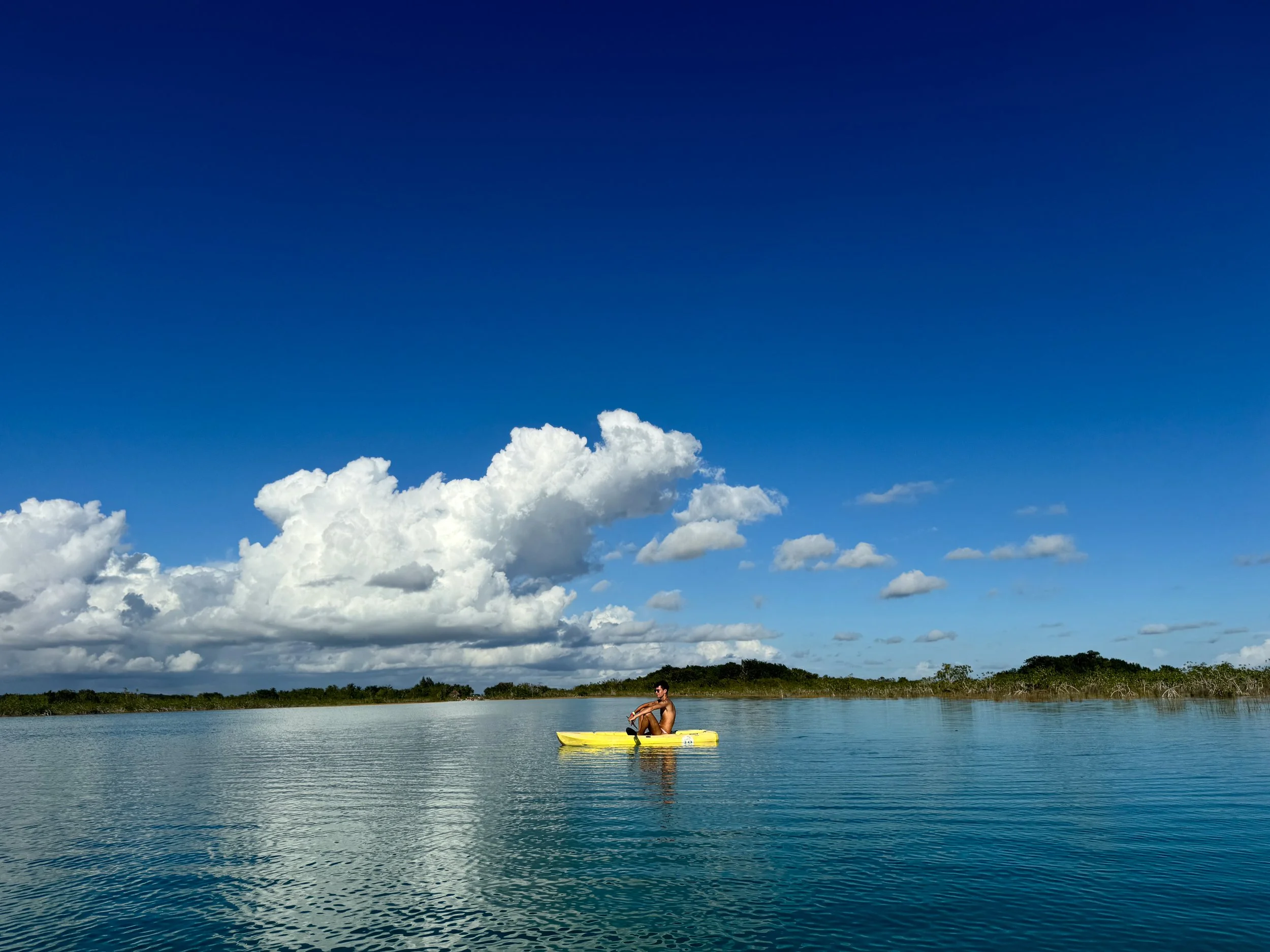
The Rapids of Bacalar are a narrow river between the Bacalar and Xul-Ha Lagoons home to stromatolites, mangroves, tiny fish and marine birds. We visited a “lagoon club” with access to the river via a boardwalk and kayaks with a seafood restaurant and tables overlooking it.
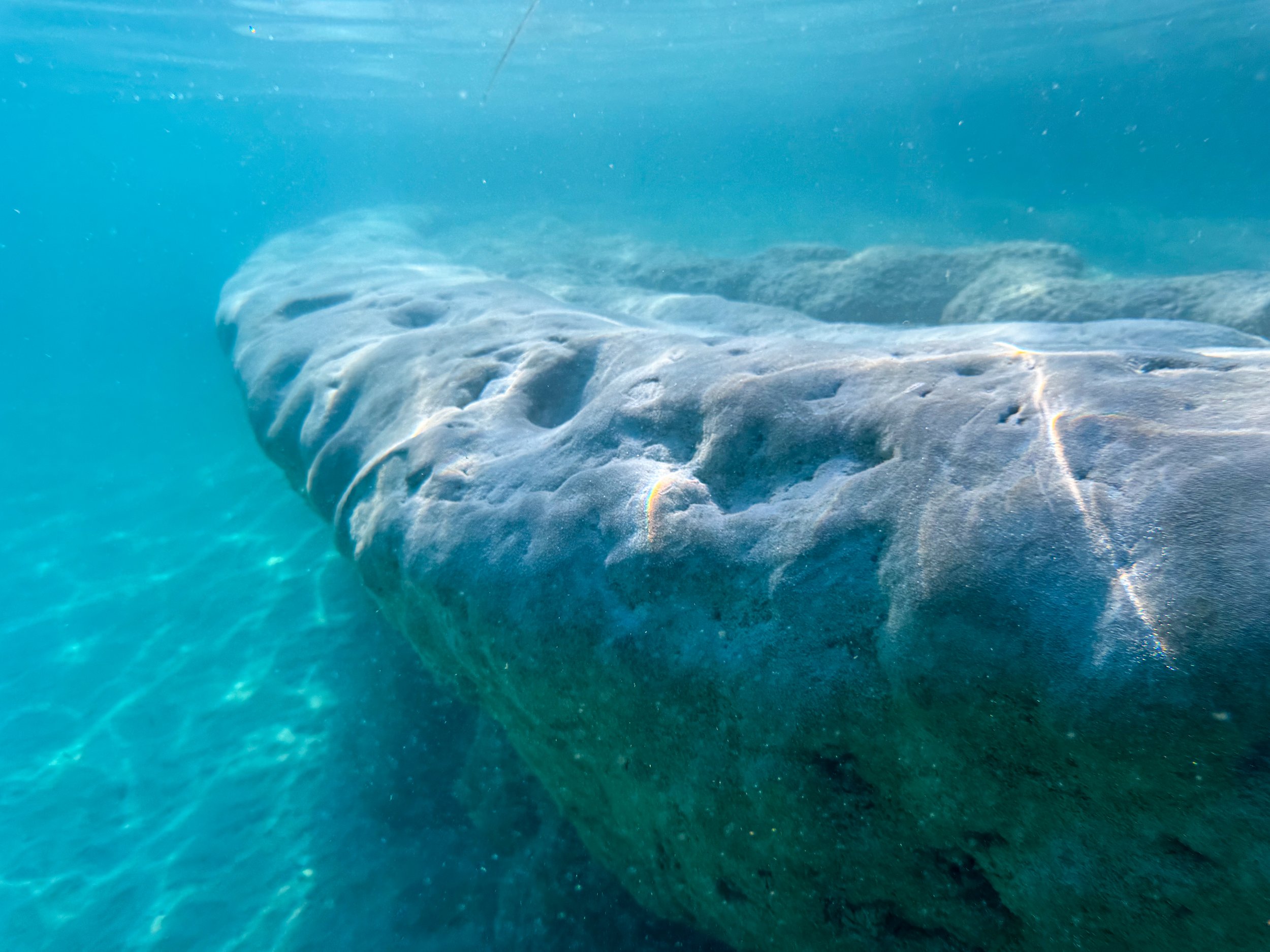
Drift Snorkeling. Follow the boardwalk along the river and jump in at its end. Let the current gently carry you downstream. With snorkels, peer underwater to admire the river banks lined with layers of bubbling stromatolites.
Lagoon Kayaking. Rent kayaks and paddle further upstream to a small lagoon. Spend time here floating around and enjoying the peaceful surroundings before lazily paddling back downstream.
Tips for Visiting:
Getting Here. Hire a taxi from the city center, about 20 minutes away. Taxis should cost no more than 200 pesos one way.
Admission. 200 Pesos. It includes access to the boardwalk, river, facilities and use of a life jacket.
Single Kayaks. 200 Pesos for one hour.
Lockers. 50 Pesos + 50 Pesos deposit for the duration of your visit.
Conservation. Do not step on or touch the stromatolites. They may look like rocks but are delicate ecosystems of microorganisms.
Eco Parque Bacalar
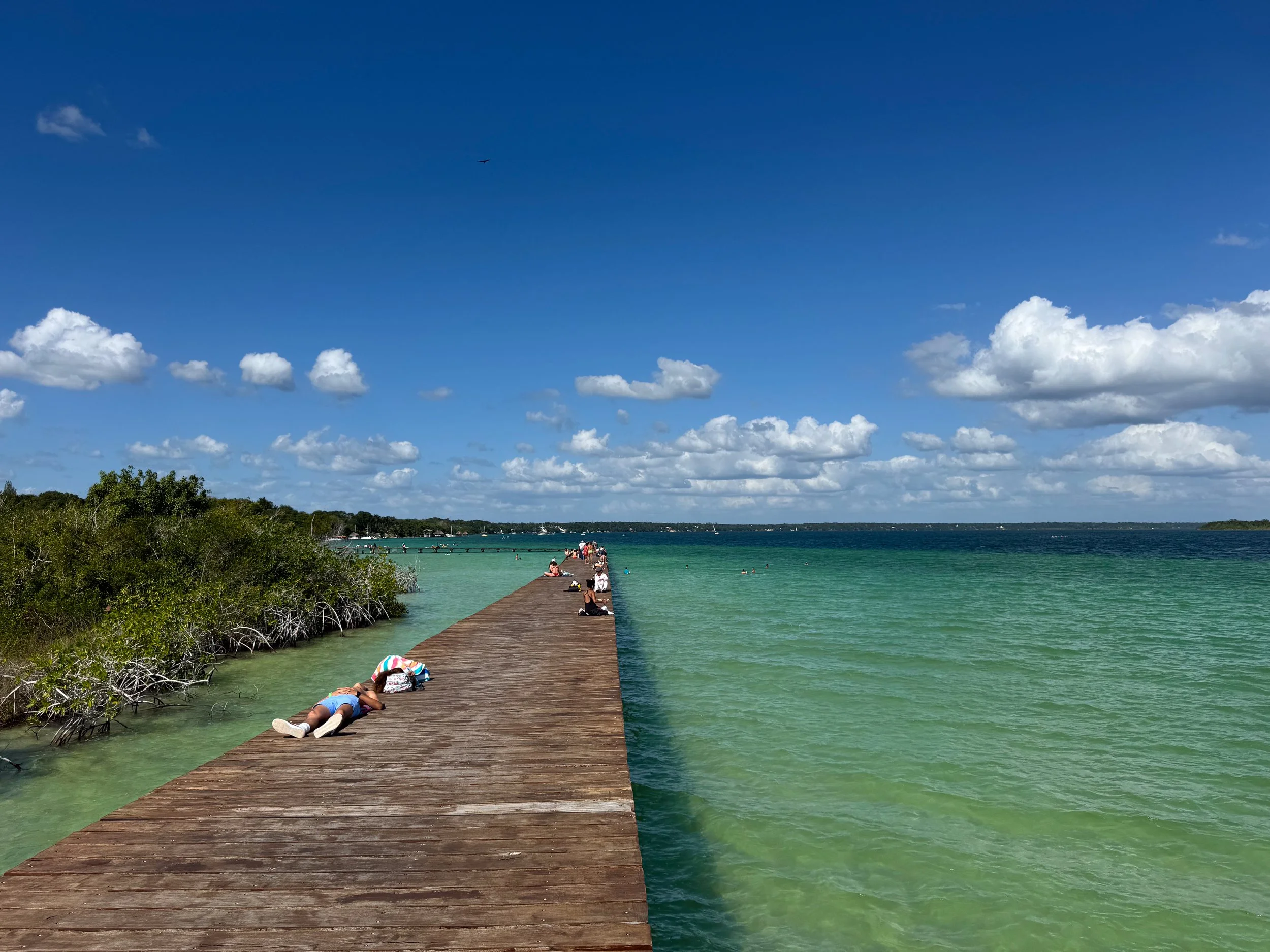
Eco Parque Bacalar is an elevated boardwalk leading through a nature park with mangroves, wetlands and access to the Bacalar Lagoon. From the boardwalk, we overlooked the blue hued lagoon, basked in the sunny rays and cooled off in its refreshing water. Admission costs 20 Pesos.
Balneario Ejidal Mágico Bacalar
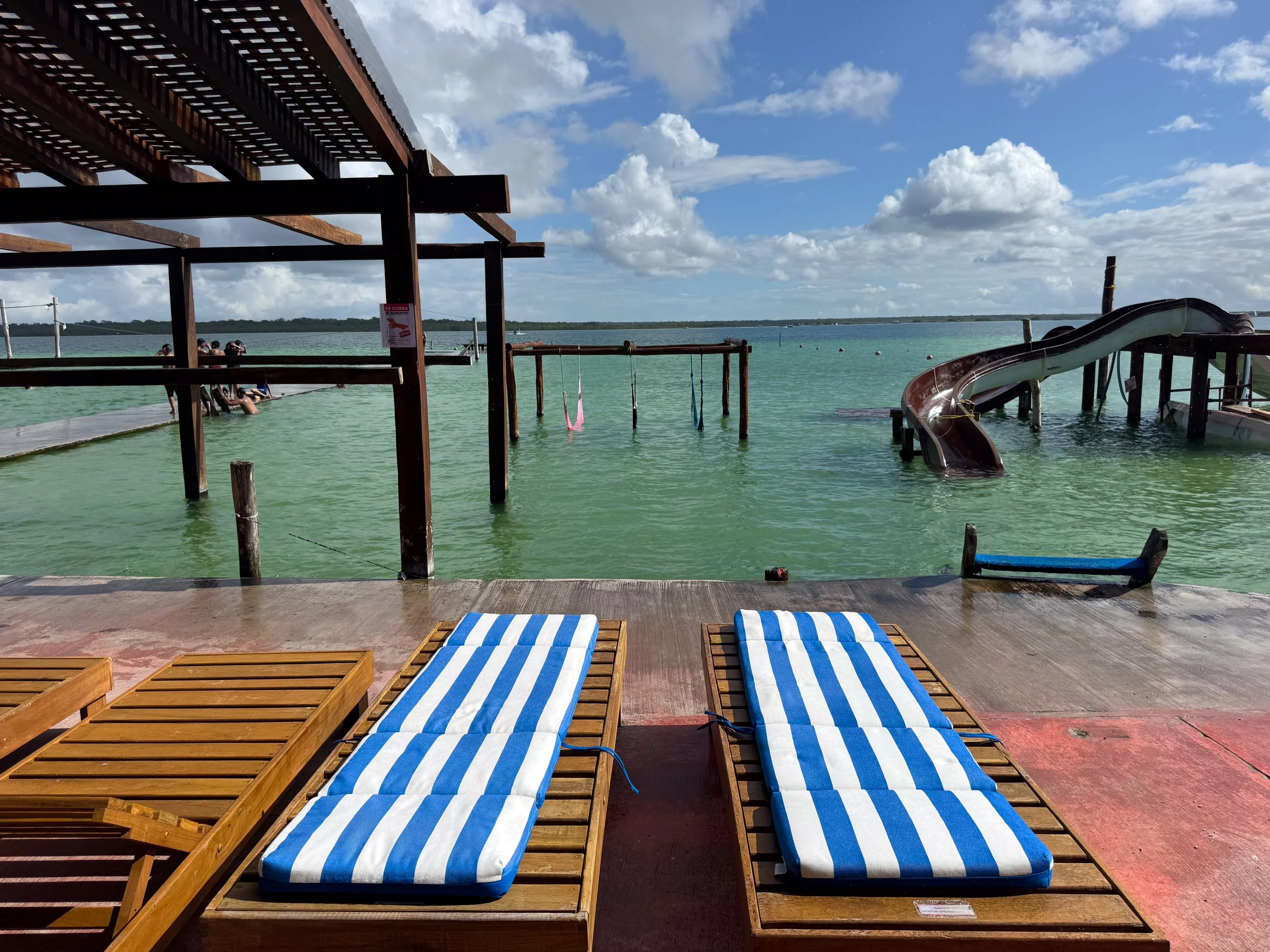
Balneario Ejidal Mágico Bacalar is a “lagoon club” mostly popular with locals. We bought a day pass and rented sun lounges overlooking the lagoon while sipping on Mexican cerveza. Families of locals picnicked under the thatched picnic tables, children slid down small waterslide, people jumped off docks into the lagoon while others lounged in overwater hammocks.
Bacalar Pueblo
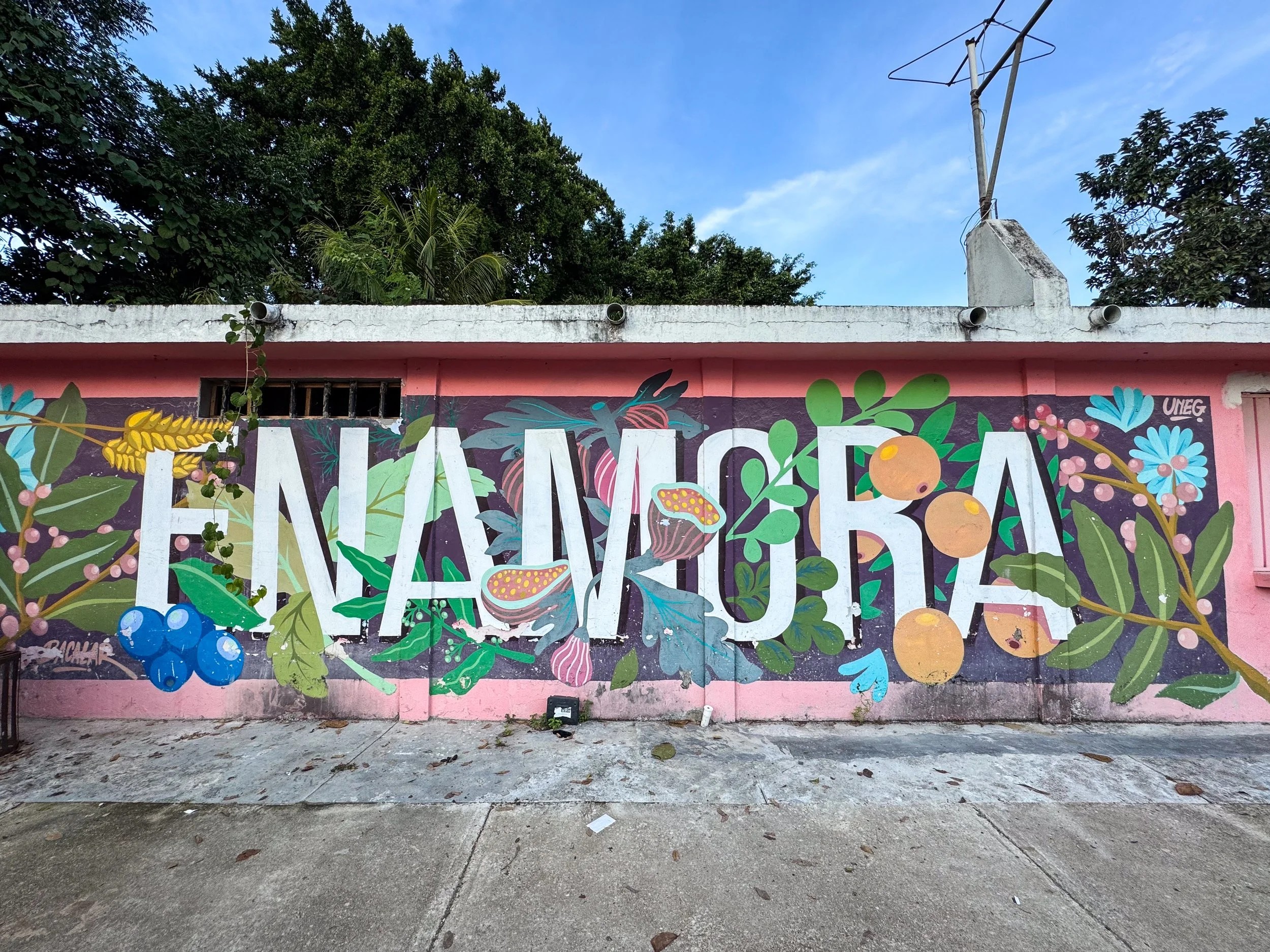
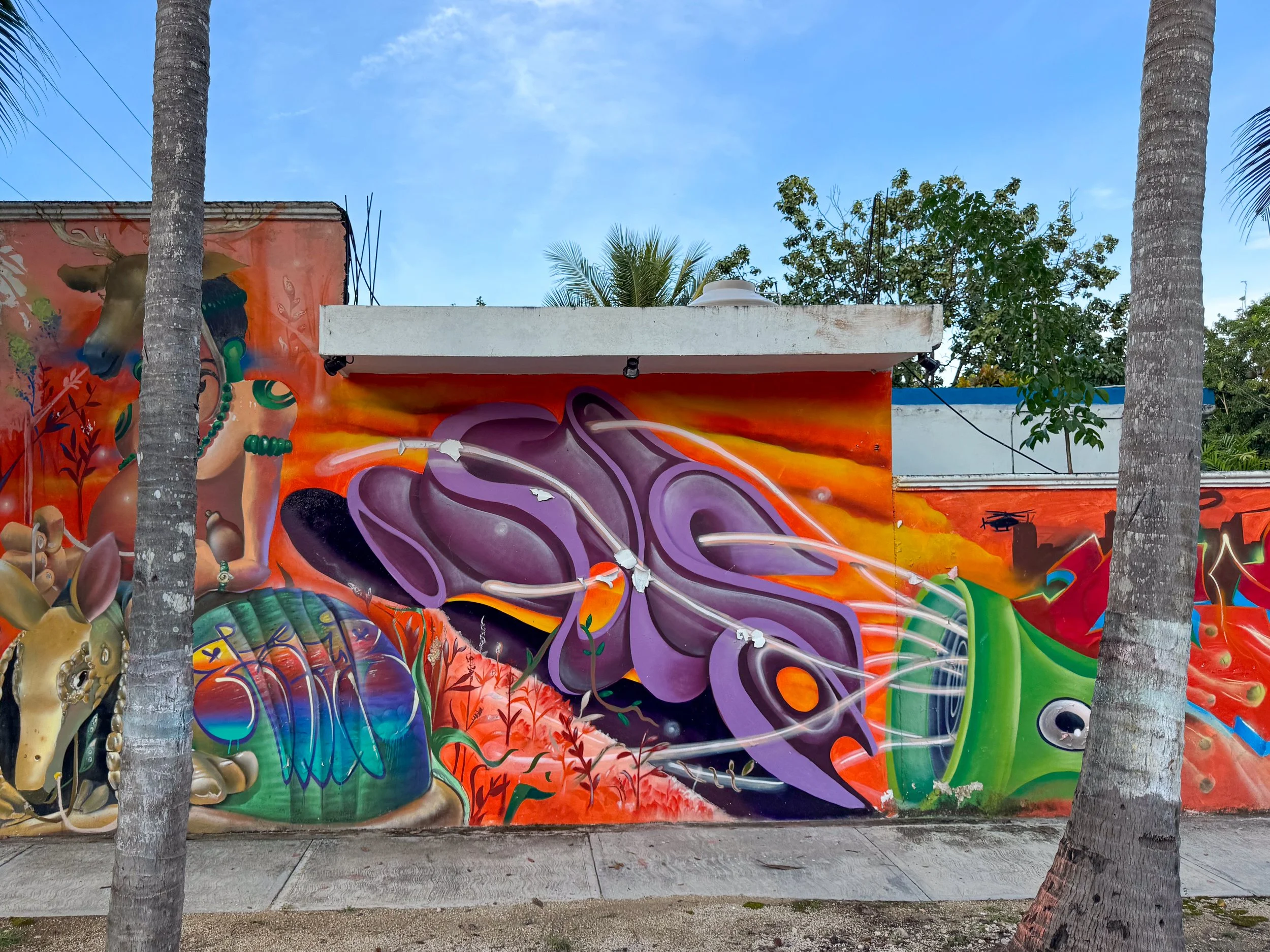
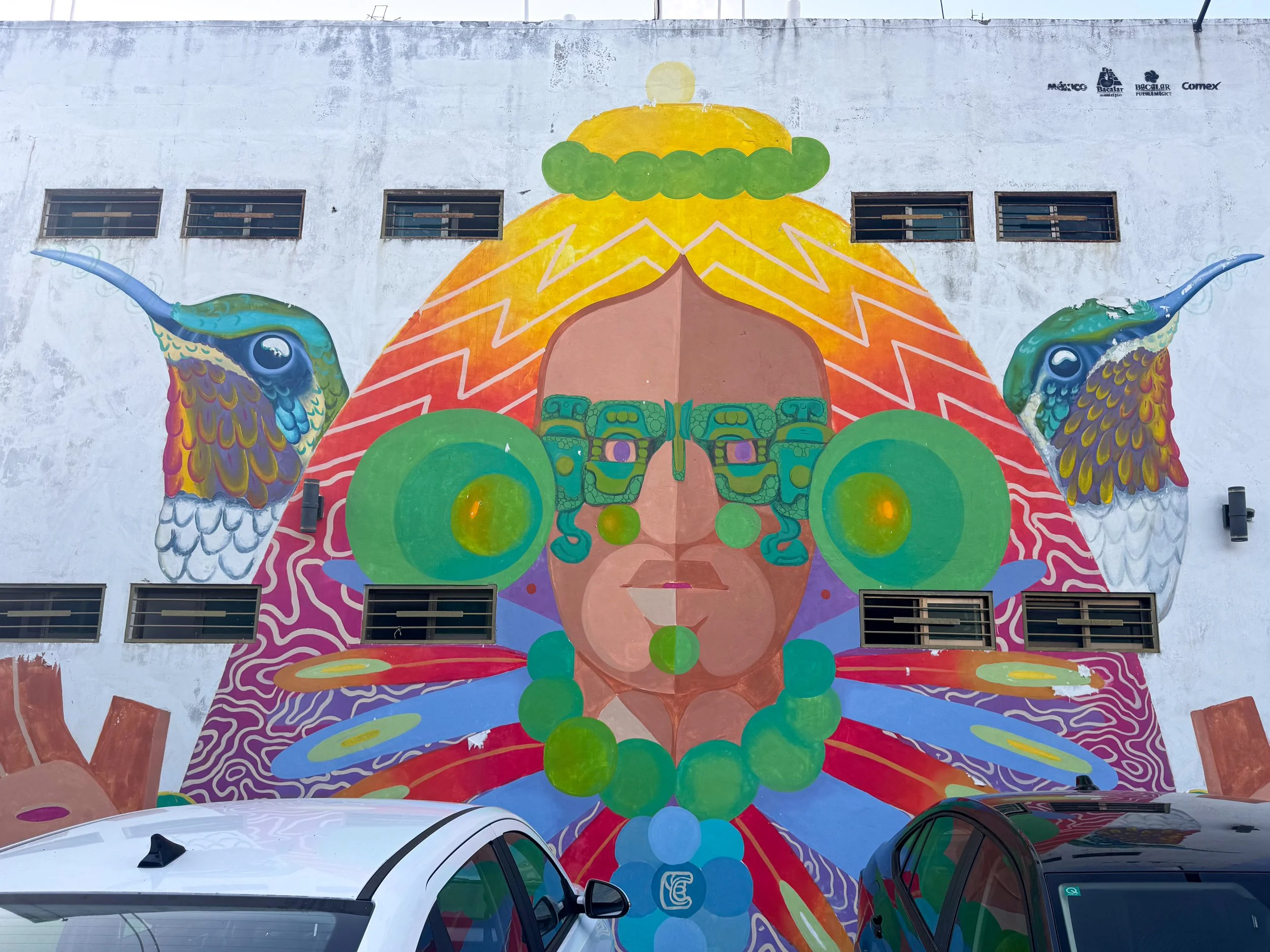
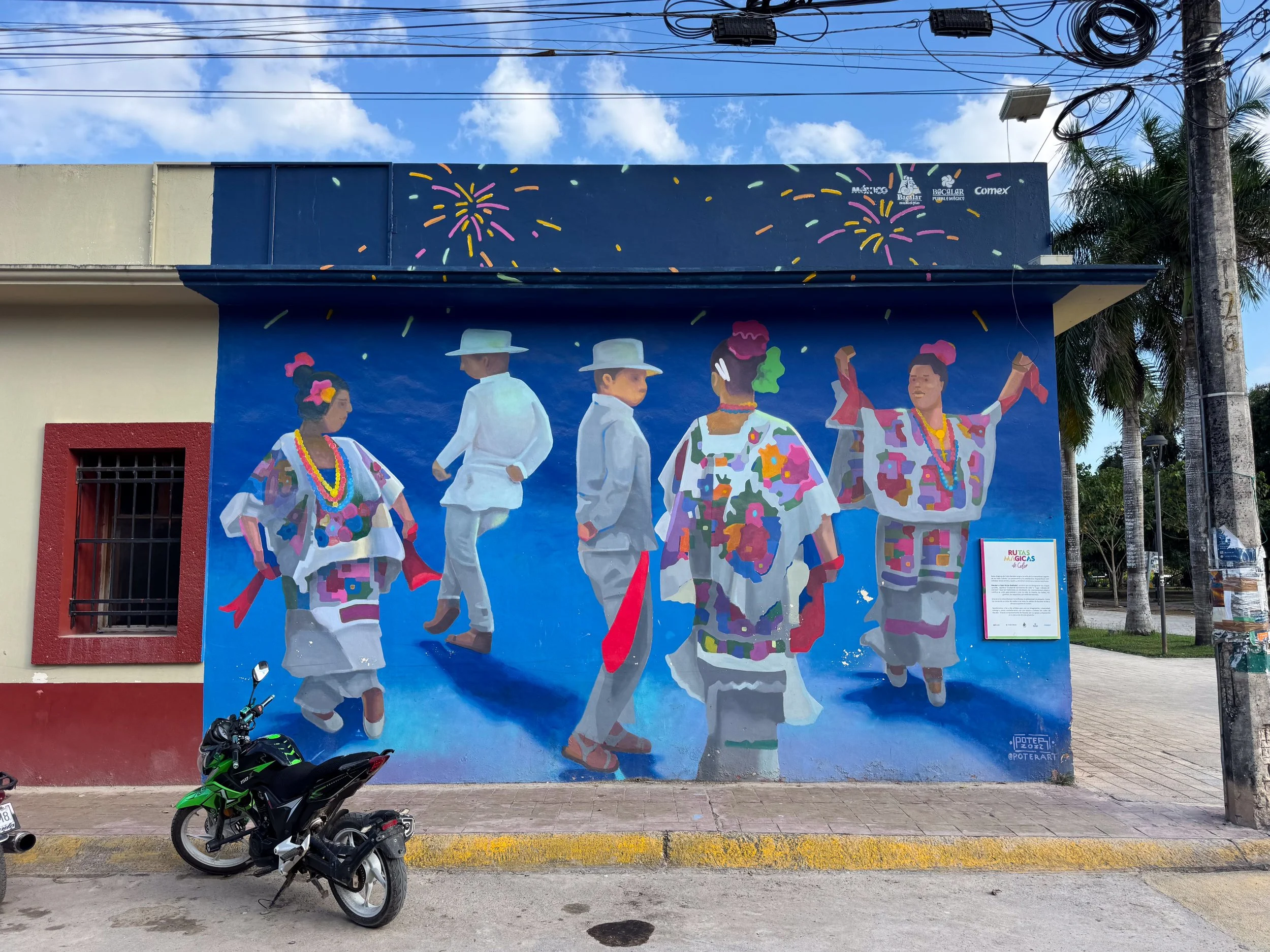
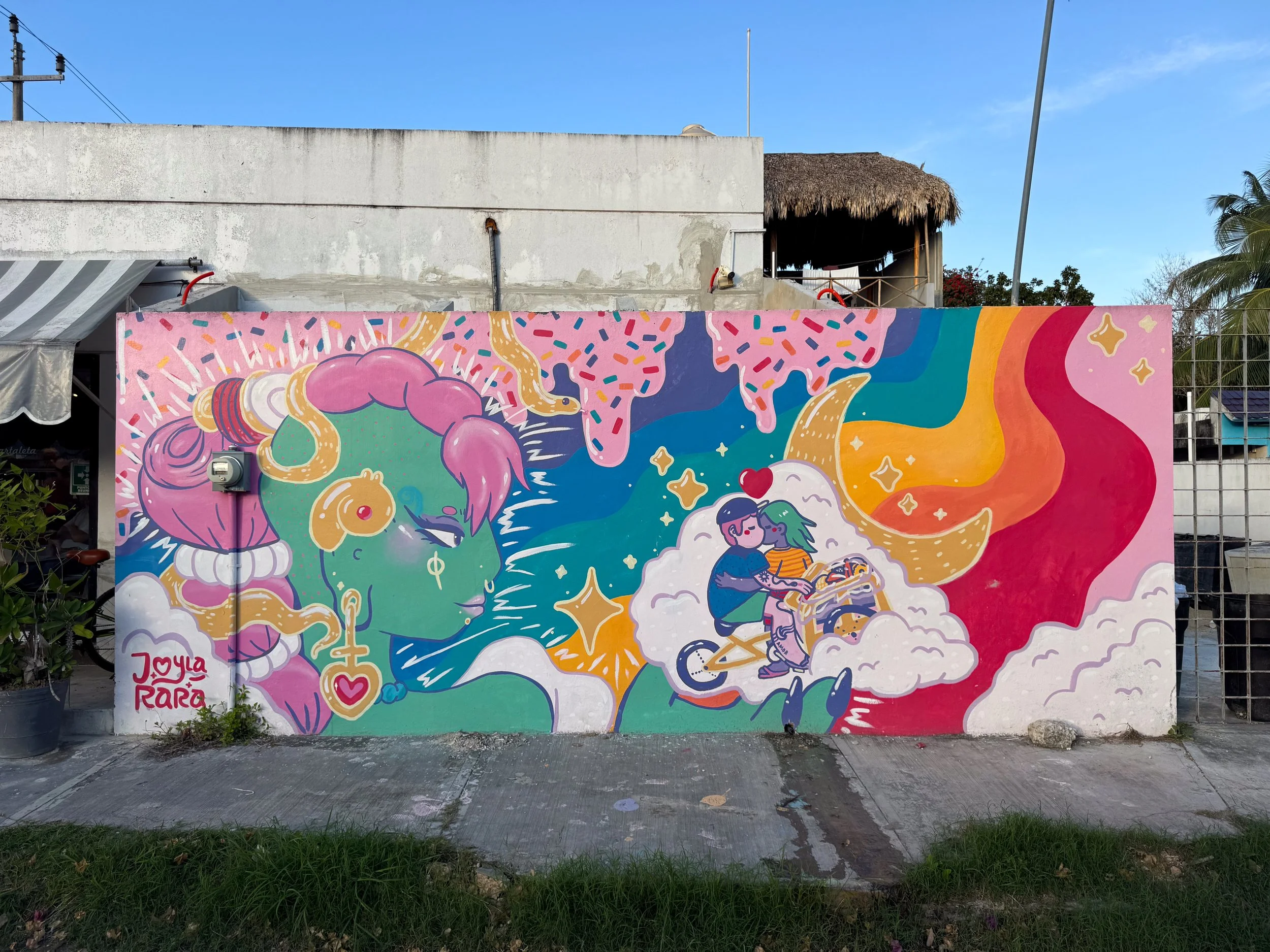
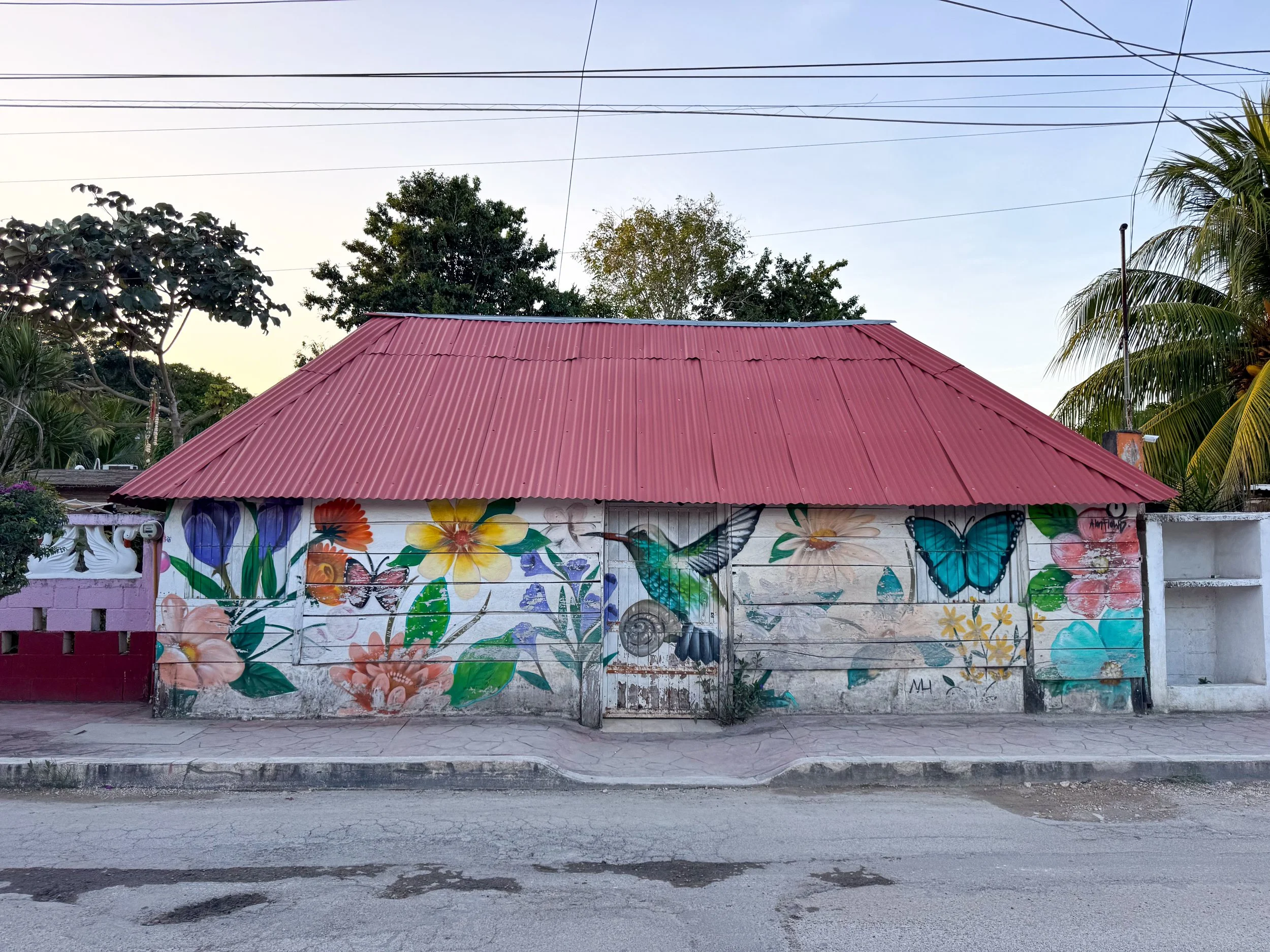
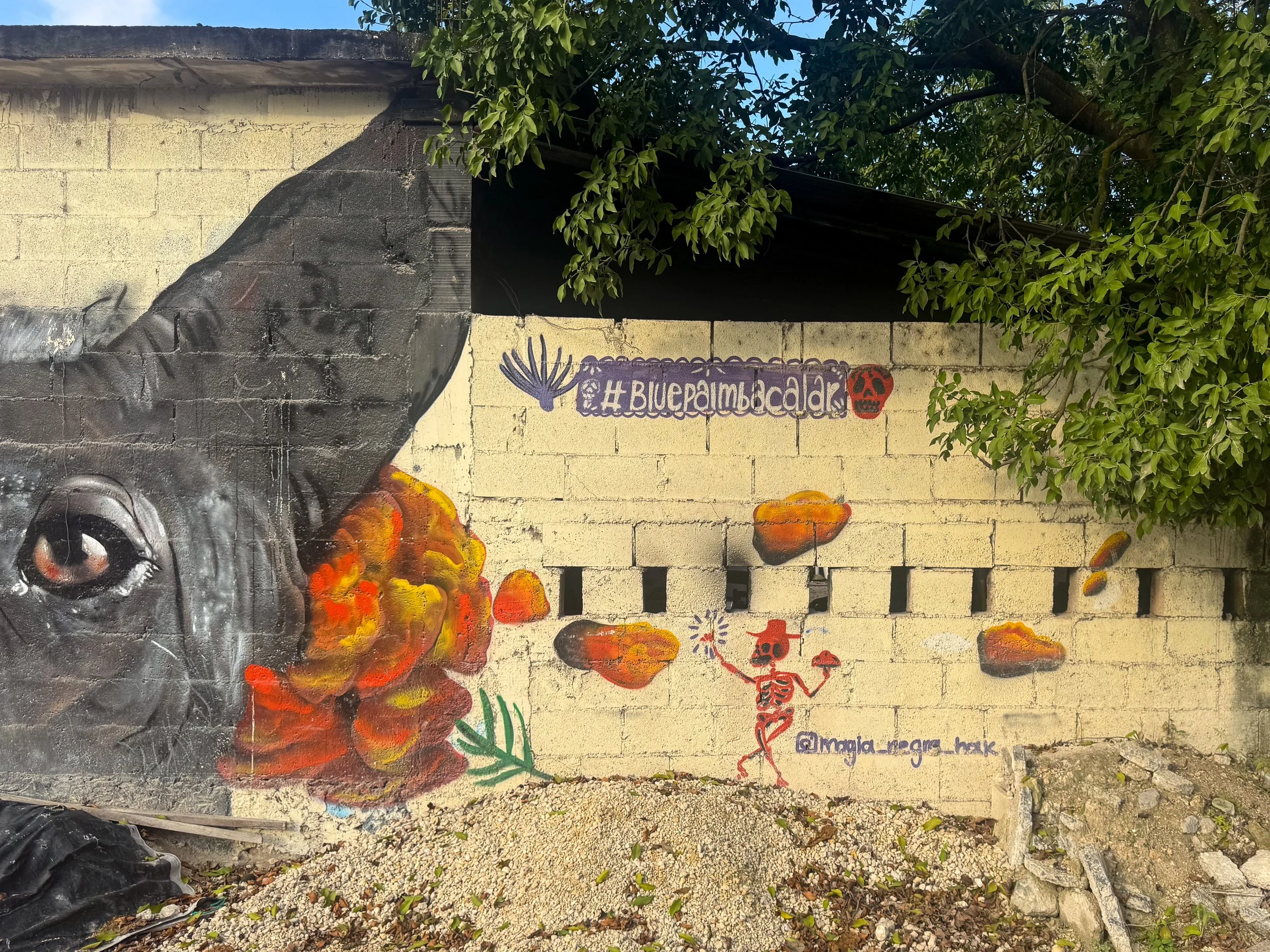
Bacalar is a small town centered around the Bacalar Lagoon. The pueblo has a very local atmosphere, less visited than the main tourist hubs of the Riviera Maya. The quiet streets are colored in murals depicting local life and culture. The area has a storied history dating back to the Mayan Empire, Spanish conquest and days of pirate attacks.
Zocalo Square. Bacalar’s main square is paved with stone walkways, small playgrounds, a craft market, verdant trees and bushes cut into the shape of roosters. Its surrounding streets are lined with restaurants, cafes, hostels, municipal buildings and the fort. In the late afternoon, vendors arrive with carts selling ice cream, churros, sliced mangos, grilled meats, elote, juices and coffee.
Marquesitas. A wafer thin crepe-like roll stuffed and topped with a range of sweet or savory toppings. They’re commonly sold at competing food carts in the Zocalo Square.
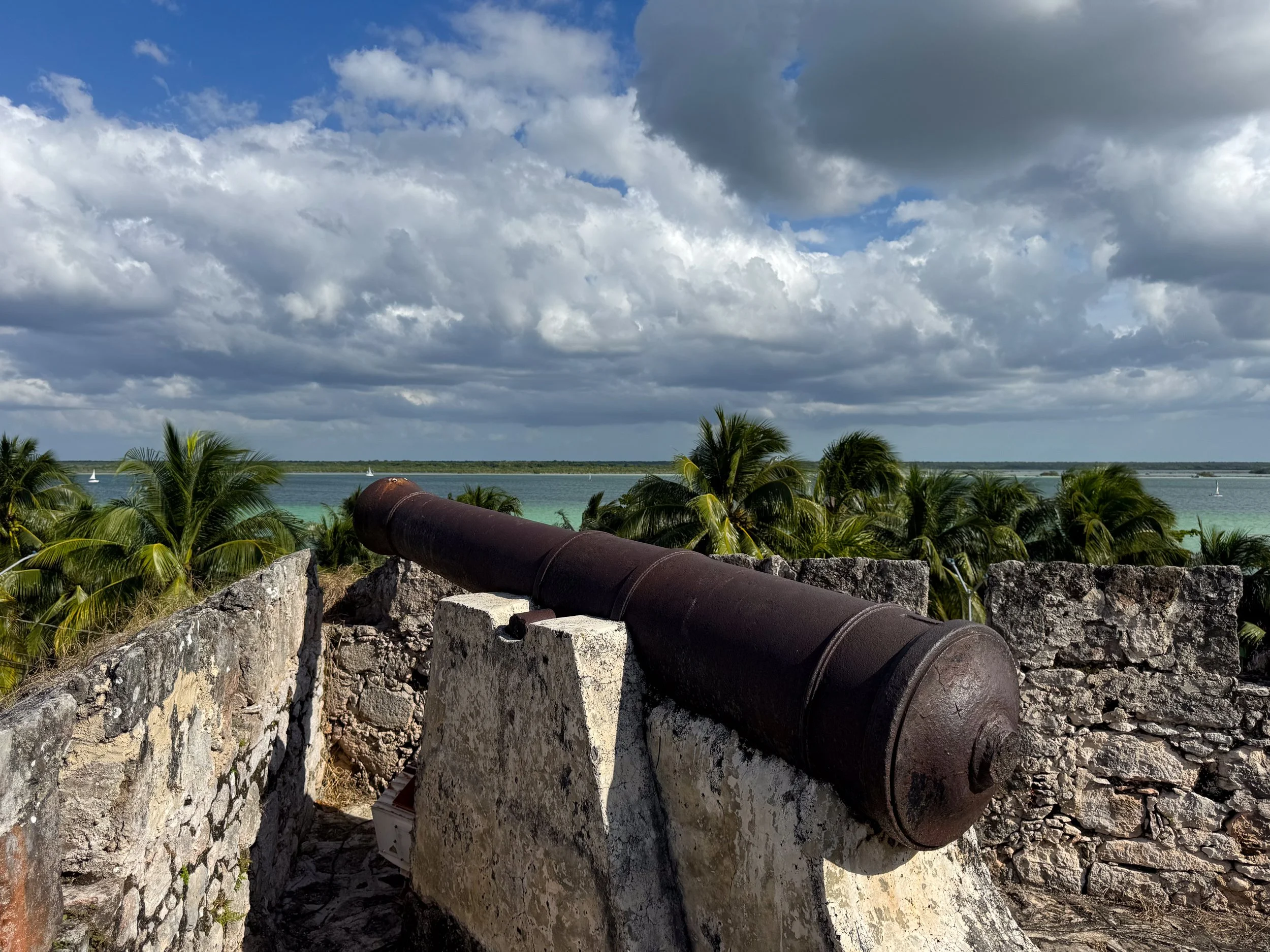
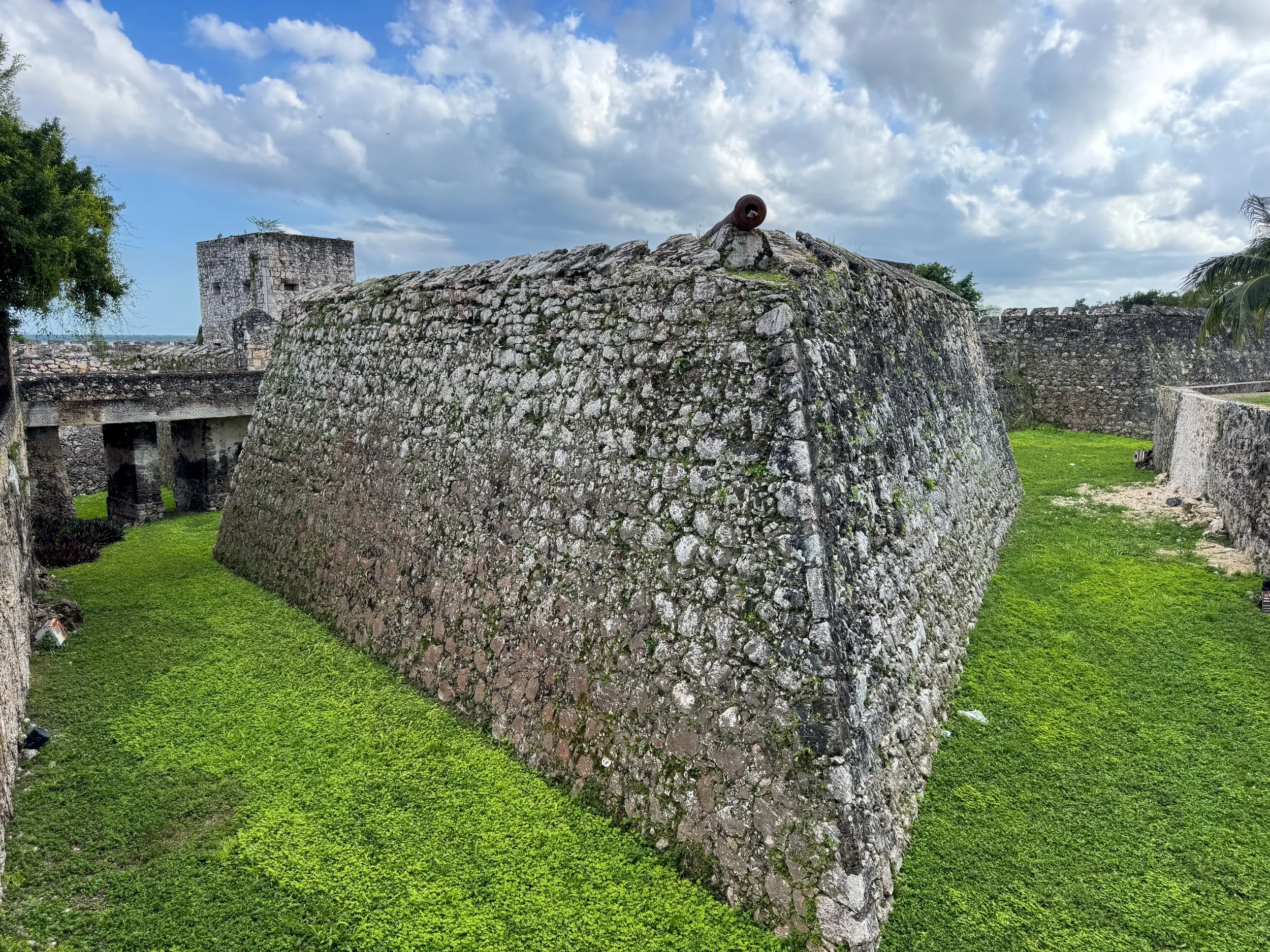
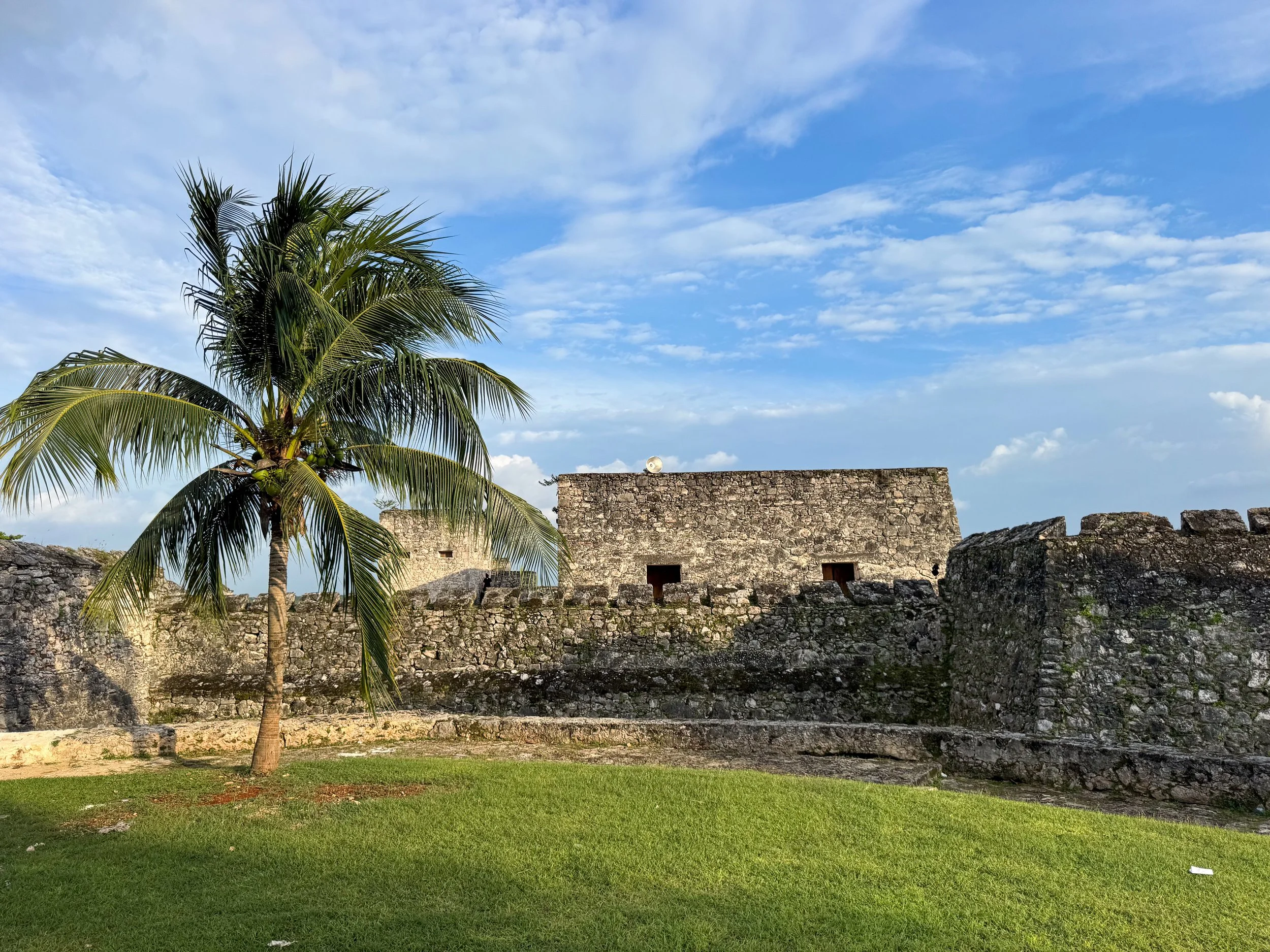
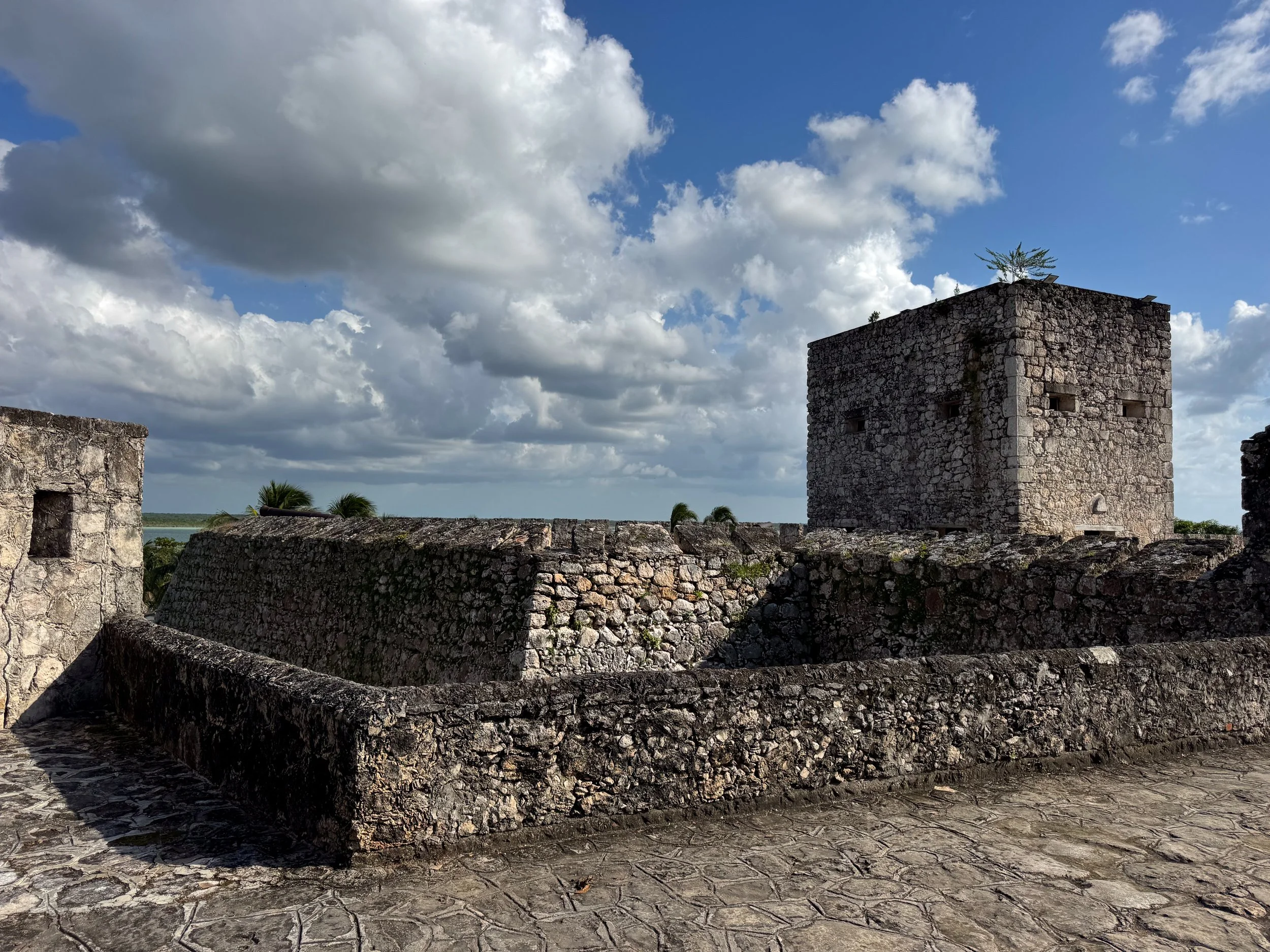
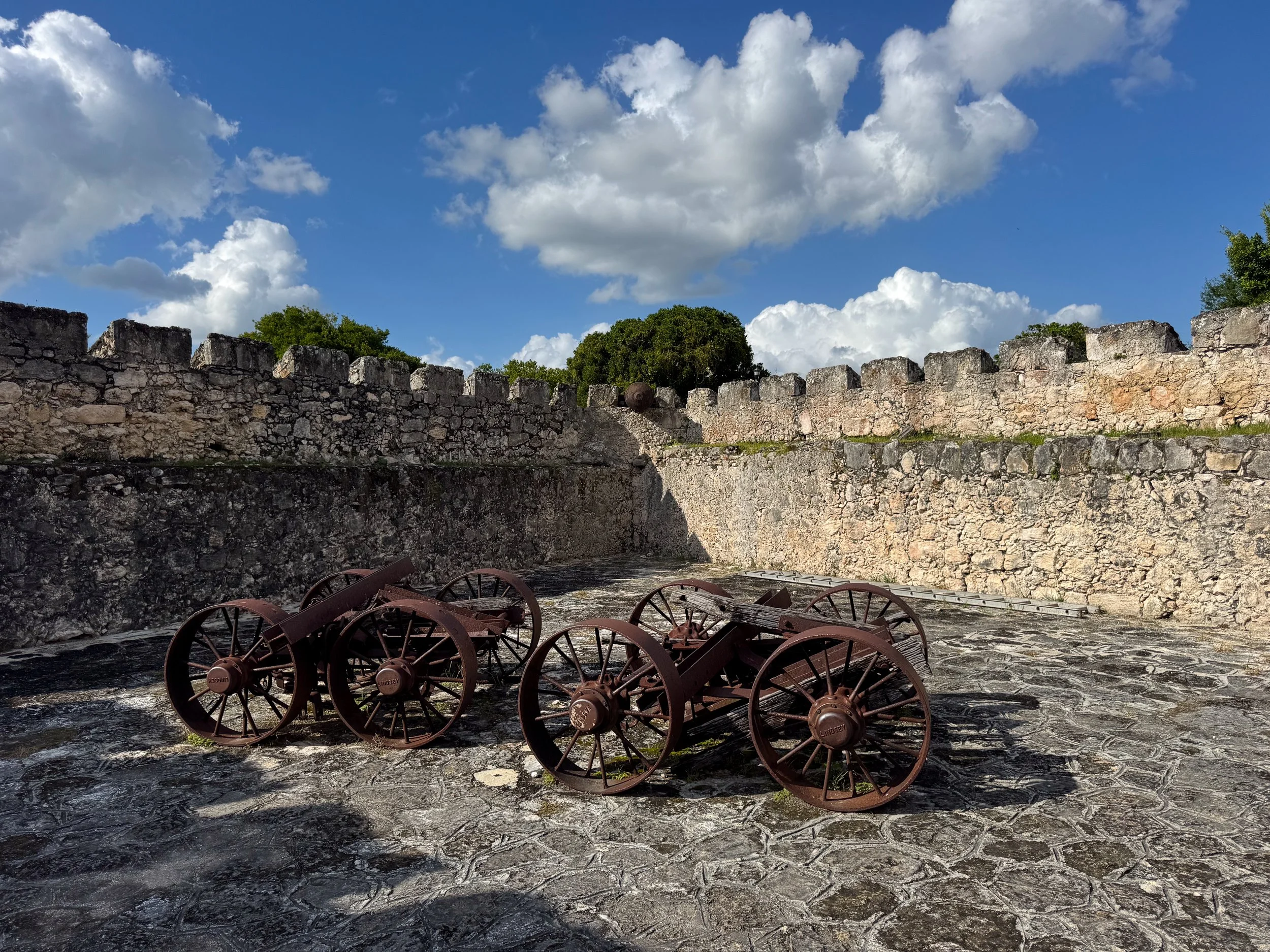
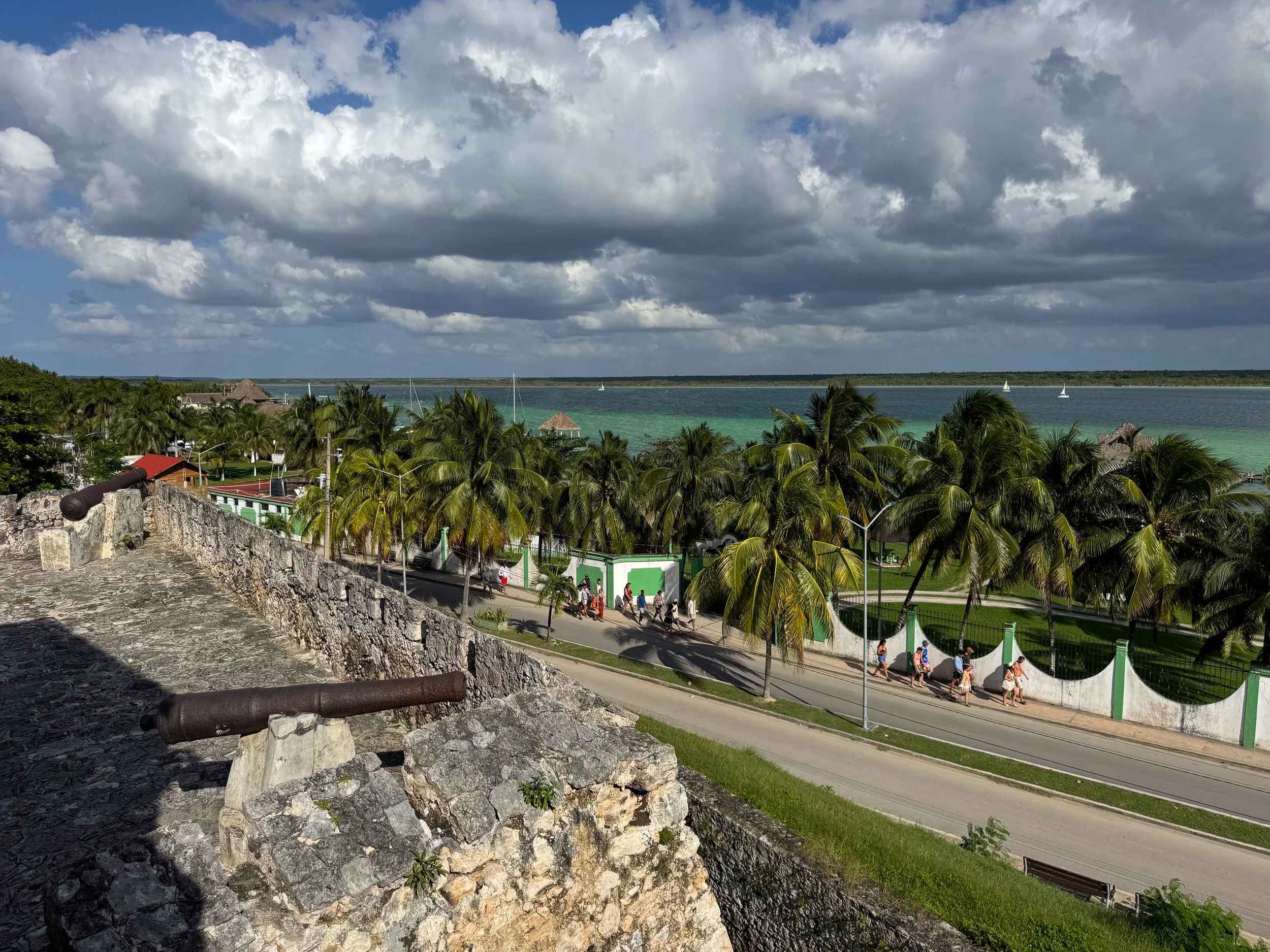
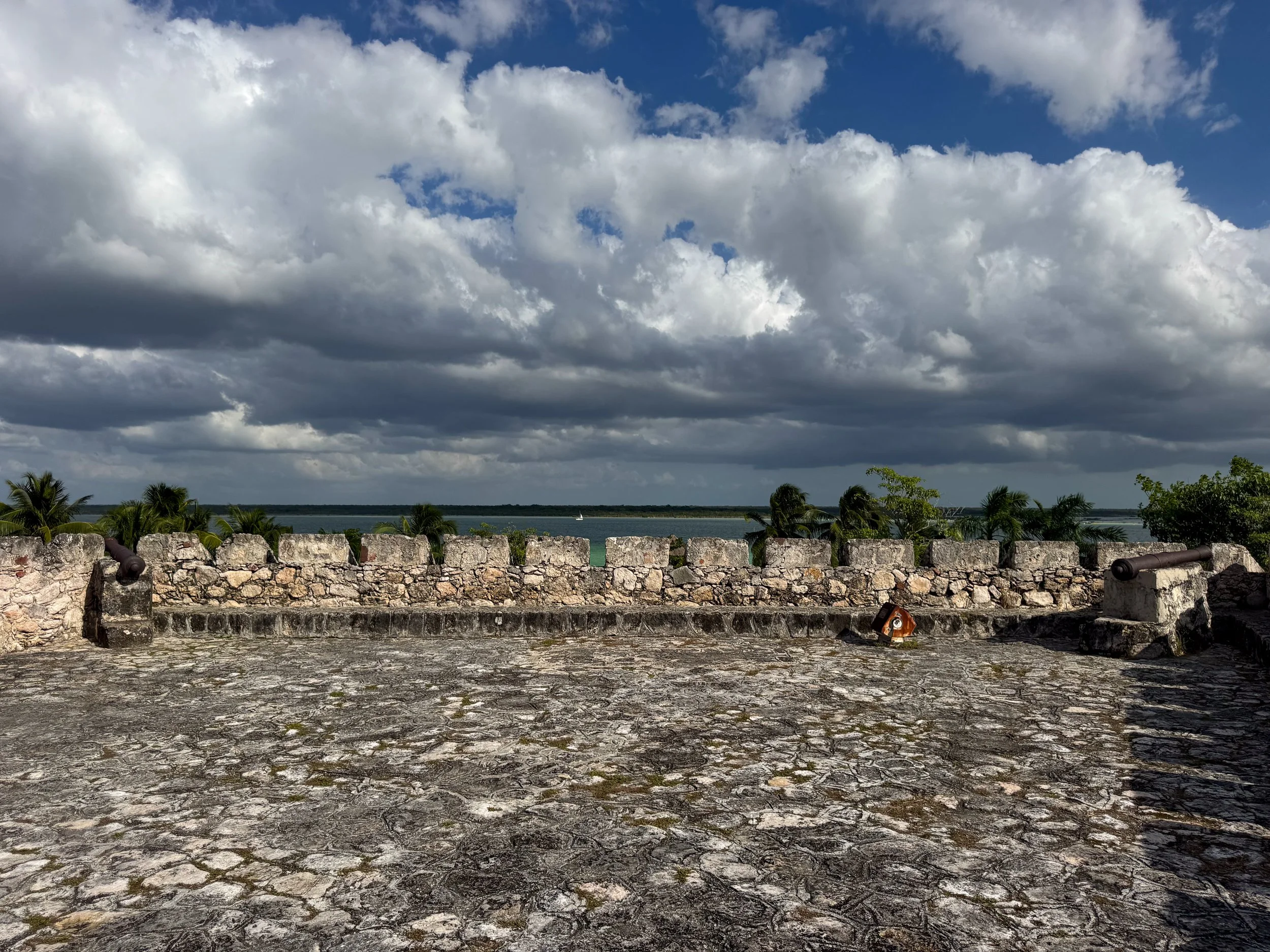
Fort San Felipe. A historic star shaped fortress with a steep moat and cannons pointing towards the lagoon, built to defend the city against pirate attacks, common during the Spanish colonization. Inside is a small museum dedicated to the history of Bacalar, its importance as a trading post for the Mayans, the brutal Spanish conquest and continual pirate raids.
Places to Eat & Drink
Cafe Arúgula. A cafe with health foods, smoothies, agua frescas, coffees and kombuchas. Its shaded outdoor deck is a comfy spot to spend the morning with floor cushions, hammock chairs and low sitting furniture. It’s a popular place with digital nomads and European expats.
La Burguesía del Pueblo. A second floor restaurant overlooking the Zocalo Plaza. Come here for Mexican appetizers, burgers and cocktails.
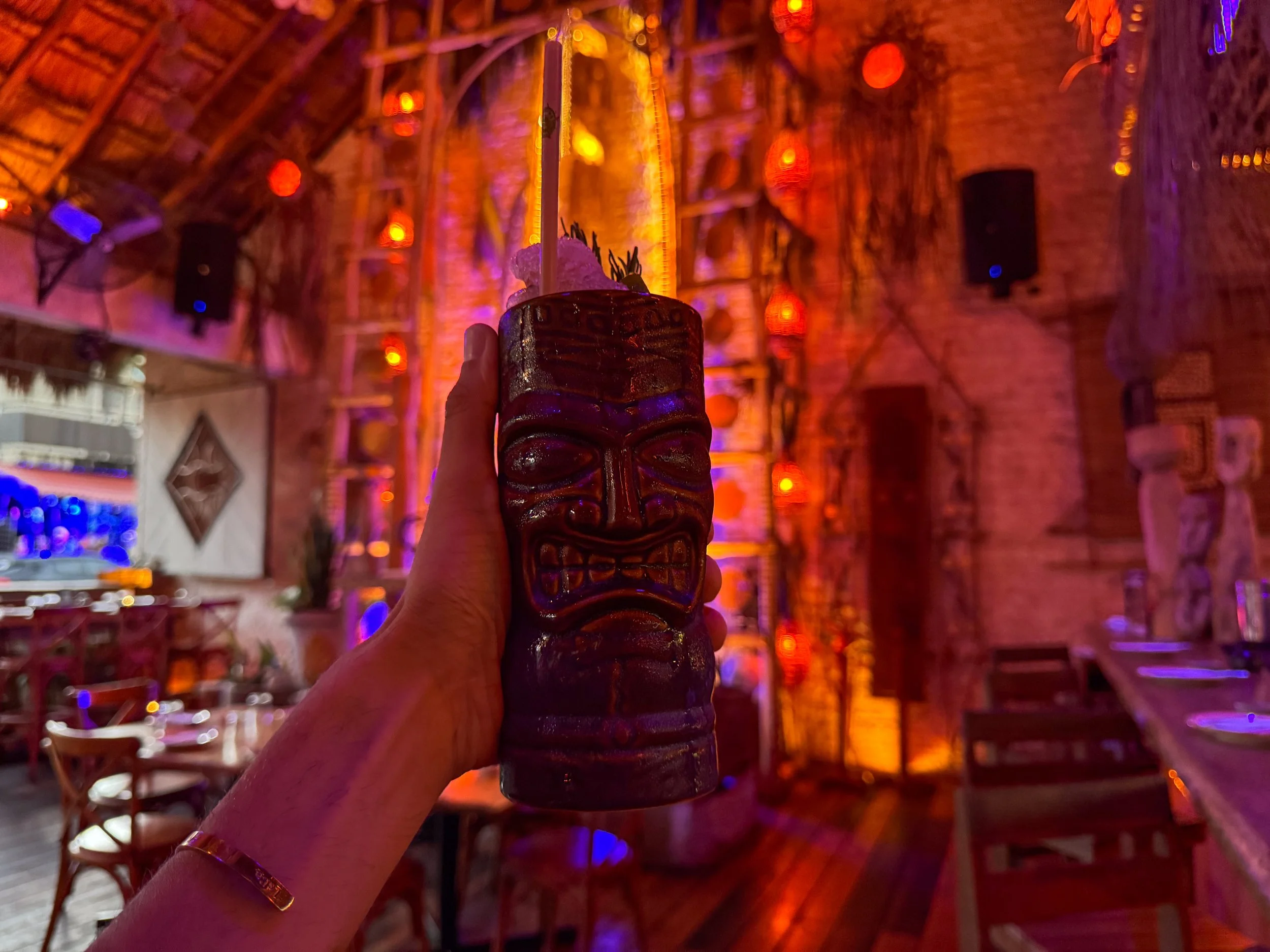
Fruta Bar Bacalar. A cocktail bar merging Mexican and Caribbean flavors in a warm and natural space decorated with warm lights, dim candles, tropical plants, dried palm fronds and wooden furniture. It’s connected to a sushi restaurant. We ordered the Spicy Love and The Tiki.
Spicy Love. A cocktail made with tequila, mezcal, habanero and grapefruit juice.
The Tiki. A cocktail made with mezcal, aperol, passion fruit, pineapple and agave honey.
Panaderia La Tataleta. A local bakery with traditional Mexican pastries like conchas, medialunas, orejas and Rosca de Reyes. The latter is a pan dulce served on 3 Kings Day, a bread ring with colorful candied fruits as decoration.
Getting Around
By Bus. Arrive and depart from Bacalar by ADO Bus. Buses regularly connect Bacalar to various destinations along the Riviera Maya and Yucatán. The lagoon is located about 2 hours from Tulum.
On Foot. The city center is walkable with hotels, restaurants and sights all within 20 minutes of each other.
By Taxi. Taxis are fair and affordable in Bacalar. They’re the easiest way to see sights further along the lagoon. Flag one down, negotiate a price and request their WhatsApp for future rides.
Elsewhere in Mexico
From the tranquil waters of Bacalar to ancient Maya ruins, bustling cities and surf towns along the Pacific, discover more of Mexico through these travel guides:
Caribbean Mexico
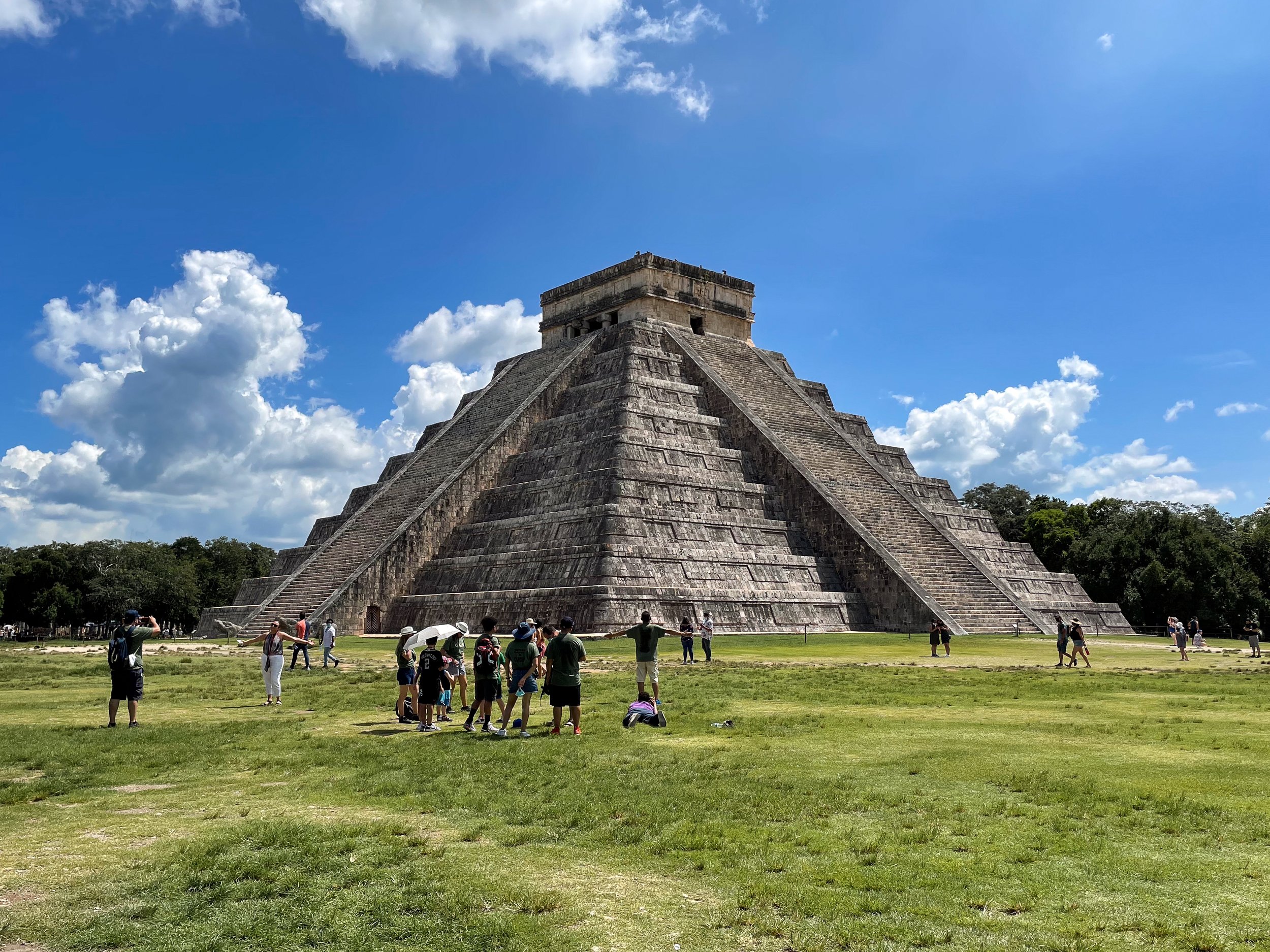
Riviera Maya Travel Guide: Beaches, Cenotes & Mayan Ruins. Discover the Riviera Maya's white sand beaches, turquoise waters, hidden cenotes, ancient Mayan ruins and vibrant culture along Mexico's Caribbean coast.
Tulum Travel Guide: Cenotes, Beaches & Mayan Ruins. Explore Tulum's cliffside Mayan ruins, white sand beaches, hidden cenotes and jungle landscapes along Mexico's turquoise Caribbean coast.
Central Mexico
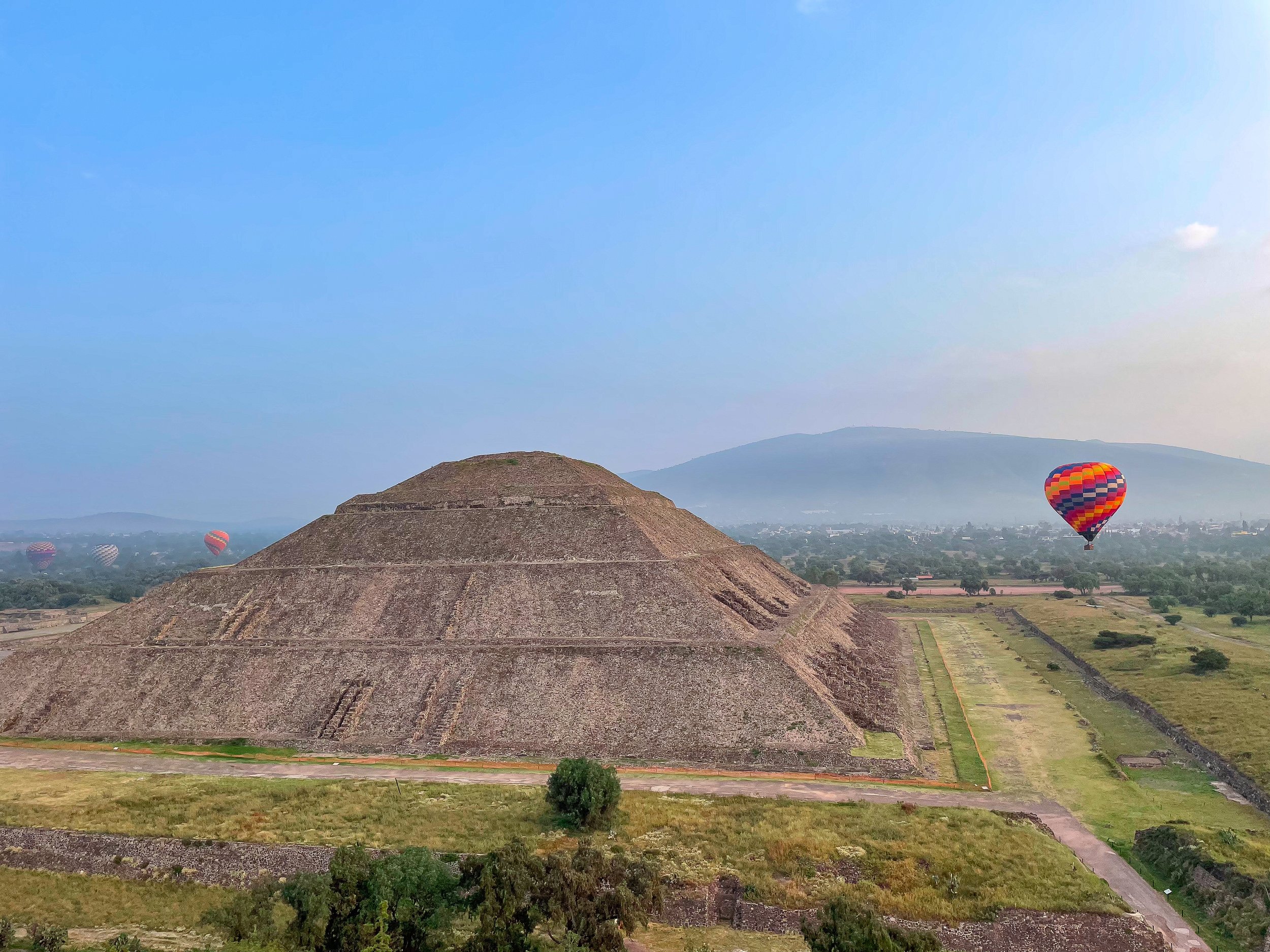
Mexico City Travel Guide: Neighborhoods, Food & Local Culture. Wander through Mexico City's vibrant neighborhoods, local markets and cultural landmarks where centuries of history, cuisine and modern life converge.
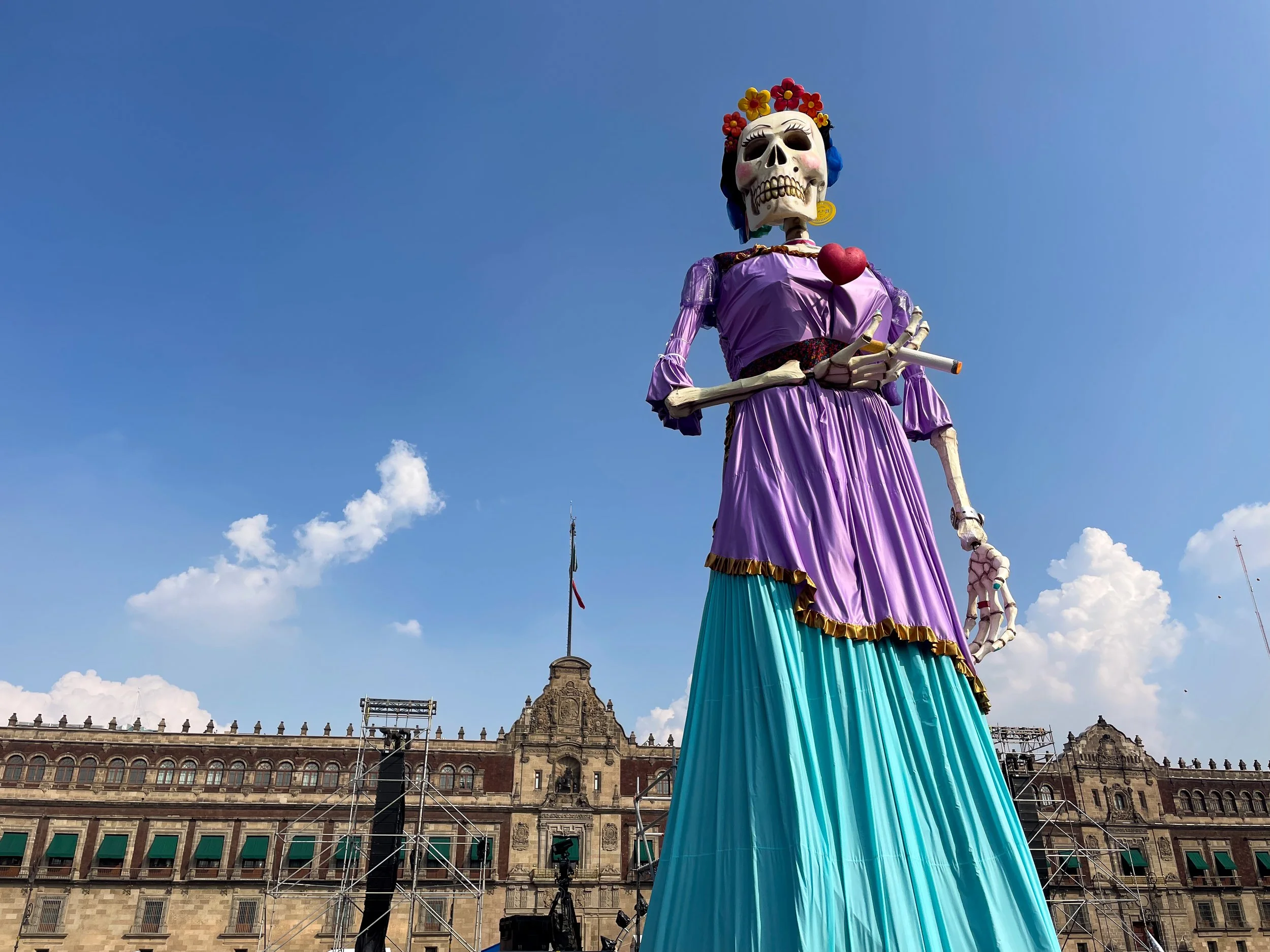
Day of the Dead in Mexico City (Día de los Muertos) Travel Guide. Experience Day of the Dead in Mexico City through cultural traditions, lively celebrations and vibrant ofrendas honoring loved ones and ancestral heritage.
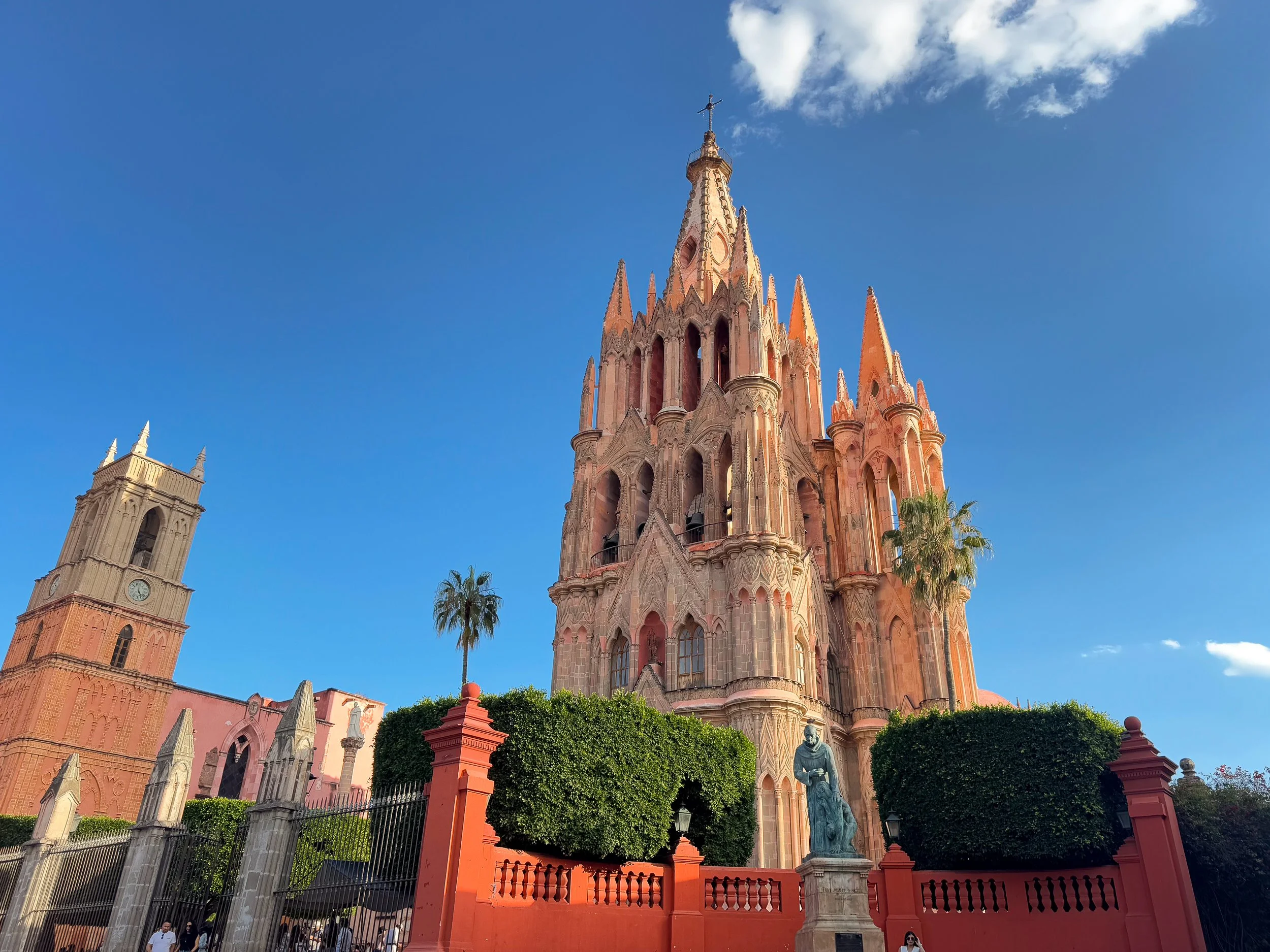
San Miguel de Allende Travel Guide: Food, Art & Colonial Charm. Stroll through San Miguel de Allende's cobblestone streets and historic plazas where cuisine, art and music bring one of Mexico's most charming colonial cities to life.
Southern Mexico
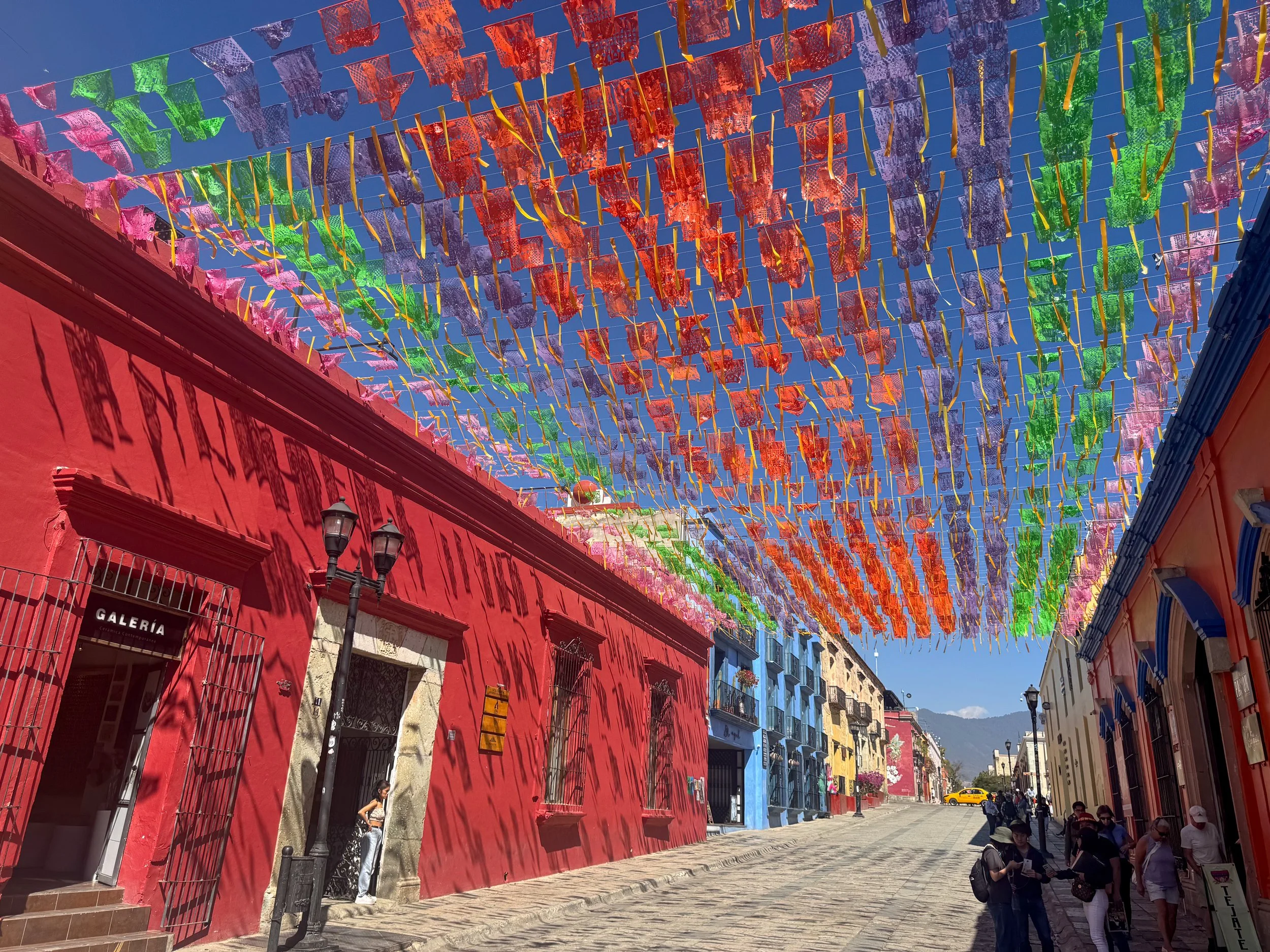
Oaxaca Travel Guide: Food, Mezcal & Cultural Experiences. Immerse yourself in Oaxaca, Mexico's cultural hub for vibrant markets, artisanal mezcal, regional cuisine, scenic landscapes and centuries of tradition.
Puerto Escondido Travel Guide: Beaches, Surfing & Coastal Culture. Escape to Puerto Escondido, a laid back surf town on Oaxaca's Pacific coast where palm lined beaches and sandy streets embody coastal culture.
For Next Time…
Ruins of Calakmul. Calakmul was once one of the most populous and powerful Mayan cities in the Yucatán. Its ruins with pyramids, temples, ball courts, plazas and various structures are buried deep within the jungle near the border with Guatemala. We had a full day tour scheduled from Bacalar but had to cancel last minute due to food poisoning. It’s at the top of our list next time we return to the Yucatán. Book here!