Vieques Puerto Rico Travel Guide: Mosquito Bay, Beaches & Island Adventures
Vieques
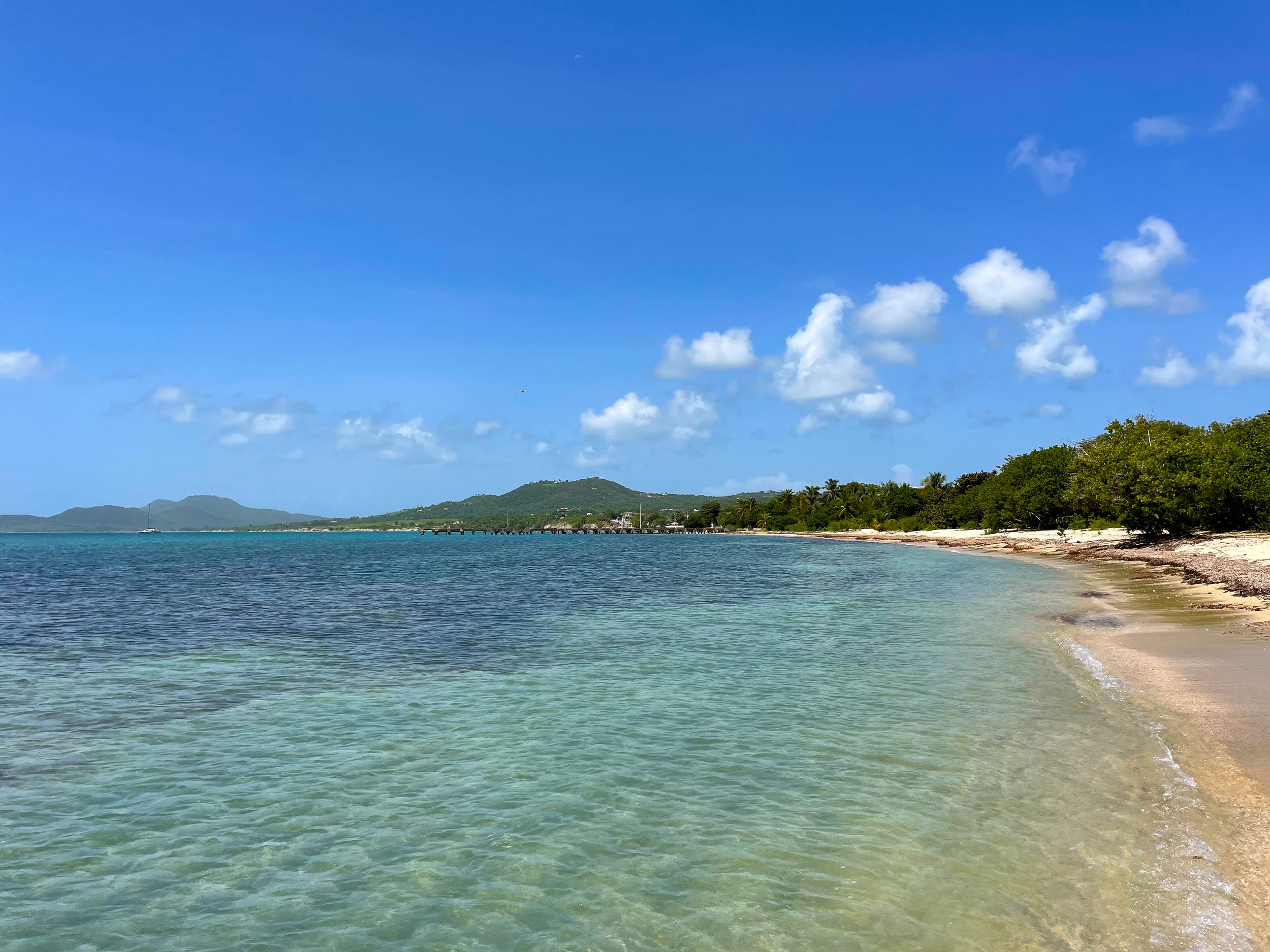
Vieques is an island six miles off the coast of Puerto Rico. It’s home to a bioluminescent bay, free roaming horses, white and black sand beaches, turquoise swimmable water, marine reserves and two small towns.
Isabel Segunda. The main town on the north side of the island with the ferry terminal, grocery stores, restaurants, hotels and souvenir shops.
Esperanza. A sleepy town on the south side of the island with restaurants, hotels, tour companies and beaches.
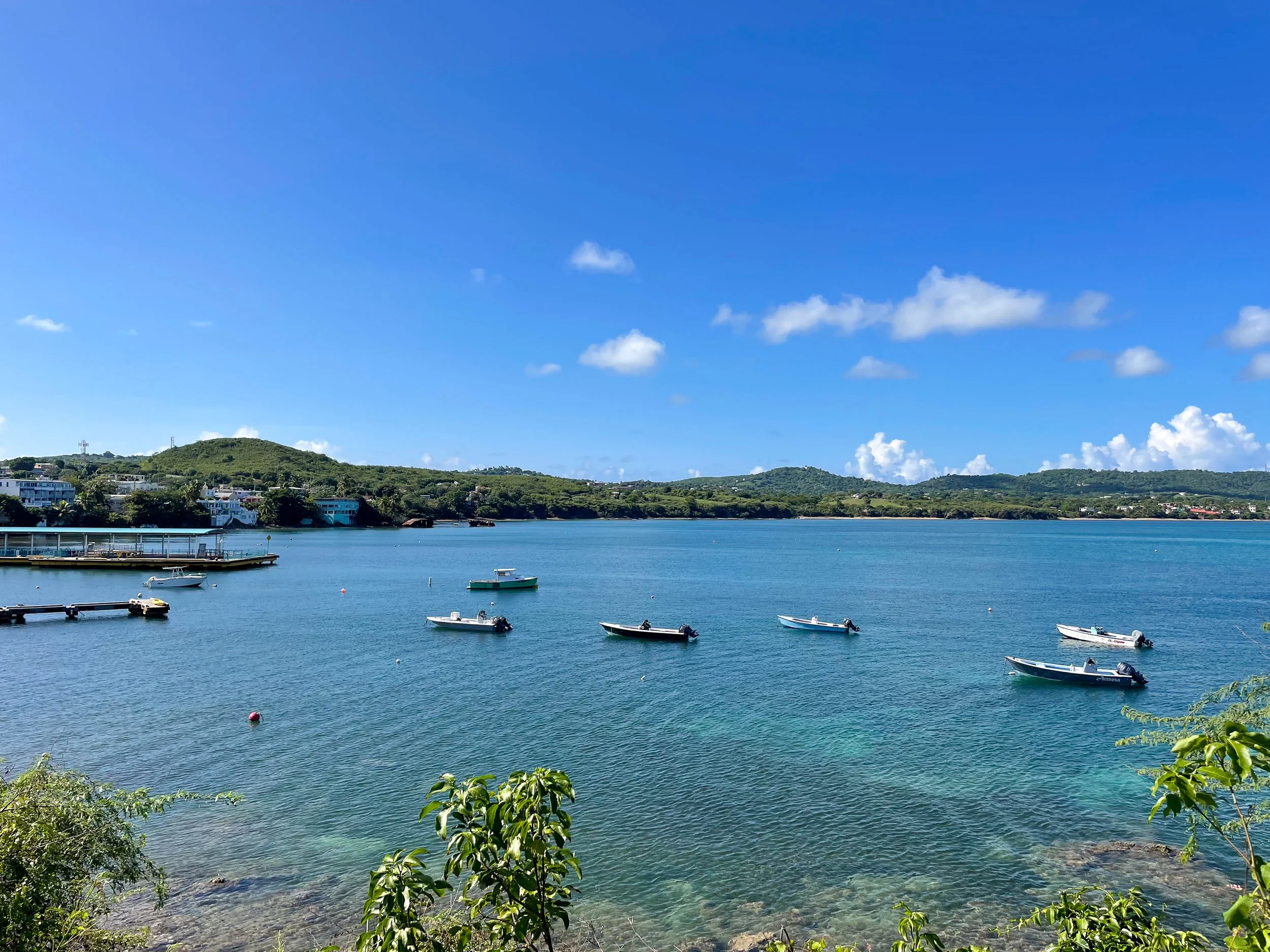
See the Sights
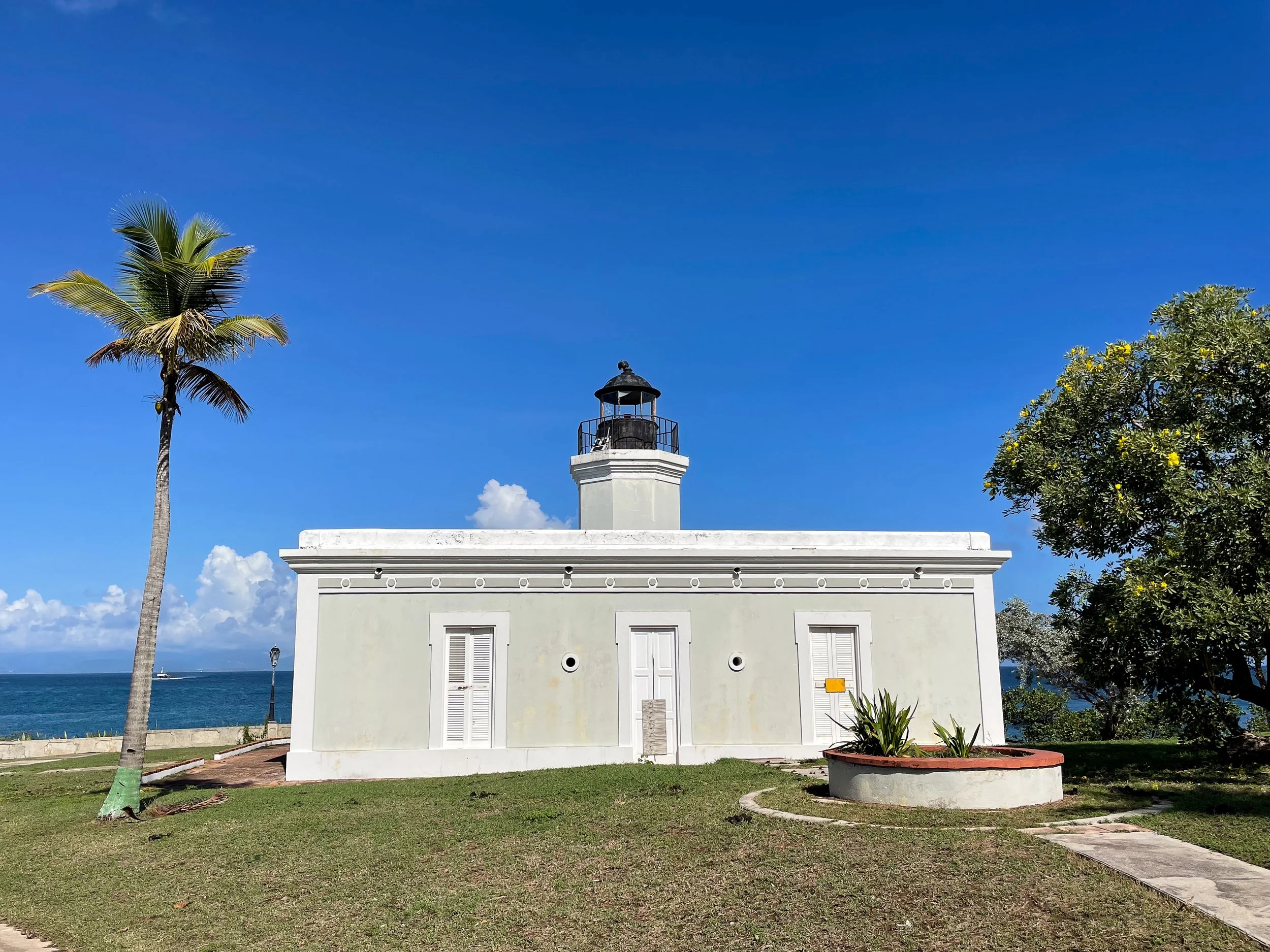
Faro Puerto Mulas. A small abandoned lighthouse overlooking Isabel Segunda.
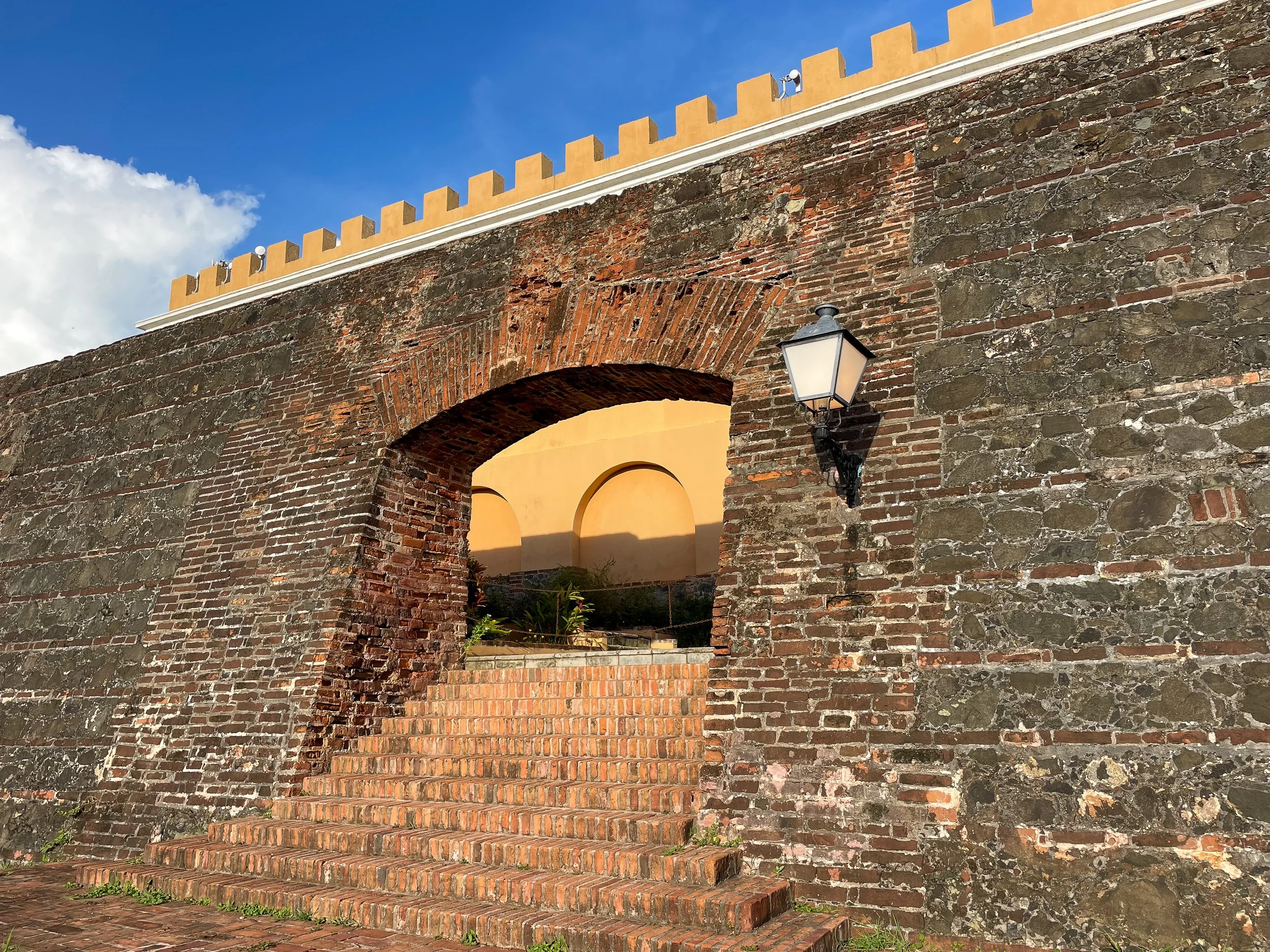
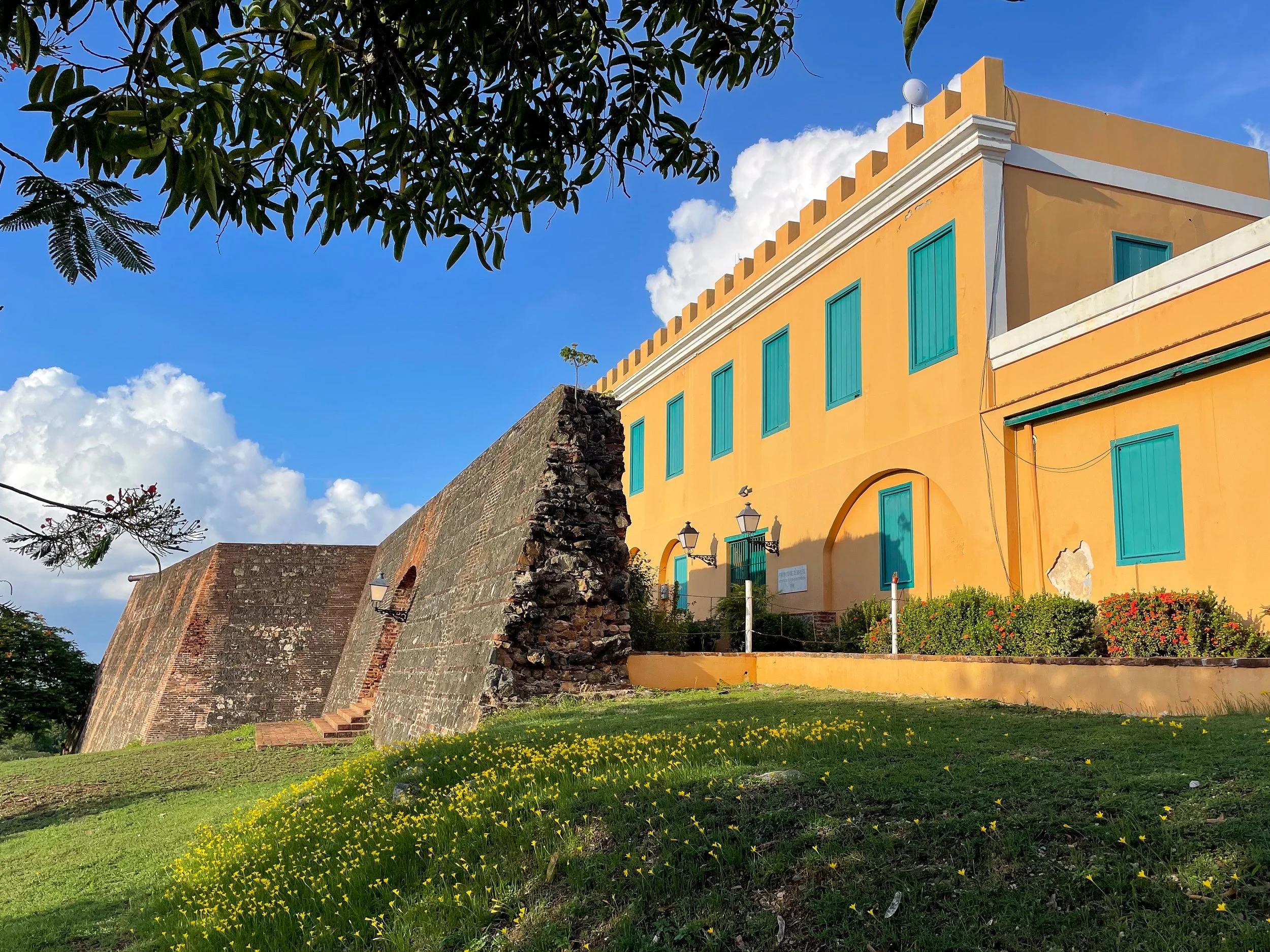
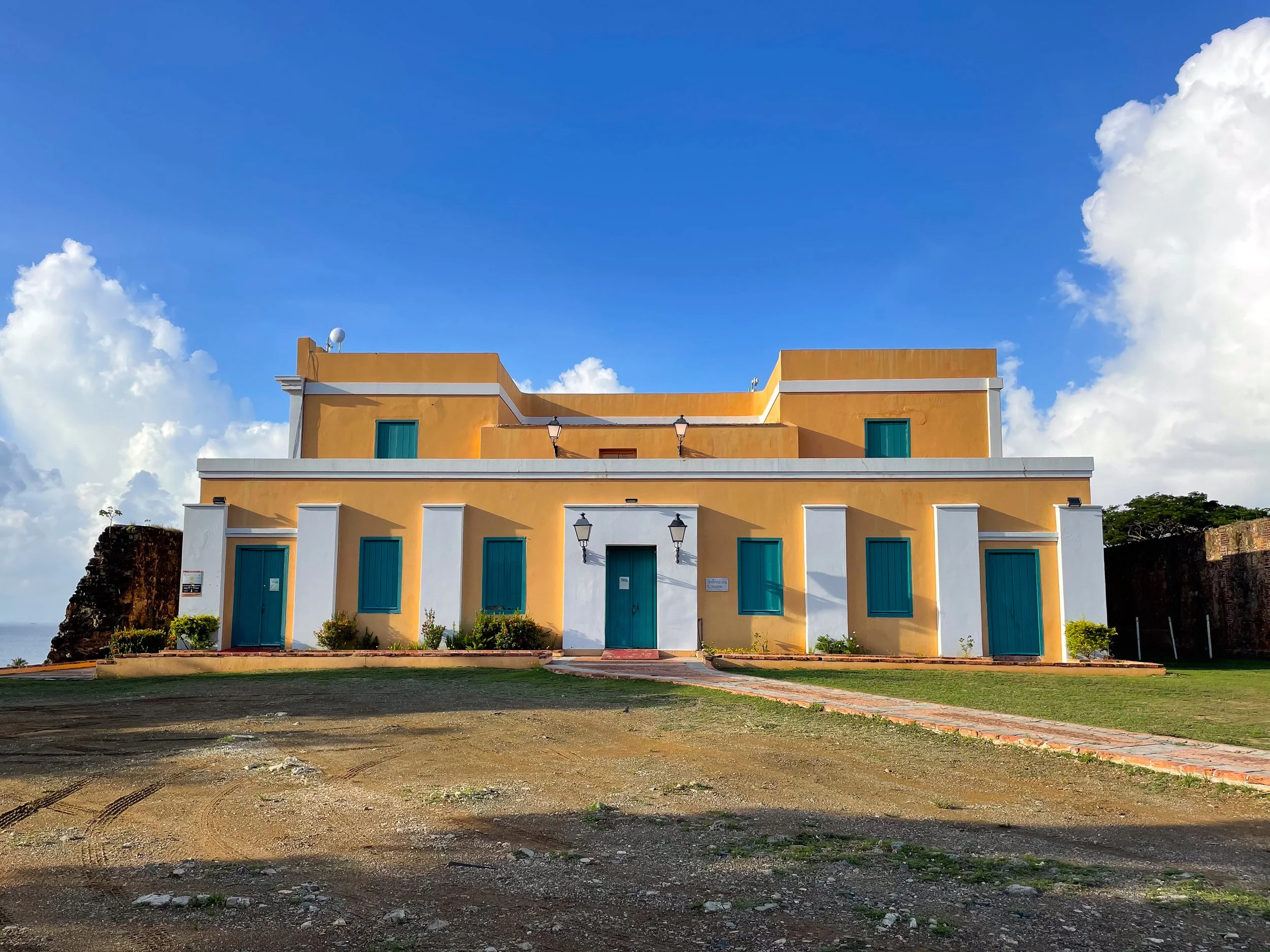
El Fortín De Conde Mirasol. A small Spanish fort overlooking the town of Isabel Segunda surrounding a blue and orange painted museum.
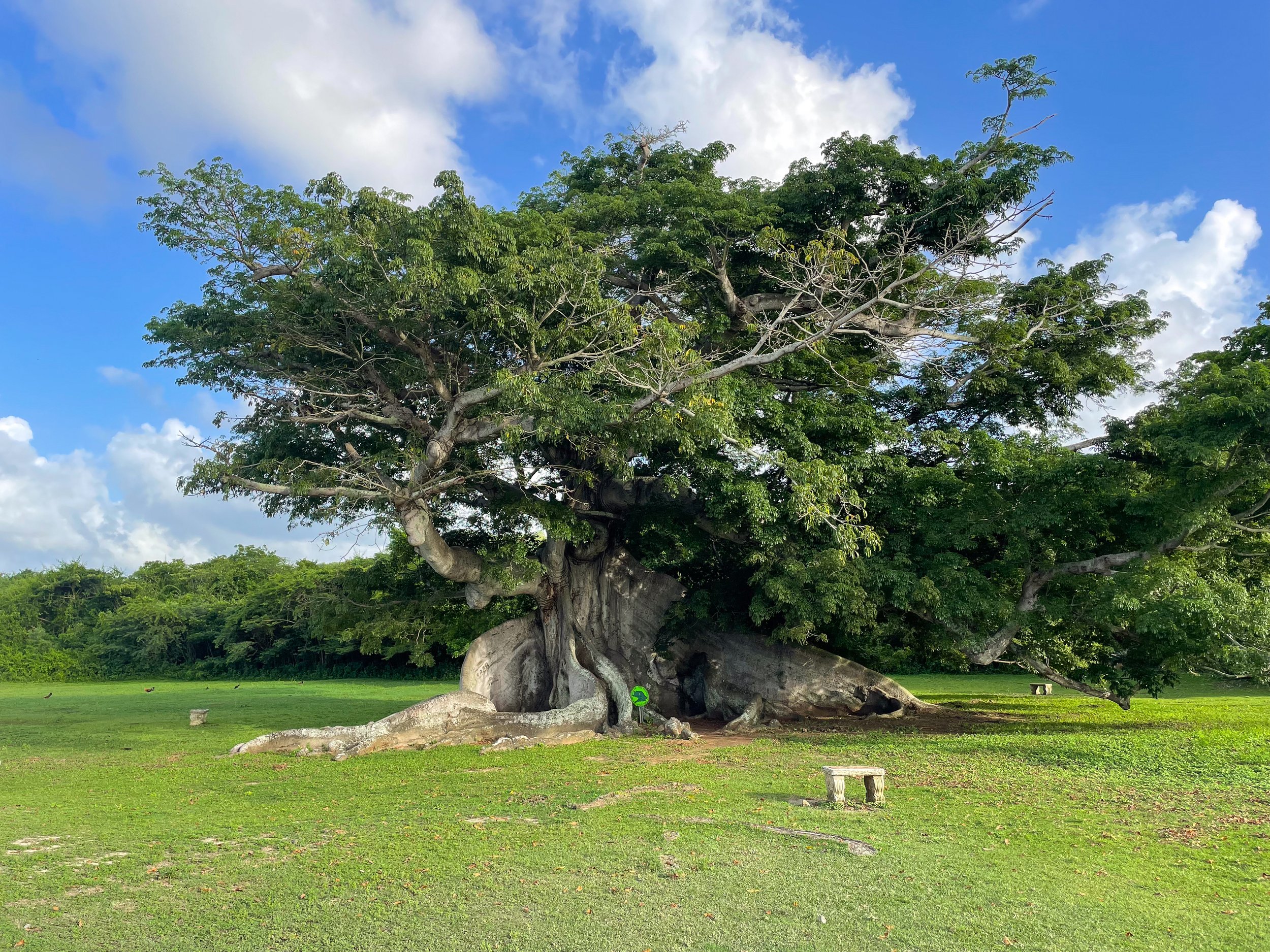
300 Year Old Ceiba Tree. A sacred tree known for its age and impressive root structure. It’s located between the airport and Mosquito Pier.
Mosquito Pier. A mile long pier on the north side of the island. Come here to spot marine life including eagle rays, sea turtles and jellyfish.
Paso Fino Horses. The island is home to over 2,000 free roaming horses. They are tame and can be found walking the beaches, grazing in fields and along the road sides. Watch out for piles of horse manure. Various companies offer riding tours along the beaches.
Vieques National Wildlife Refuge. A nature reserve that covers more than half the island and includes bays, mangrove forests, salt flats, hiking trails, beaches and coral reefs.
Crab Island Rum Distillery. Visit the island’s only rum distillery! Crab Island produces 14 month, 3 year and orange flavored rums. Most bars and restaurants on the island serve their rum. Go to Bili for a Rum Island Iced tea made from all three!
Things to Do
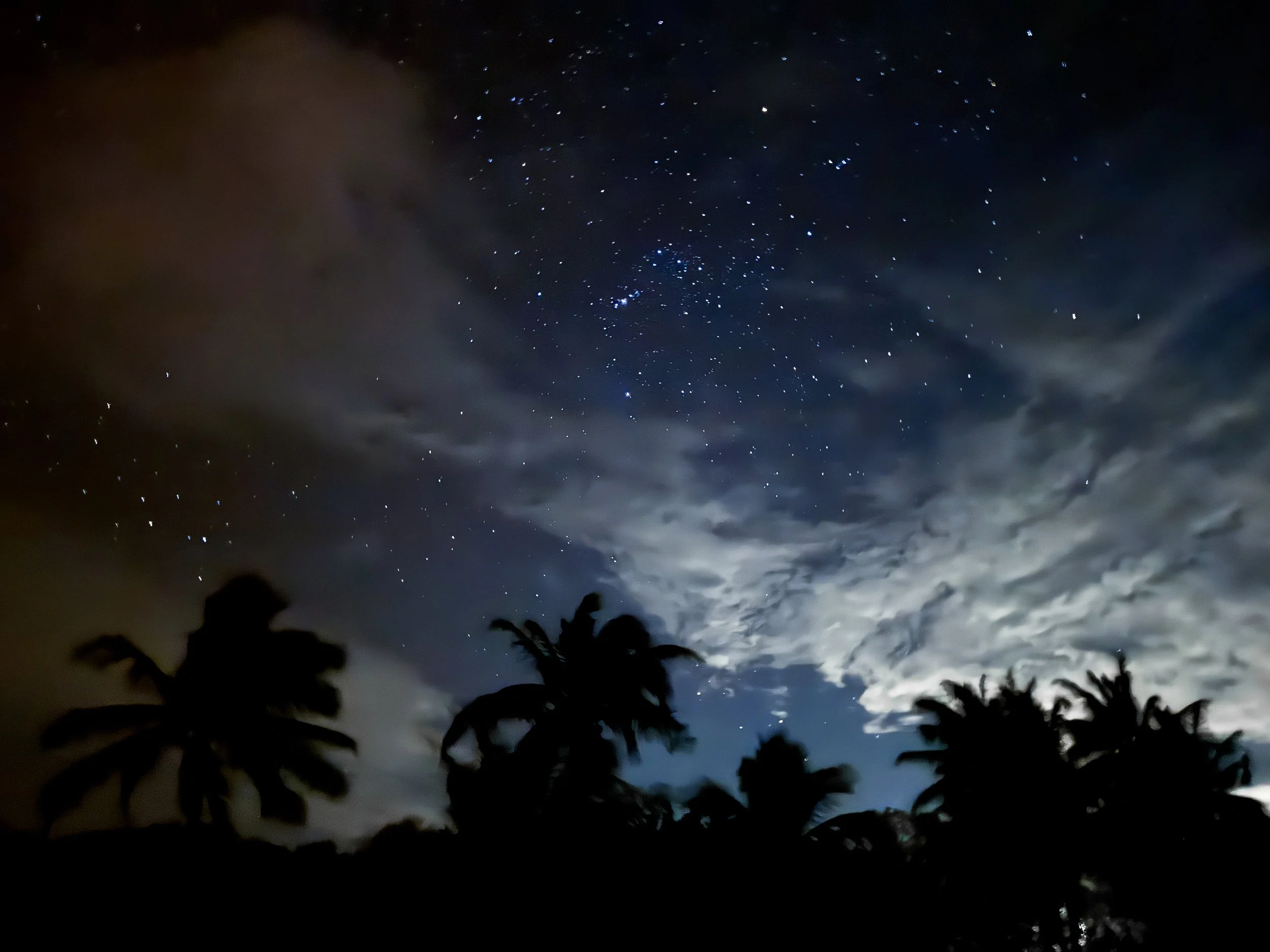
Go Stargazing. Given the remote location and lack of city lights, the sky is often dark for brilliant stargazing. Download the free Sky Tonight app to identify constellations, planets and distant stars.
Kayak in the Bioluminescent Bay (Mosquito Bay). Recognized as the brightest bioluminescent bay in the world. We came here to kayak at night to experience the bioluminescence. Immediately after paddling away in our kayak, the water began to sparkle around us, our paddle illuminated vibrant streaks of bioluminescence and swimming fish left a glowing trail behind them. It was truly an unreal experience that felt like the Manta Ray in Moana or a patronus charm in Harry Potter. Book with Abe’s Snorkeling and Bio Bay Tours. They offer snorkeling tours across the island and kayaking tours in the bio bay and mangrove channels.
Beach Hopping
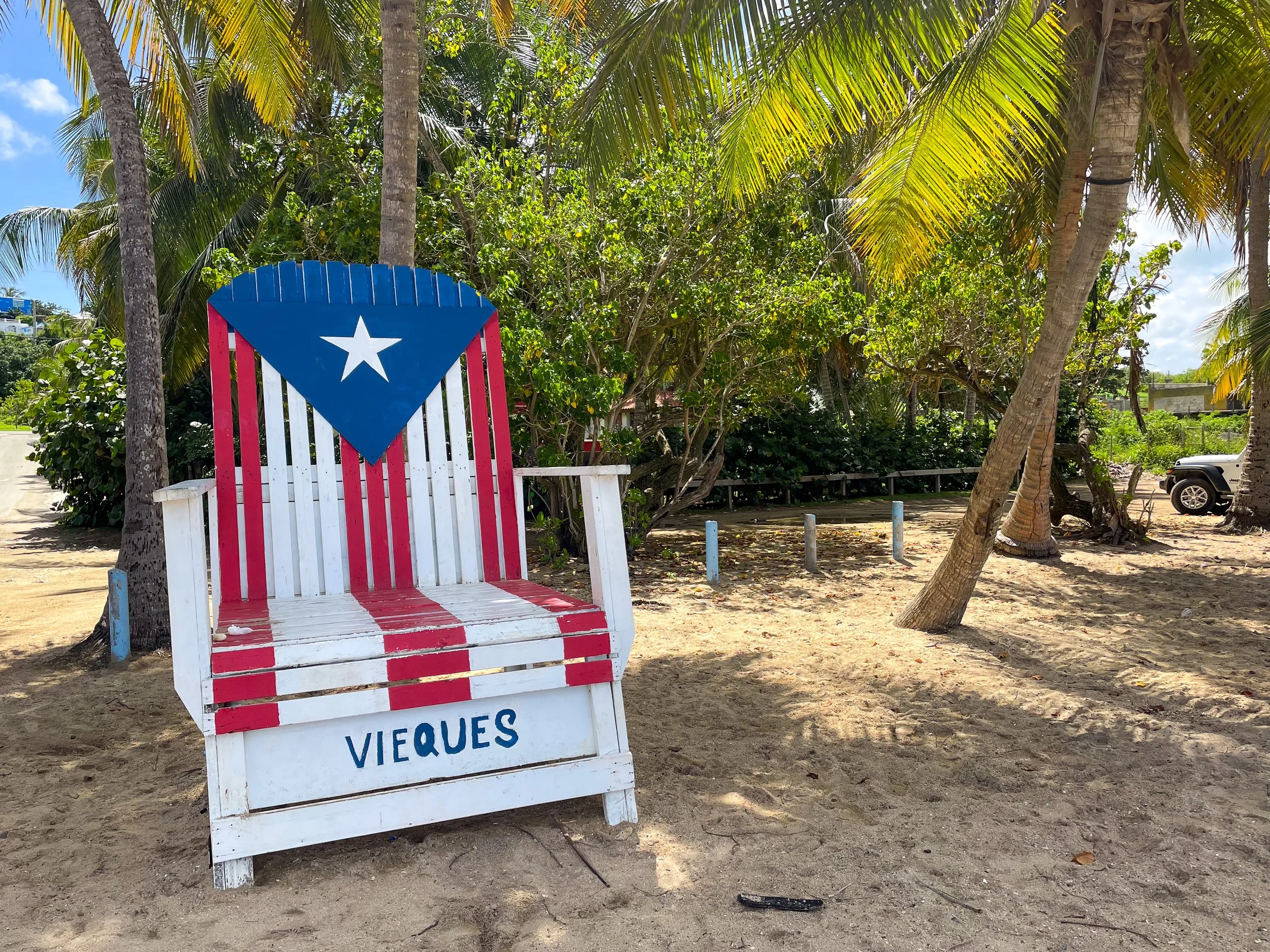
Rent a car and spend time beach hopping across the island. Vieques is home to numerous beaches ranging in size, swimmability and accessibility. The most popular and swimmable beaches are on the south side of the island. The most remote are located in the Vieques National Wildlife Refuge.
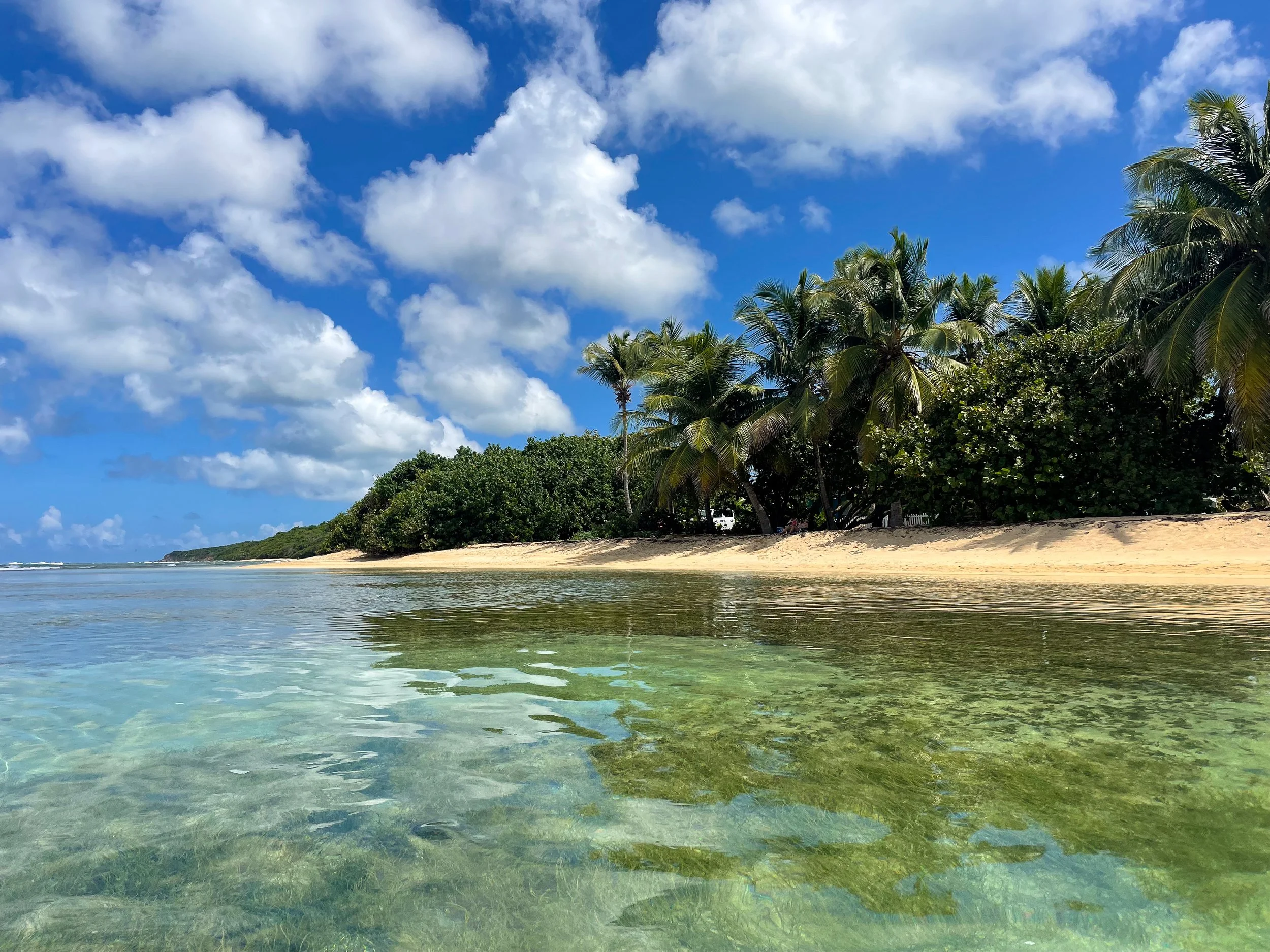
Bastimento Beach. A long meandering beach with turquoise water, a sandy shore, coral reefs, a protected tide pool and snorkeling on the north side of the island.
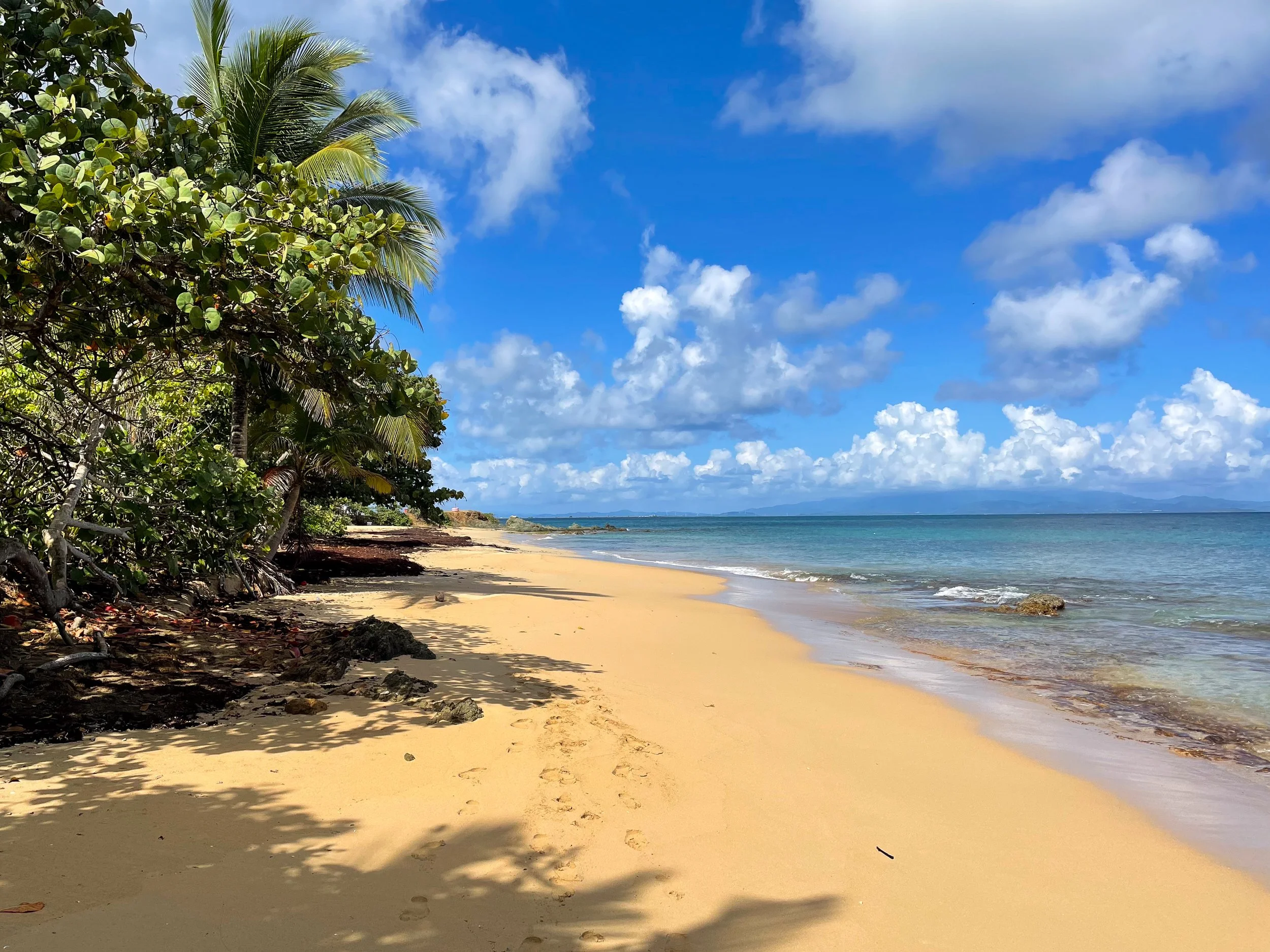
El Gallito (Gringo Beach). A roadside beach with a sandy shore, short palm trees and views looking towards the mainland of Puerto Rico and Culebra.
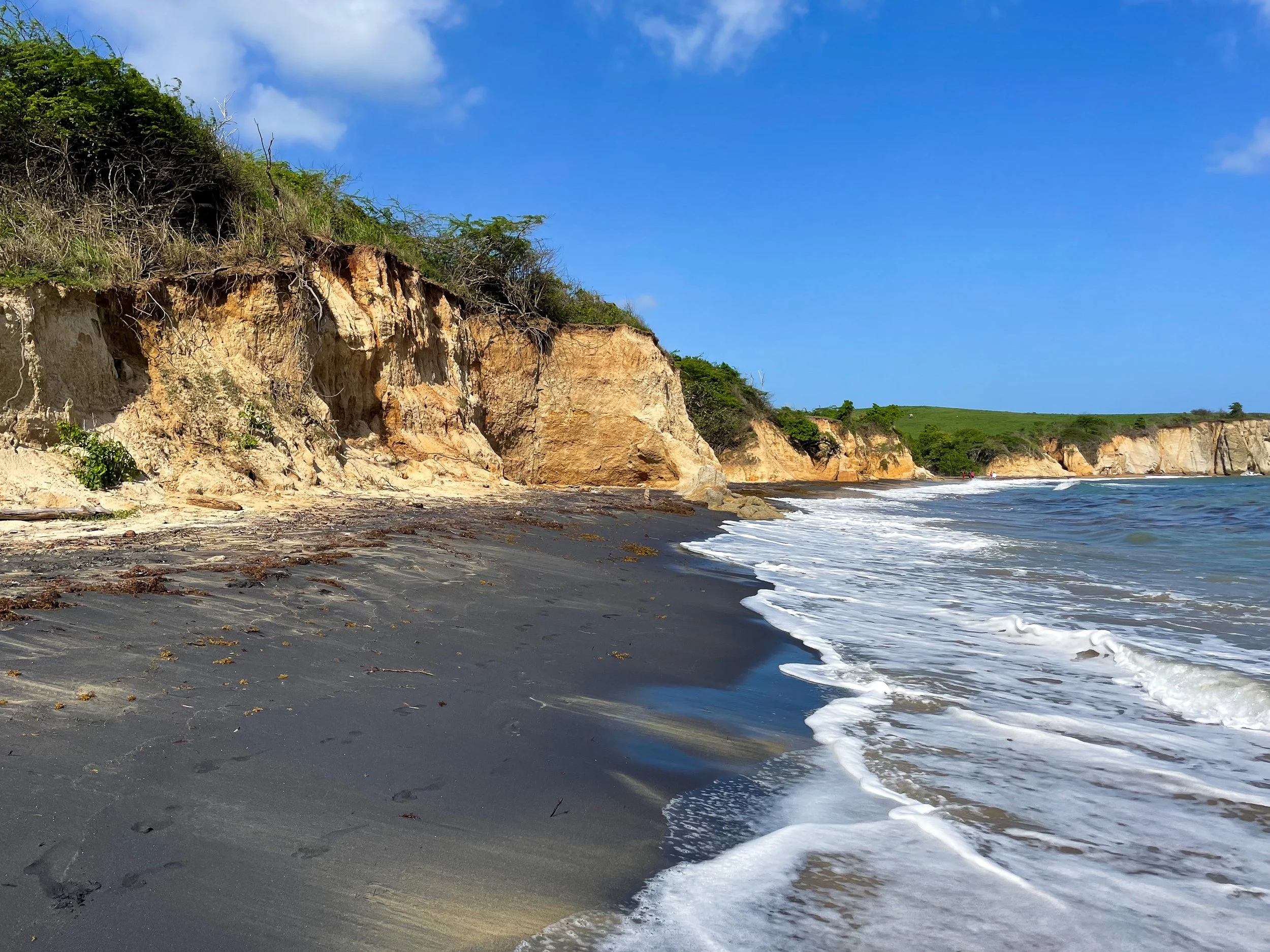
Playa Negra. A semi remote cliff side black sand beach. There is a small parking lot near Playa Negra Fine Foods. Follow a trail to get here (technically a stream) and walk for 15 minutes until reaching the beach. It’s not the safest for swimming due to rocks and currents. It’s located on the south side just west of Esperanza.
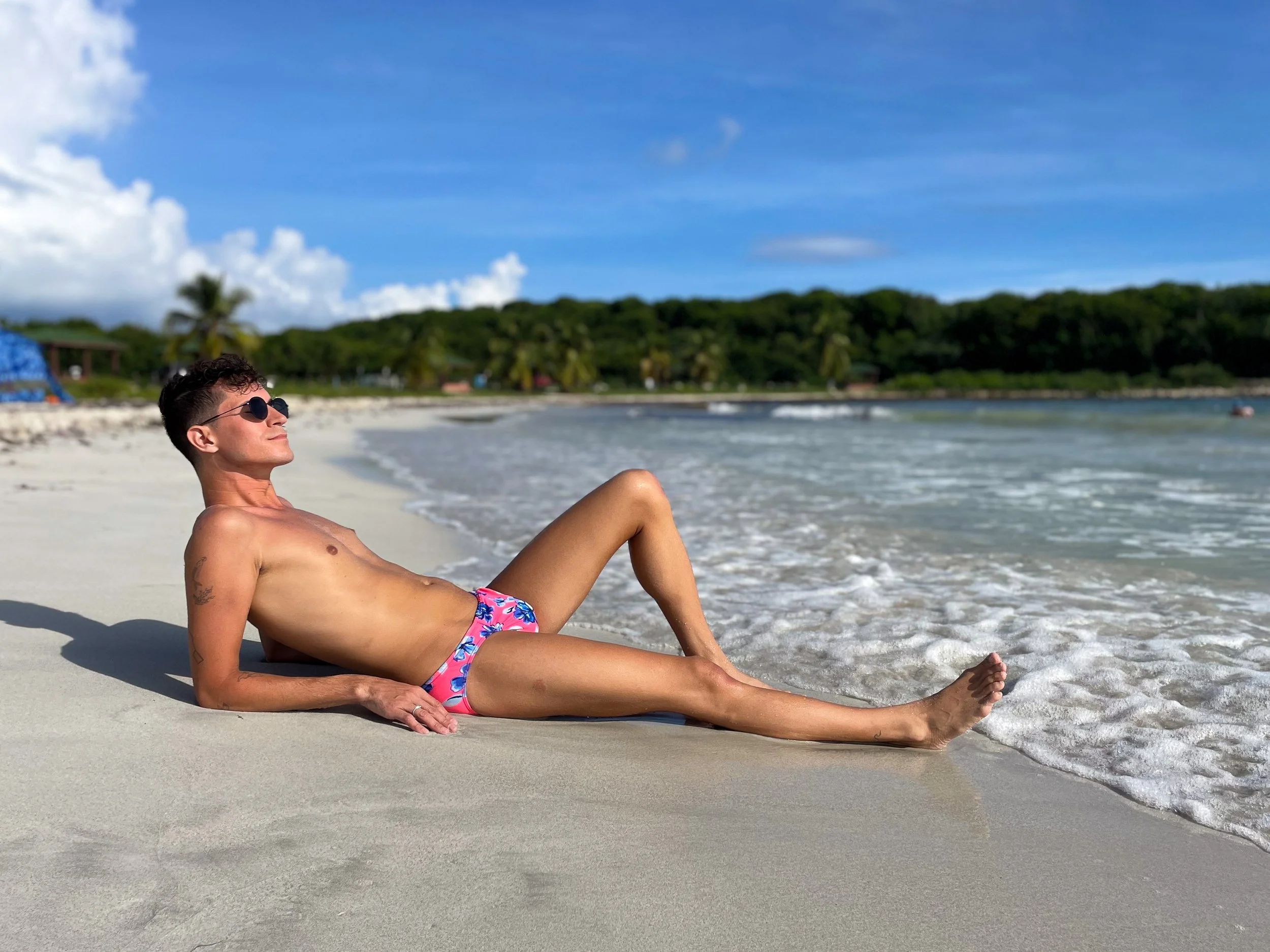
Playa Caracas (The Red Beach). A beach with white sand, palm trees, turquoise water and shaded gazebos. It’s located in the Vieques National Wildlife Refuge.
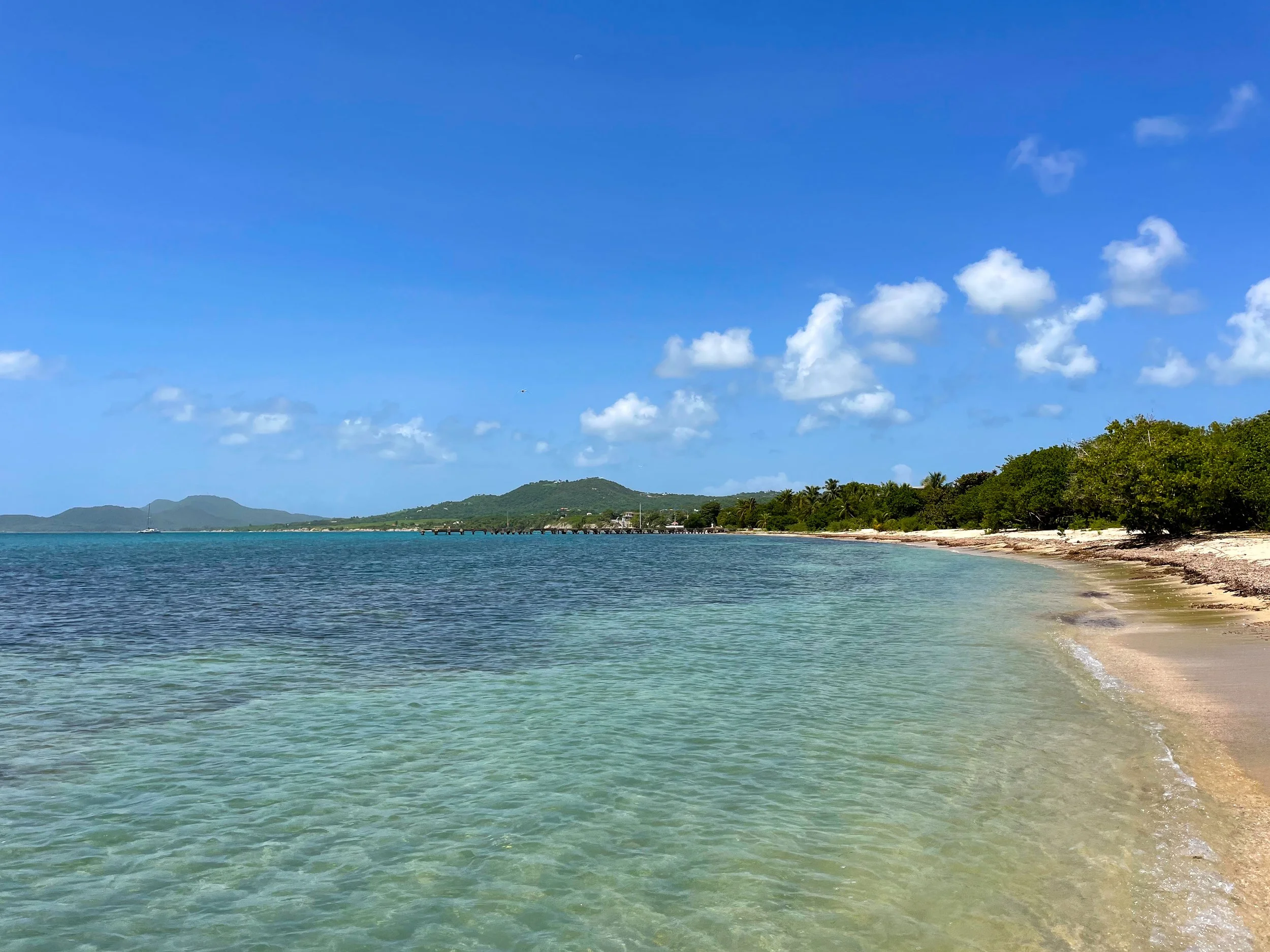
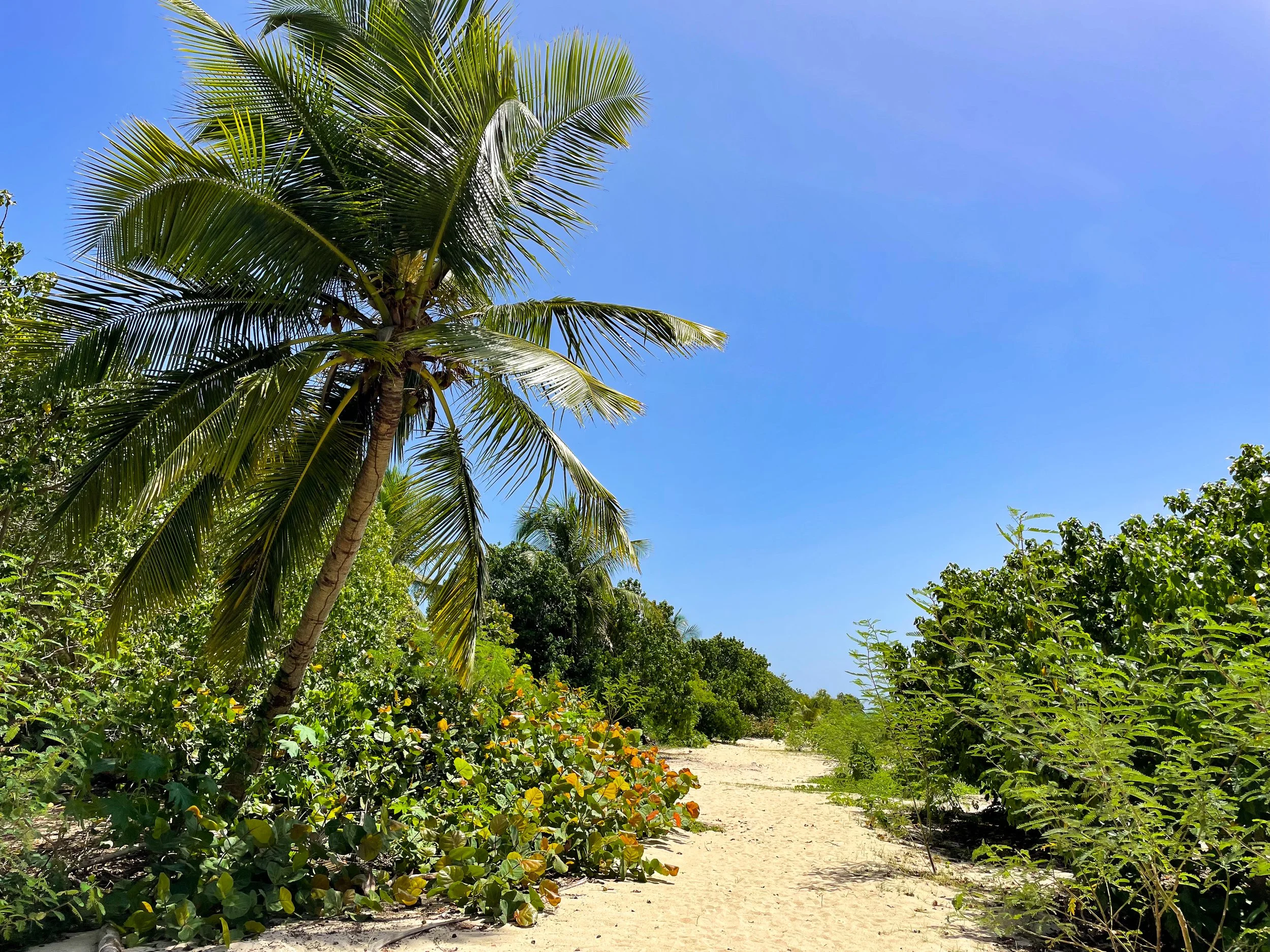
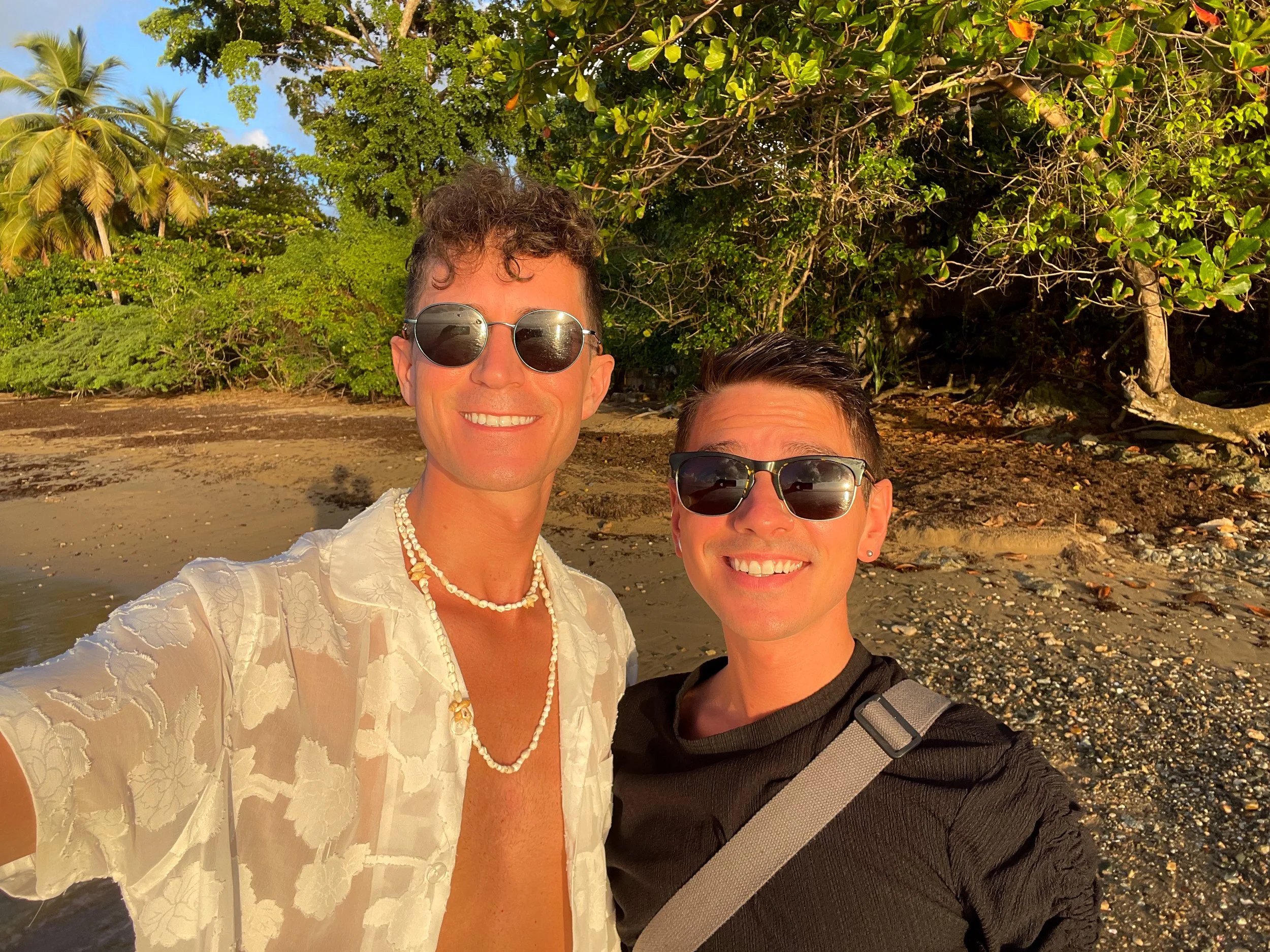
Esperanza Beach. A popular beach near town on the south side of the island with kiosks, restaurants, bars and kayak rentals.
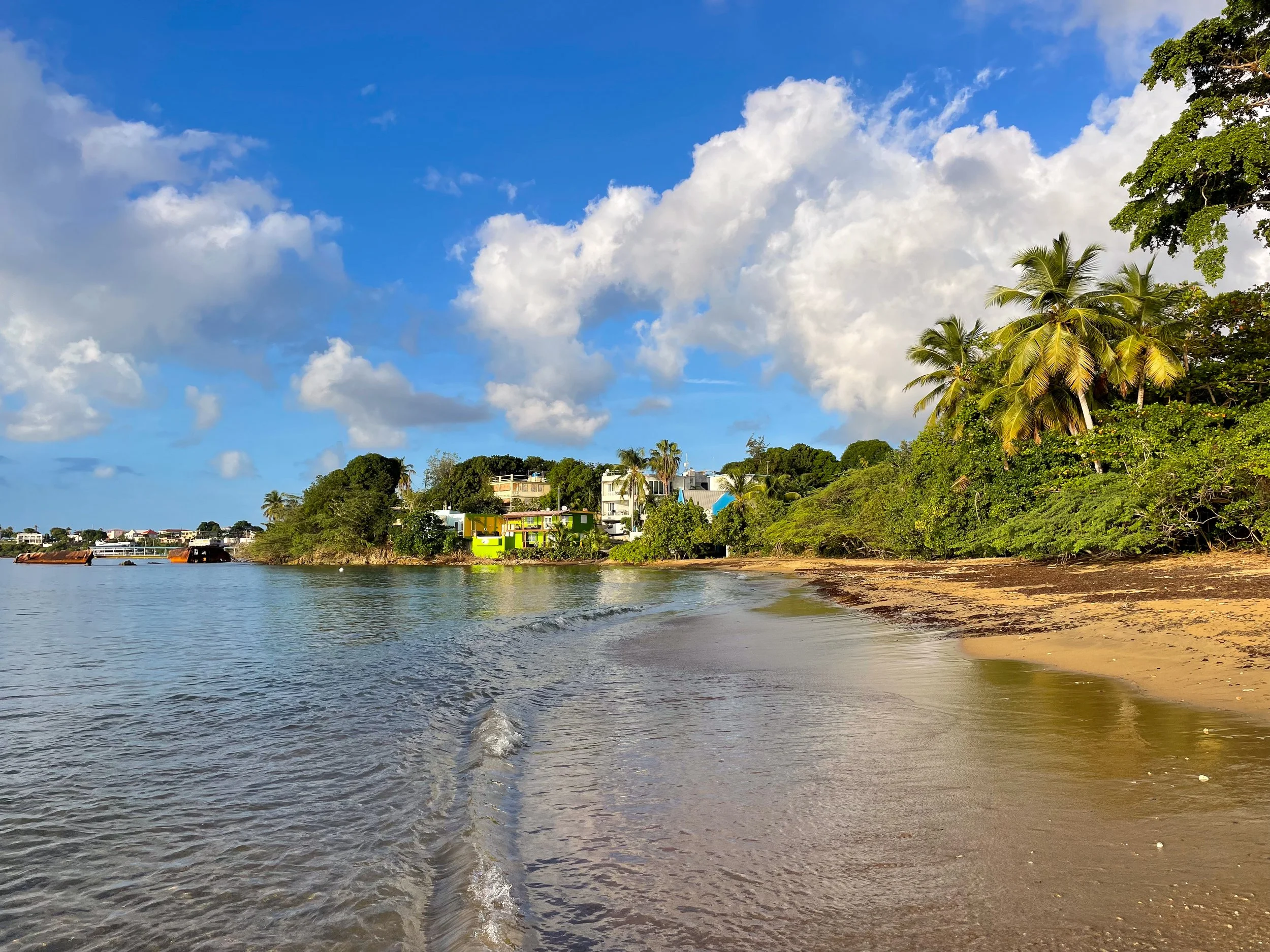
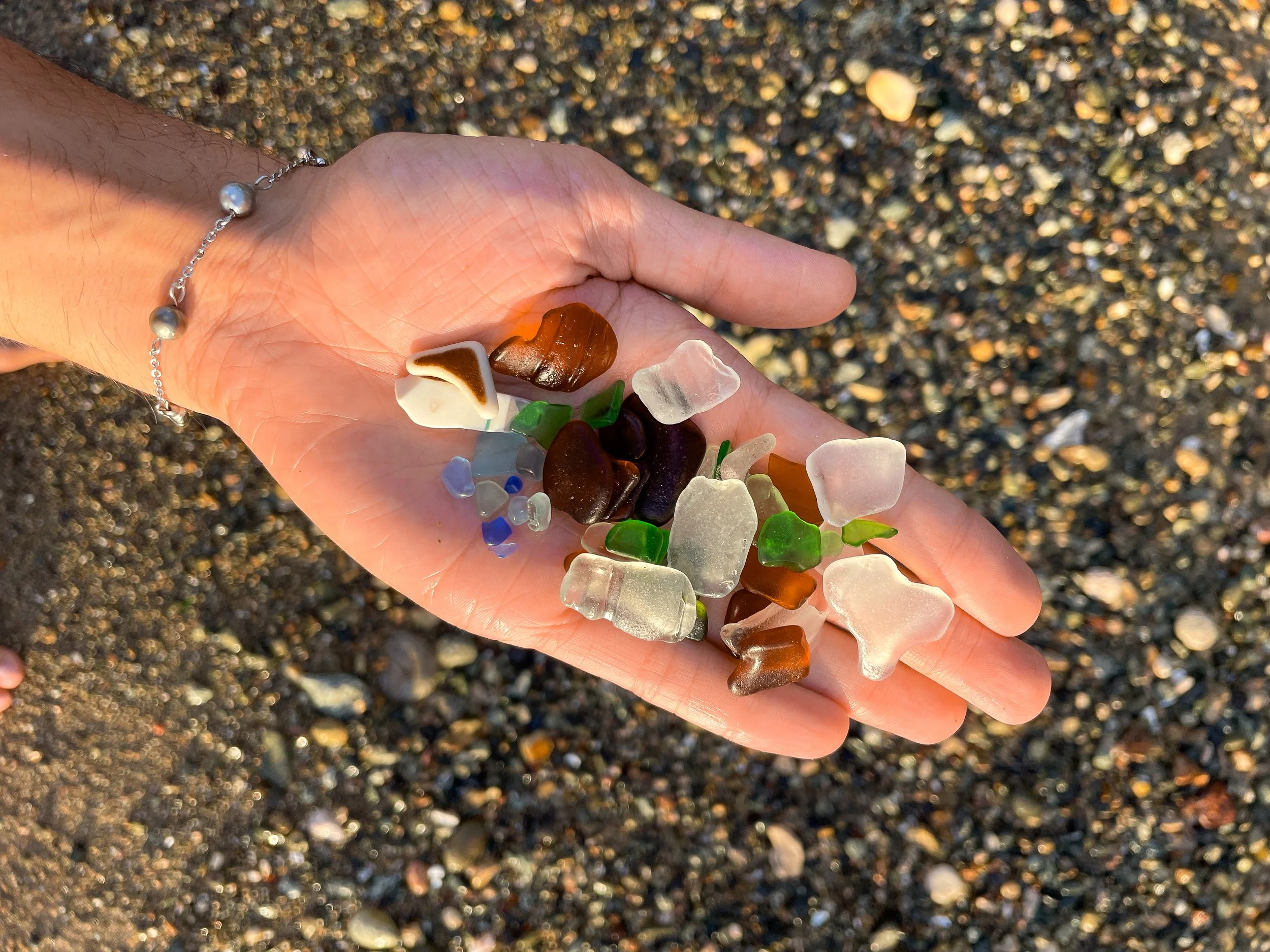
Sea Glass Beach. A small beach to collect handfuls of sea glass within minutes of beach combing. It’s located in the town of Isabel Segunda.
Playa Pata Prieta (Secret Beach). A secluded beach popular for swimming and snorkeling. It’s a 10 min drive east of Playa Caracas.
Playa Chiva (Blue Beach). A long powder white sand beach with calm turquoise and navy blue water. Come here to swim and snorkel. It’s a 5 min drive east of Playa Pata Prieta.
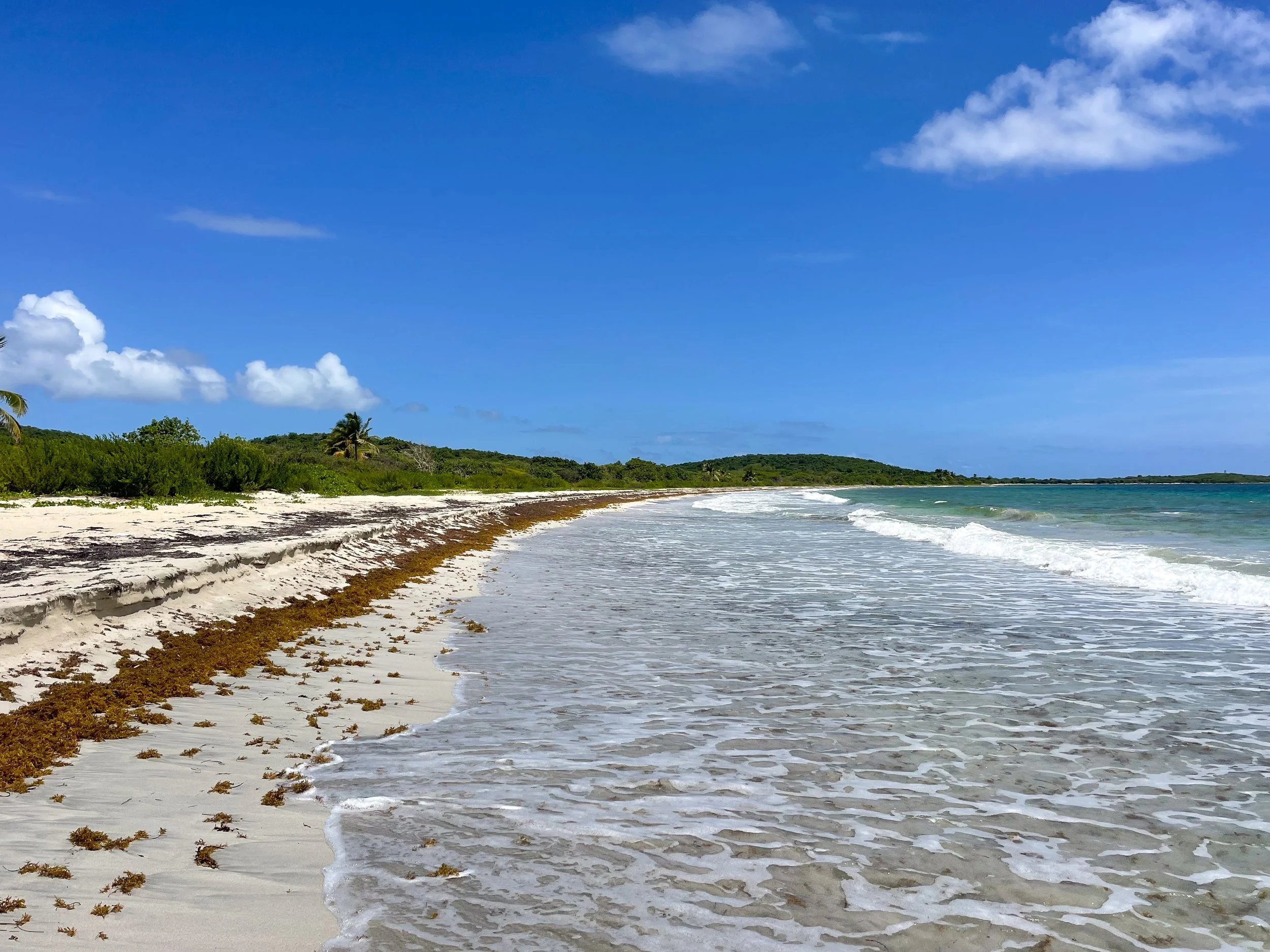
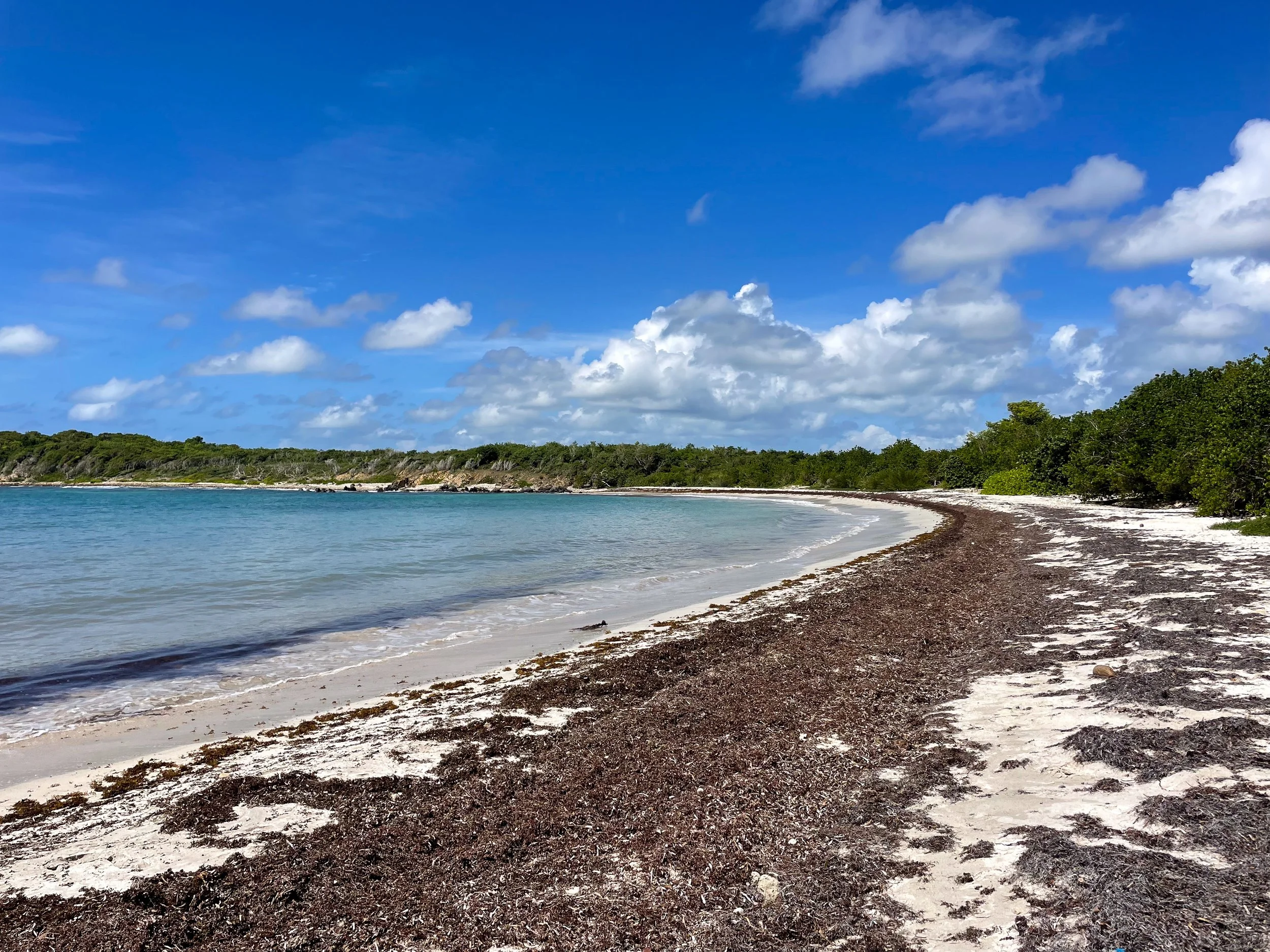
Escondida Beach. A small beach with some snorkeling. It can frequently be covered in sea weed. Located a 15min walk east of Playa Chiva.
Playa Plata. A semi private white sand beach with crystal clear turquoise water for swimming and snorkeling. Located a 5min drive east of Playa Chiva.
Places to Eat & Drink
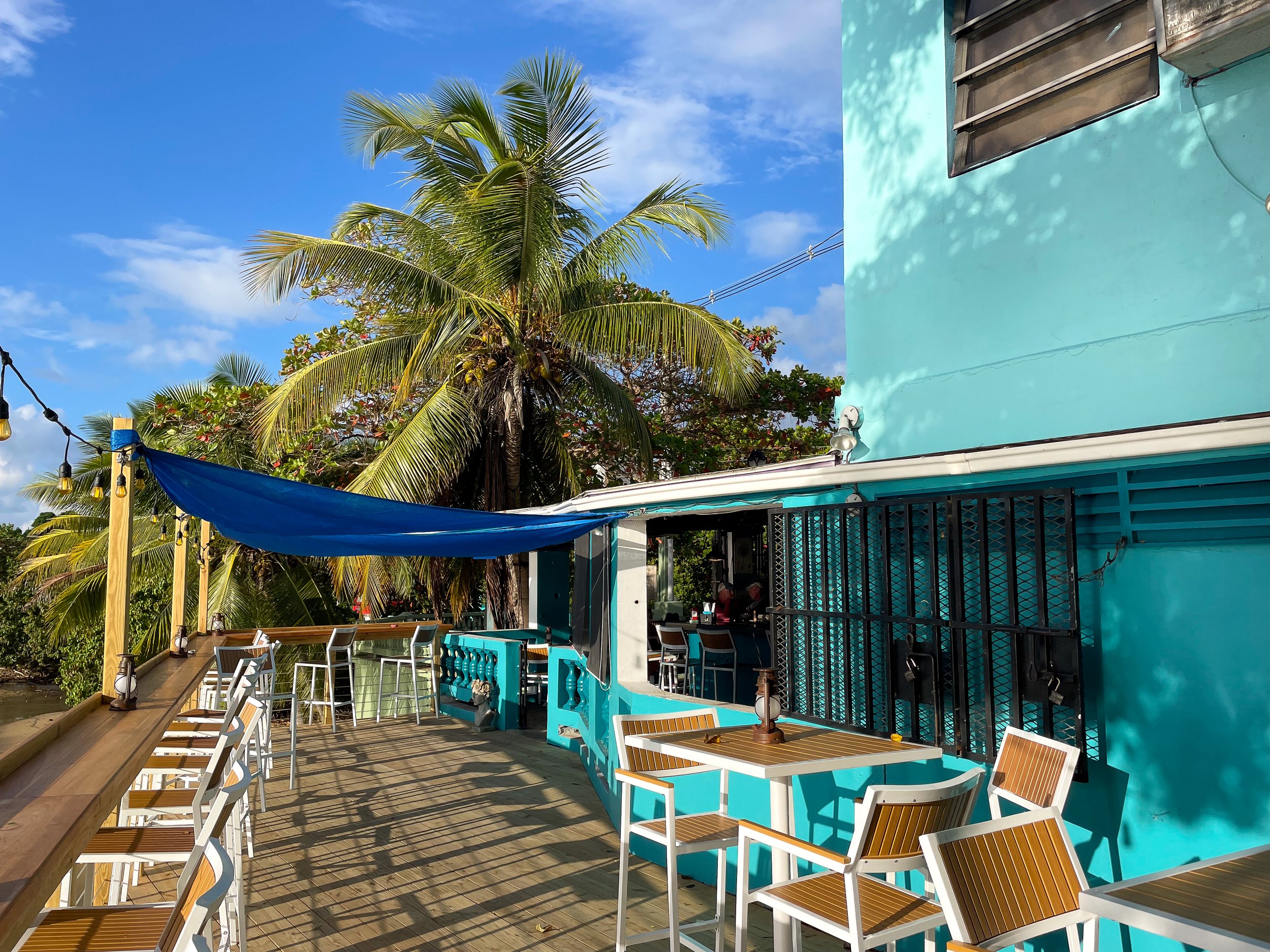
Saint Voodoos Mar Azul. A waterfront bar with a deck overlooking the Caribbean. Come here for cocktails and lite bites at sunset.
Lazy Jacks. A restaurant and bar near Esperanza beach for tacos, sandwiches, salads, beers and cocktails.
Lydia’s Bakery. A bakery with breads, sandwiches, pastries and coffee.
Bili. A restaurant with an impressive seafood menu including Caribbean lobsters, grilled mahi mahi and octopus. Come here for their Crab Island Long Island.
Vieques Food Park. A food truck park with several restaurants. We came to Rincon Cafe for breakfast and coffee.
Bar La Nasa. A beach front bar with cocktails, beer and music.
Family Market Centró Ahorras. A grocery store located in Isabel Segunda. Come here to stock up on water, beers and snacks before heading to the beach.
Getting to Vieques
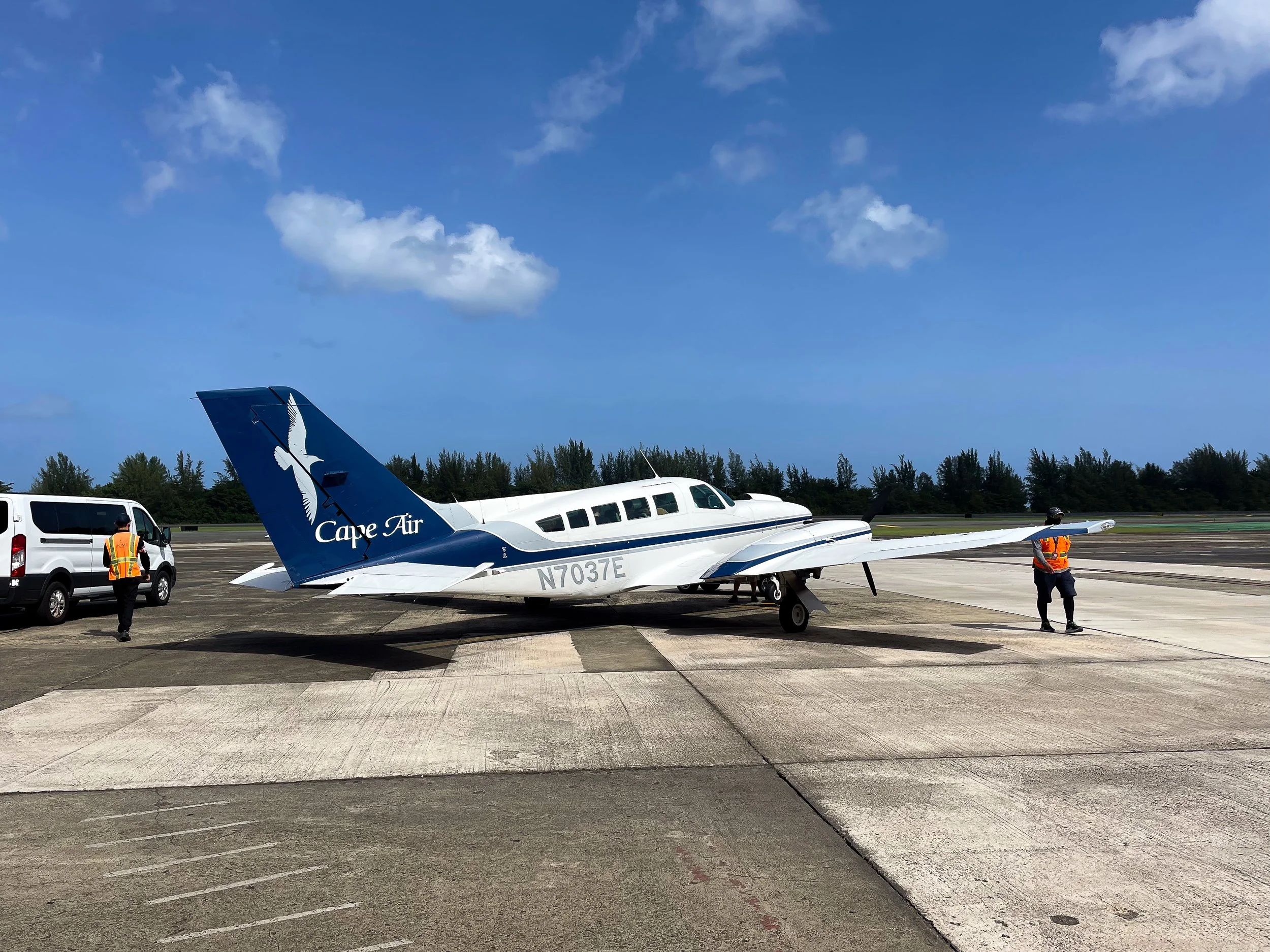
By Air. We booked a one way flight with Cape Air, from San Juan to Vieques. It’s a quick 20 min flight over the El Yunque rainforest and scenic way to travel. They offer multiple flights daily for around $100 one way.
By Sea. We booked our return trip on the Puerto Rico Ferry, from Vieques to Ceiba. From Ceiba we took an Uber to San Juan. One way ferry tickets cost $2 and the Uber costs around $100.
Getting Around Vieques
By Car. Vieques is a large island. The best way to get around, see all of the sights and explore is by renting a car. We booked with Maritza’s Car Rental for about $110 per day with insurance.
By Taxi. Taxis were readily available across the Island bringing people between Isabella Segunda, Escondida, the airport and accessible beaches.
Where to Stay
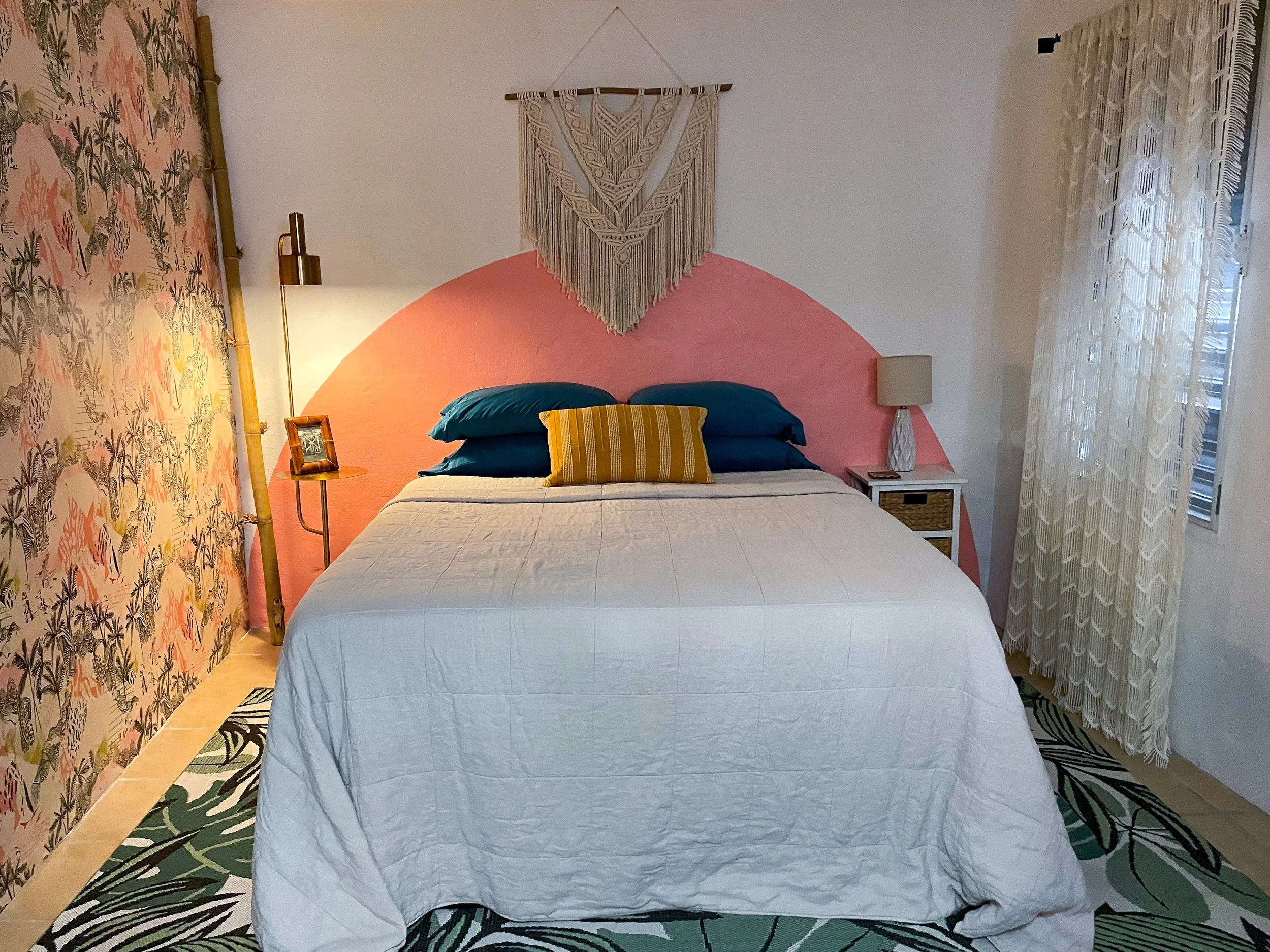
Tropical Guest House. A beautifully decorated home in Isabella Segunda with a comfy bed, kitchenette, outdoor grill, beech chairs, umbrellas and snorkel equipment. Book here on Airbnb.
Location Specifics
Respect the Culture. Puerto Ricans are very proud of their island, culture and heritage. Please show respect when discussing local issues and topics. Don’t be afraid to ask questions and learn about the culture and island.
US Territory. Puerto Rico is a US Territory meaning US Citizens can visit the island without a passport.
Language. Spanish is the primary language spoken in Puerto Rico. English is widely spoken as a second language. Knowing basic Spanish words and phrases is helpful and beneficial when visiting.
Currency. Puerto Rico uses the US Dollar.
Metric vs Imperial. Puerto Rico uses a combination of the Metric and Imperial systems. Speed limits are in marked in mph while distances are marked in kilometers. Gasoline is sold by the liter instead of by the gallon.
Cash vs Card. Credit and debit card is widely accepted across the island. Cash is preferred by most vendors at markets, kiosks and some businesses.
Power Outages. The electrical grid is fragile due to devastation from past natural disasters. While power outages rarely affect tourists, they do happen. It’s a difficult part of life for many Puerto Ricans.
Tap Water. Tap water is generally safe for consumption around the island.
Tropical Weather. Puerto Rico experiences tropical weather. Carry an umbrella incase of afternoon and evening rain storms. Tropical storms and hurricanes are possible from June through November with September through October being the most active.
Swimming. Mind the warning signs and red flags advising about dangerous ocean currents. Pay attention to where others are and are not swimming.
Sun Protection. The harsh UV is dangerous in Puerto Rico. Wear sun block when outside, even on cloudy days.
Insect Repellent. Mosquitos are prevalent across the island with mosquito borne illnesses on the rise. Wear insect repellant to minimize bites.
Clothing. Shorts and tank tops are generally acceptable to wear, keep the swimwear for the beach and plan to change into pants while dining out or visiting local spots.
Elsewhere in Puerto Rico
From vibrant cities and rainforest hikes to surf breaks and mountain landscapes, explore more of Puerto Rico beyond its offshore islands through these travel guides:
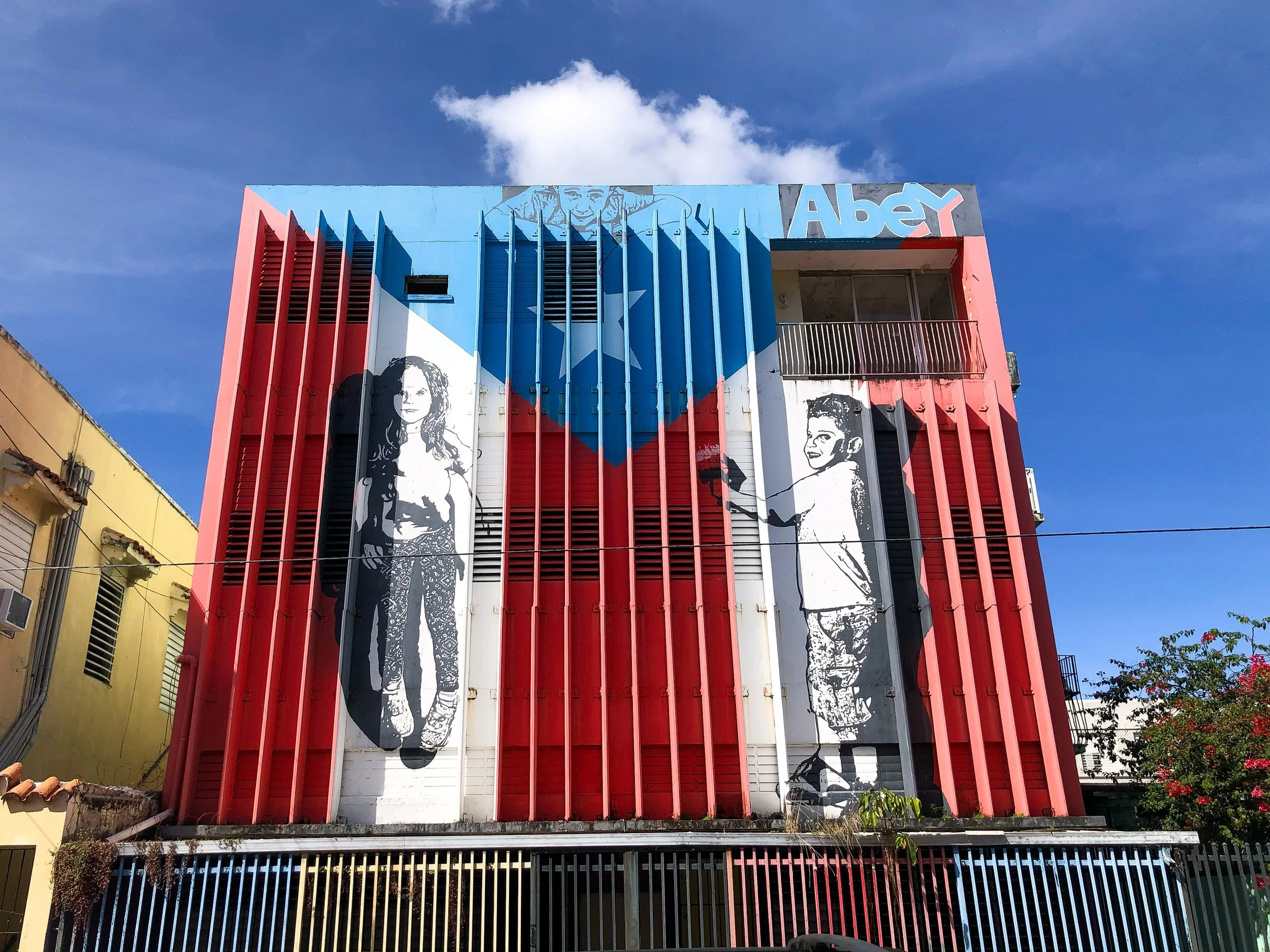
San Juan Puerto Rico Travel Guide: Beaches, Food & Local Culture. Wander between San Juan's sunny beaches, lively plazas and colorful neighborhoods while experiencing the food, music and culture that makes Puerto Rico unique.
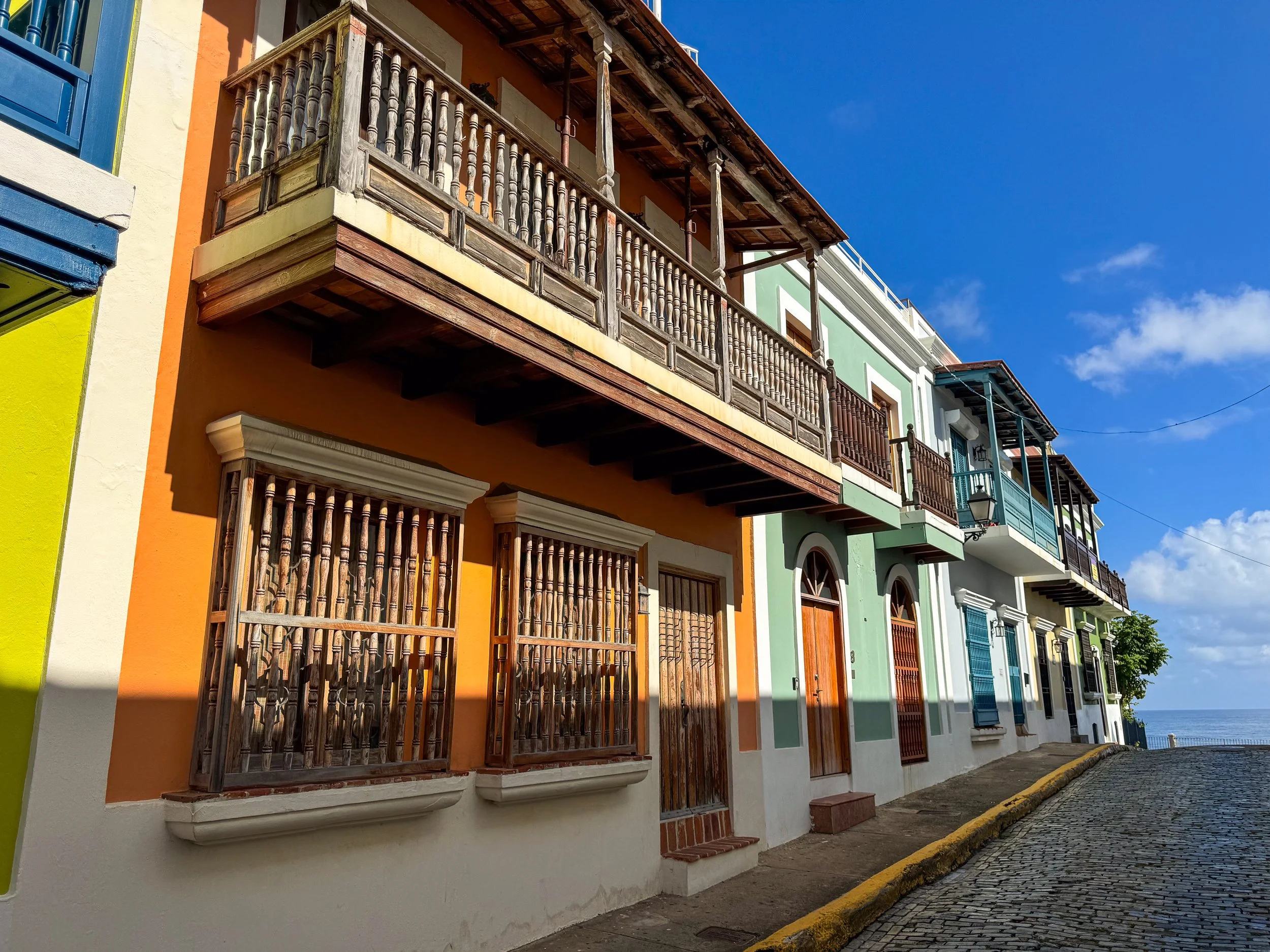
Old San Juan Travel Guide: Historic Streets, Food & Colonial Charm. Stroll through Old San Juan's cobblestone streets, historic forts and colorful architecture while discovering the colonial charm of Puerto Rico's most iconic neighborhood.
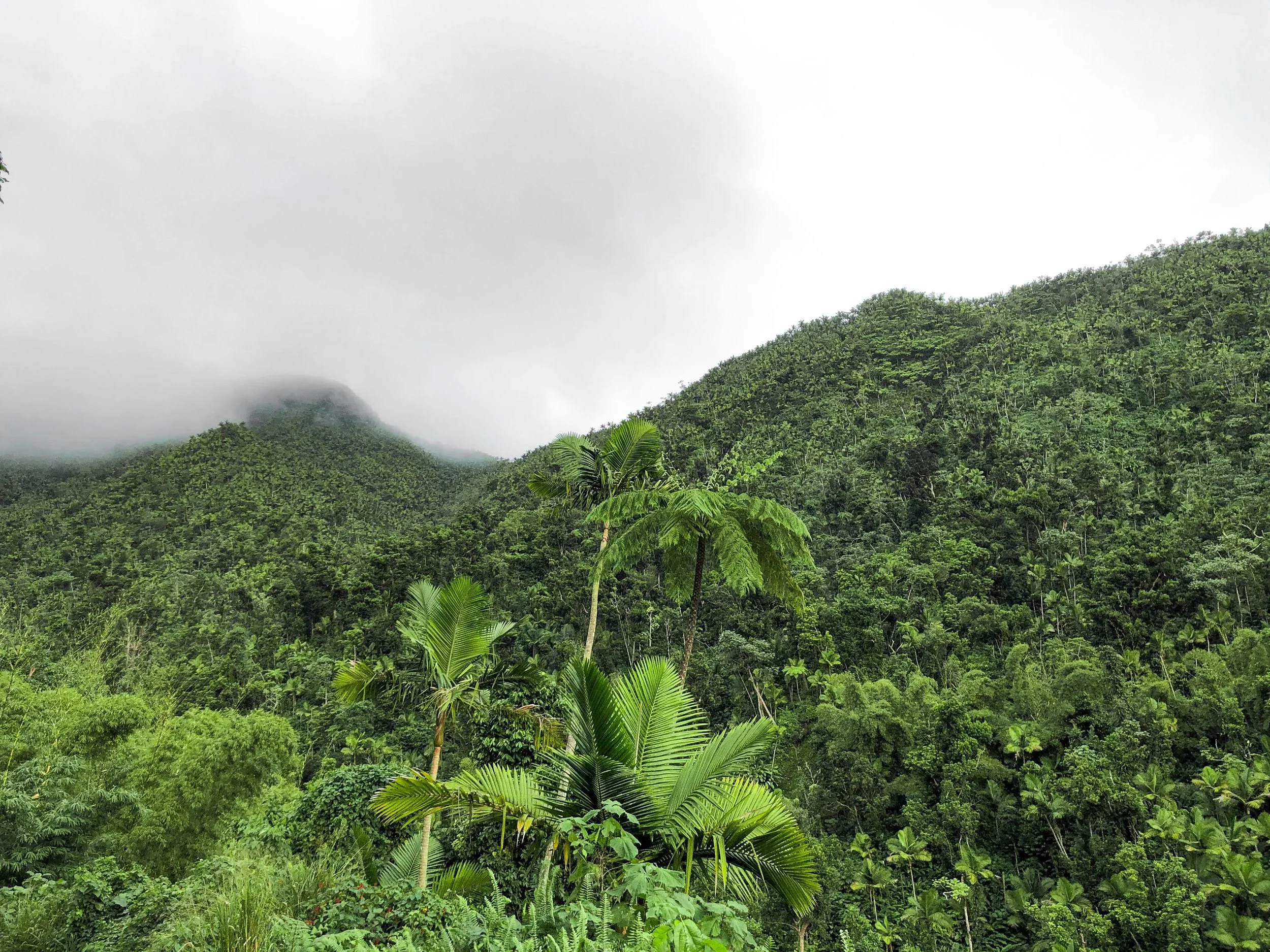
Eastern Puerto Rico Travel Guide: El Yunque, Bioluminescent Bays & Beaches. Explore Eastern Puerto Rico's lush El Yunque rainforest, glowing bioluminescent bays and tropical beaches where island adventures and local culture converge.
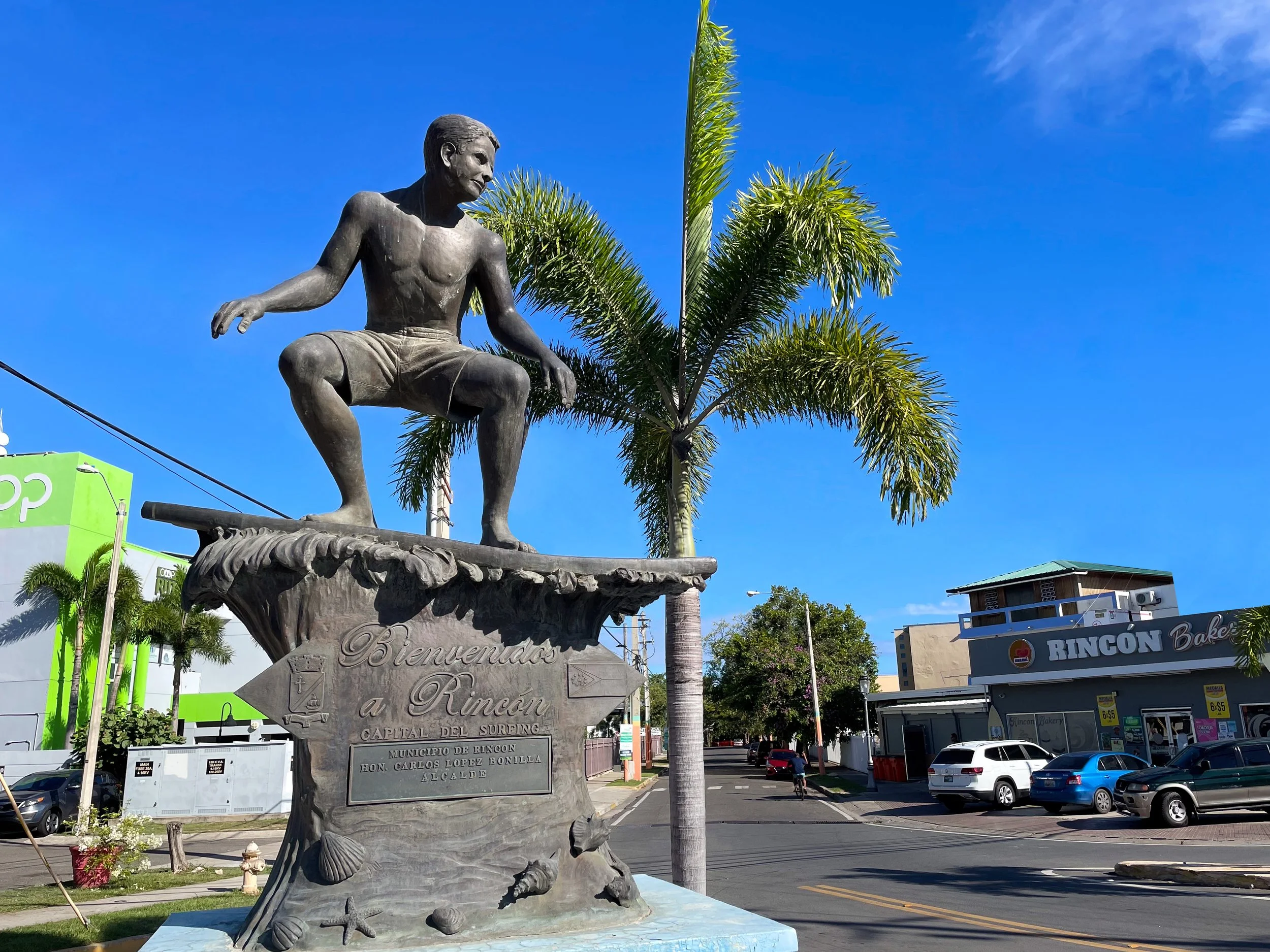
Western Puerto Rico Travel Guide: Rincón, Beaches & Surfing. Chase waves and sunsets across Western Puerto Rico's tropical beaches, sleepy surf towns and coastal landscapes where island life and adventure converge.
Southwestern Puerto Rico Travel Guide: Cabo Rojo, La Parguera & Beyond. Journey through Southwestern Puerto Rico where historic towns, Caribbean cayos, pristine beaches, bioluminescent bays and dry forests reflect the island’s diverse character.
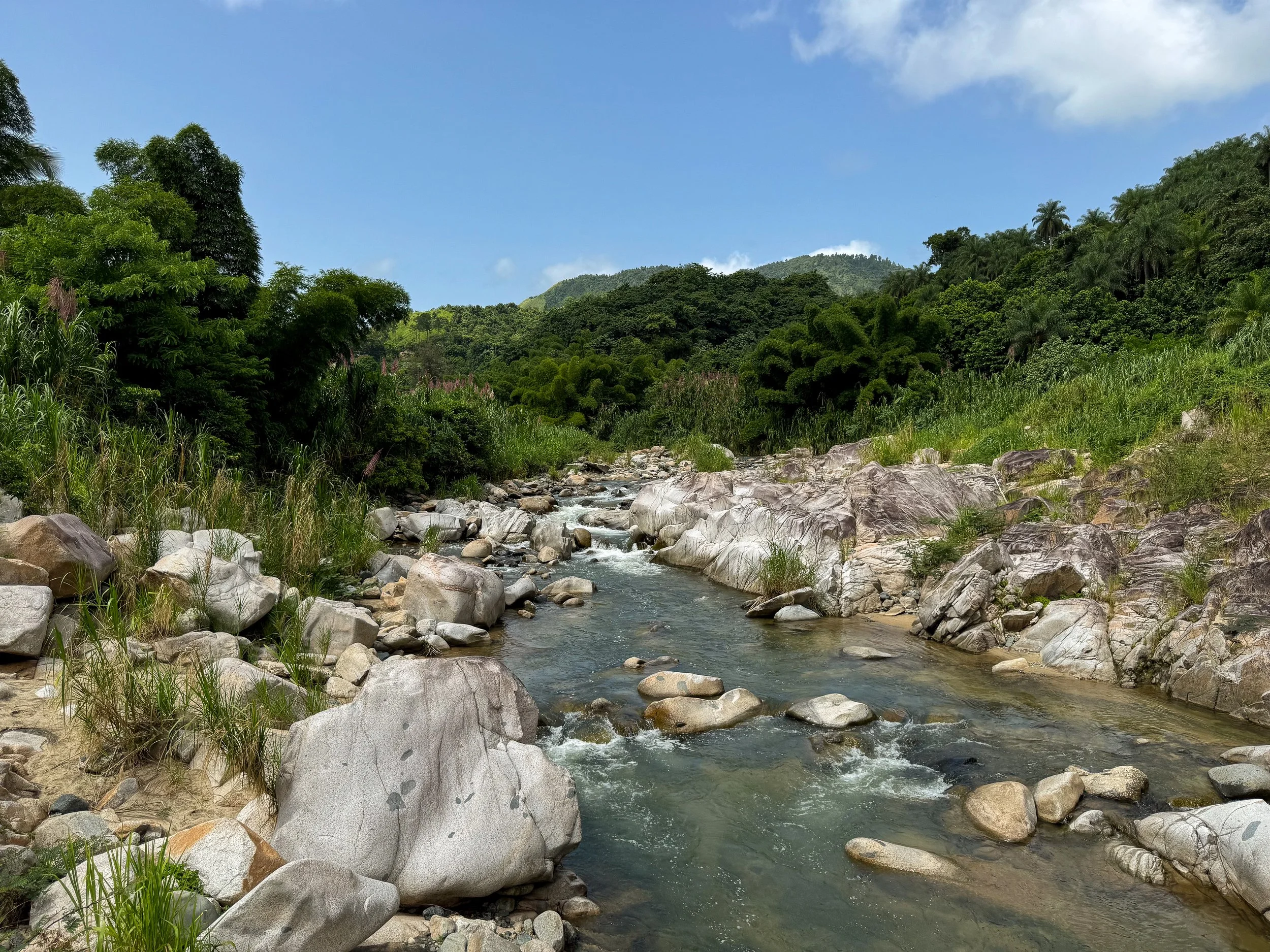
Central Puerto Rico Travel Guide: Mountains, Hiking & Taino Sites. Discover Central Puerto Rico's lush mountain landscapes, waterfalls, ancient cave systems, scenic hiking trails and Taíno archaeological sites beyond the island's beaches.
Ponce Puerto Rico Travel Guide: History, Architecture & Local Culture. Experience Ponce's historic architecture, cultural landmarks, Taíno archaeological sites and annual carnival traditions in Puerto Rico's Pearl of the South.
Culebra Puerto Rico Travel Guide: Beaches, Sea Turtles & Island Adventures. Voyage to the tiny island of Culebra to discover its pristine beaches, turquoise waters, vibrant marine life and a sleepy beach town.
For Next Time…
Whether a spontaneous weekend trip or planned vacation, we will certainly be back to Puerto Rico many more times! We have our eyes set on experiencing things we’ve missed during past trips to Vieques including:
Mt. Pirata Observation Post. Hike to the tropical summit of the tallest point on Vieques measuring nearly 1,000 feet above sea level.
Horseback Riding on Vieques. We have our eyes set on a beach sunset horseback riding tour.