Zanzibar Travel Guide: Stone Town, Beaches & Swahili Culture
Zanzibar, Tanzania
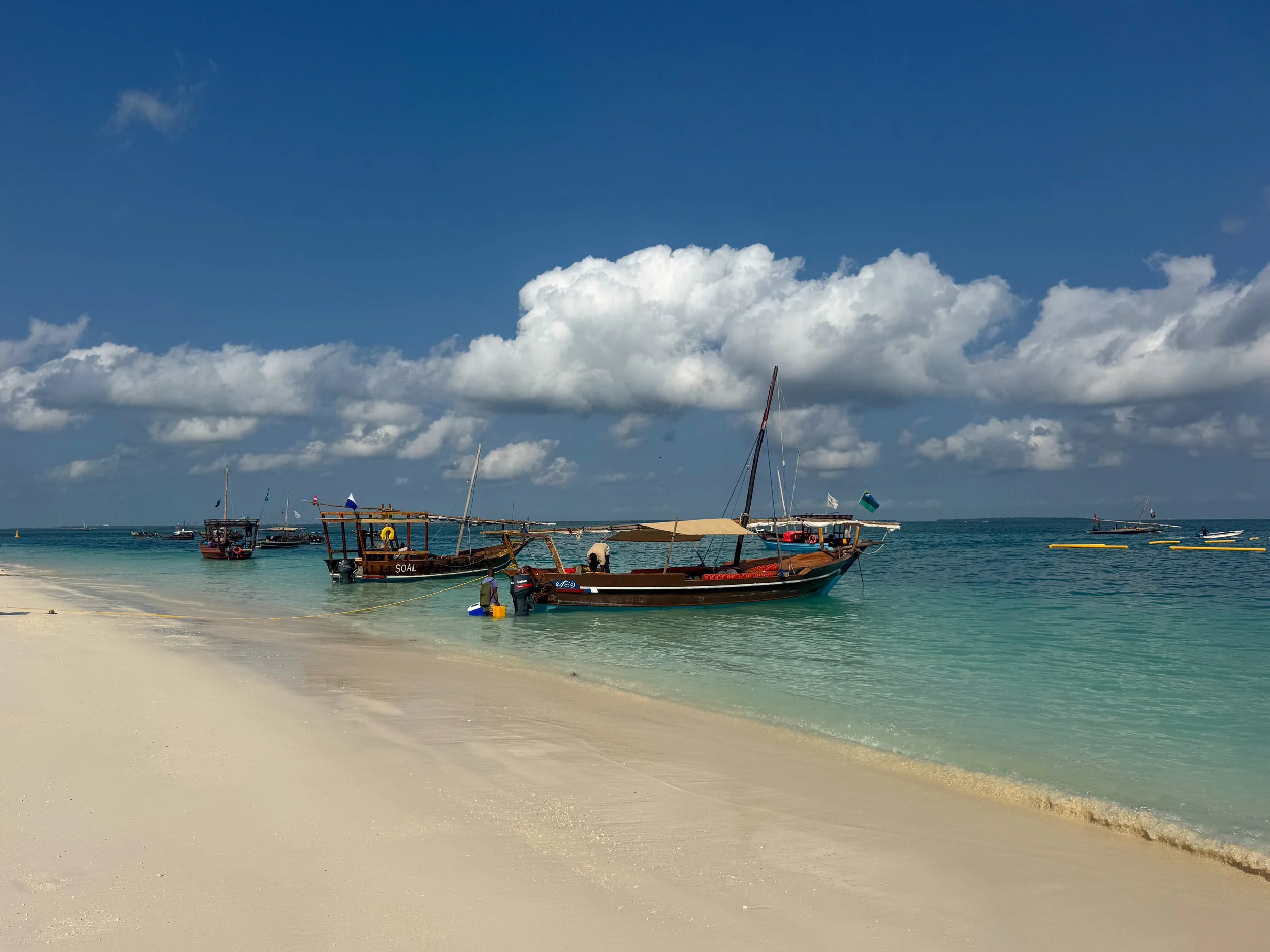
Zanzibar is an exotic island off the coast of mainland Tanzania in the Indian Ocean. It’s famed for its white sand beaches, turquoise waters and historic spice trade. History lives on in the narrow alleyways, markets and cultural sights of Stone Town. Maasai tribesmen sell beaded accessories and perform cultural dances. Swahili phrases like Hakuna Matata (no worries) and Pole Pole (slowly slowly) are the local way of life. We spent a week on the island, splitting out time between Stone Town and the beach towns of Kendwa and Nungwi.
Stone Town
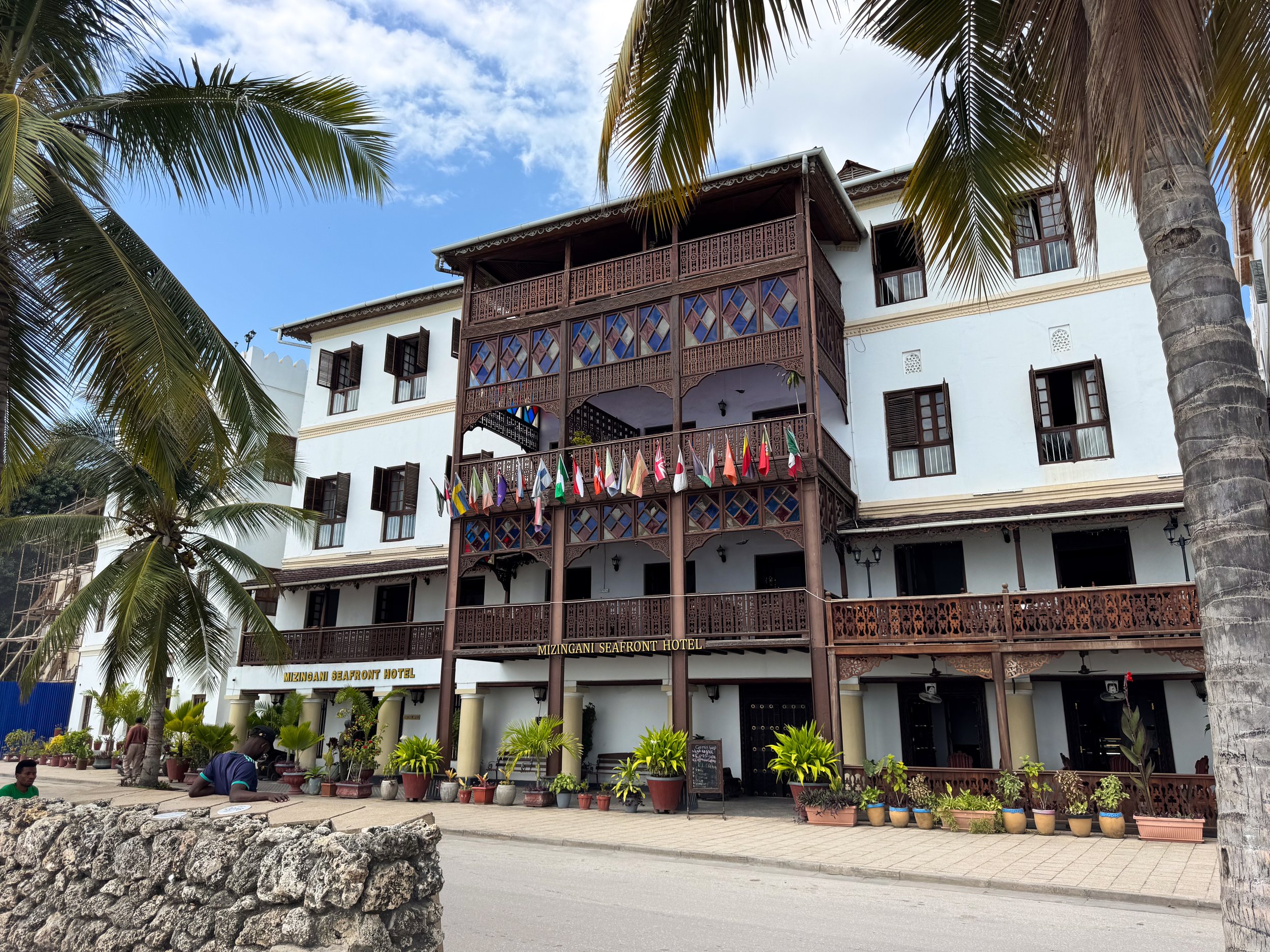
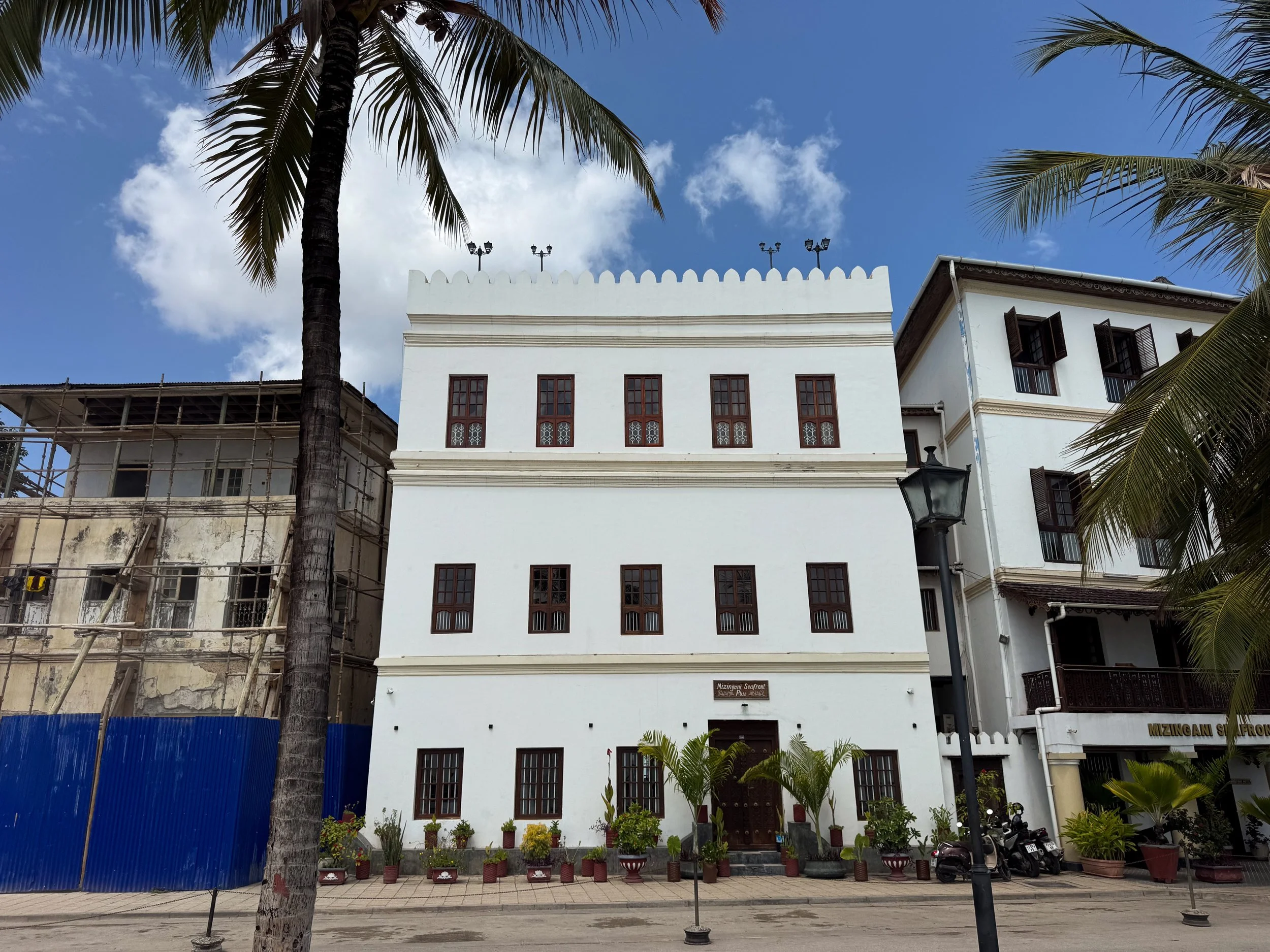
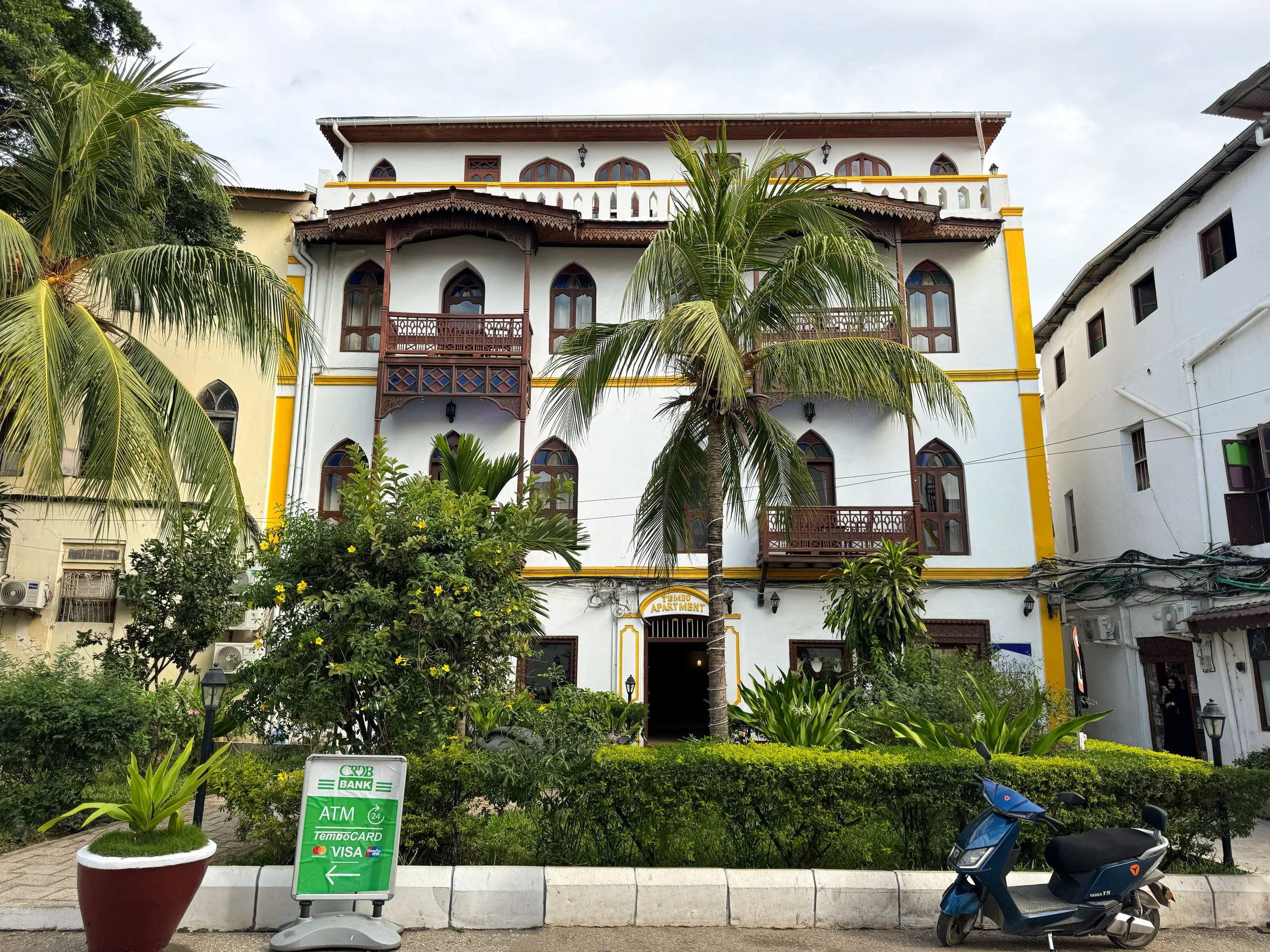
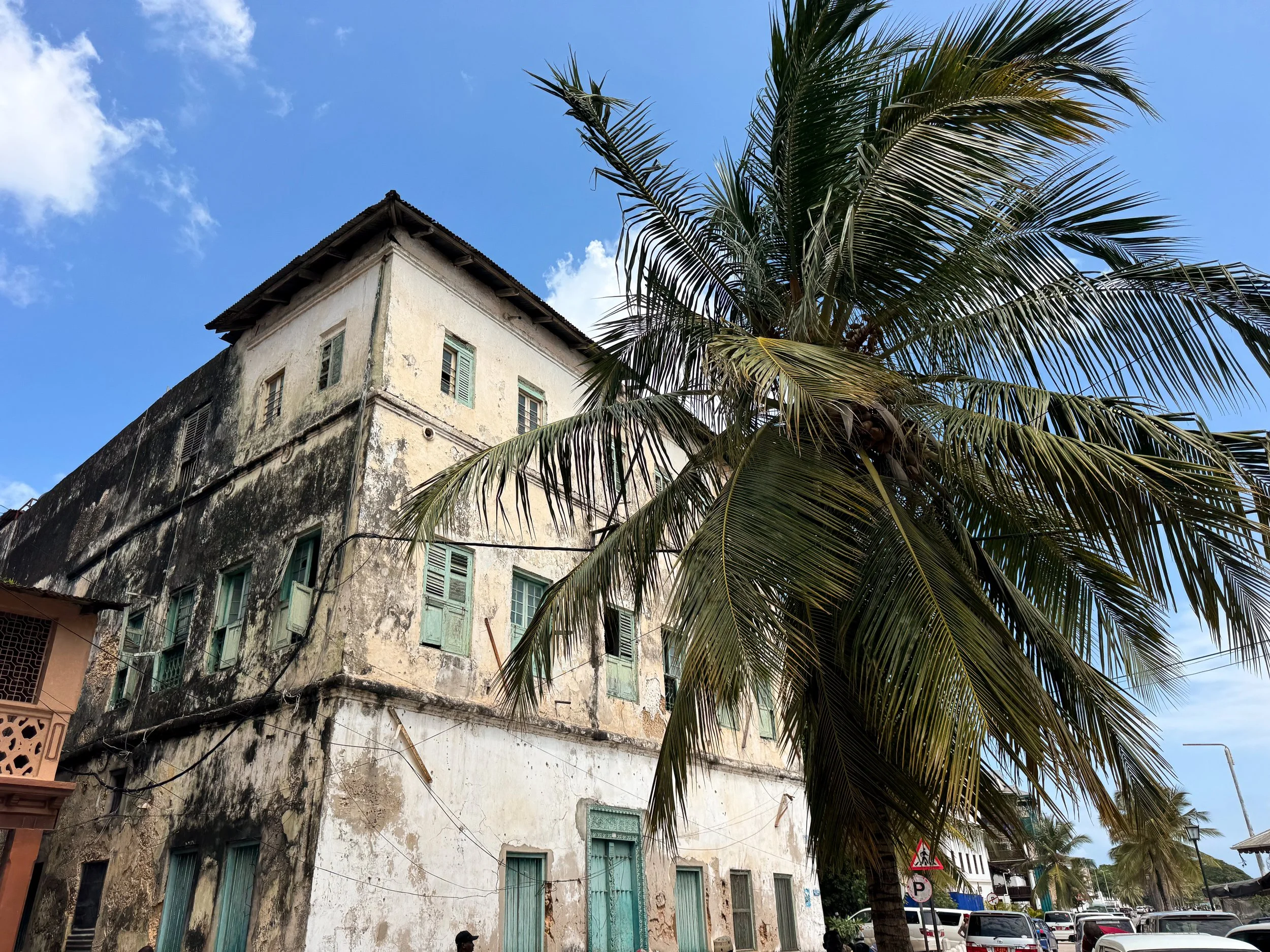
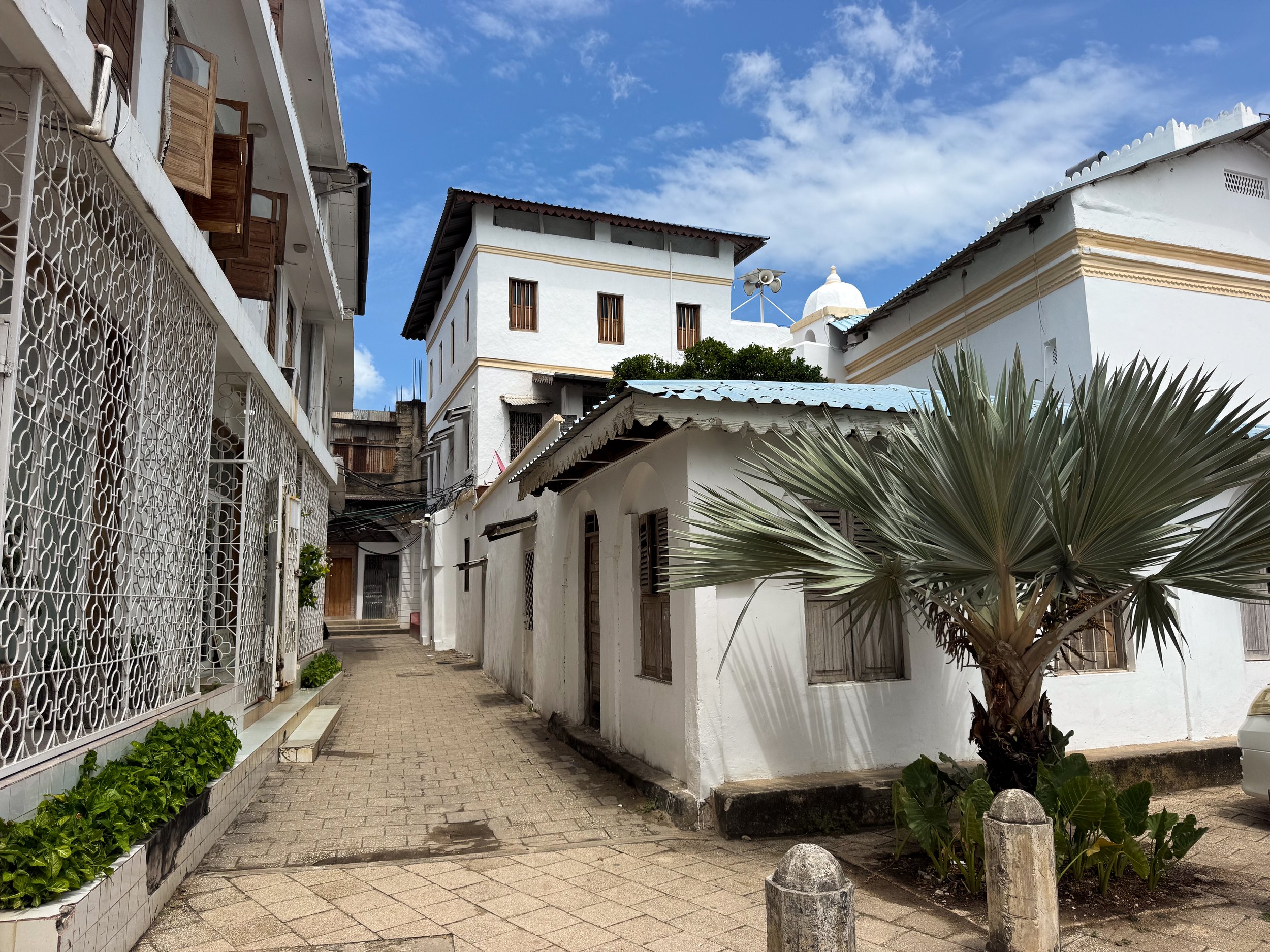
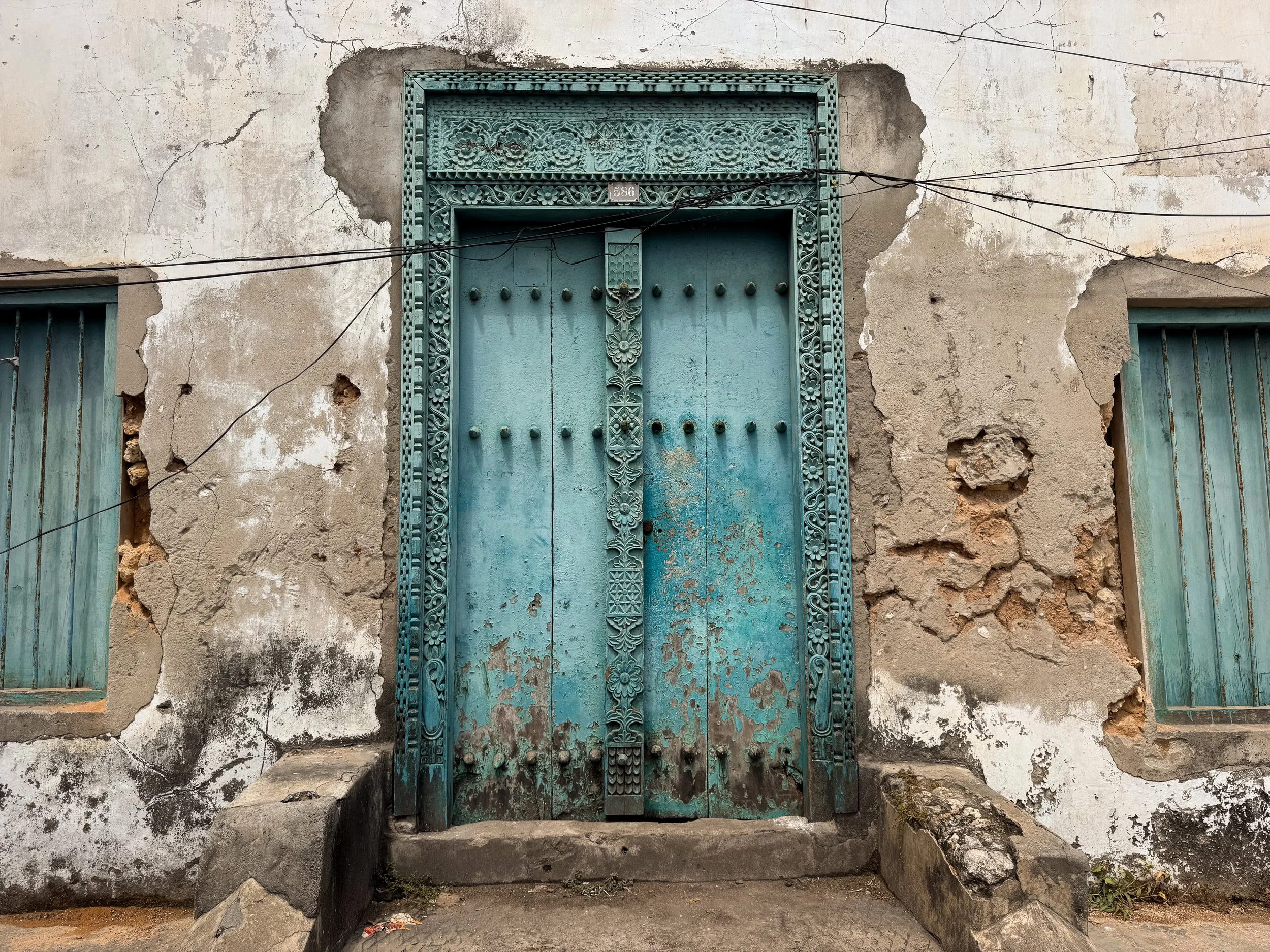
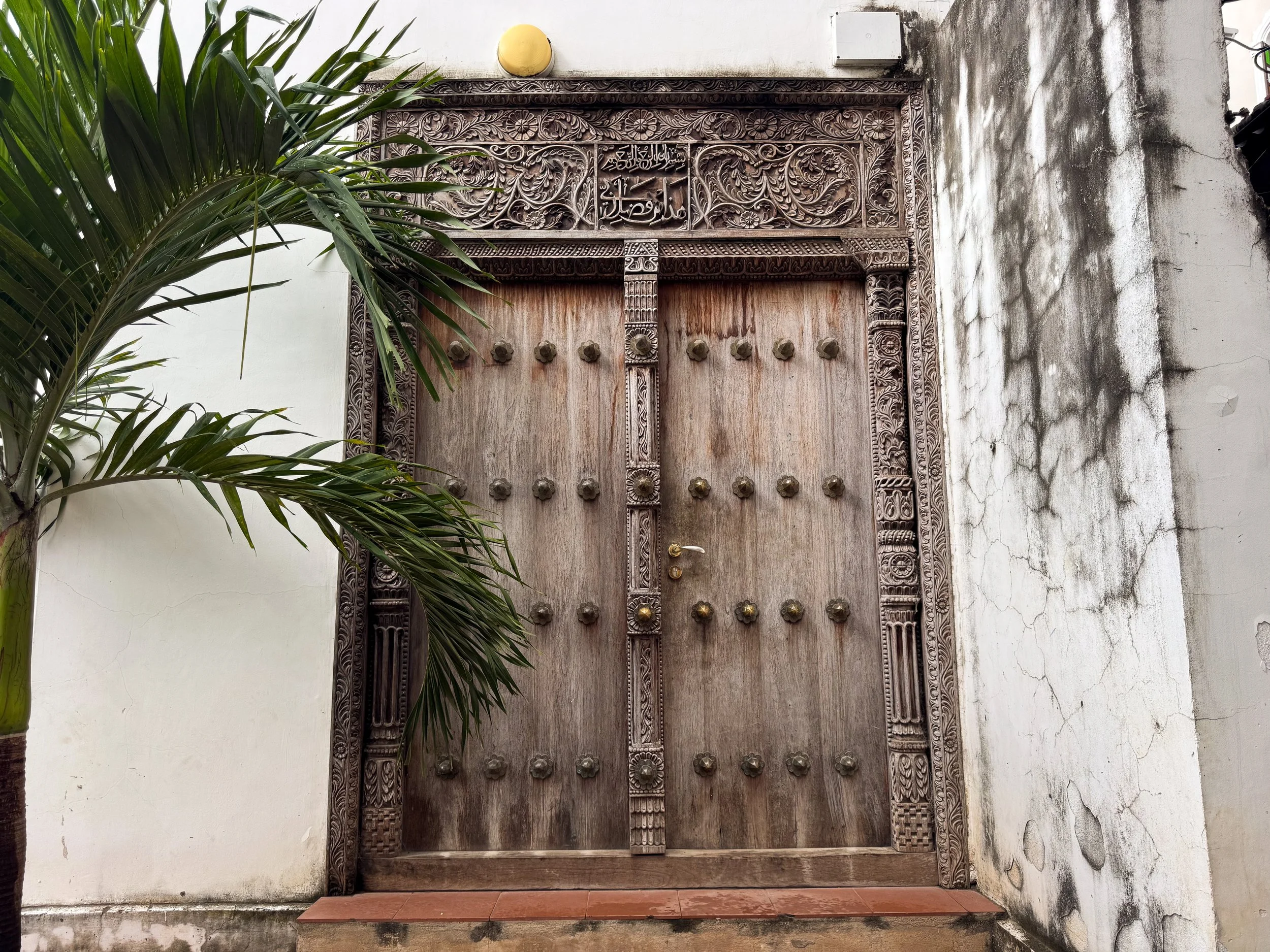
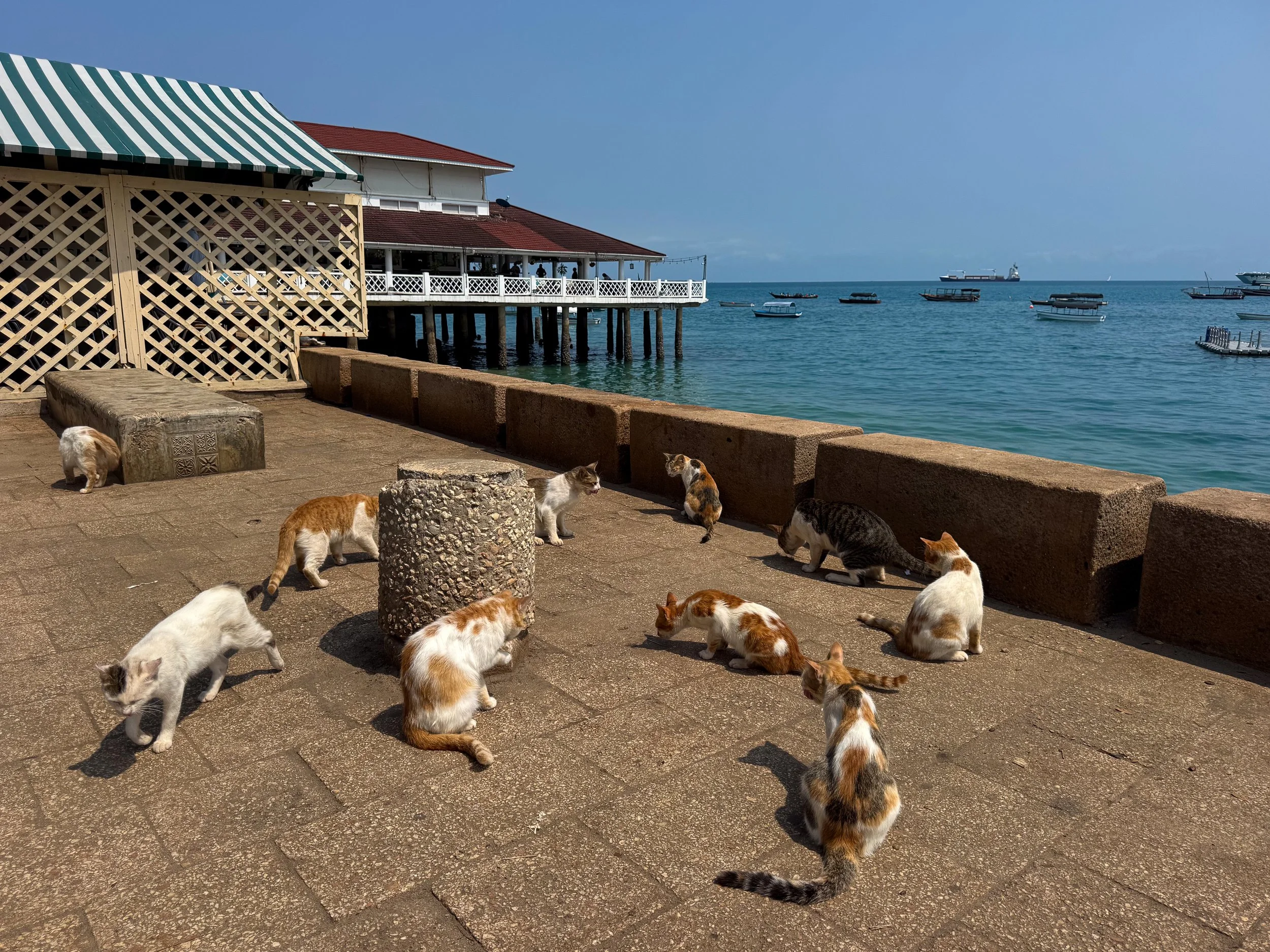
Stone Town is the historic district of Zanzibar City. Its narrow streets and winding alleyways meander between landmark buildings, former sultanate palaces and crumbling ruins. Stained glass windows, wooden balconies and ornately carved doors decorate their tan facades. Tropical plants and palm trees grow from small gardens and roadsides. Stray cats roam freely, often patrolling unoccupied stoops. Local merchants sell jewelry, spices, ebony artifacts, safari style paintings and beaded decorations. It’s a small district but easy to get lost in, making its narrow walkways even more enchanting.
Stone Town Historical Sights
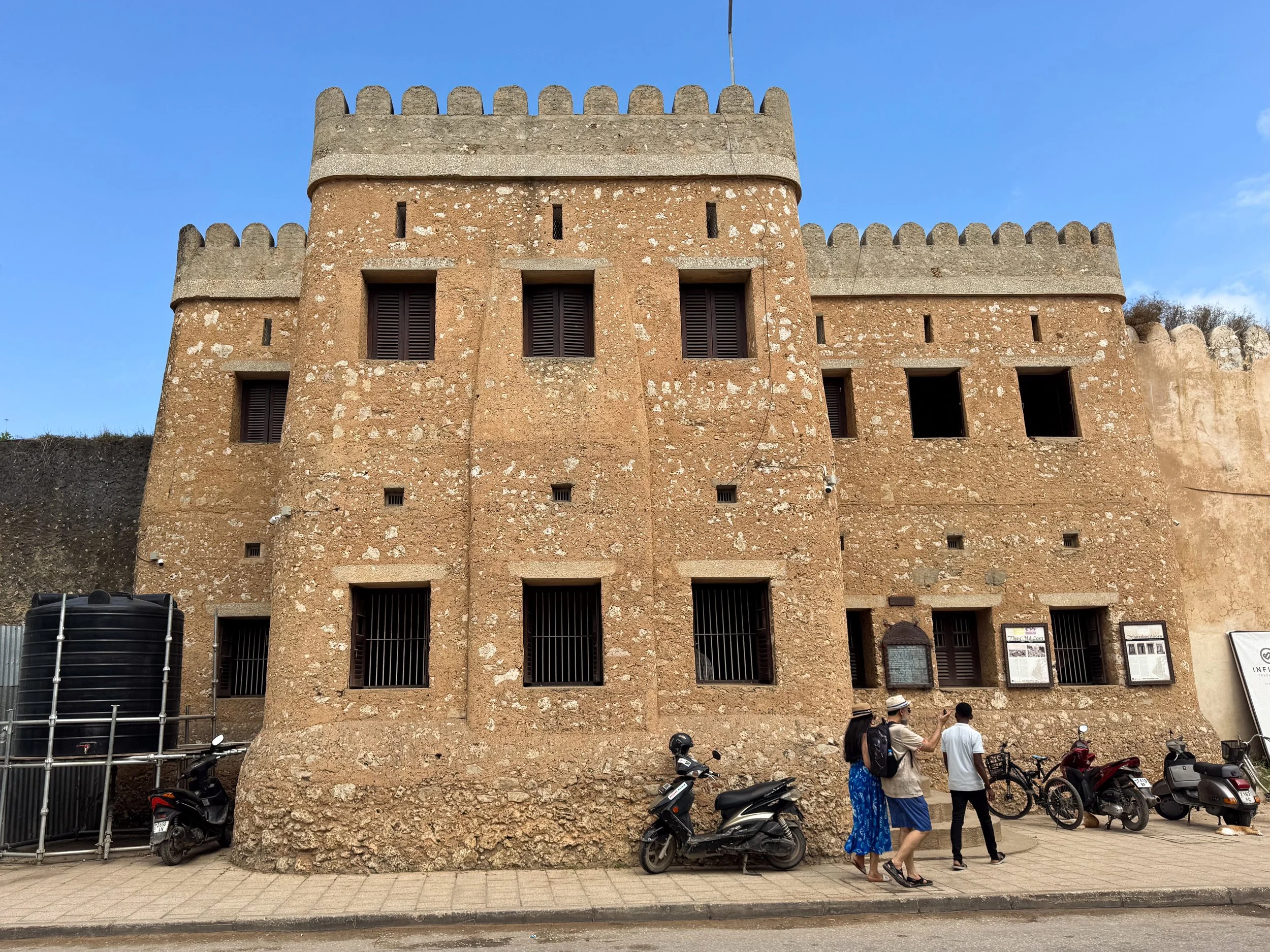
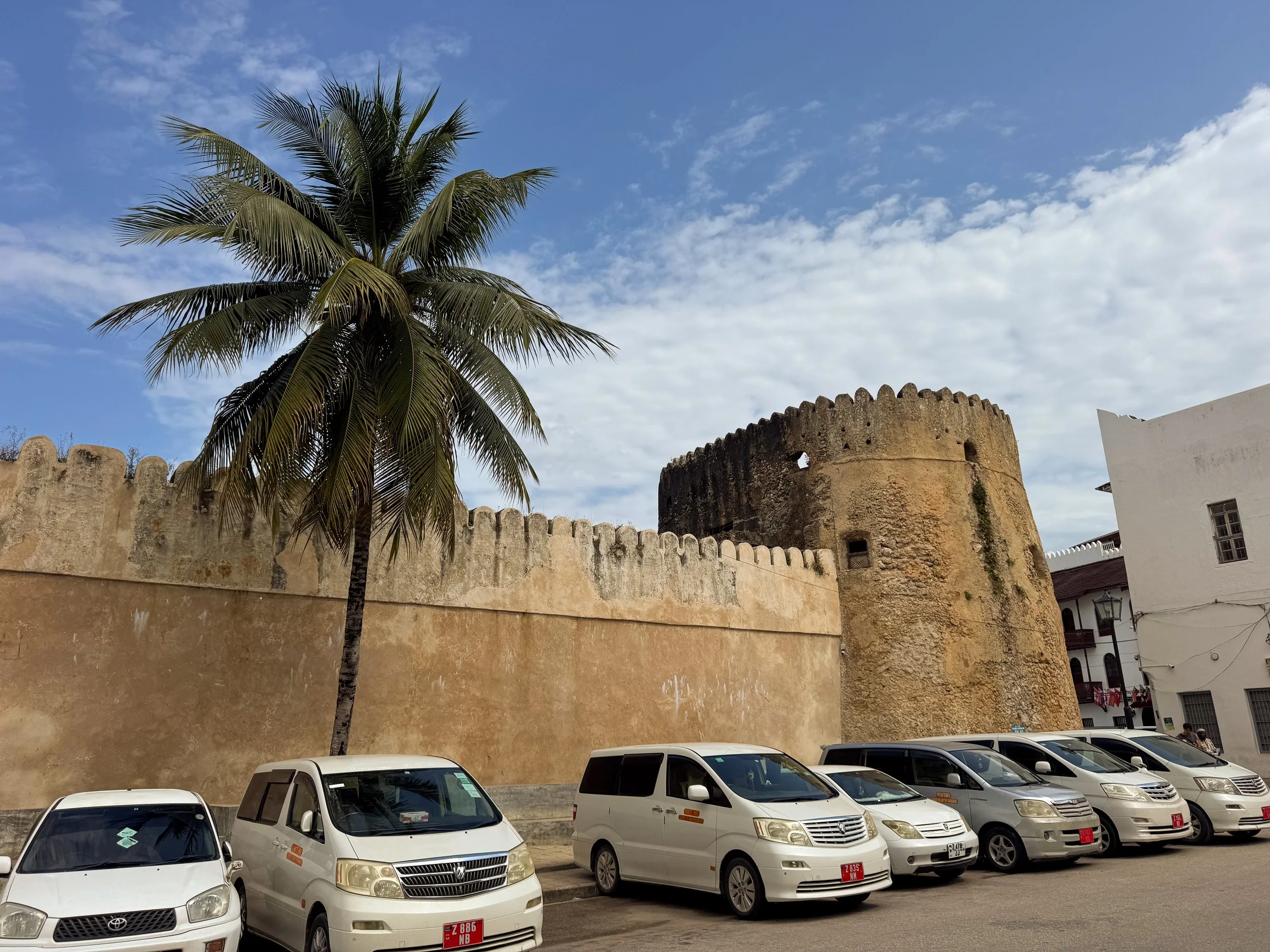
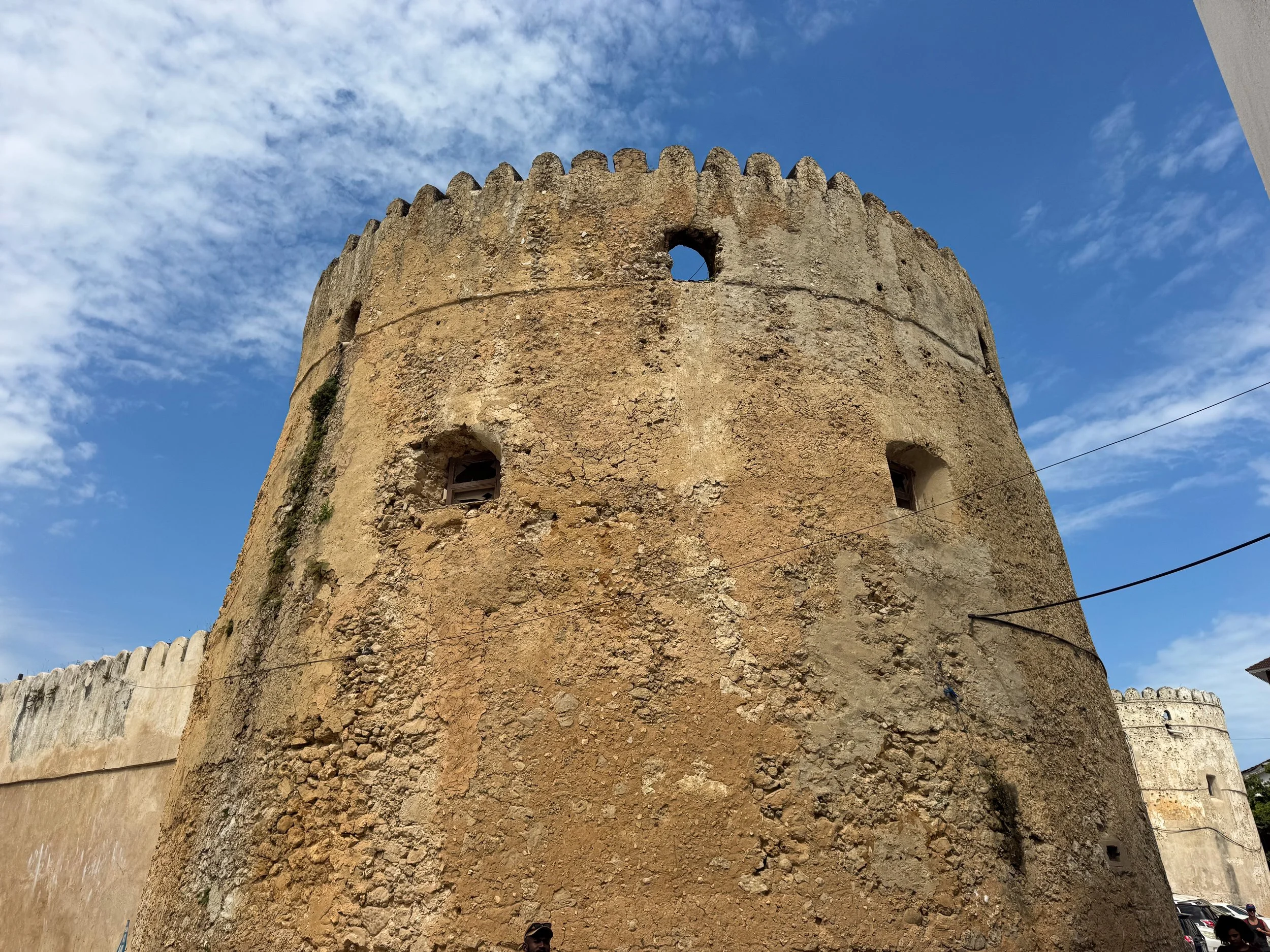
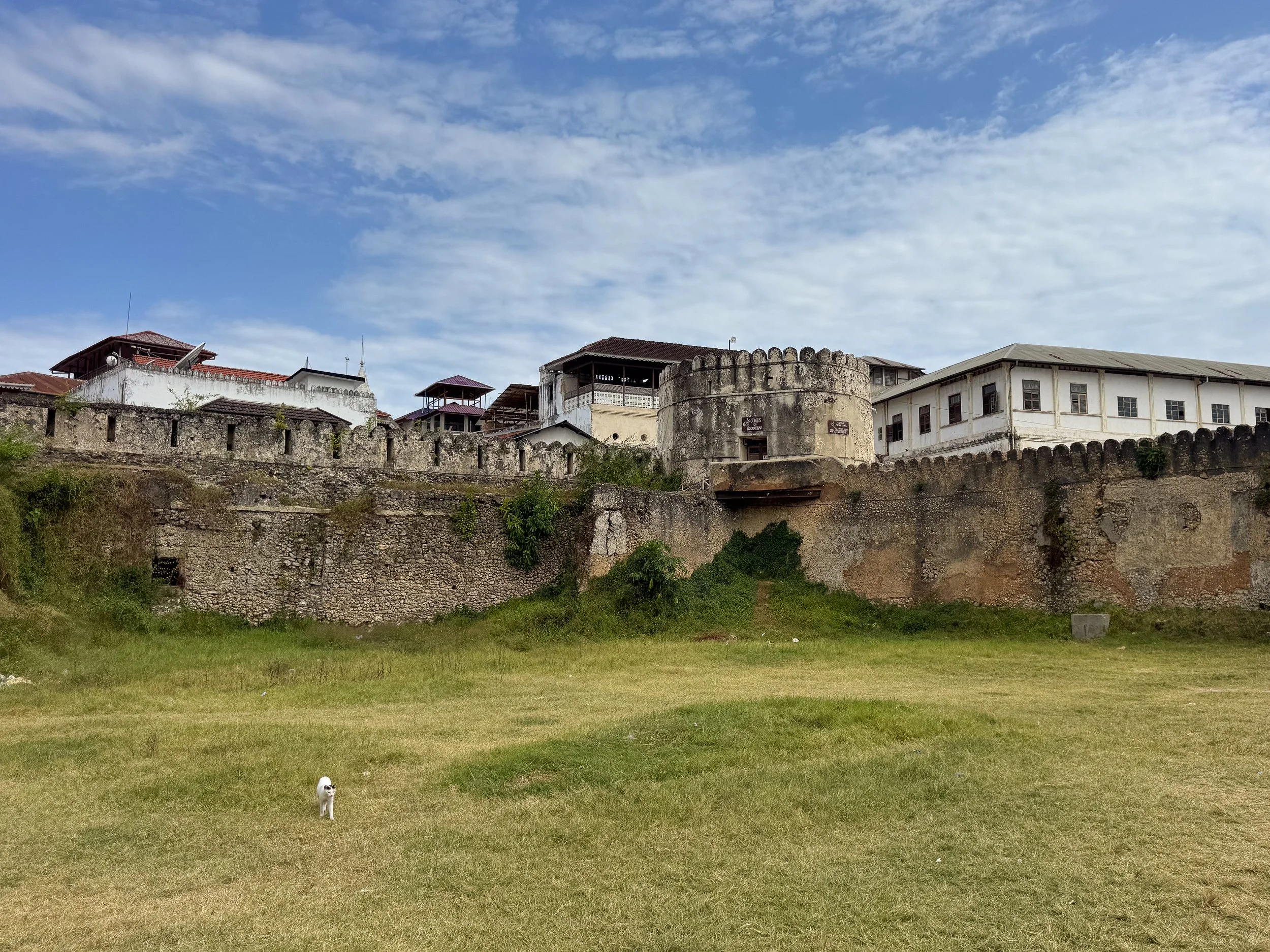
The Old Fort. An Arab style fort built to defend Zanzibar during the sultanate’s rule. Its sand colored walls, curved facade and rounded battlements are characteristic of historic forts built in Oman. The inside of the fort hosts an outdoor amphitheater with regular musical performances as well as a couple dozen craft and souvenir shops. Tourist offices advertise well priced tours, transfers and cooking classes.
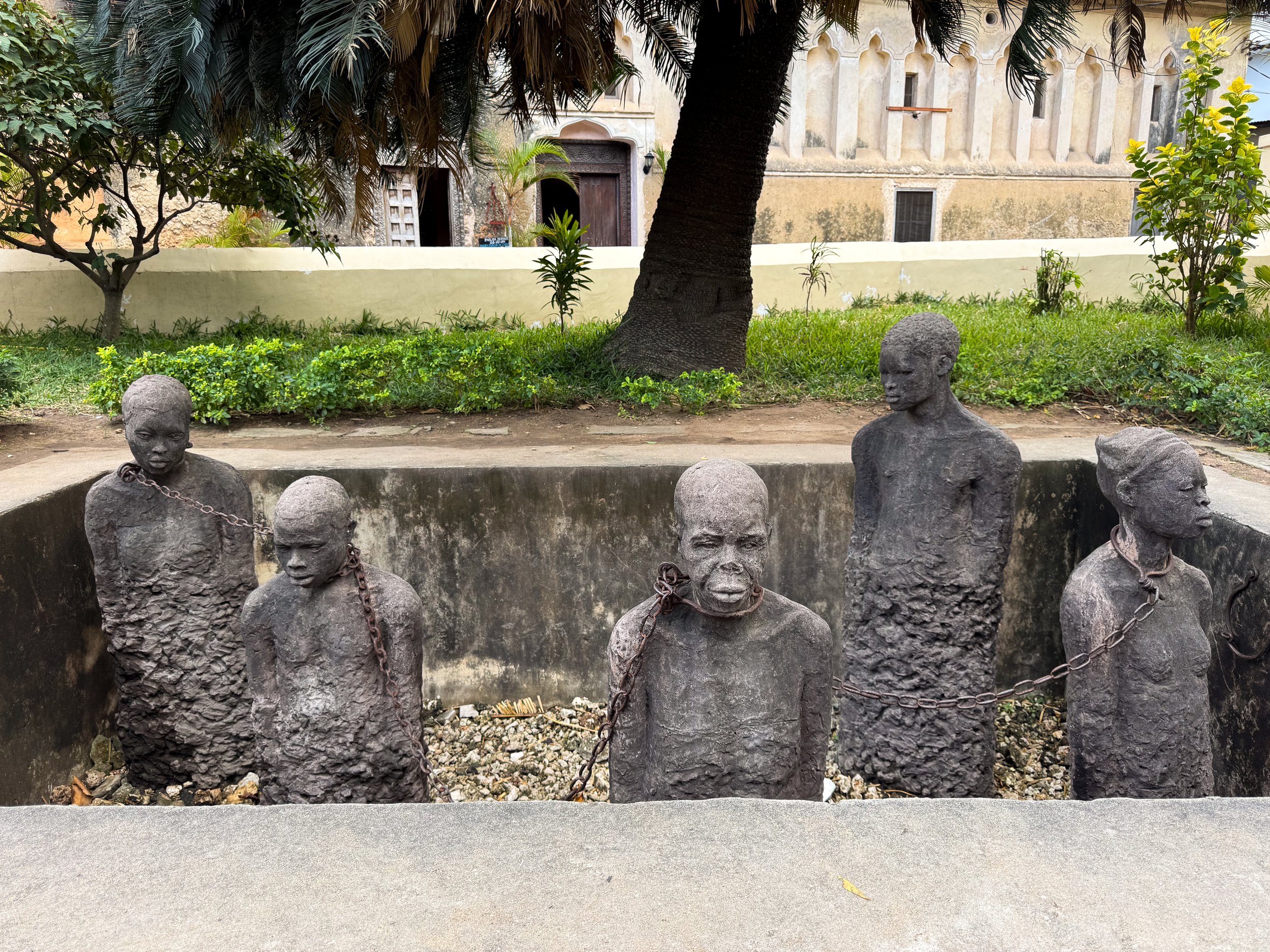
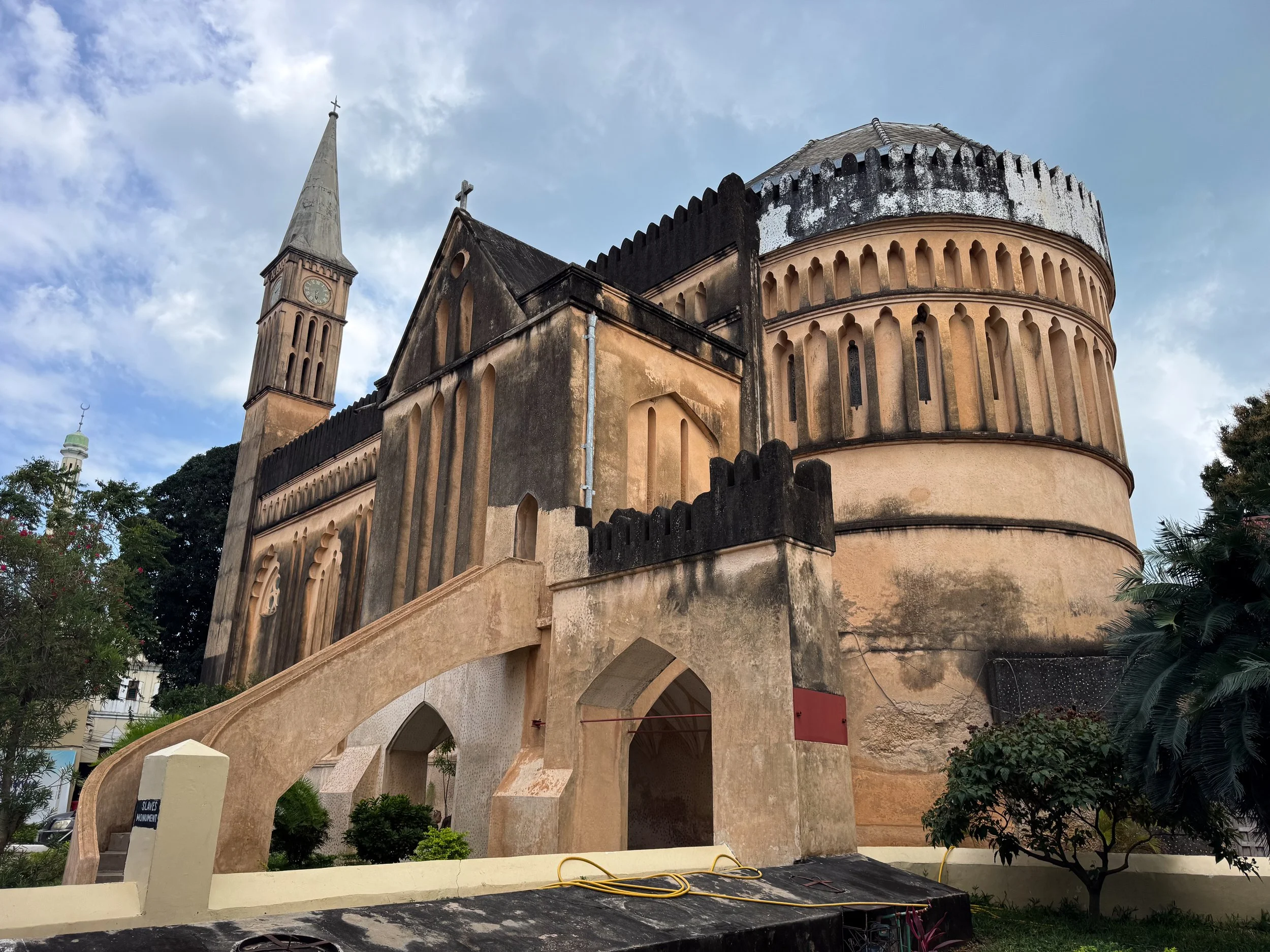
Slave Market Museum. Stone Town was one of the main port cities used during the East African Slave Trade. The town’s former slave market was a site of horrors. A museum recounts the history of the slave trade from its Portuguese colonial beginnings to expansion by the Omani sultanate and eventual abolition by the British. A church was built over the location of the slave market. Its whipping post and two former cells remain as a reminder of the period’s atrocities. Outside of the church is a sobering monument of enslaved Africans with iron chains around their necks.
Good to Know. The museum requires a guide to enter. One can be hired at the gate outside of the museum for a gratuity. Our guide shared in depth information of the history of the slave trade in Stone Town and the market’s horrific history.
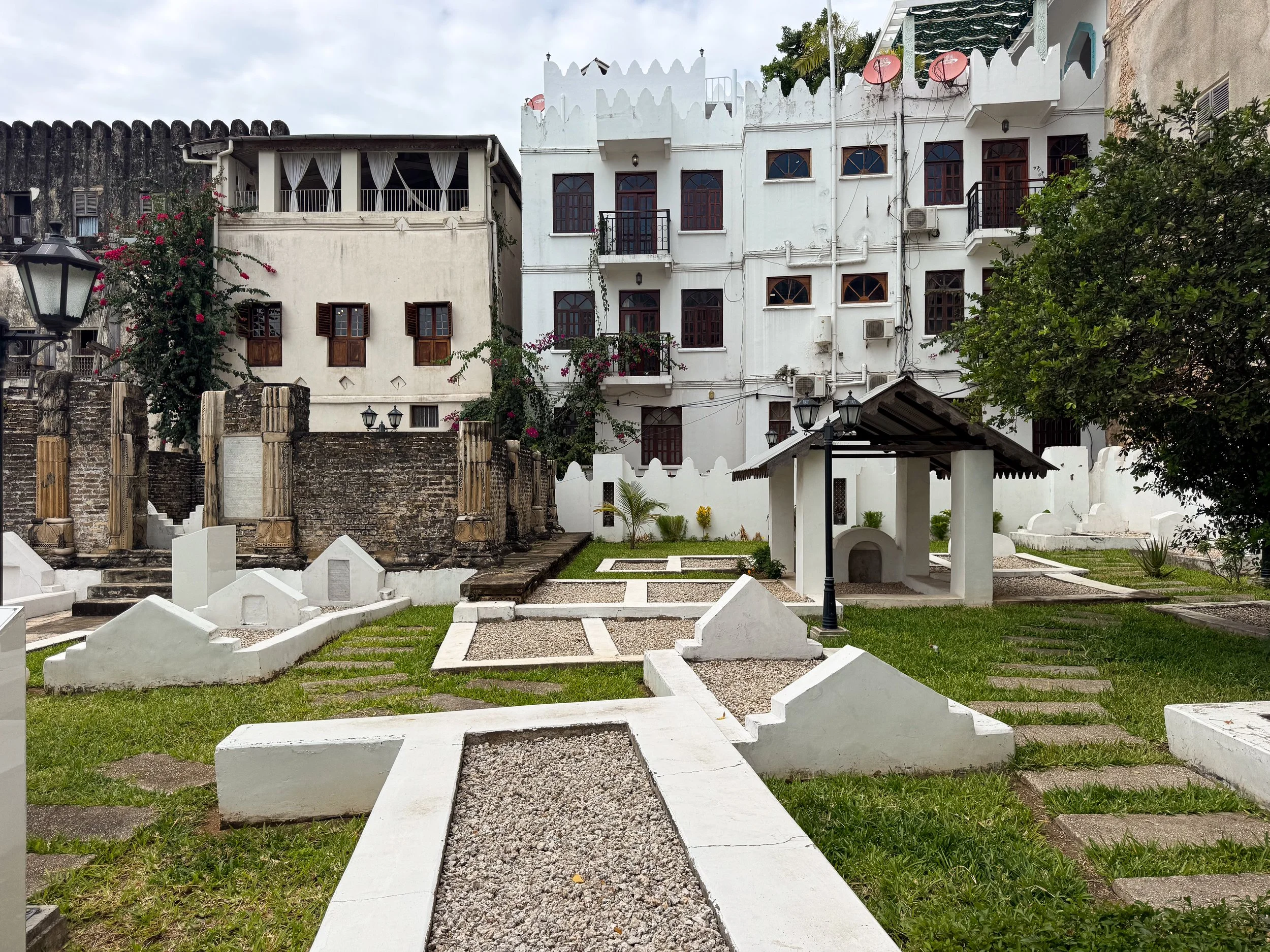
The Royal Cemetery. A cemetery and museum dedicated to the generations of sultans that ruled Zanzibar until the island’s independence. A museum curator led us through the small exhibit, recounting the history and lineage of the sultans. We visited the cemetery where most of them and their descendants are buried.
Good to Know. Both of the neighboring sultan’s palaces, The People’s Palace and House of Wonders, were closed for renovations.
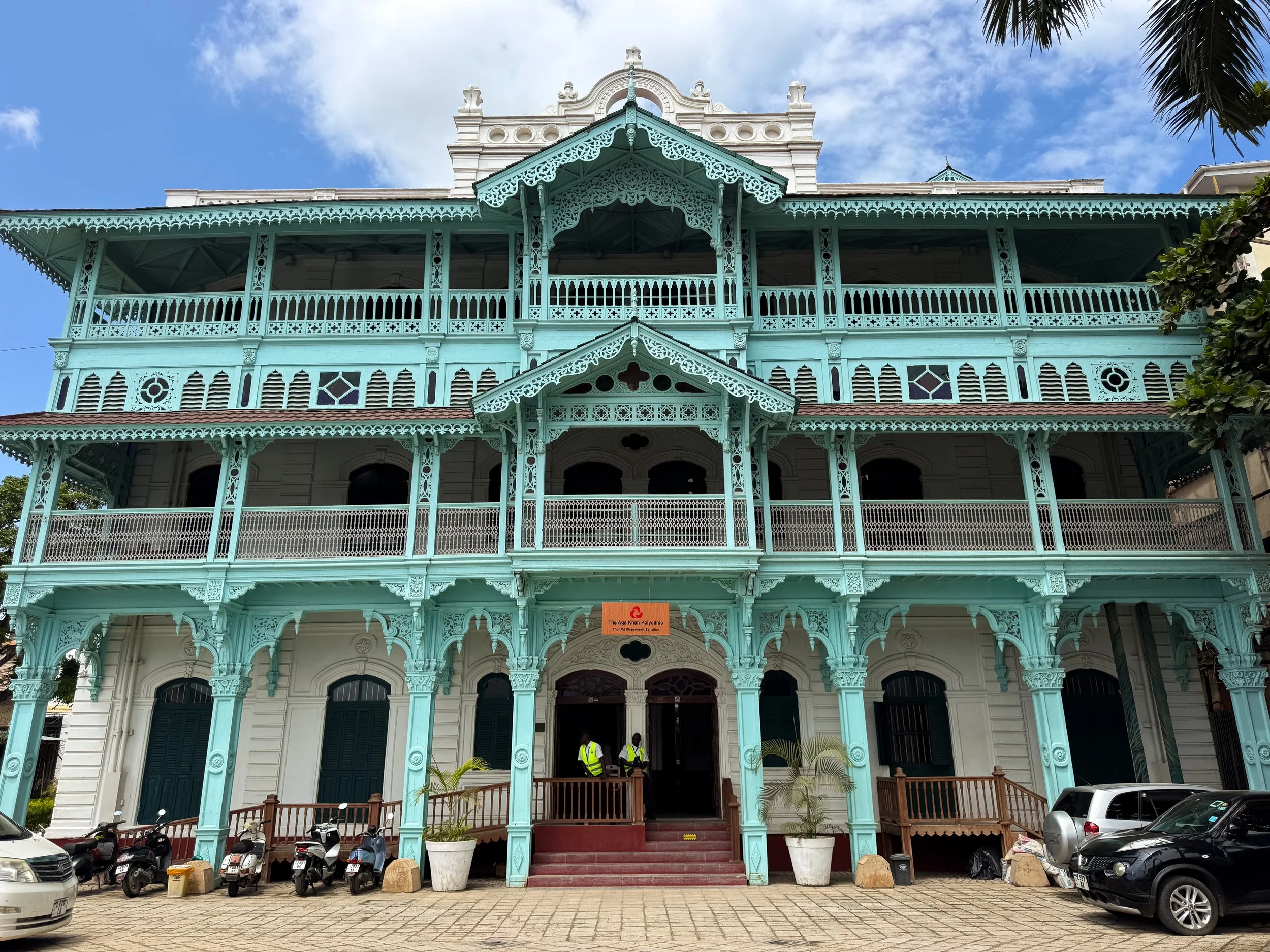
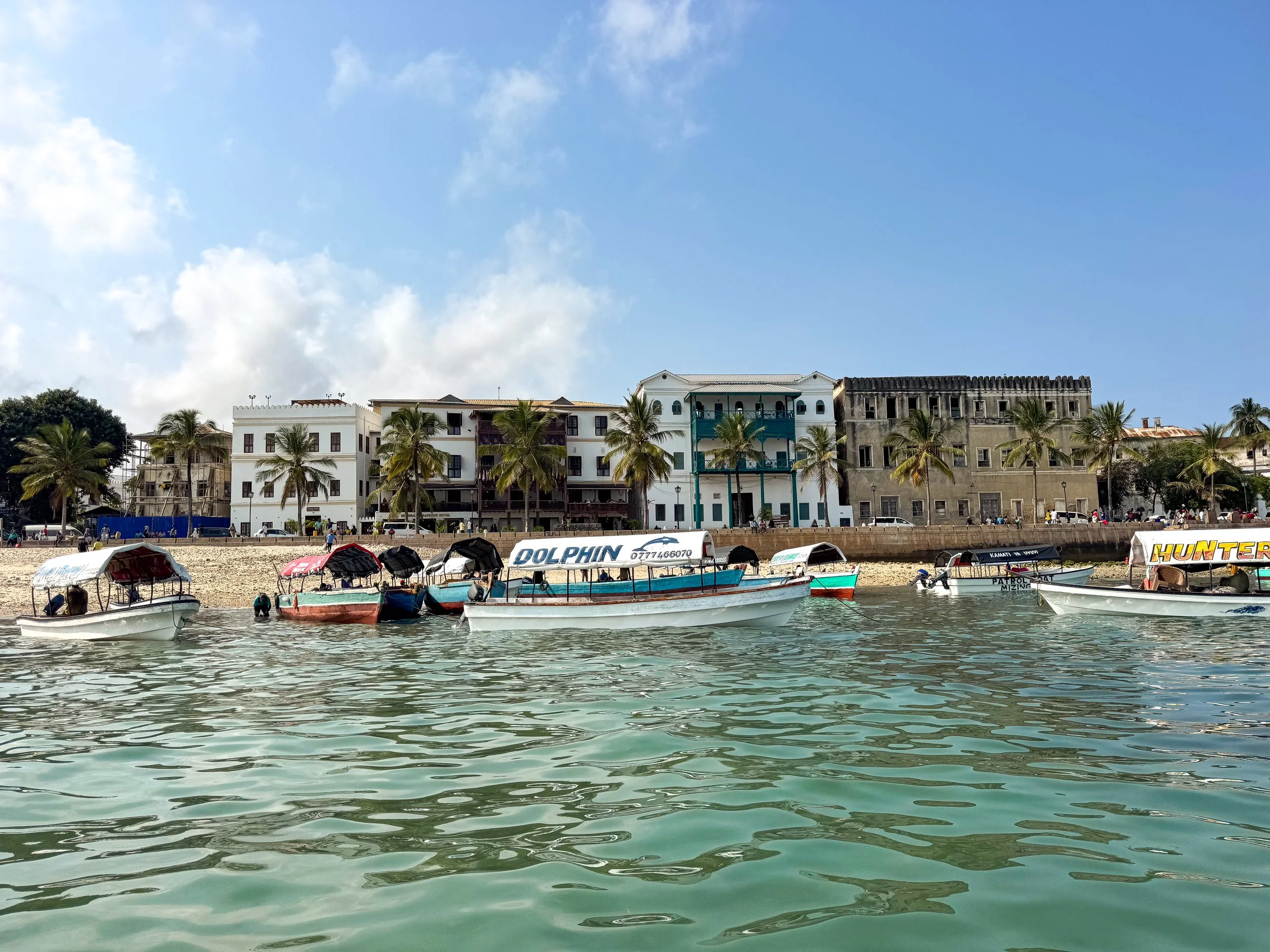
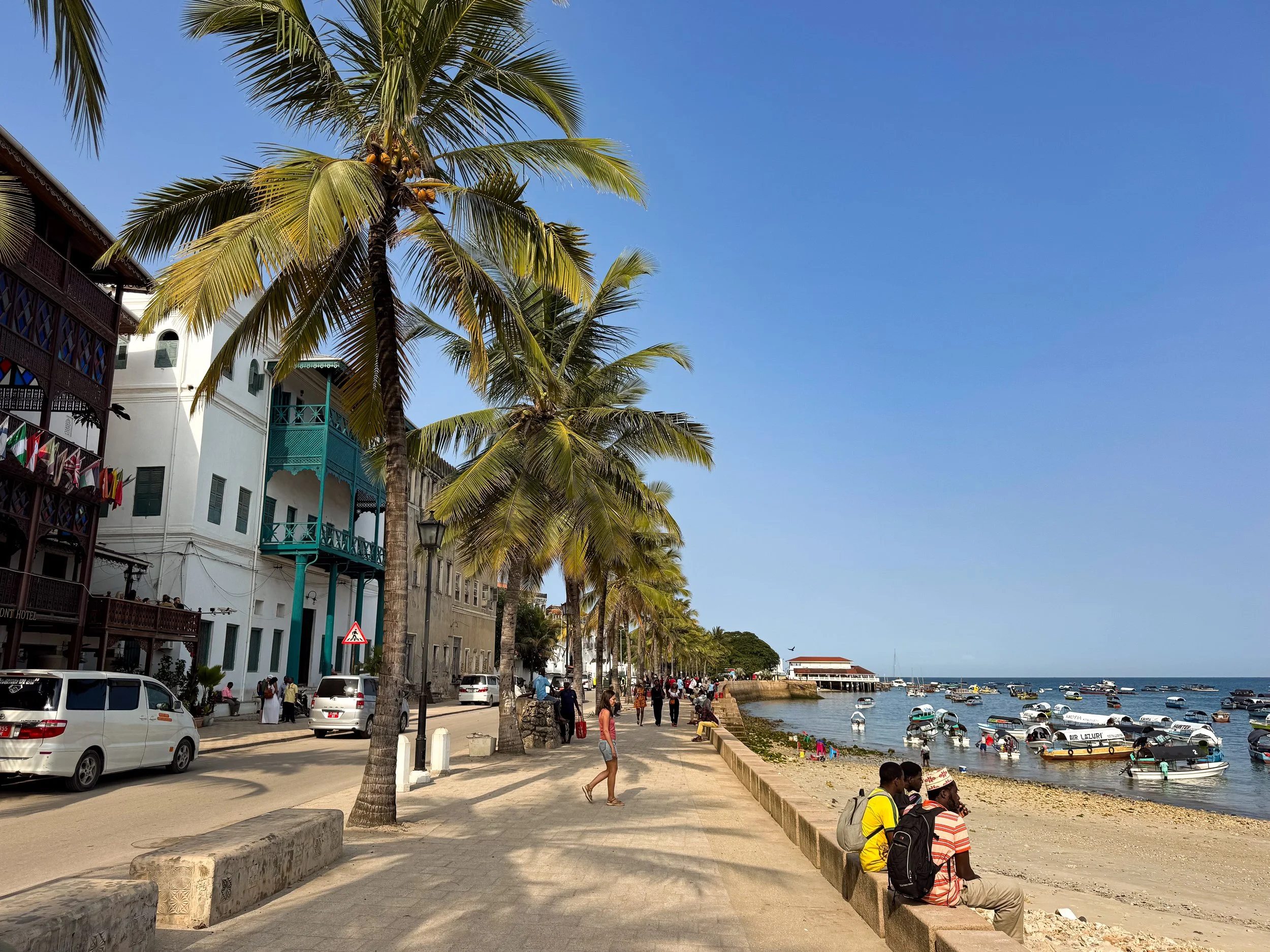
The Old Dispensary. One of Stone Town’s best preserved historic buildings. Its ornate facade is decorated in three levels of intricately carved wooden balconies. Its teal color and location along the waterfront allow it to stand out.
Stone Town Coastal Sights
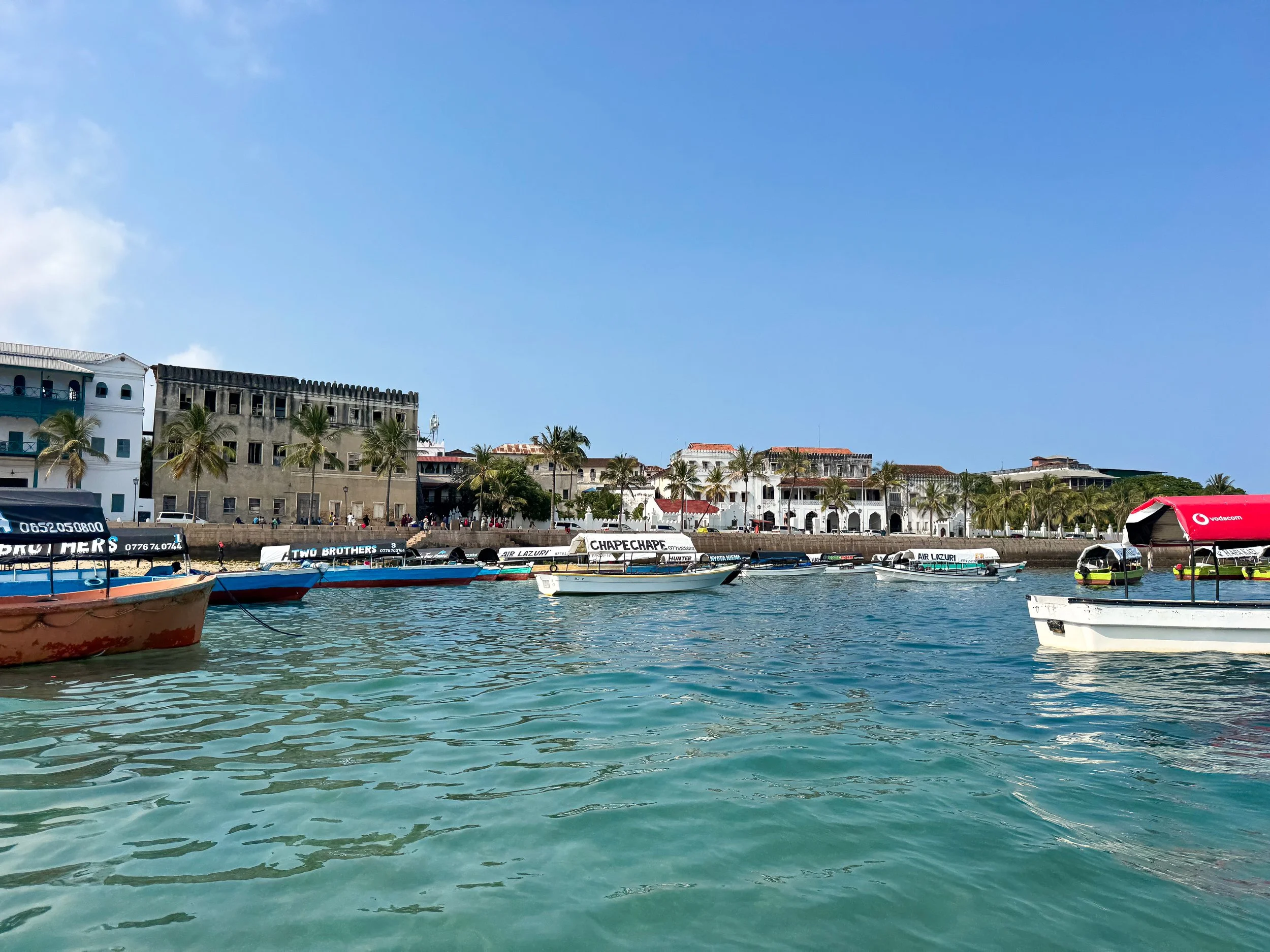
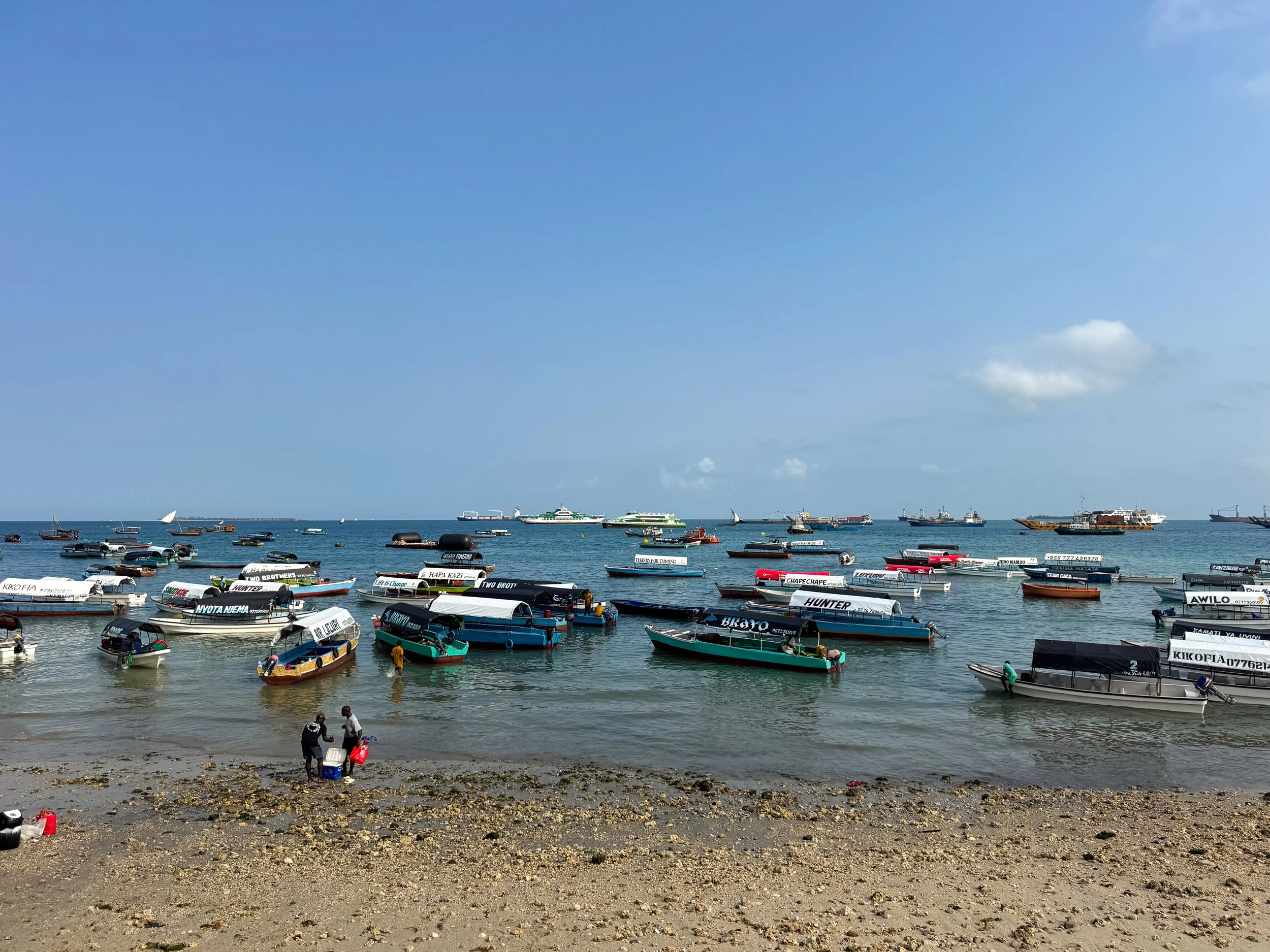
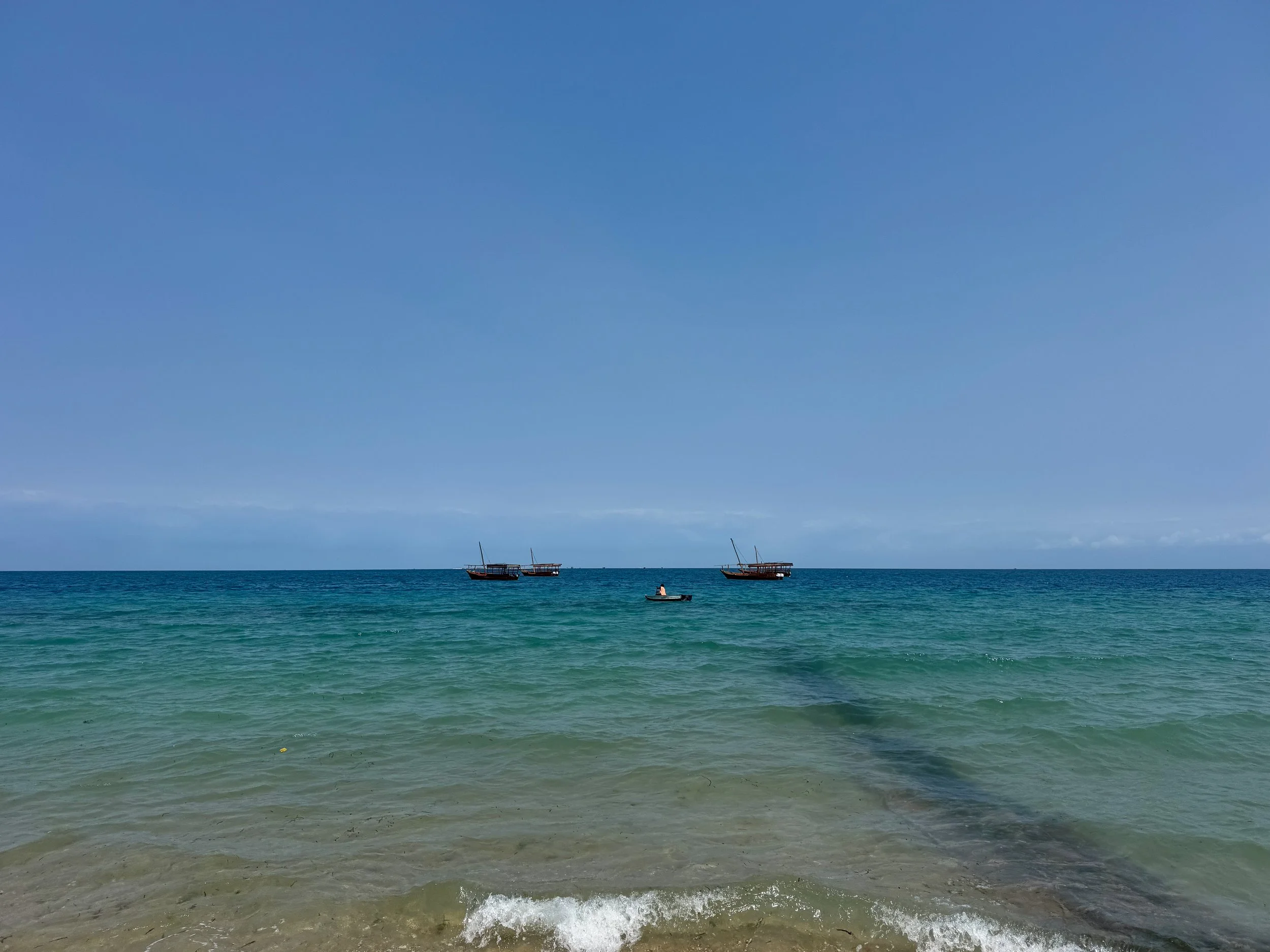
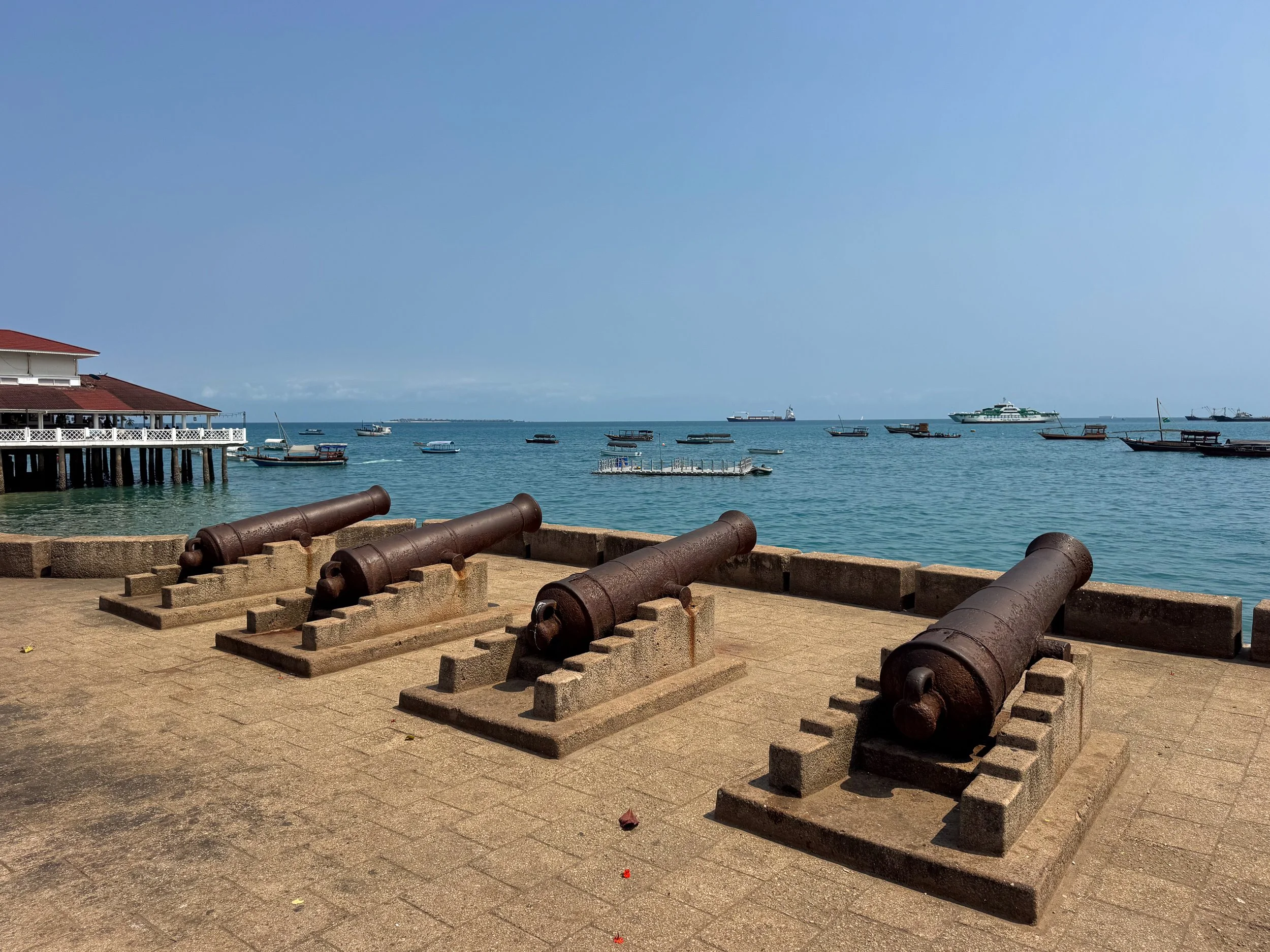
Stone Town Waterfront & Harbor. The waterfront of Stone Town is lined with historic buildings, palm lined walkways and a harbor dotted with anchored tour and fishing boats.
Forodhani Park. A lush waterfront park with palm lined walkways, flowering trees and views of Stone Town’s harbor. Local guides advertise walking tours while boat captains offer day trips to neighboring islands. Small kiosks offer light bites and drinks while the park comes to life at night for an evening street food market.
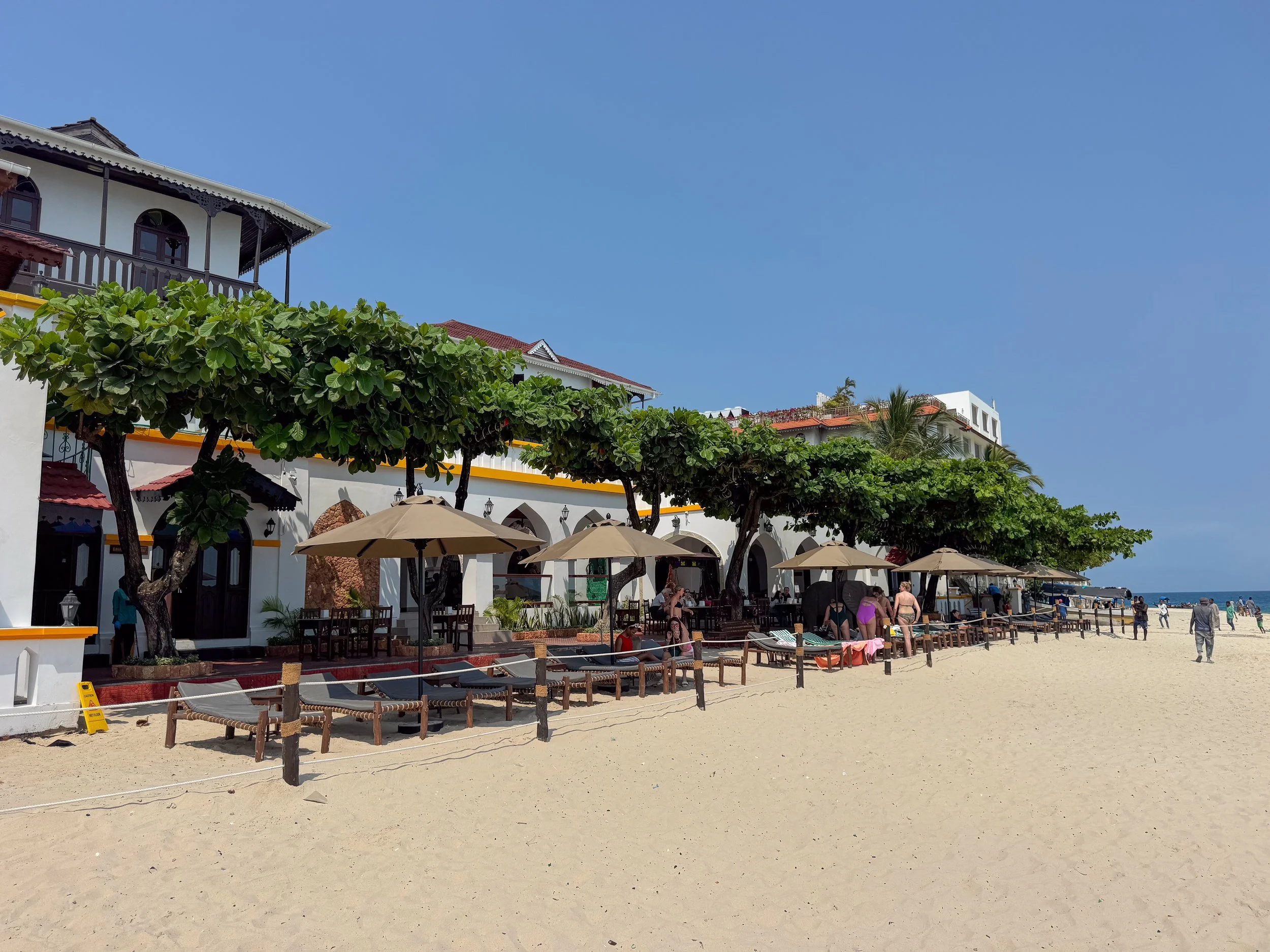
Shangani Public Beach. A yellow sand beach hooking around the western tip of Stone Town. It’s popular for sunsets, boat tours and to watch locals play beach football. Multiple luxury hotels have restaurants and pools looking out over the beach.
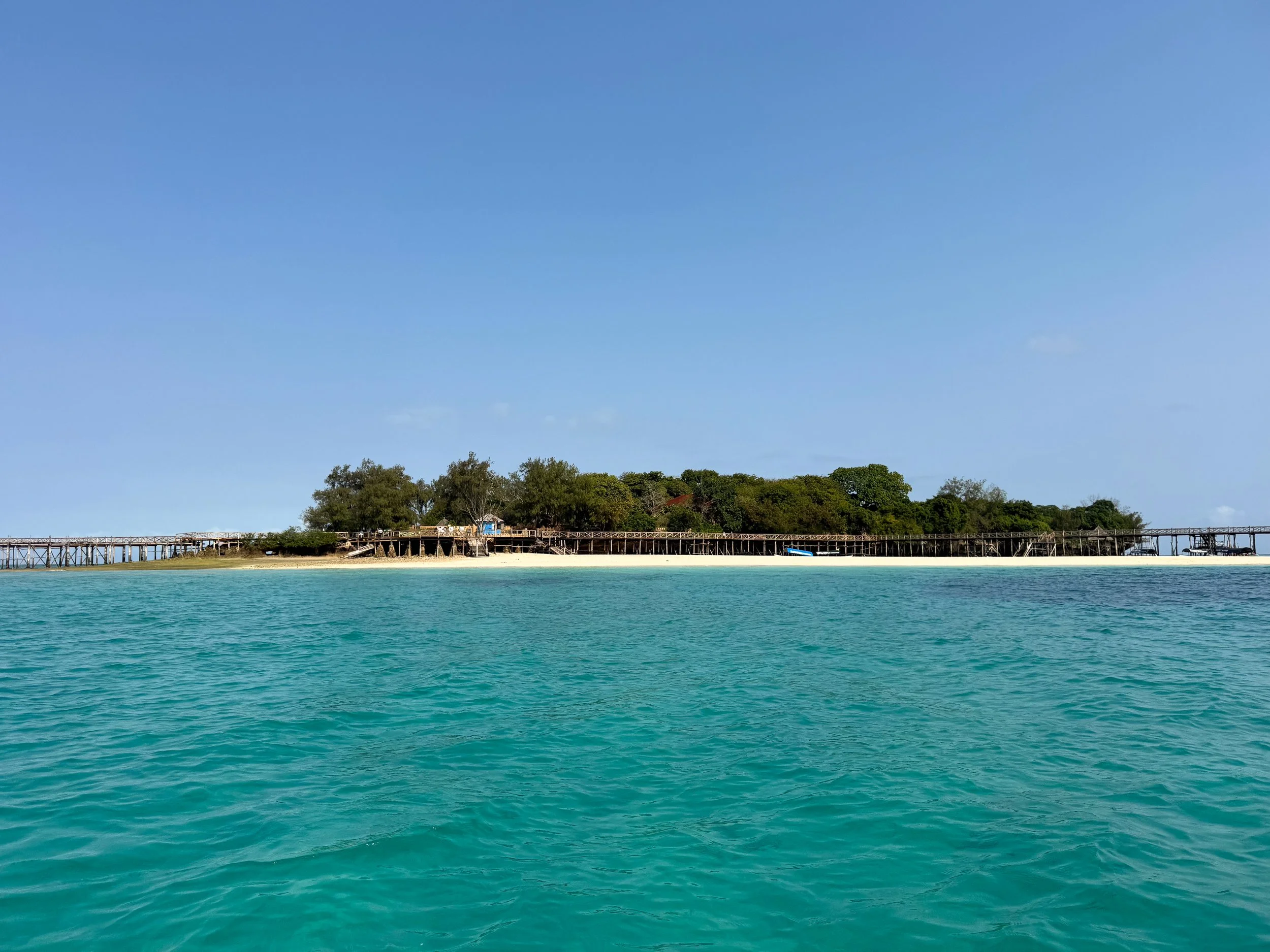
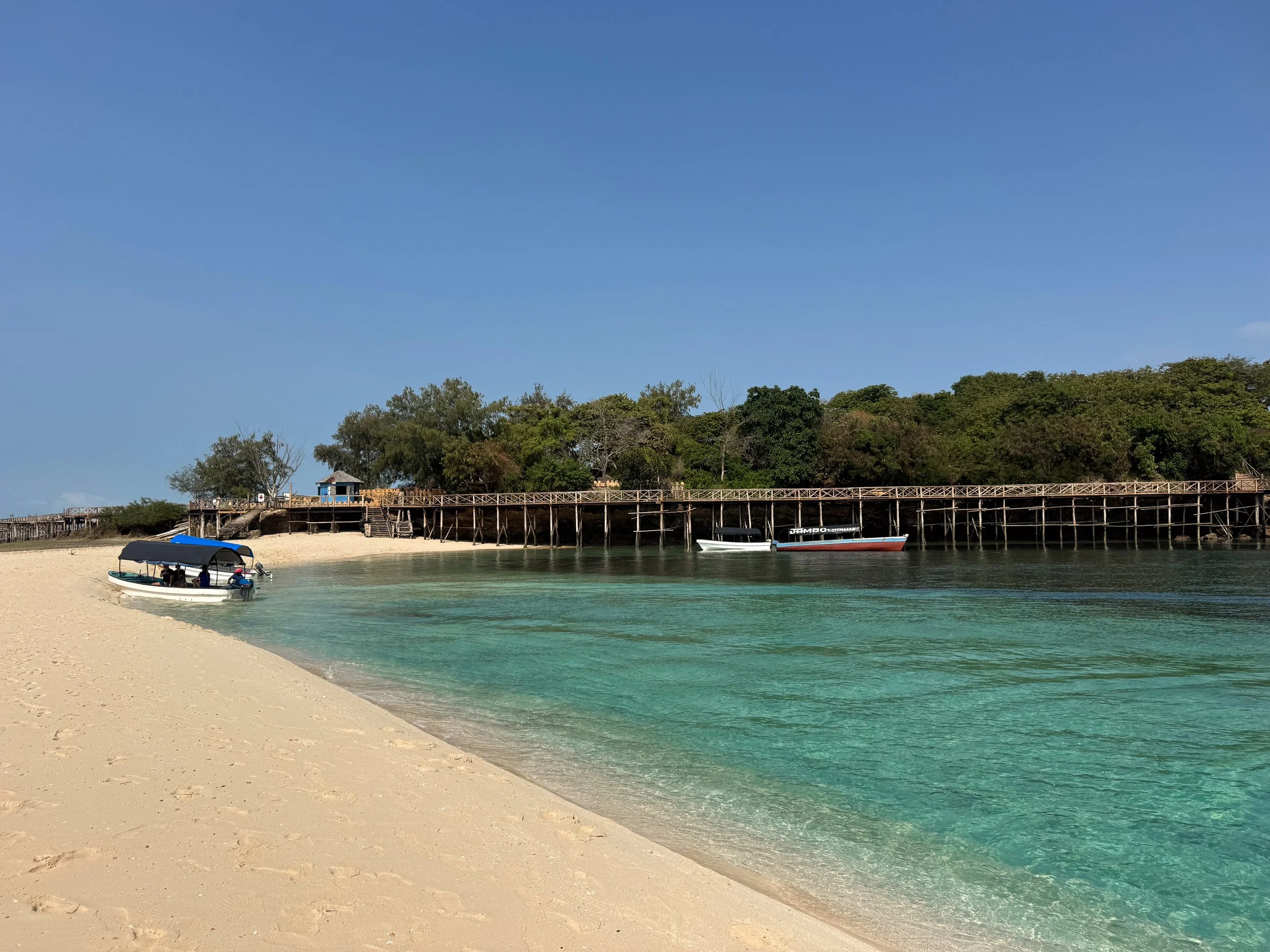
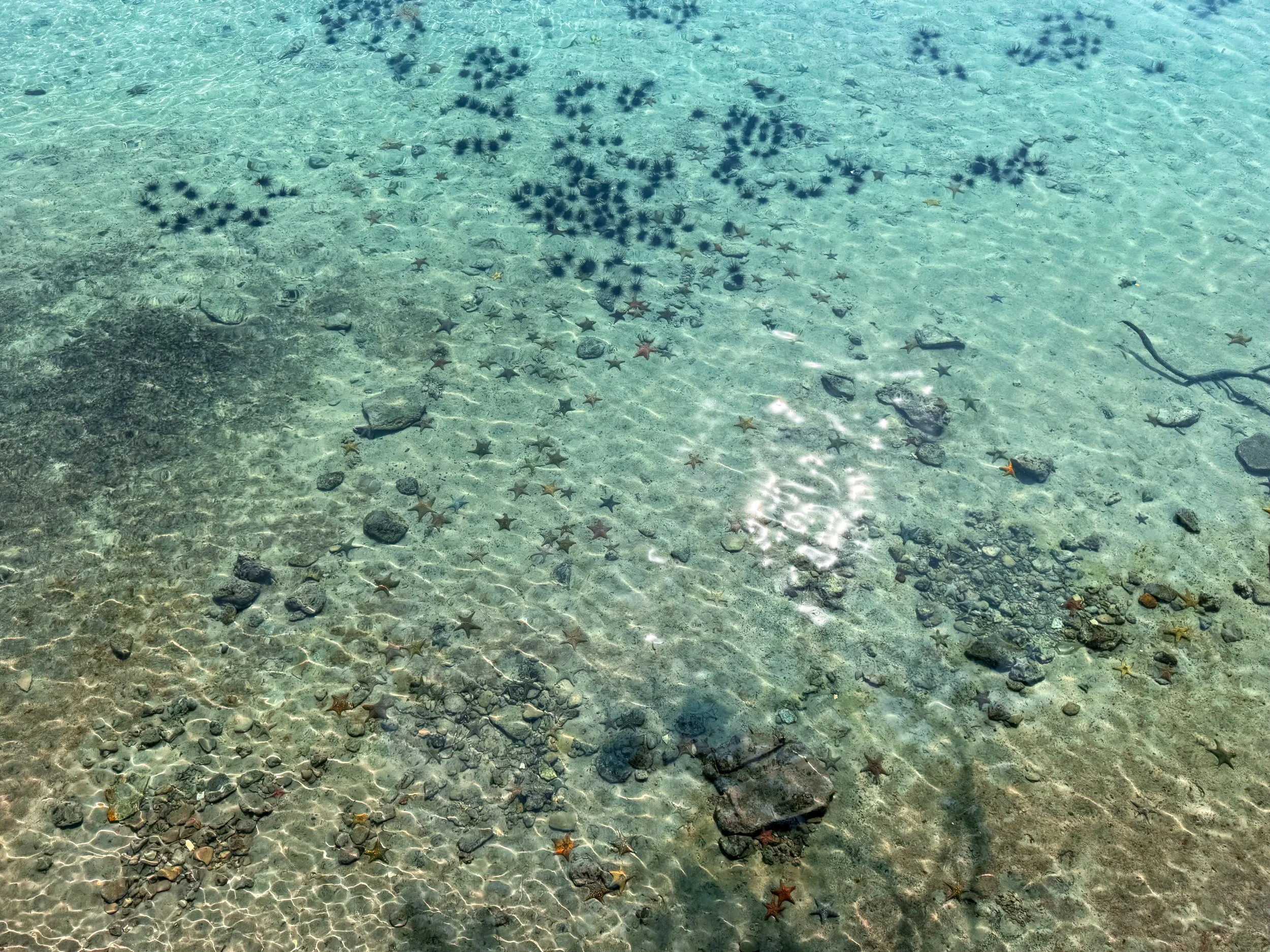
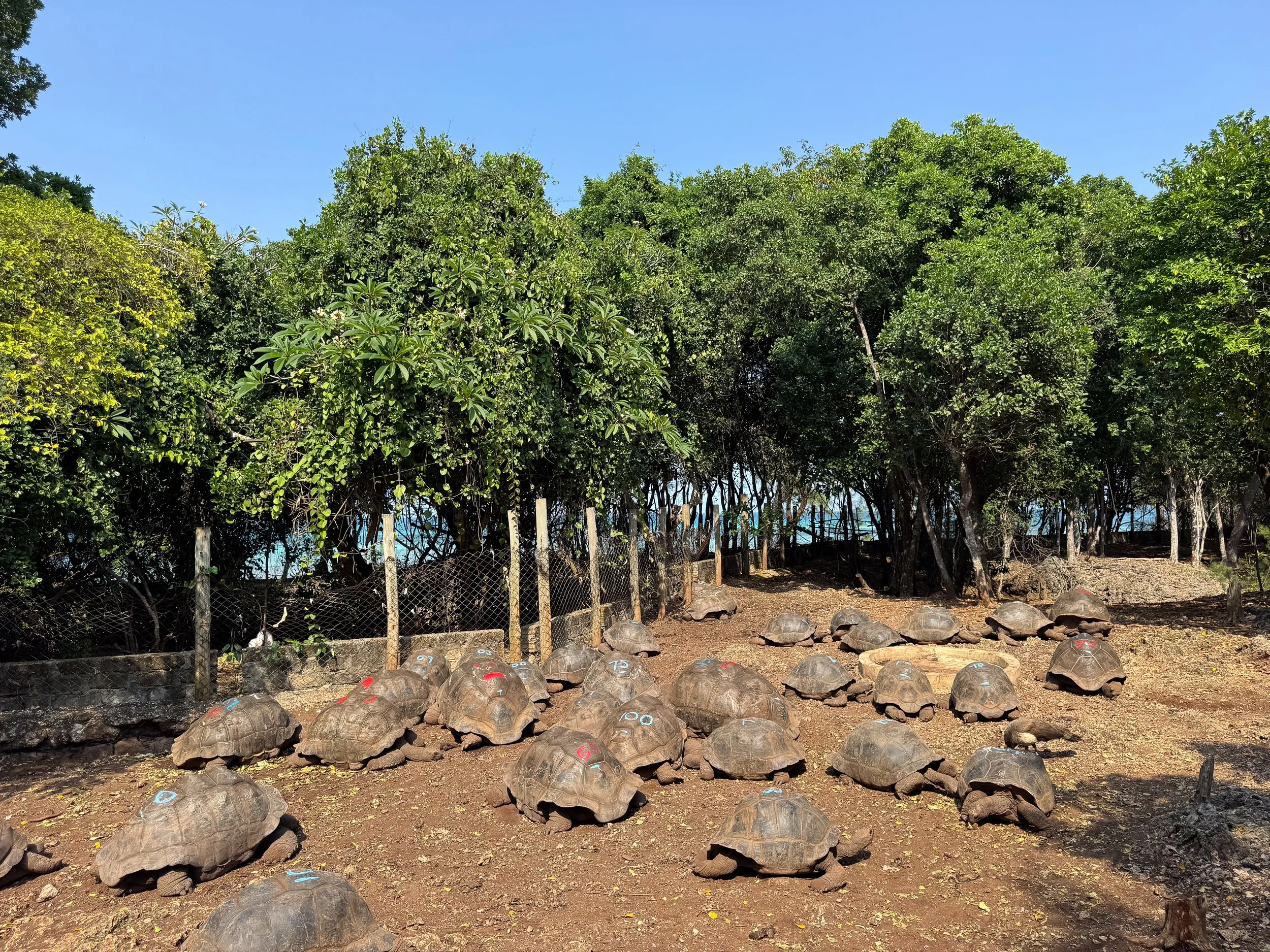
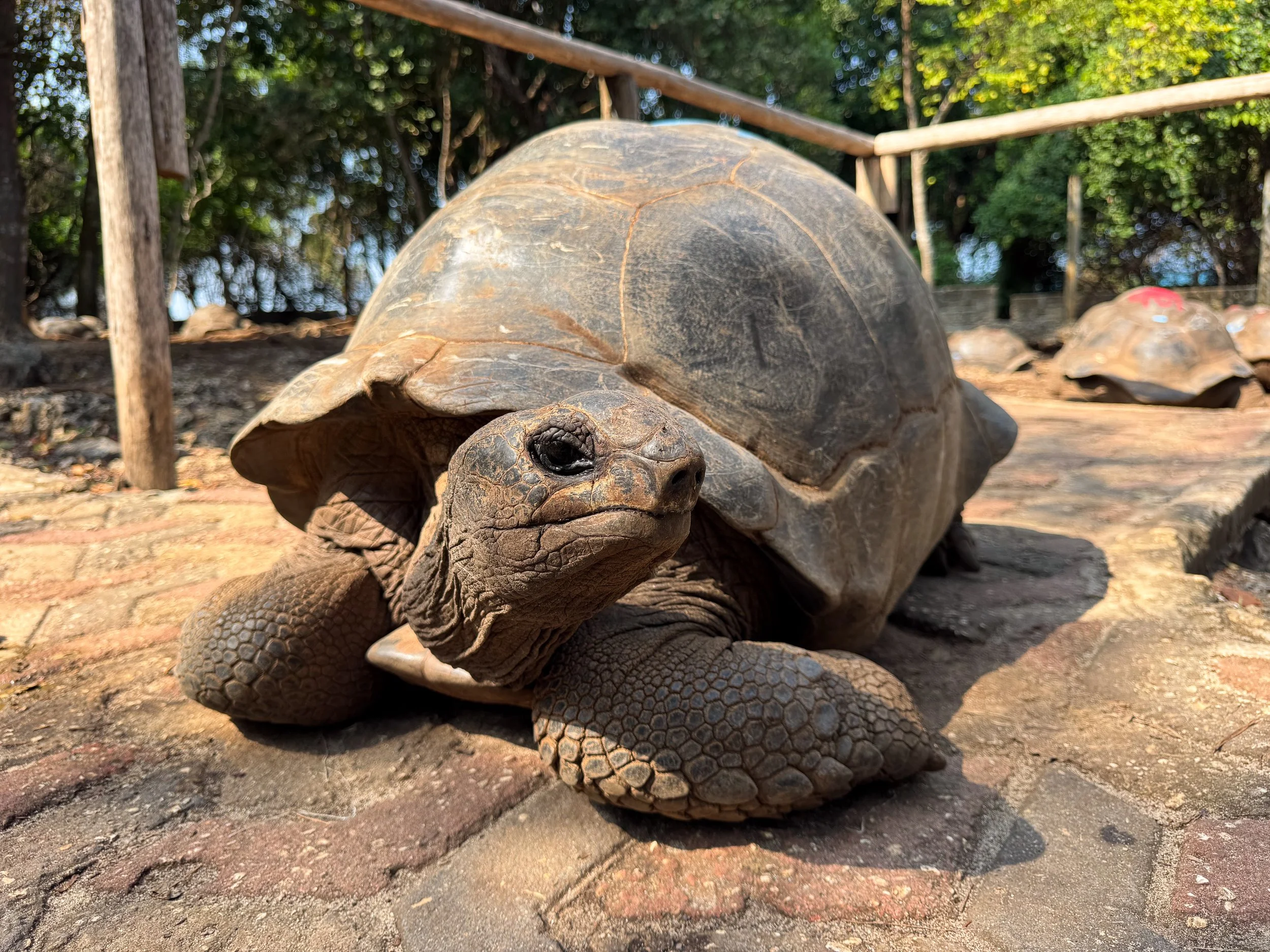
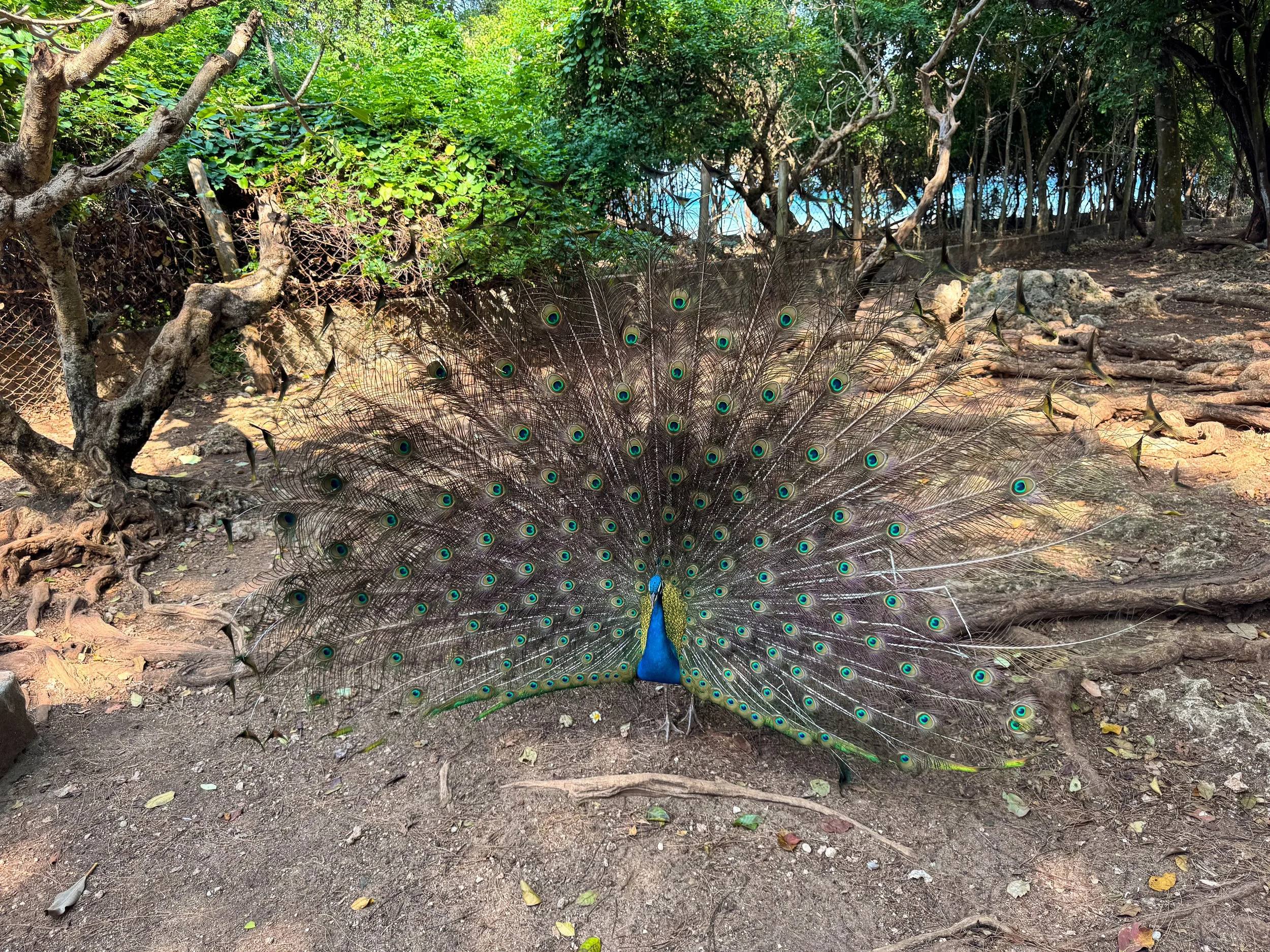
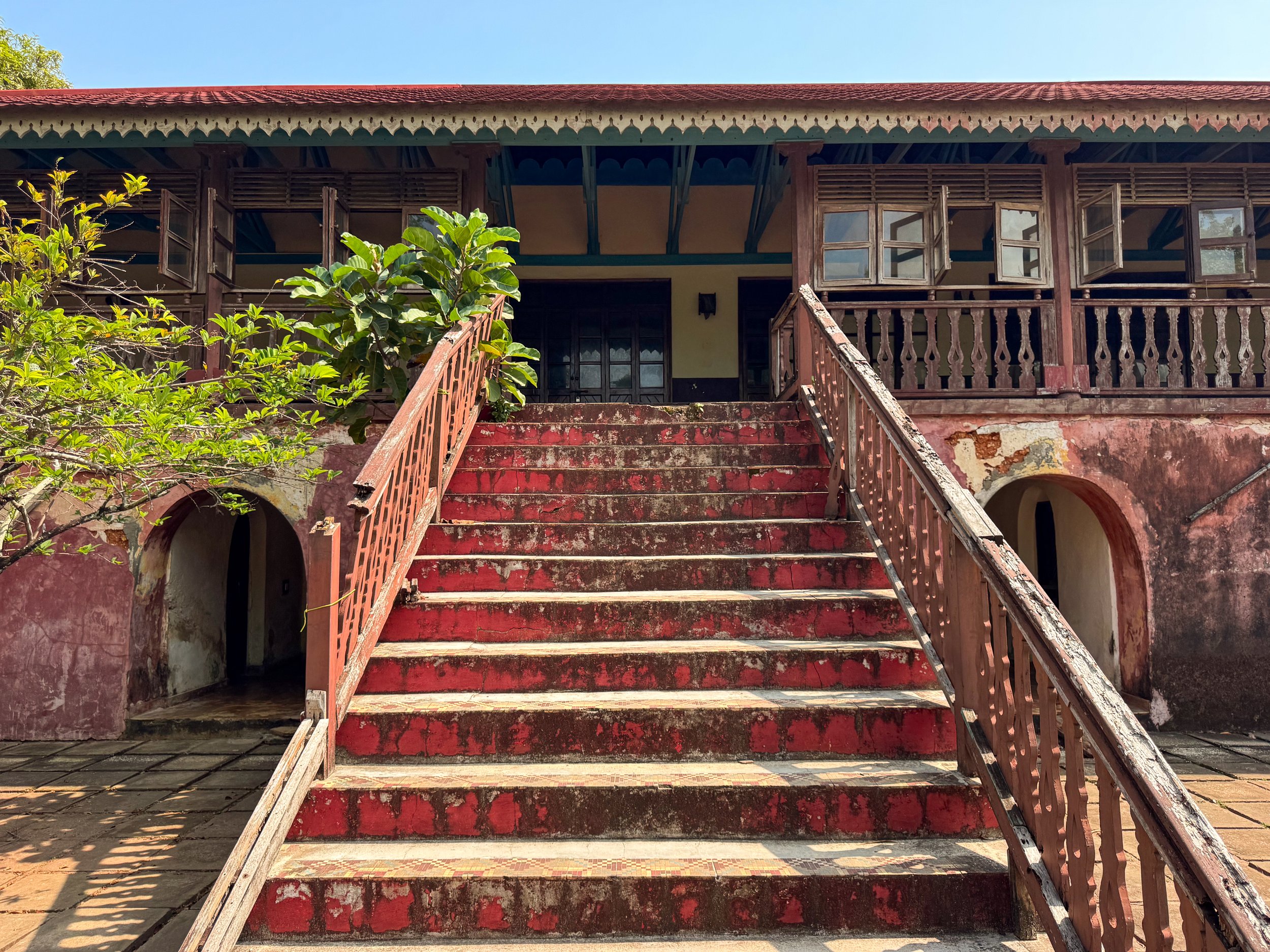
Prison Island. A small island off the coast of Zanzibar famed for its Aldabra Tortoise Sanctuary and historic ruins. The giant and slow moving tortoises roam in large pens. They range from two weeks to over two centuries old! Their shells are marked with red and blue numbers noting their age and gender. Vibrant peacocks strut around the island’s trails. The bright blue surrounding waters are home to clusters of spiky sea urchins and colorful starfish. The island is named after a prison built by the Omani sultans and later used as a quarantine camp by the British. The prison is now used as a historical exhibit for Zanzibar with shops, a restaurant and bar.
Getting Here. Boat captains leave from the beach in front of the Zanzibar Ferry Terminal. They charge $20 for a private boat and round trip transfer to Prison Island. The boat ride takes about 20 minutes.
Entrance Fees. There is a small port fee of a few dollars and separate entrance fee to visit the tortoise sanctuary.
The Island Of Spice
Zanzibar is known as The Island of Spice. Its long history of spice cultivation has influenced the island’s culture, identity and cuisine. Spice permeates throughout the flavors and aromas of local cuisine, coffees and markets. One of the best ways to experience the spices is at the source, spice farms.
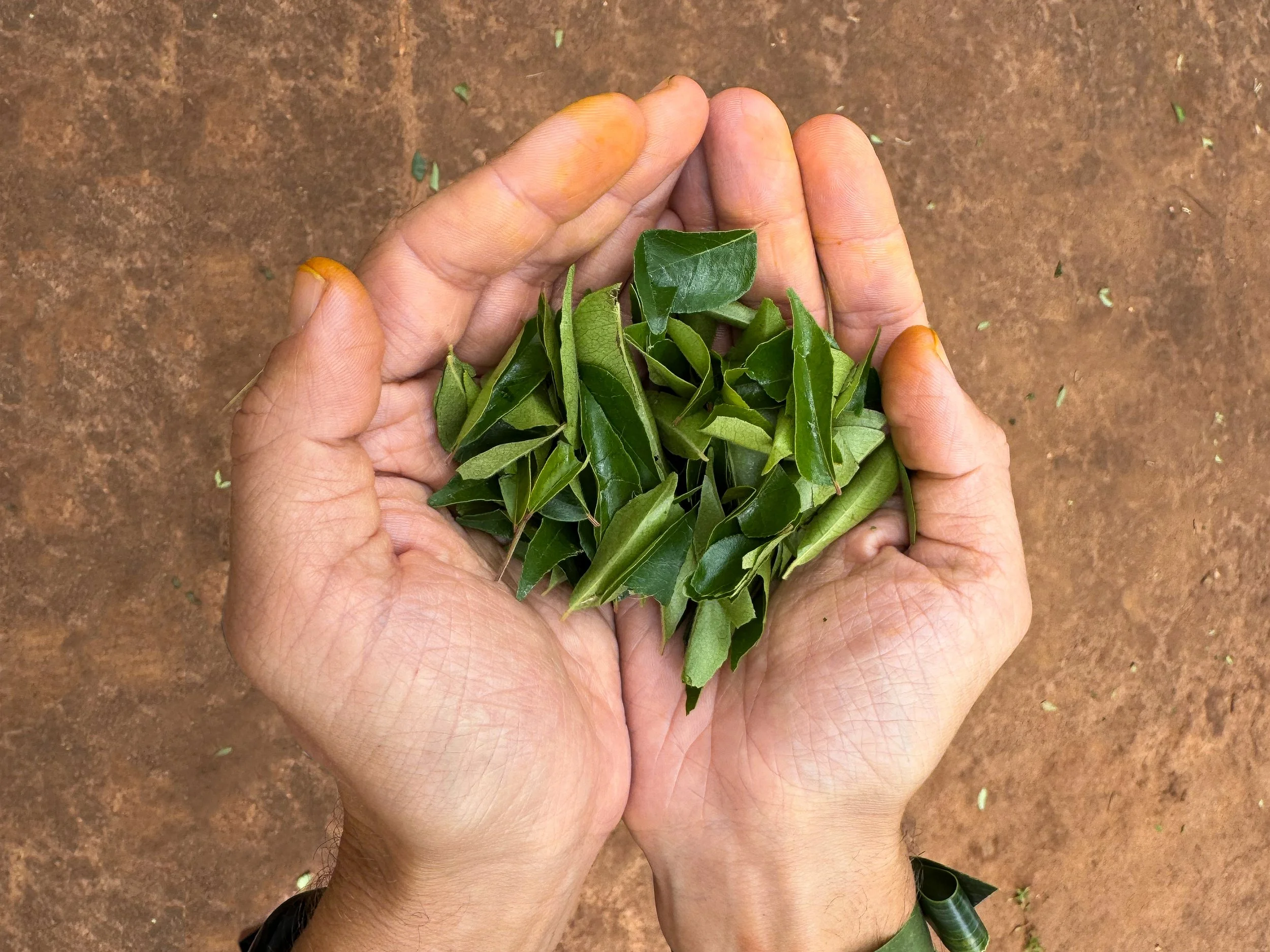
Kizimbani Spice Farm. A spice farm offering a glimpse into the wide array of spices and fruits grown on Zanzibar. A guide led us through gardens with flowers, fruits, plants and vines used to produce different spices like cardamom, peppercorn, clove, lemongrass, nutmeg, ginger, turmeric, galangal, cocoa, cinnamon (bark and root), vanilla and curry leaf. A spice hunter followed us, climbing trees, picking leaves and digging up roots to harvest raw spices as examples. At the end of the tour, we were adorned in palm leaf woven bracelets, neck ties and hats. Roadside vendors sell packets of ground spices, tea and coffee as well as soaps, perfumes and oils. Visit a fruit stand to taste a cornucopia of fruits grown on the island including grapefruit, orange, cucumber, passion fruit, avocado, mango, jackfruit, watermelon, papaya, pineapple and starfruit.
Getting Here. Hire a driver along the promenade for $30 USD round trip. No reservation is needed ahead of time. You’ll be paired with a guide and spice picker for free at the farm. The tour is free however guides operate on tips.
Shop the Markets & Bazaars
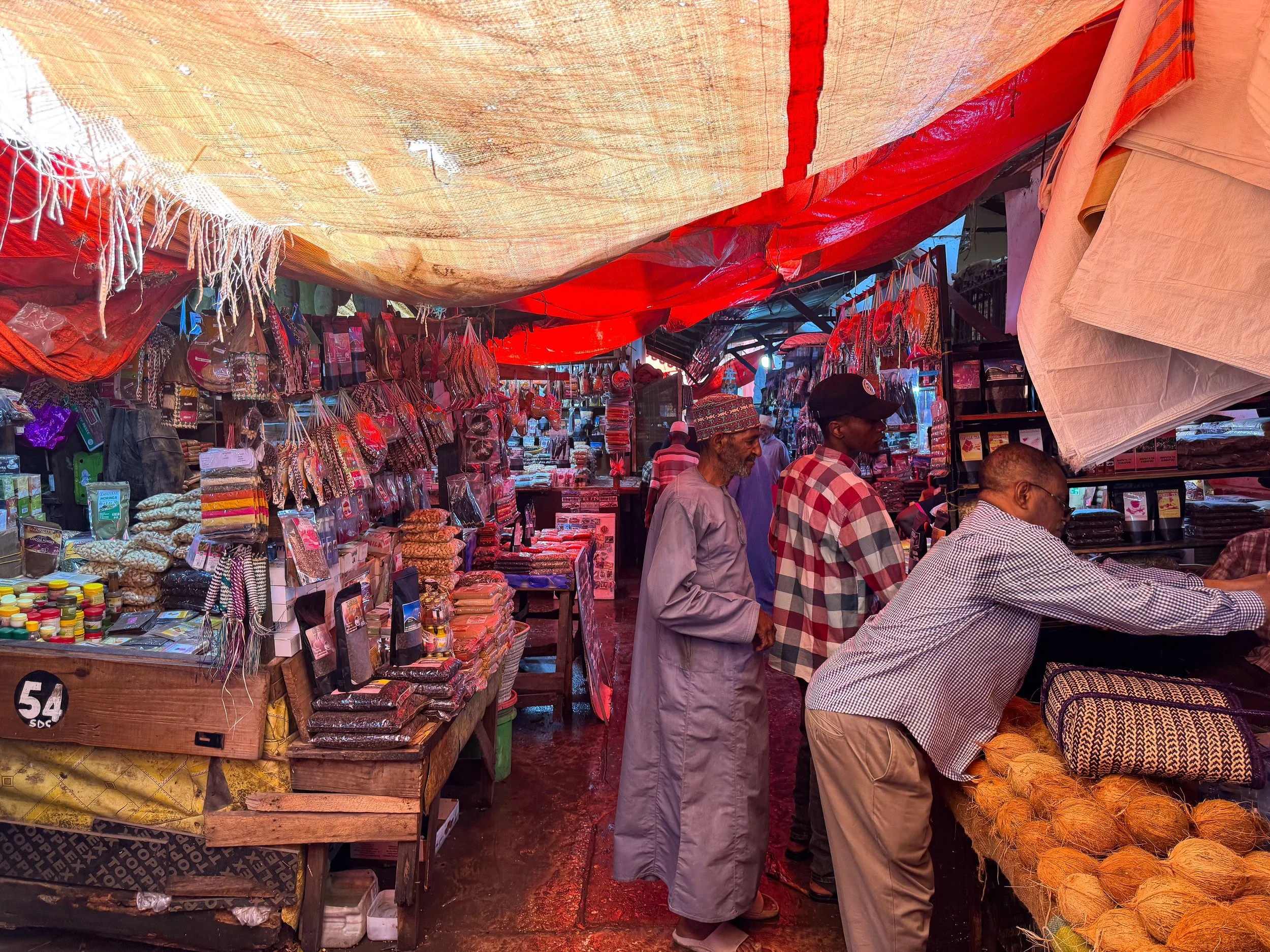
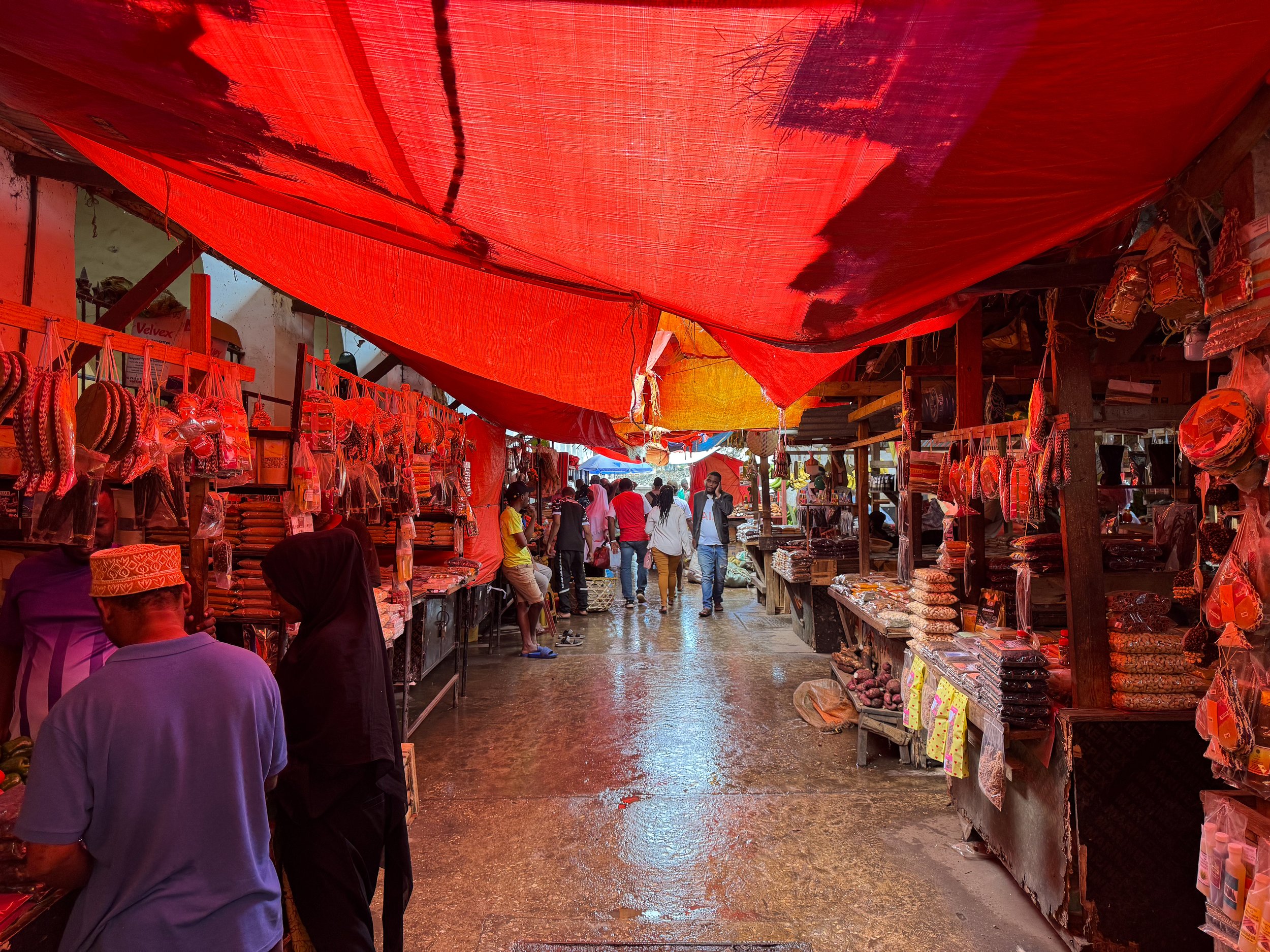
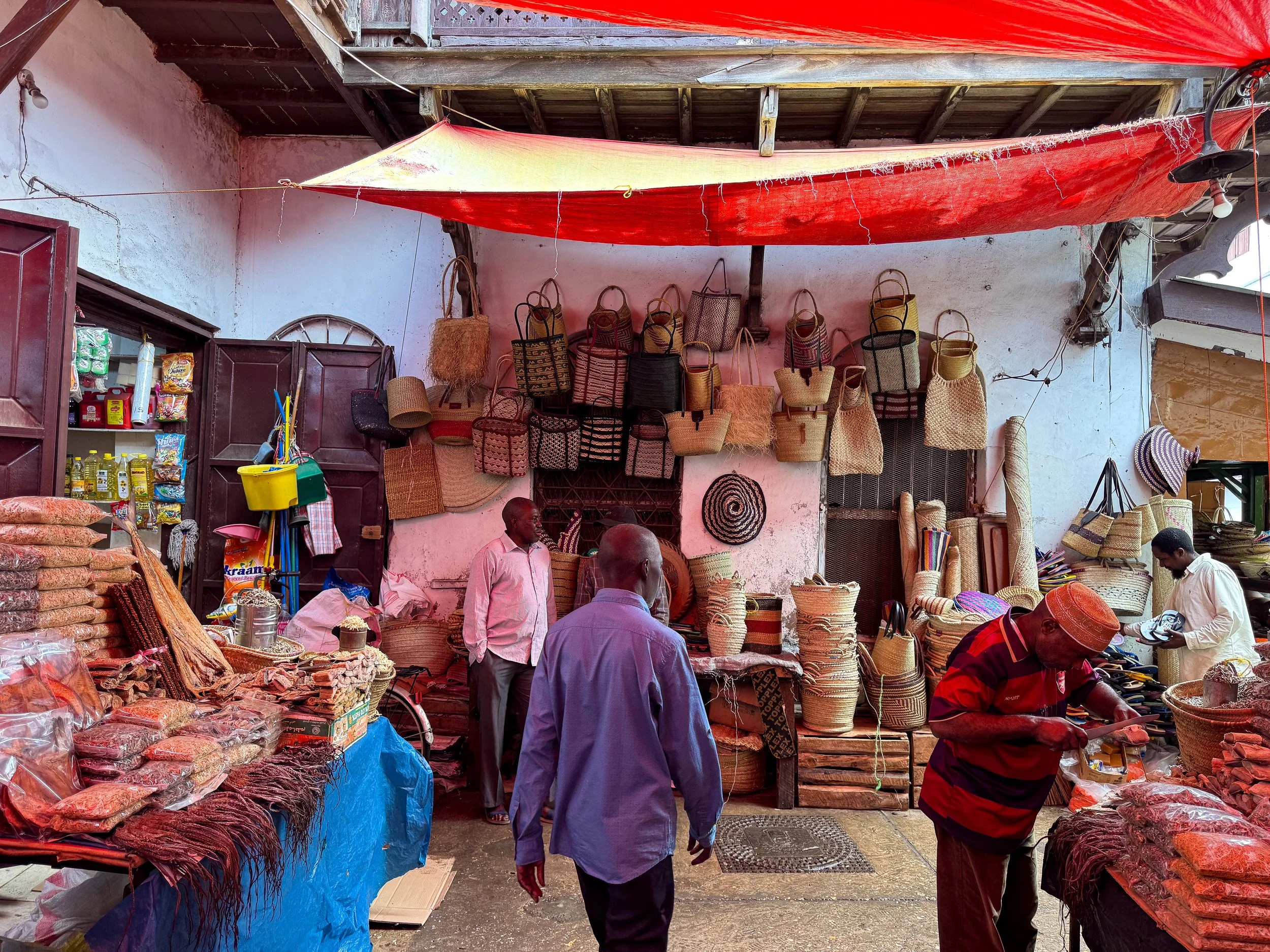
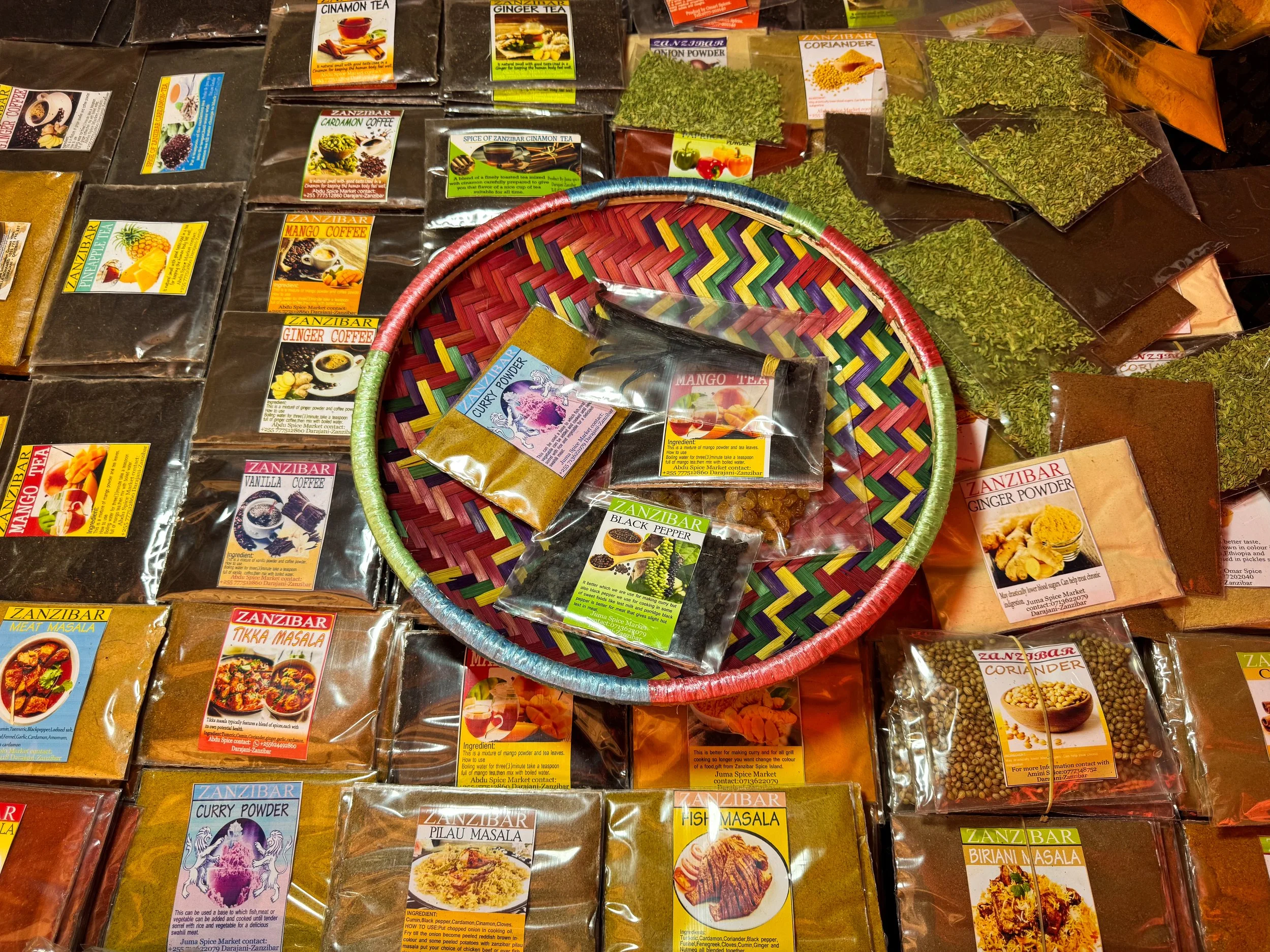
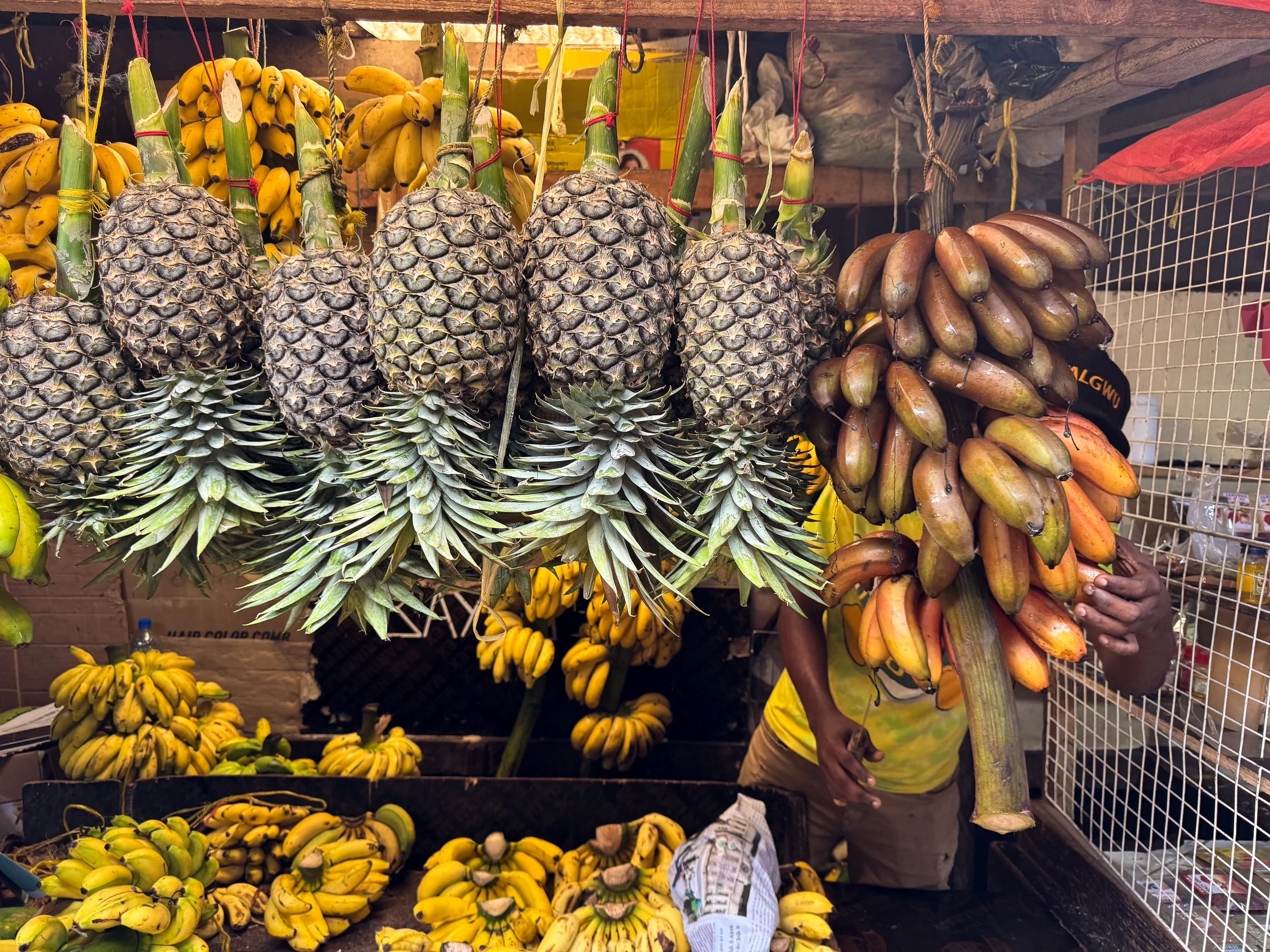
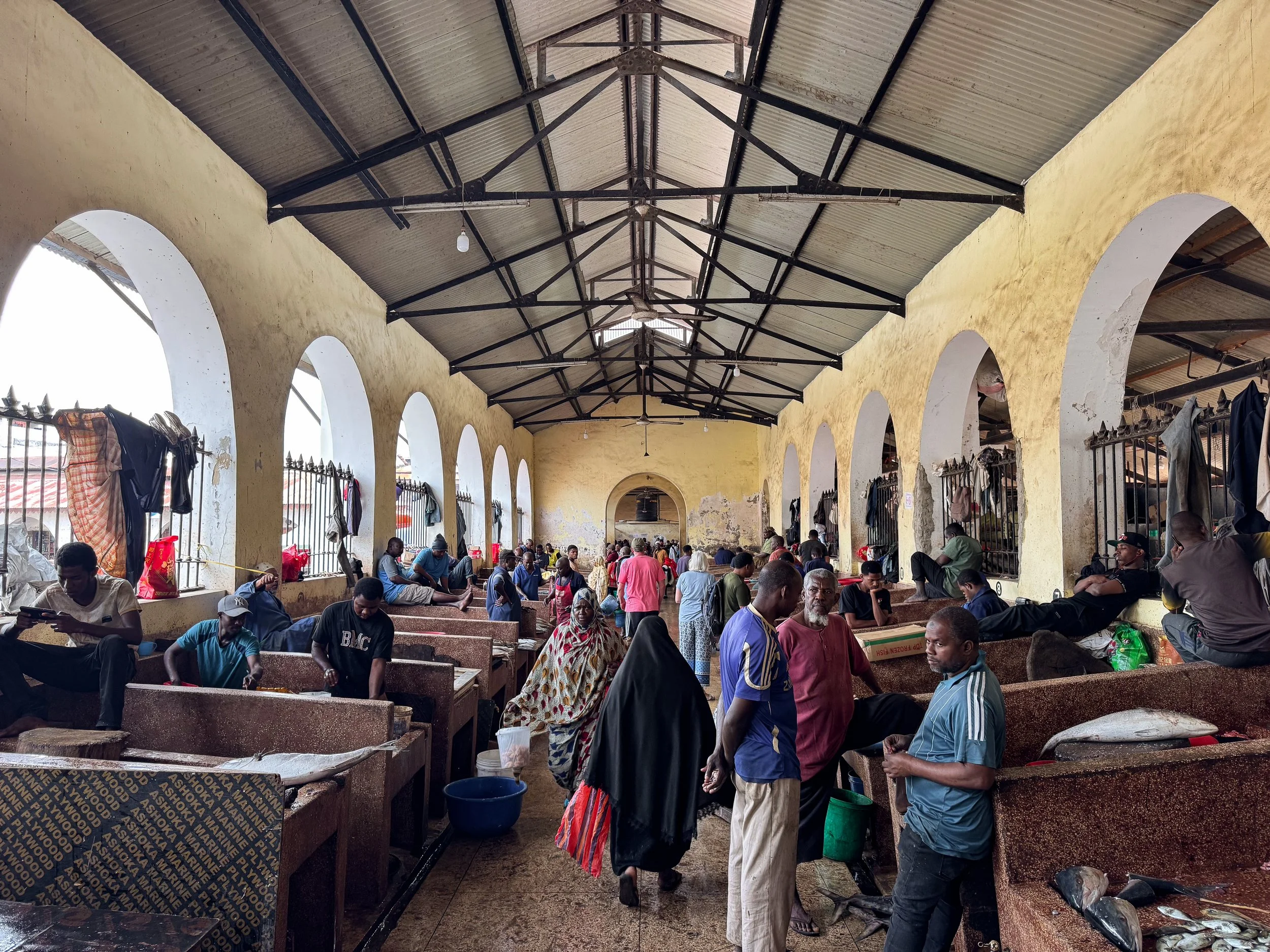
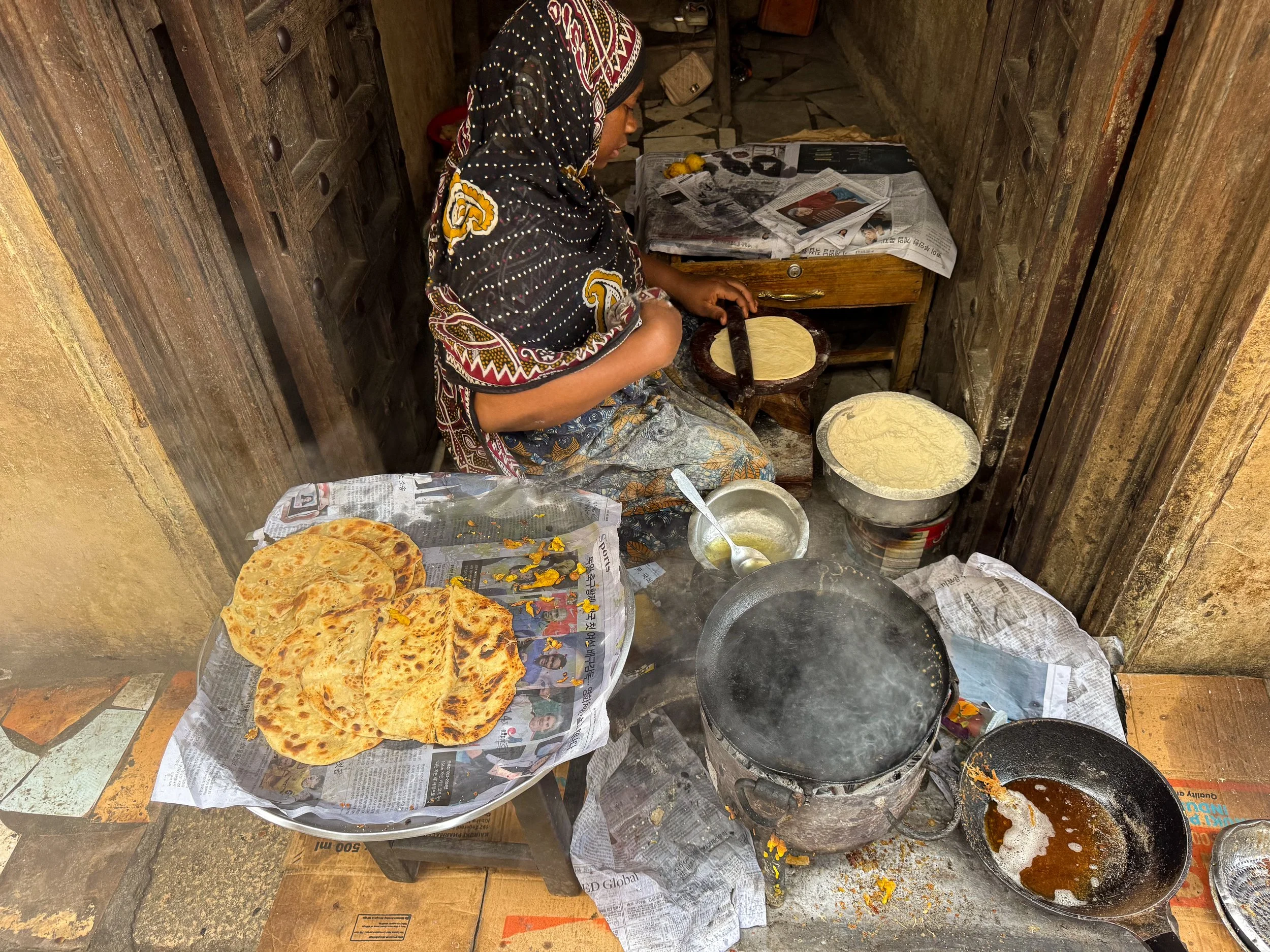
Darajani Bazaar. A small but robust market under covered alleyways and historic sheds. Merchants sell colorful packages of ground spices, spice blends, vanilla beans, teas and coffees. Vendors display piles of tropical fruits, fresh vegetables and leafy greens on tables. Butchers prepare cuts of meat while fishmongers filet the morning’s catch. Shop keepers sell traditional woven baskets. Women bake stacks of aromatic flatbreads on charcoal burning skillets. We purchased groceries for the week in addition to a refreshed supply of spices, coffees and teas.
Pro Tip. Visit in the mid morning. Prices are fair but like with all markets, haggle and negotiate for a better deal.
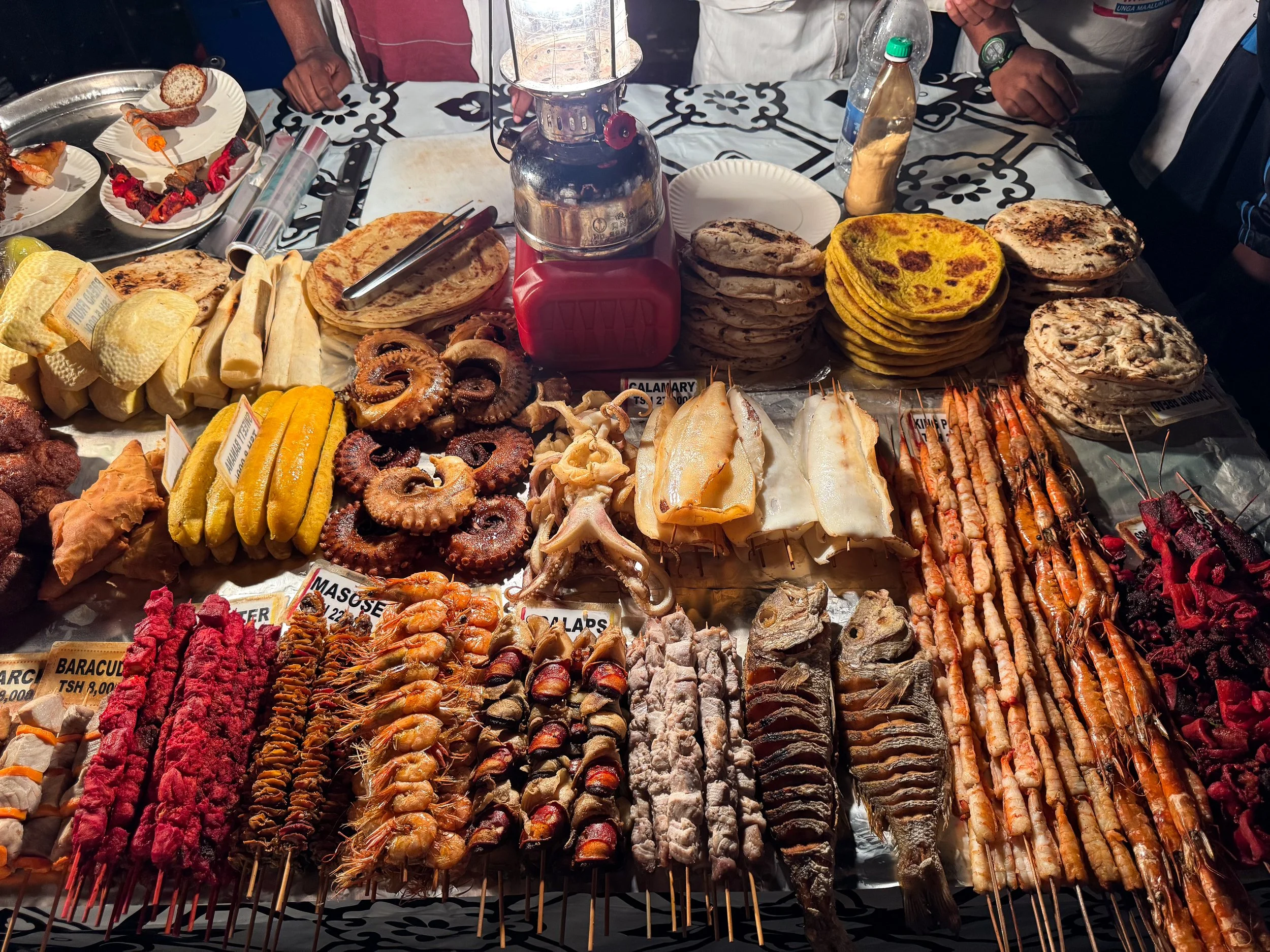
Forodhani Night Food Market. A nightly food market held in Forodhani Park. Charismatic chefs lure in customers with their persistence and genuinely tasty street food. Tables are covered in skewers of meat, seafood, starchy vegetables and flatbreads, all cooked over charcoal grills. Some chefs prepare local specialties like Urogo and Zanzibar Pizza. Juice vendors press sugarcane and ginger into a sweet blend. Shawarma carts broil and shave vertical rotisseries of meat. We came here for dinner two nights, filling up on a variety of street food.
Urojo. A Tanzanian street food soup made with a savory and sweet blend of spices, potatoes, crispy fried chickpea fritters and cassava shavings. It’s usually vegetarian by default.
Zanzibar Pizza. A thin dough wrapped around a variety of savory or sweet fillings and griddled like a pancake until cooked.
Places to Eat & Drink
Zanzibar Coffee House. A hotel café with spiced local specialties. Come here for their spice coffee made with Zanzibar spices, muesli with nuts and dates or pastries like cinnamon raisin rolls and date squares.
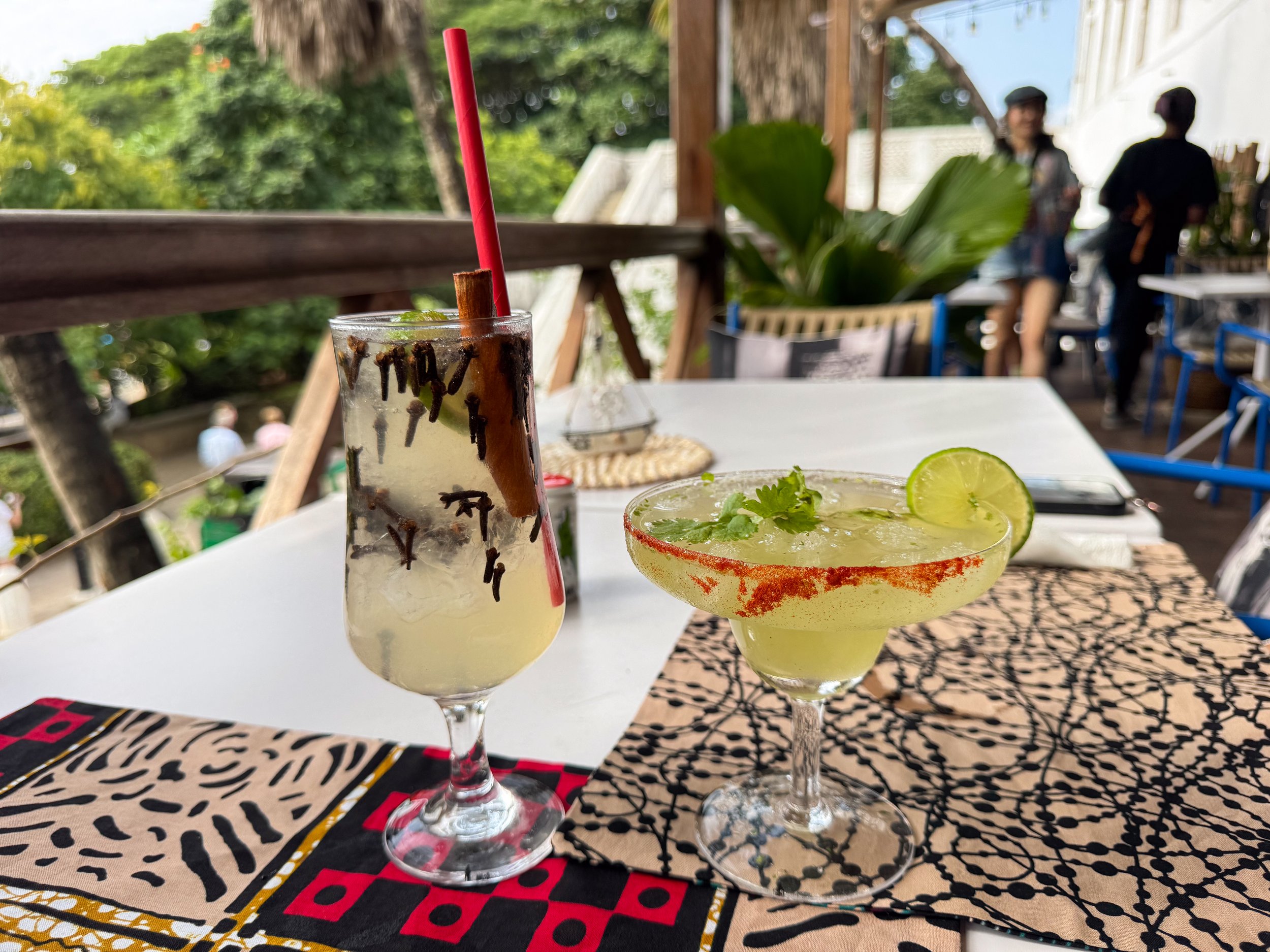
Out of Afrika. A touristy yet vibey restaurant along Stone Town’s waterfront promenade with a second floor balcony. The menu offers seafood and fruit dishes like watermelon gazpacho, pumpkin soups with coconut and the grilled sesame-crusted tuna salad. Try the Swahili cocktails like the Zanzibar spice punch or coriander and chili margarita.
Secret Garden. A cocktail bar and restaurant in the open air ruins of a historic Stone Town building. Crumbling plastered walls are covered in plants and vines. Potted palm trees were spaced between tables and chairs in front of a stage. Come here for the live music and hibiscus cocktails!
Mama Mia Gelato Italiano. A small gelato chain local to Zanzibar with classic and tropical flavors like cinnamon, vanilla and coconut.
Beach House Restaurant & Bar. A beautiful beachfront restaurant with a large outdoor patio overlooking the Indian Ocean. Come here for sunset cocktails and live music.
Kendwa & Nungwi
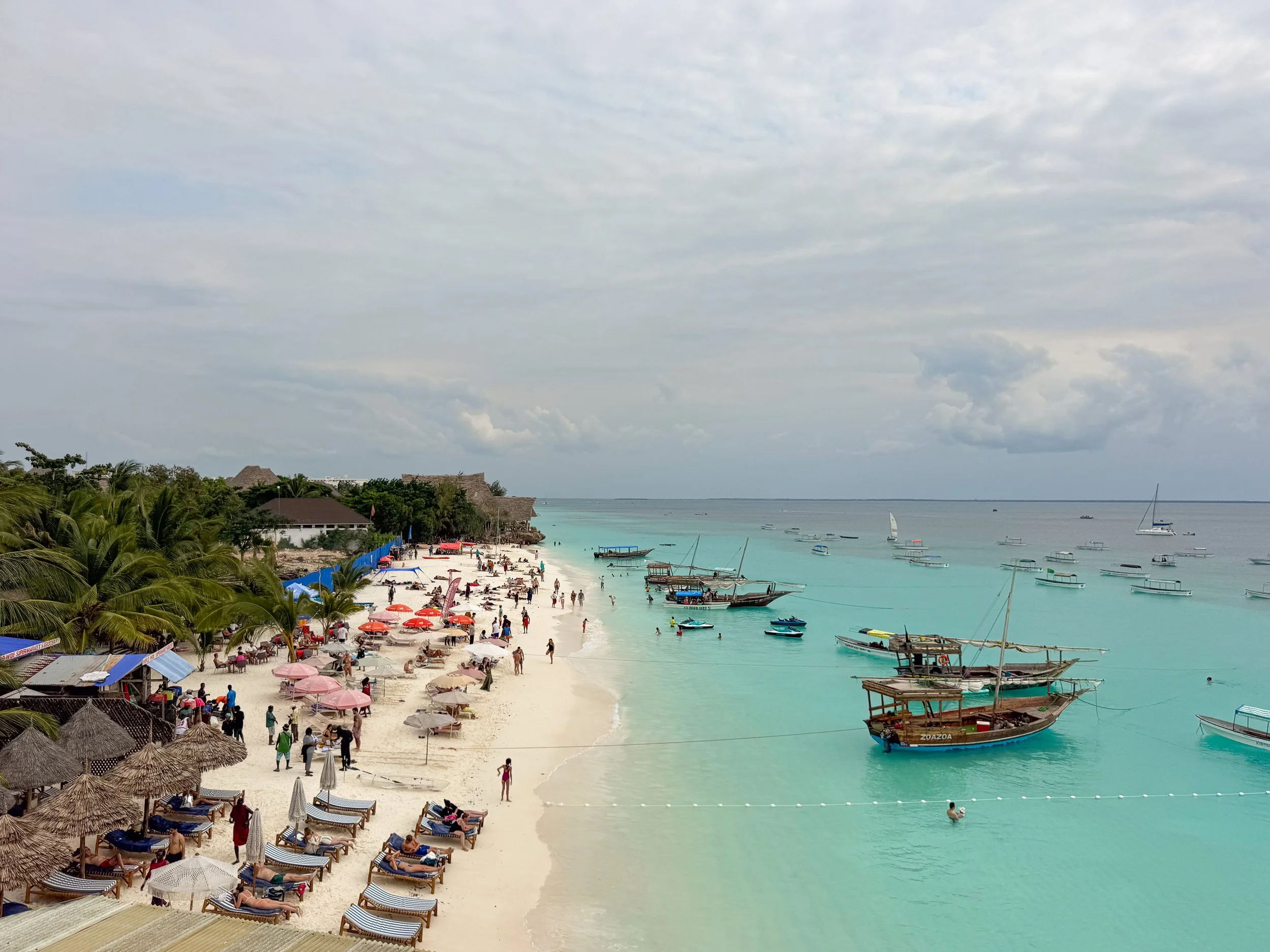
Kendwa & Nungwi are two beach towns on the northern tip of Zanzibar. They’re popular destinations with lengthy white sand beaches, swimmable turquoise waters and beachfront resorts. Restaurants serve Swahili cuisine and seafood dishes paired with local beers. Galleries and shops sell Maasai textiles, beaded jewelry, paintings and ebony figurines. Tour operators provide snorkeling excursions and sunset dhow boat cruises.
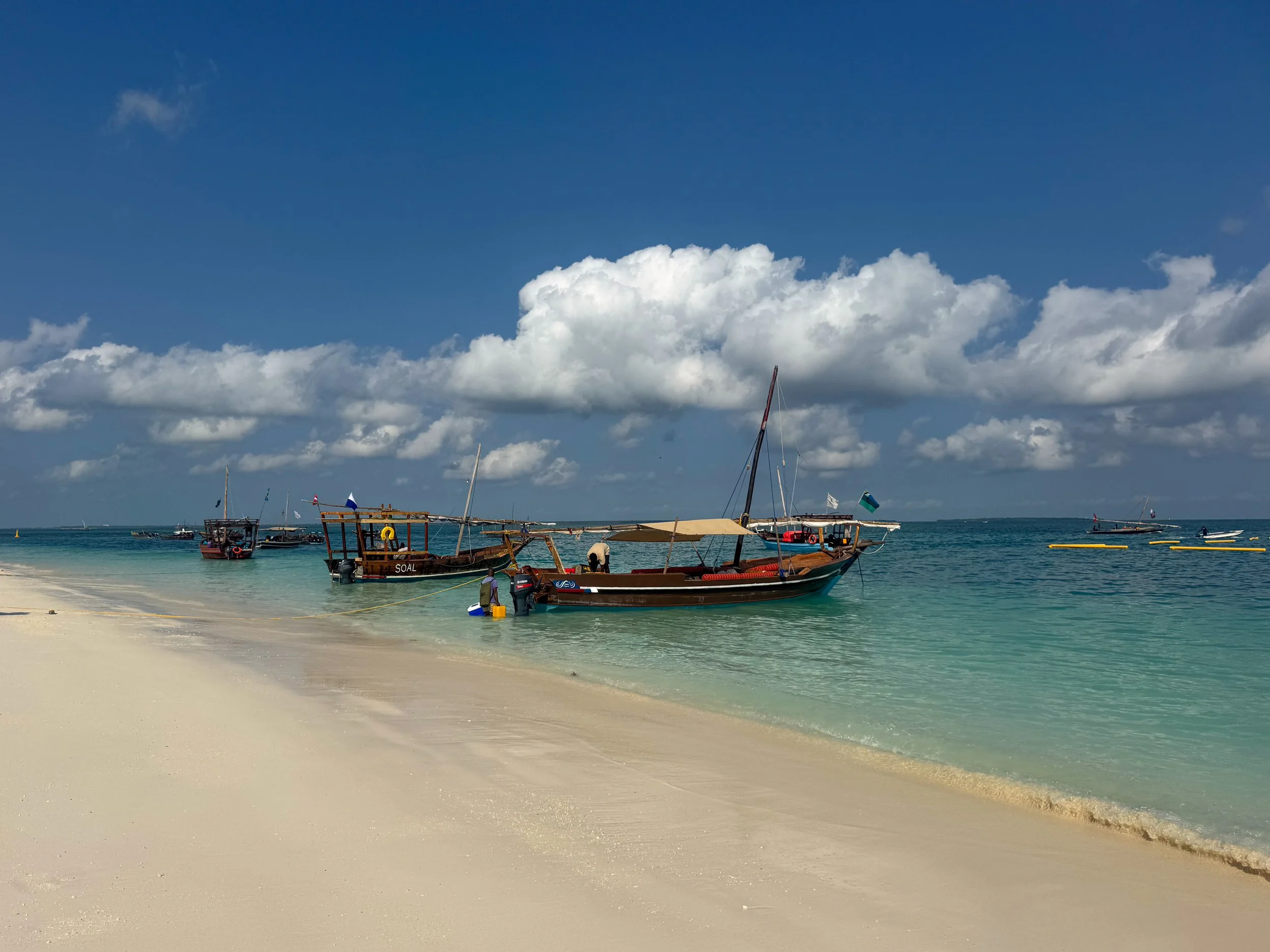
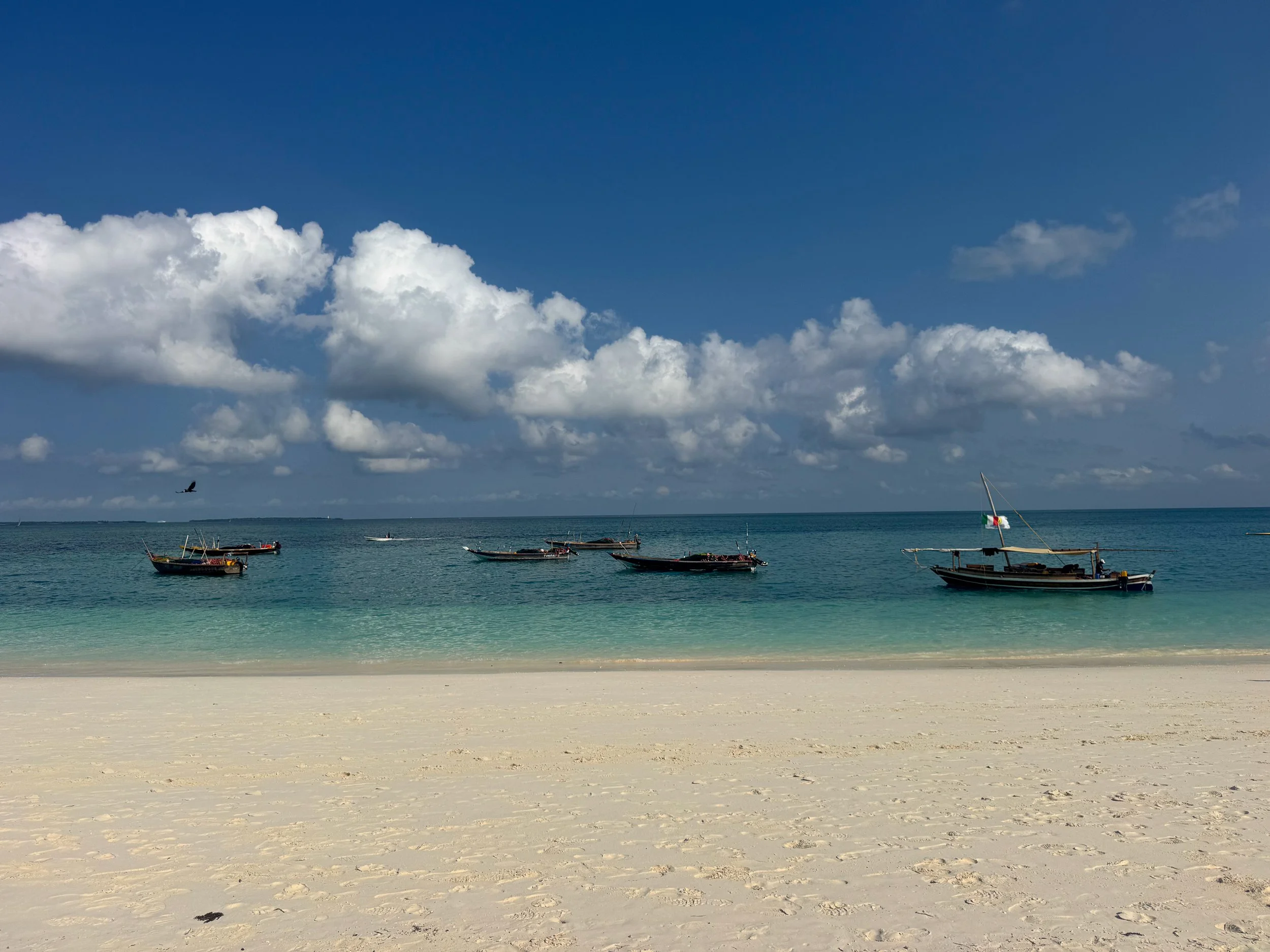
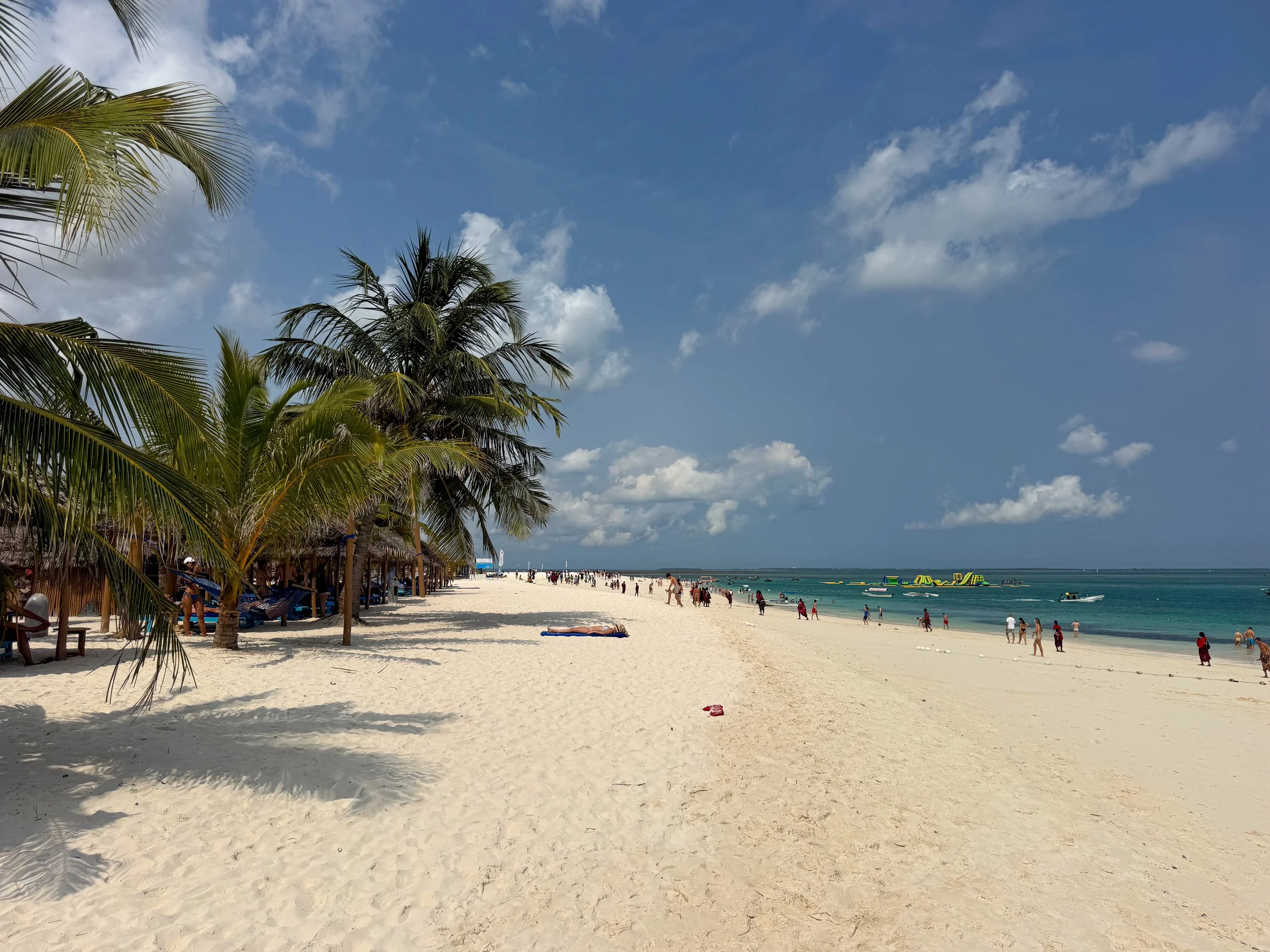
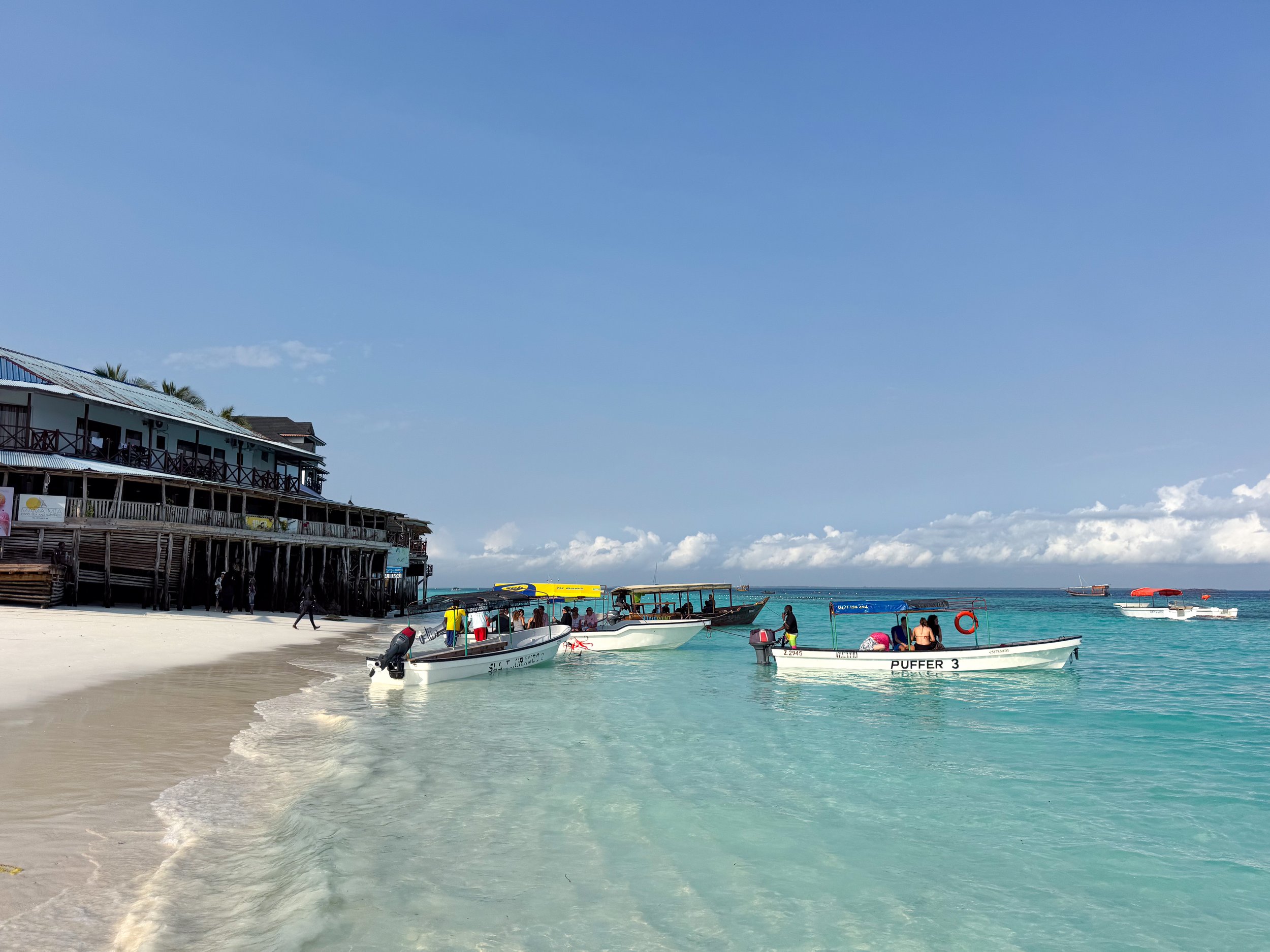
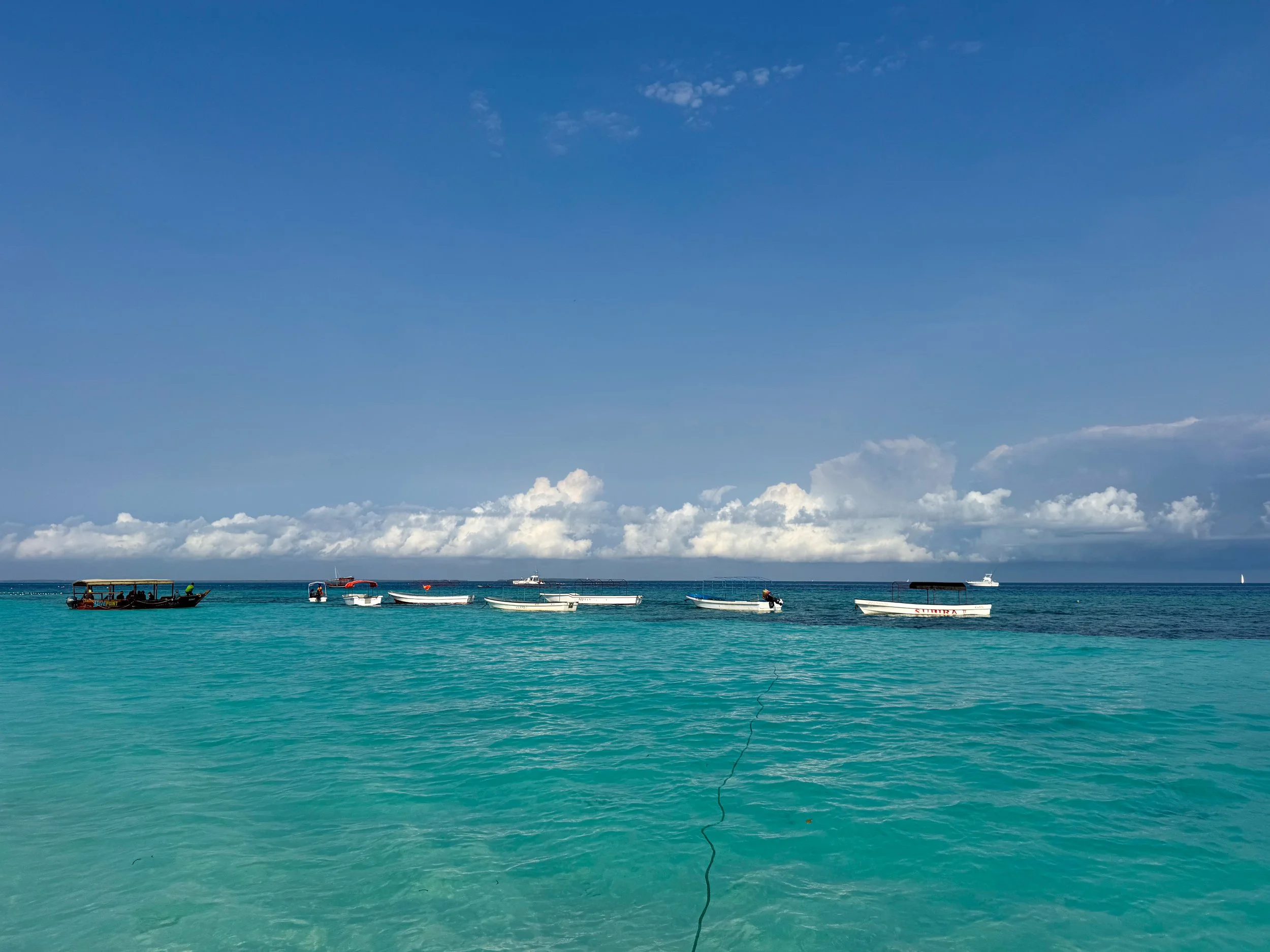
Kendwa Beach. Kendwa Beach is one of the prettiest beaches on Zanzibar! Its wide white sand shore meets the calming turquoise waters of the Indian Ocean. Several beachfront resorts and restaurants offer umbrellas and beach lounges to paying customers. Maasai tribesmen walk the beach, selling beaded jewelry, posing for photos and saying Jambo (hello) to passersby.
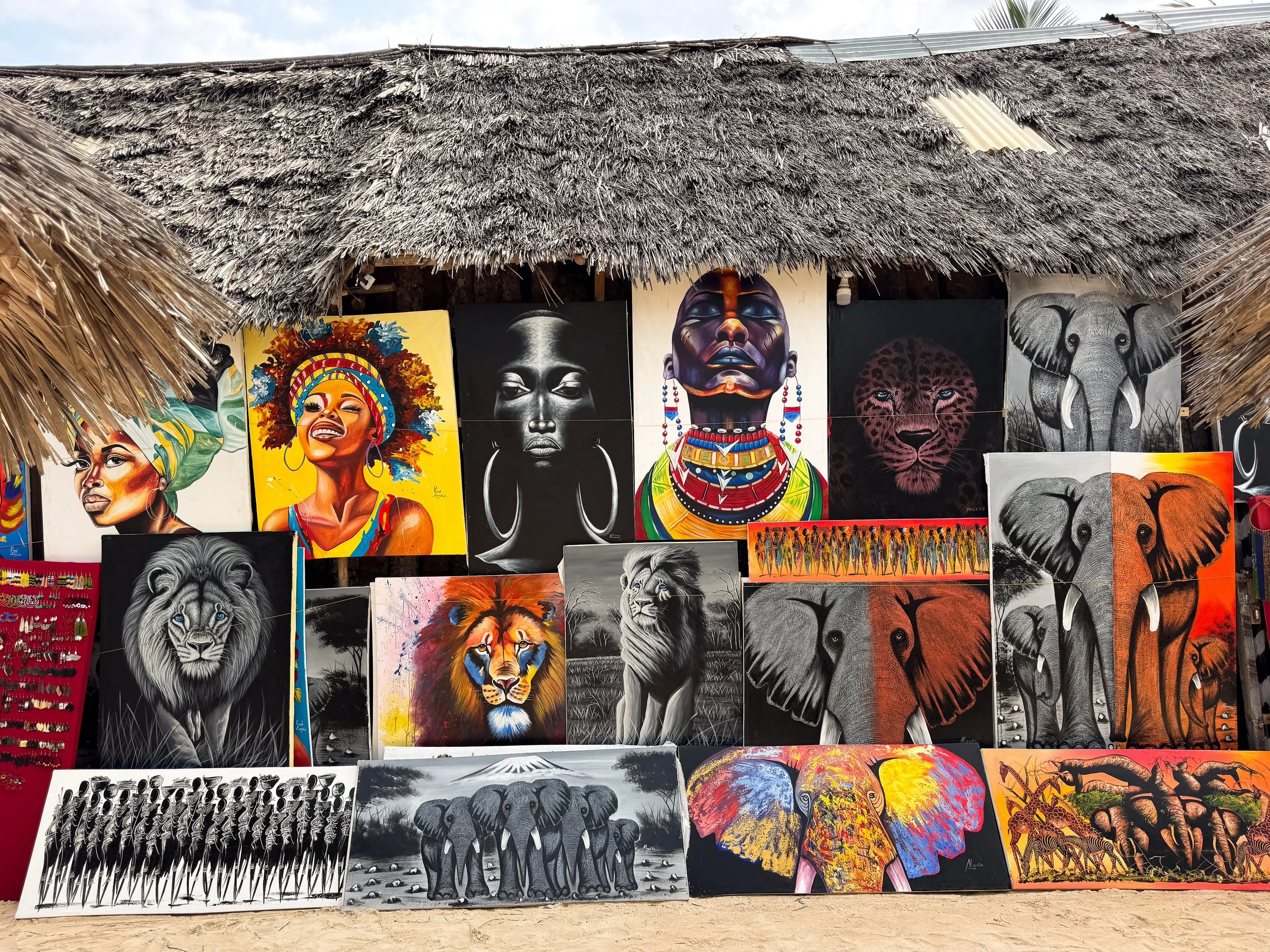
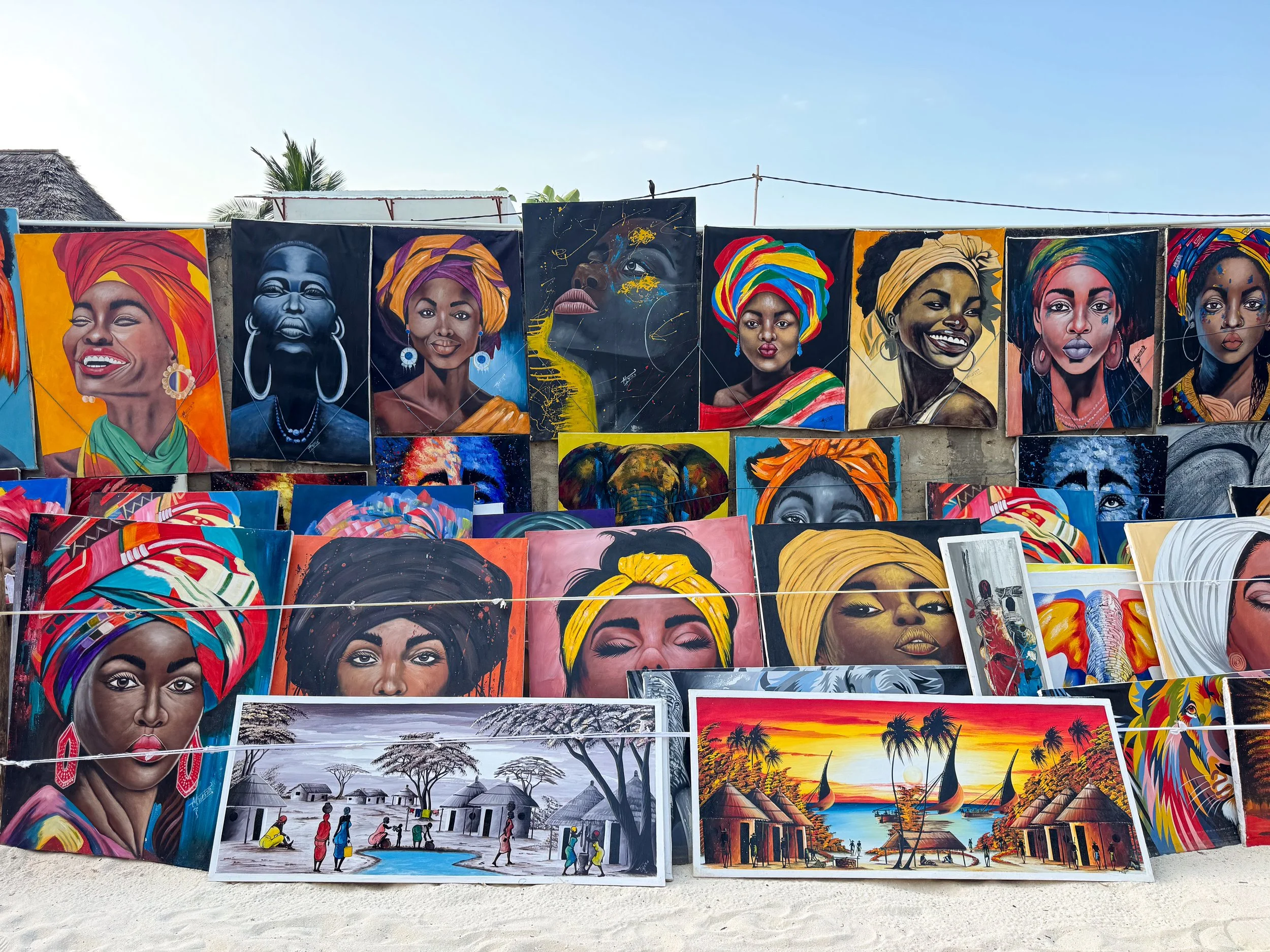
Kendwa Beach Gallery. Kendwa Beach connects to Nungwi Beach during low tide. The rock cliffs between become an art gallery with hundreds of animal and Maasai paintings.
Nungwi Beach. One of Zanzibar’s largest and most commercial beaches. Its white sand shore is lined with swimming areas, resorts, restaurants, souvenir shops and tour operators. The coast wraps around the island’s northern point making it perfect for long walks on the beach.
Good to Know. Beach vendors can be more aggressive in Nungwi than in Kendwa.
Coastal Excursions
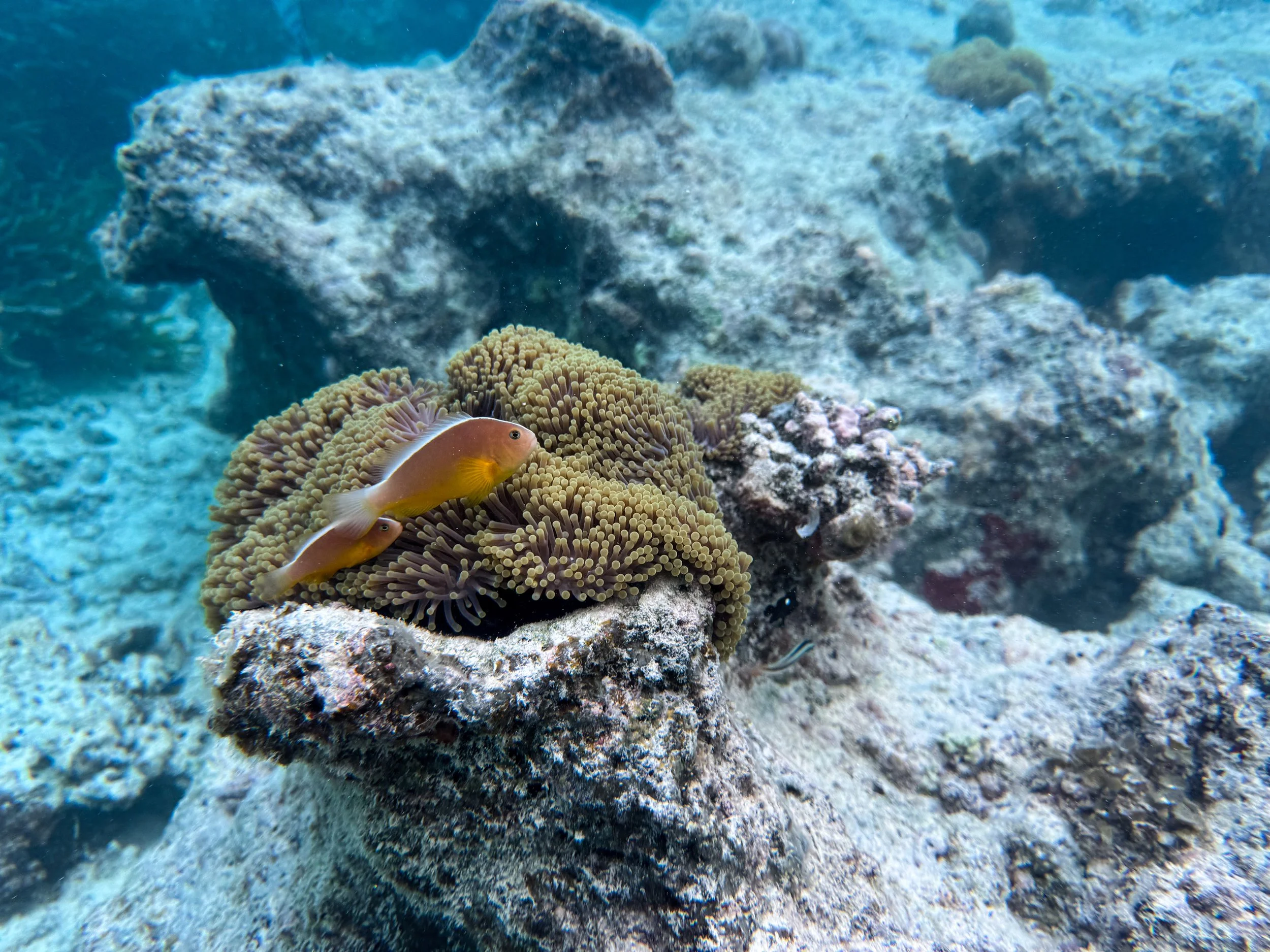
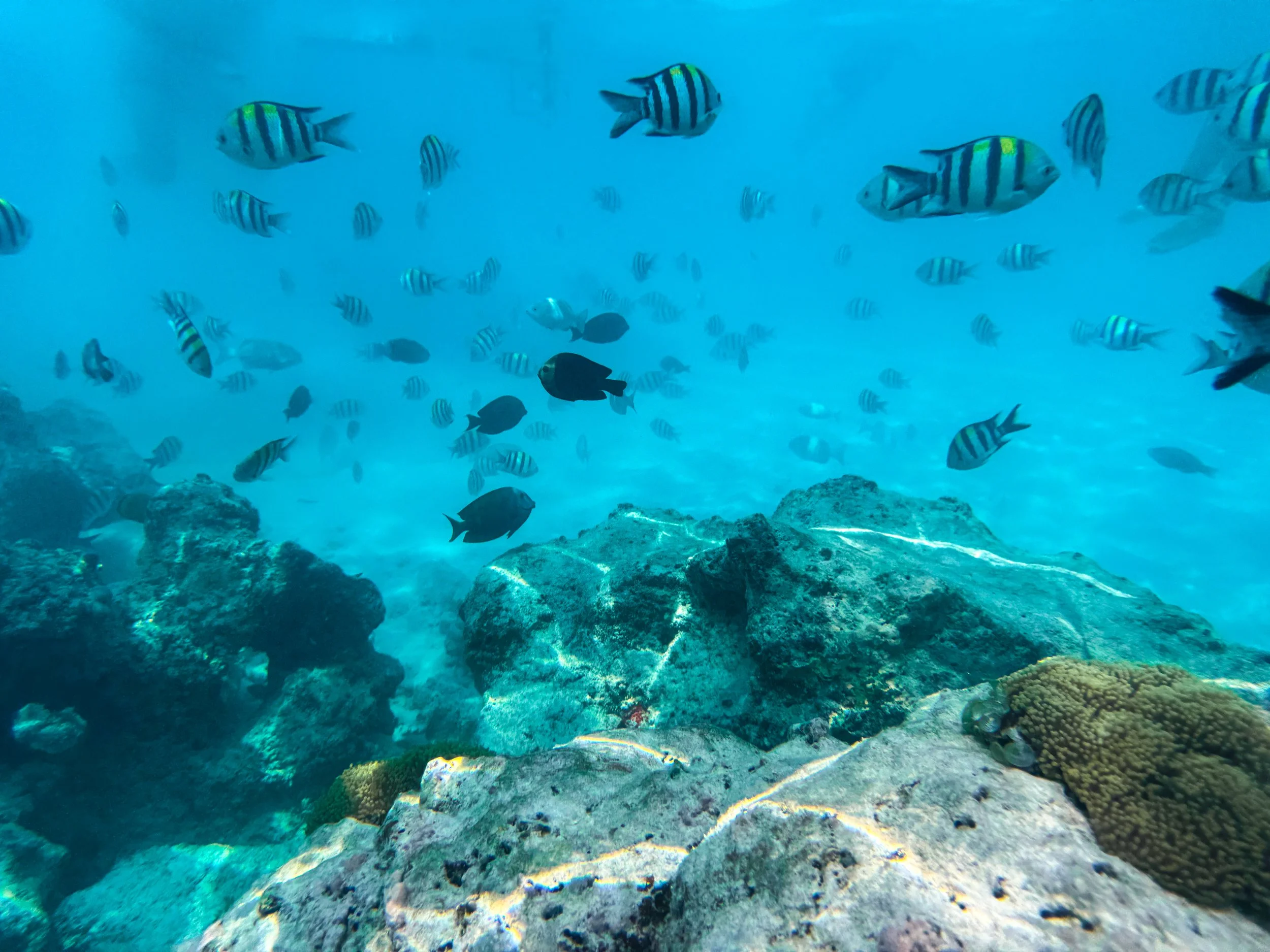
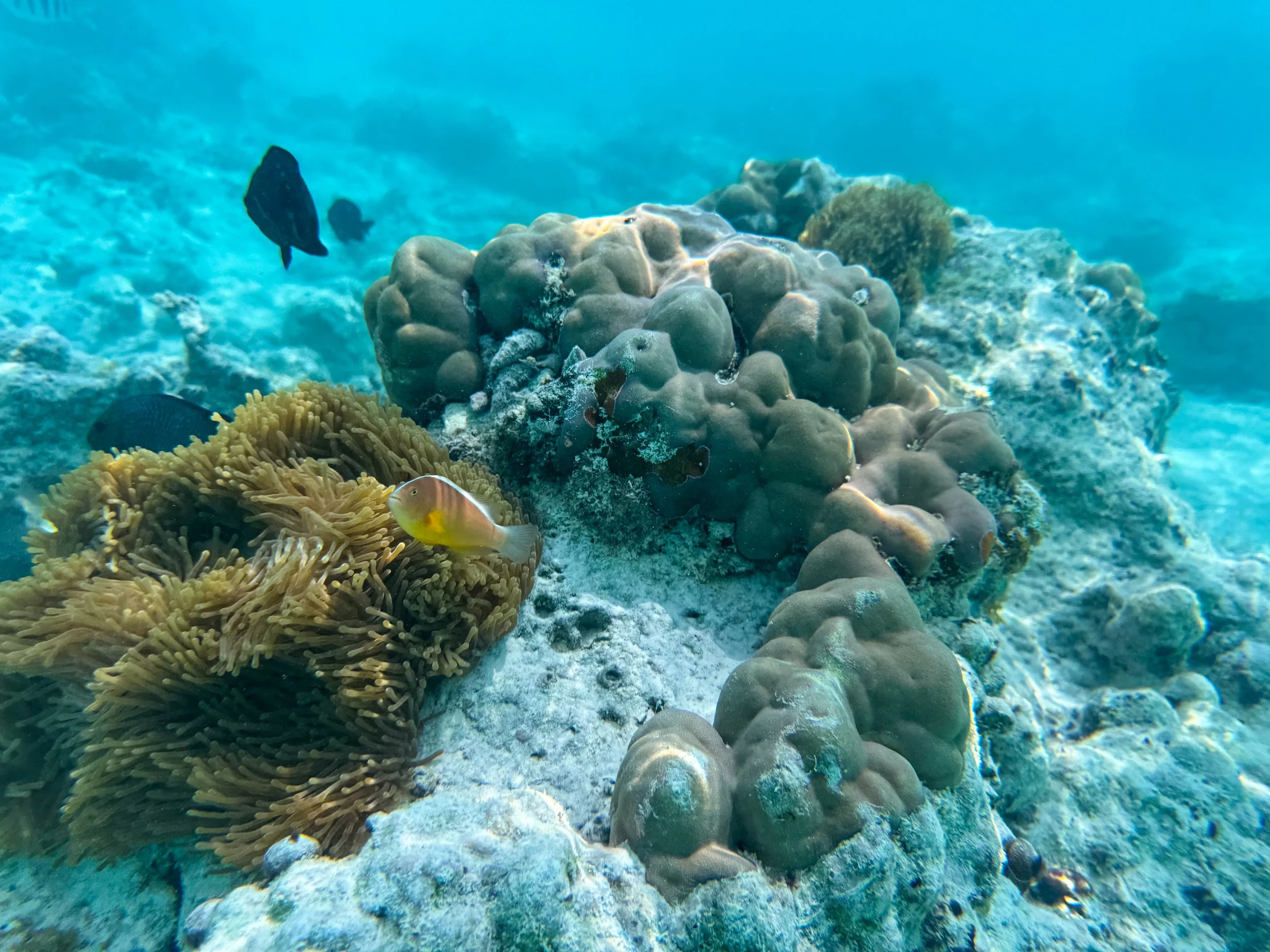
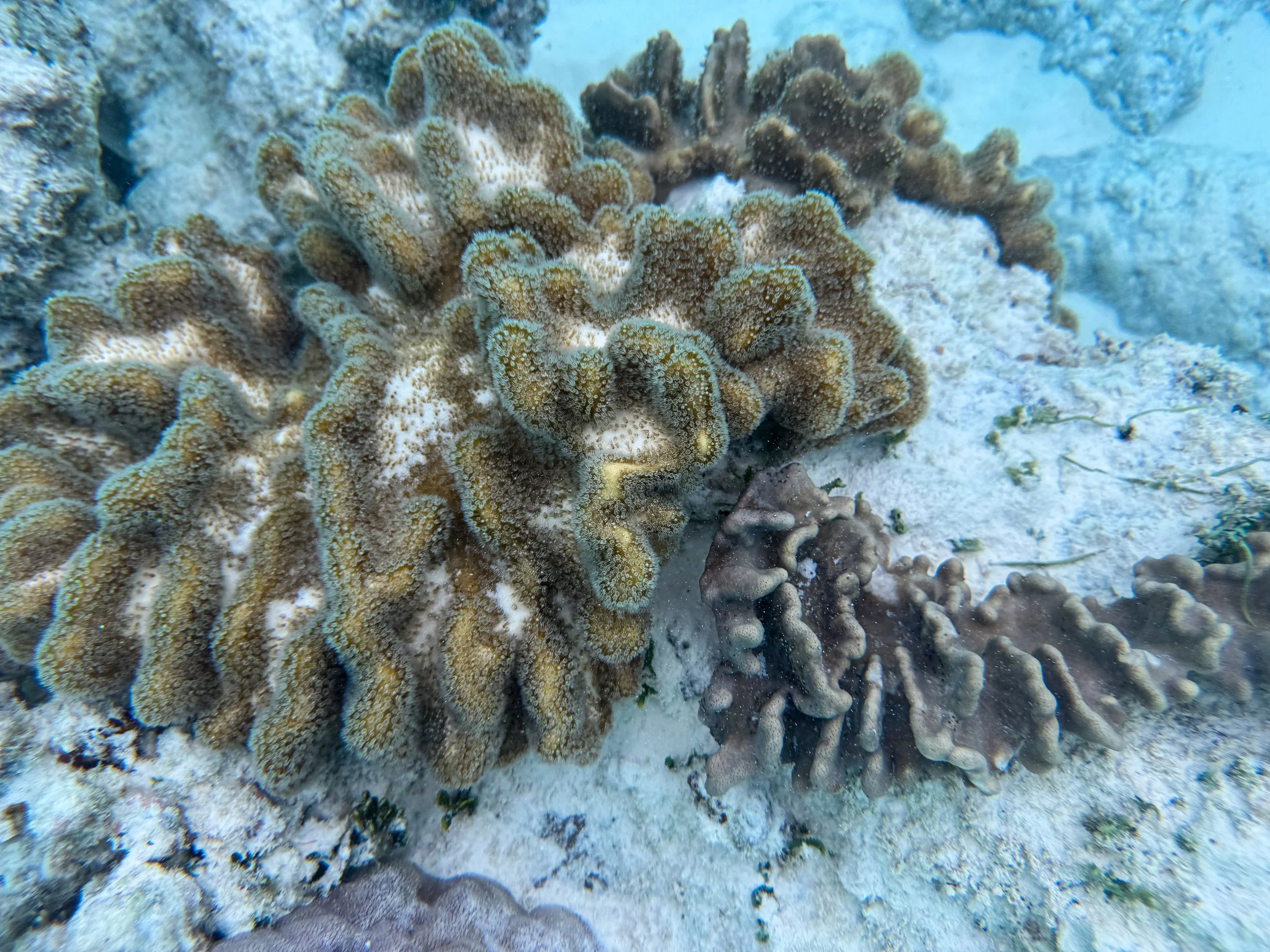
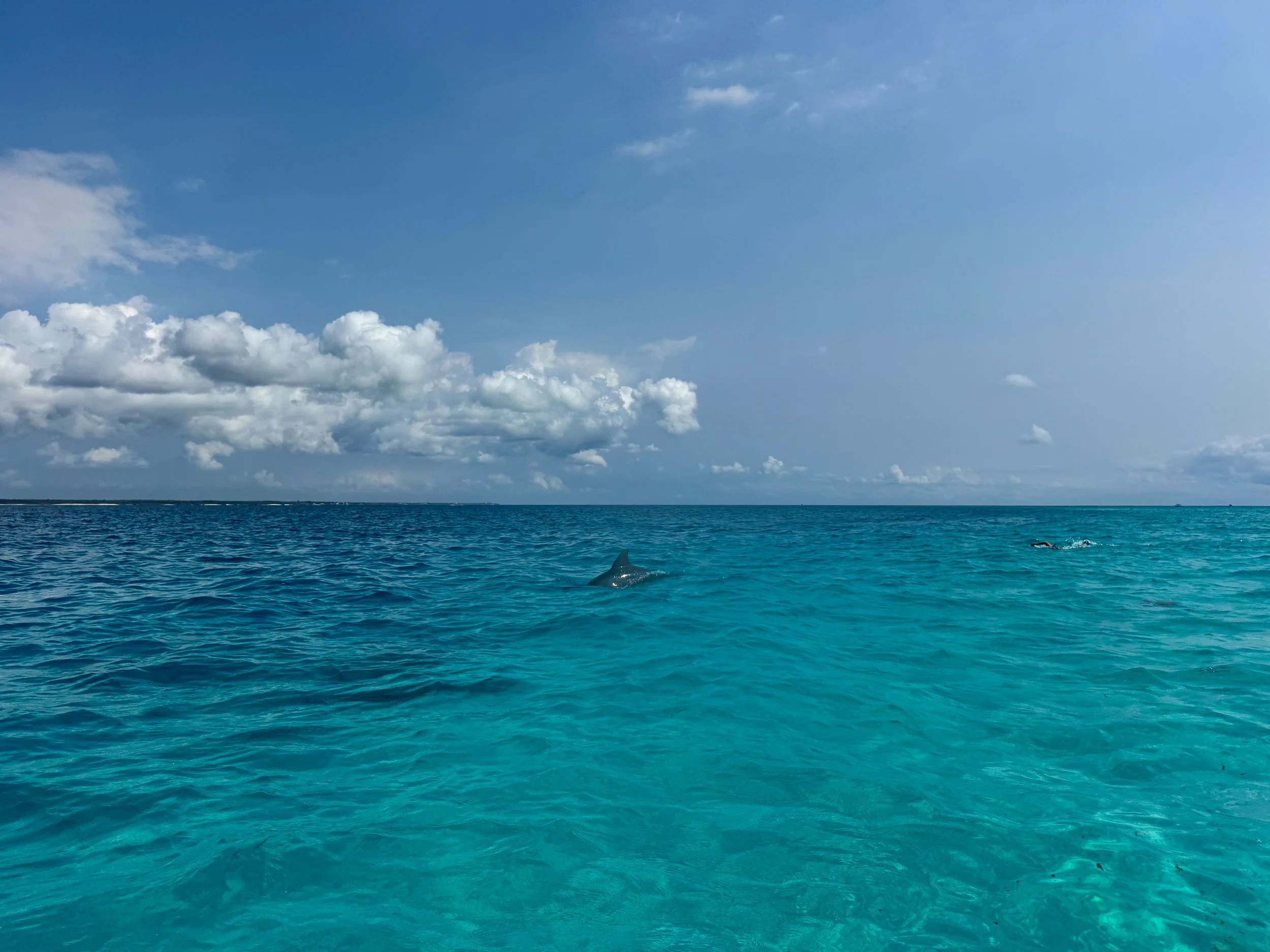
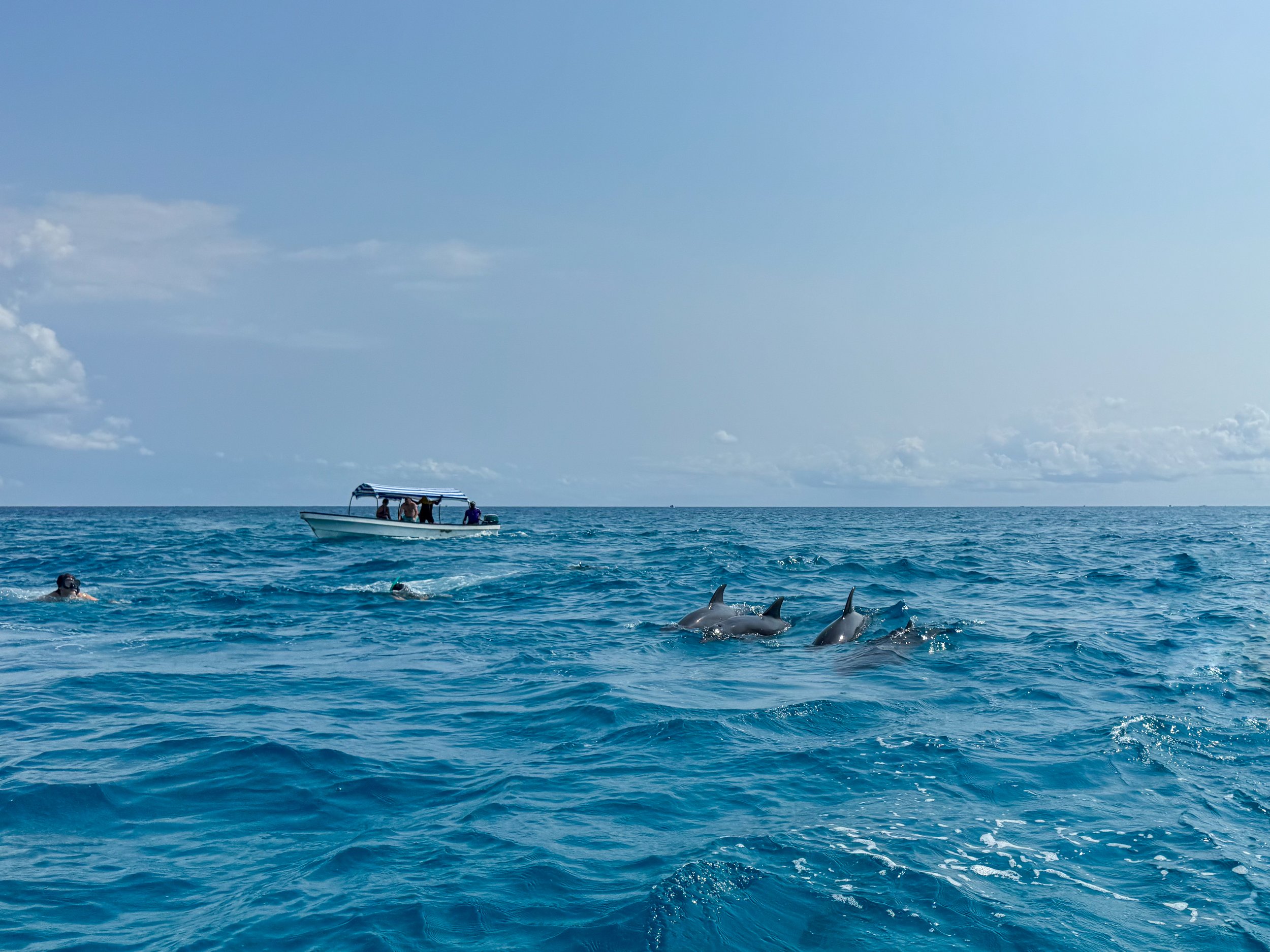
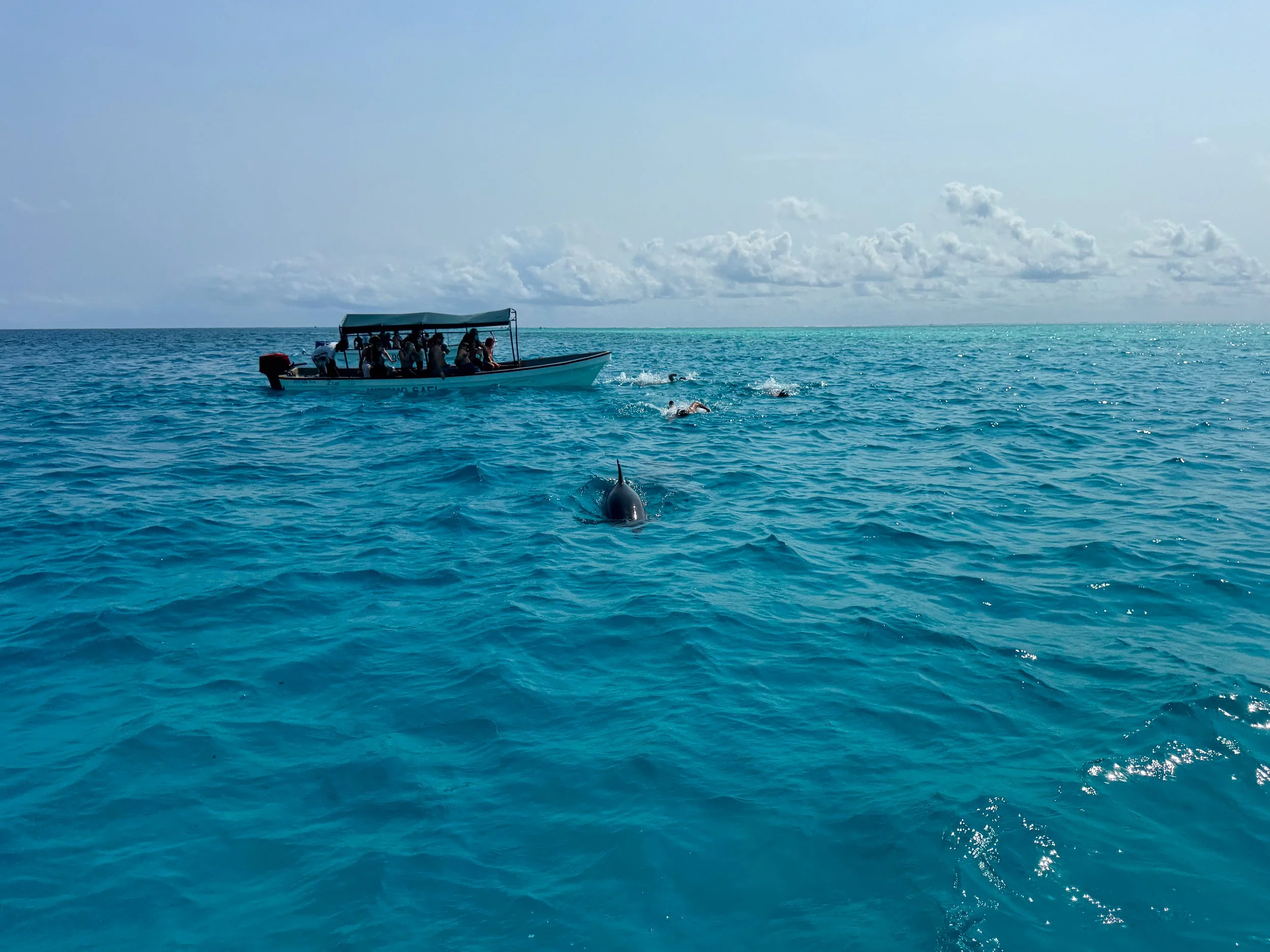
Mnemba Atoll Snorkel Tour. The Mnemba Atoll is a coastal formation with shallow sandbars, coral reefs and a singular private island. Its aquamarine waters are home to starfish, dolphins and tropical fish. Speed boats ferry passengers from Nungwi to the atoll, stopping to spot dolphins along the way. A small pod porpoised above the water as snorkelers jumped in to swim along.
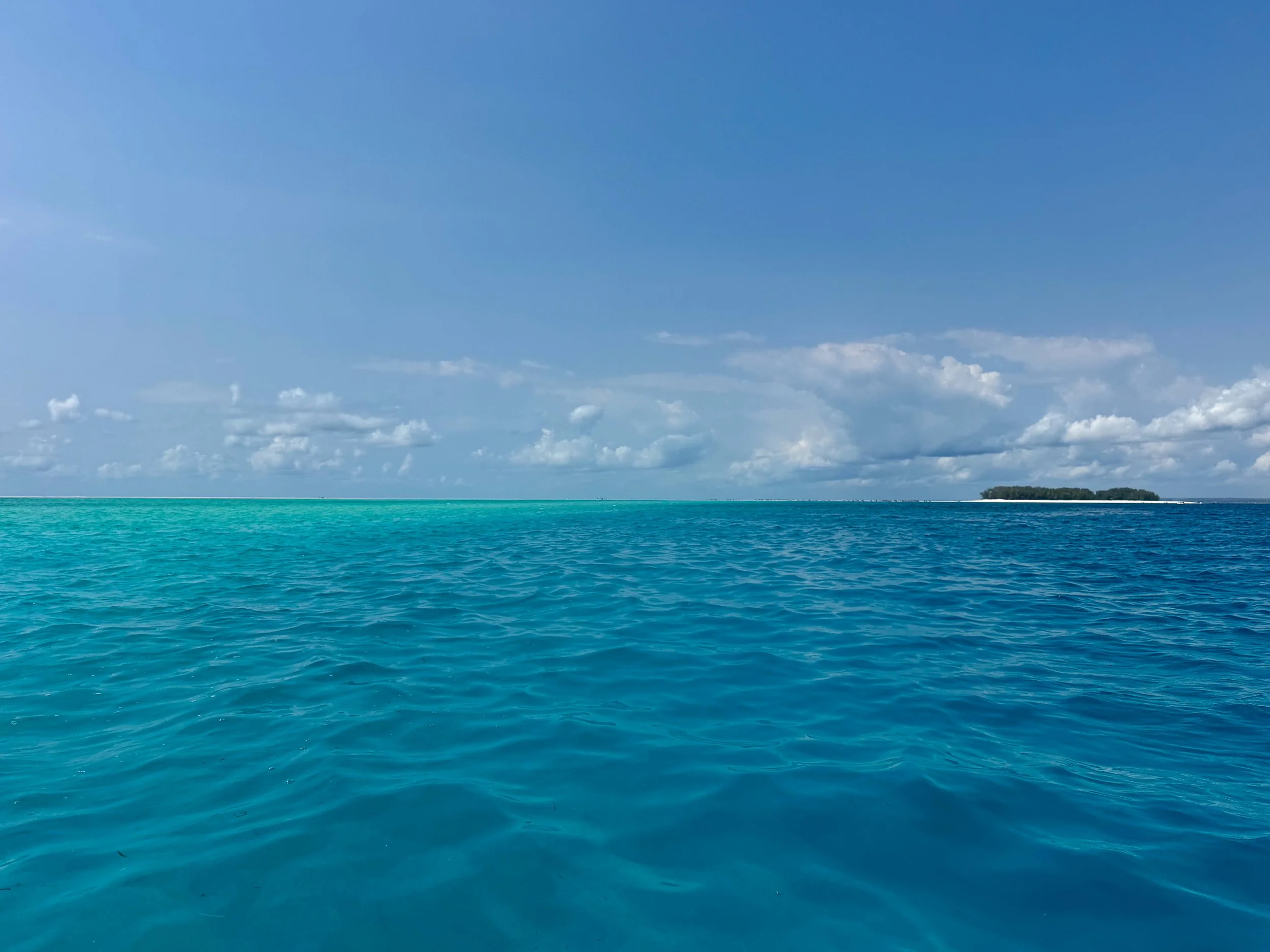
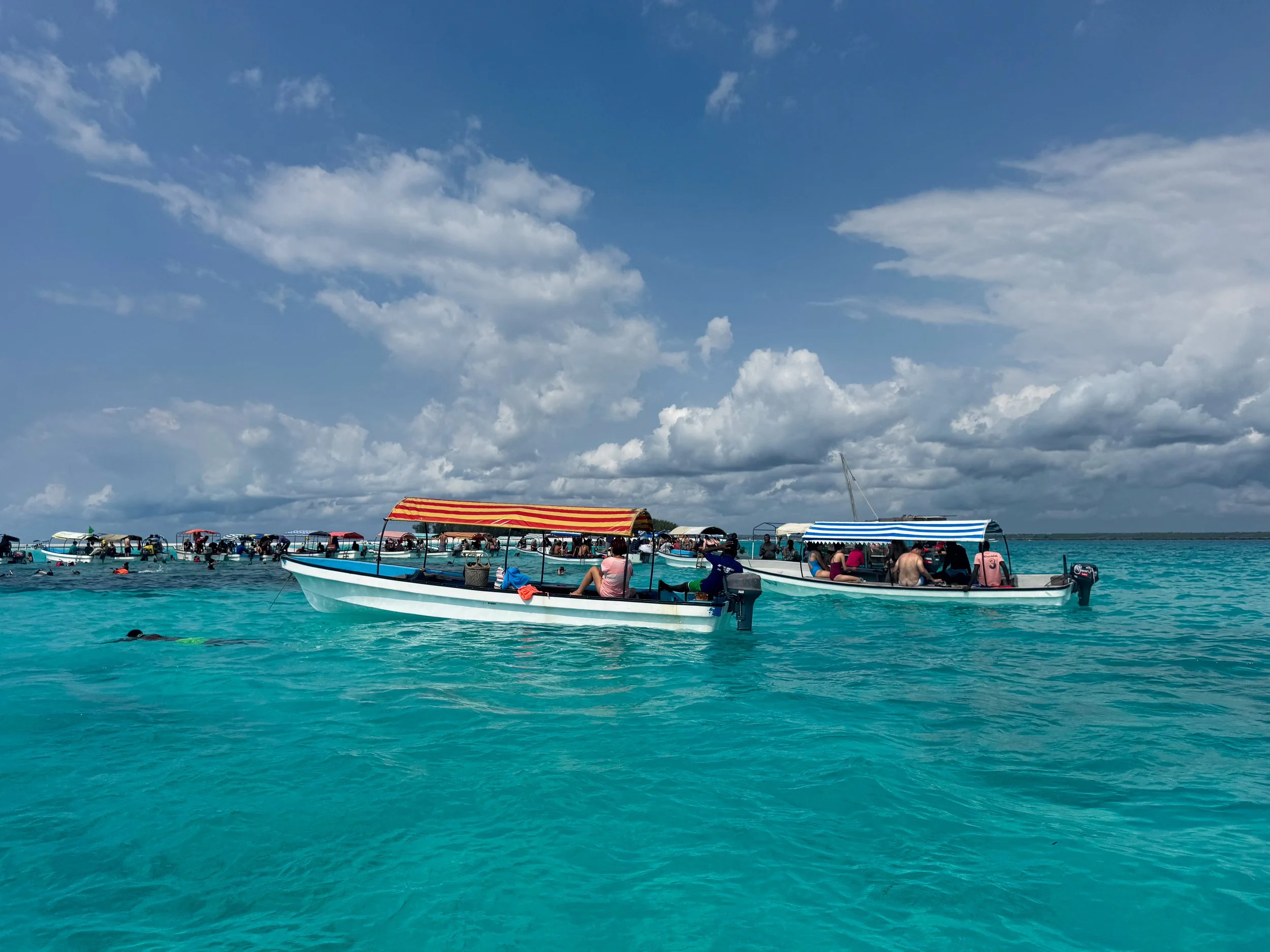
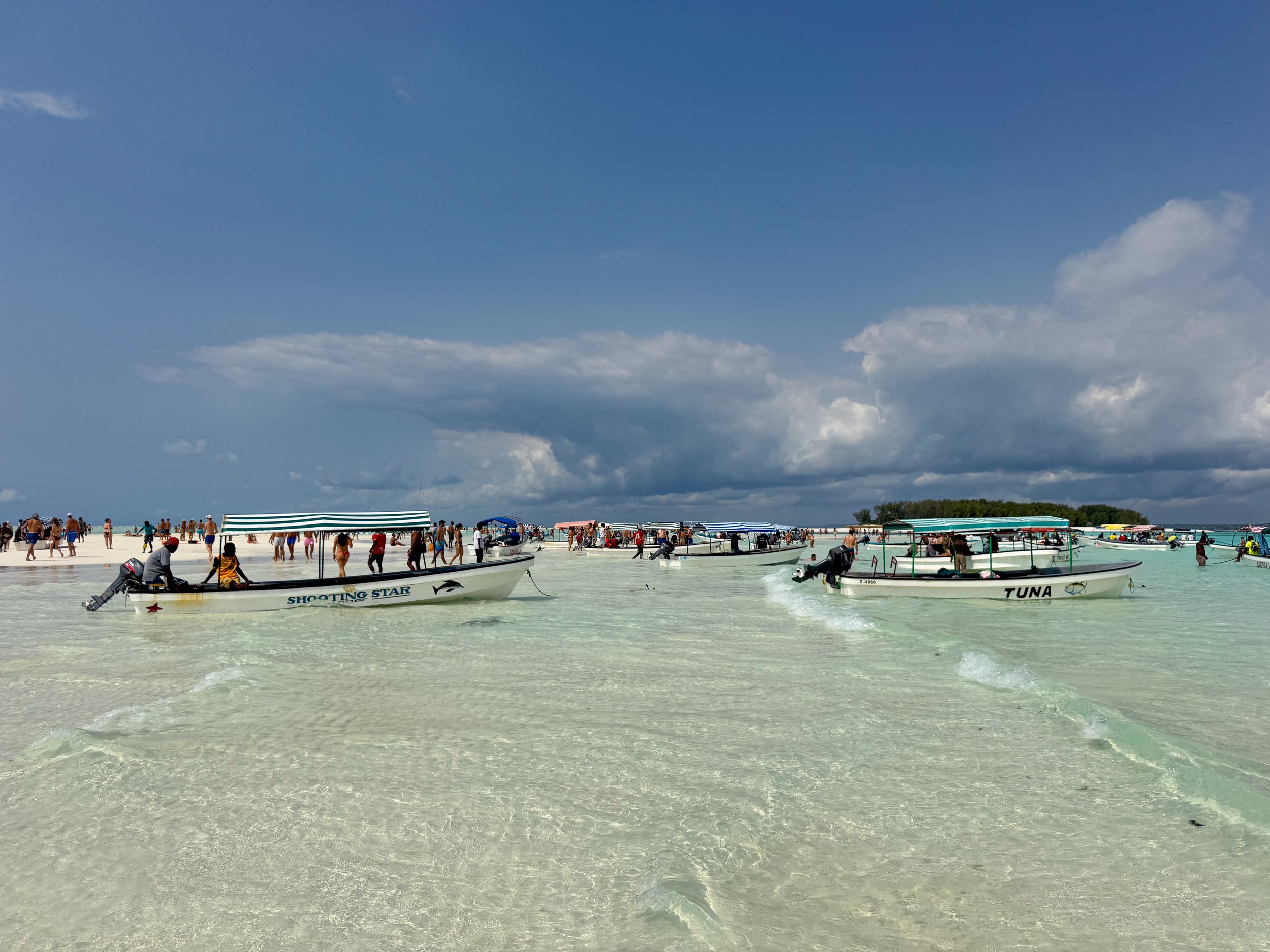
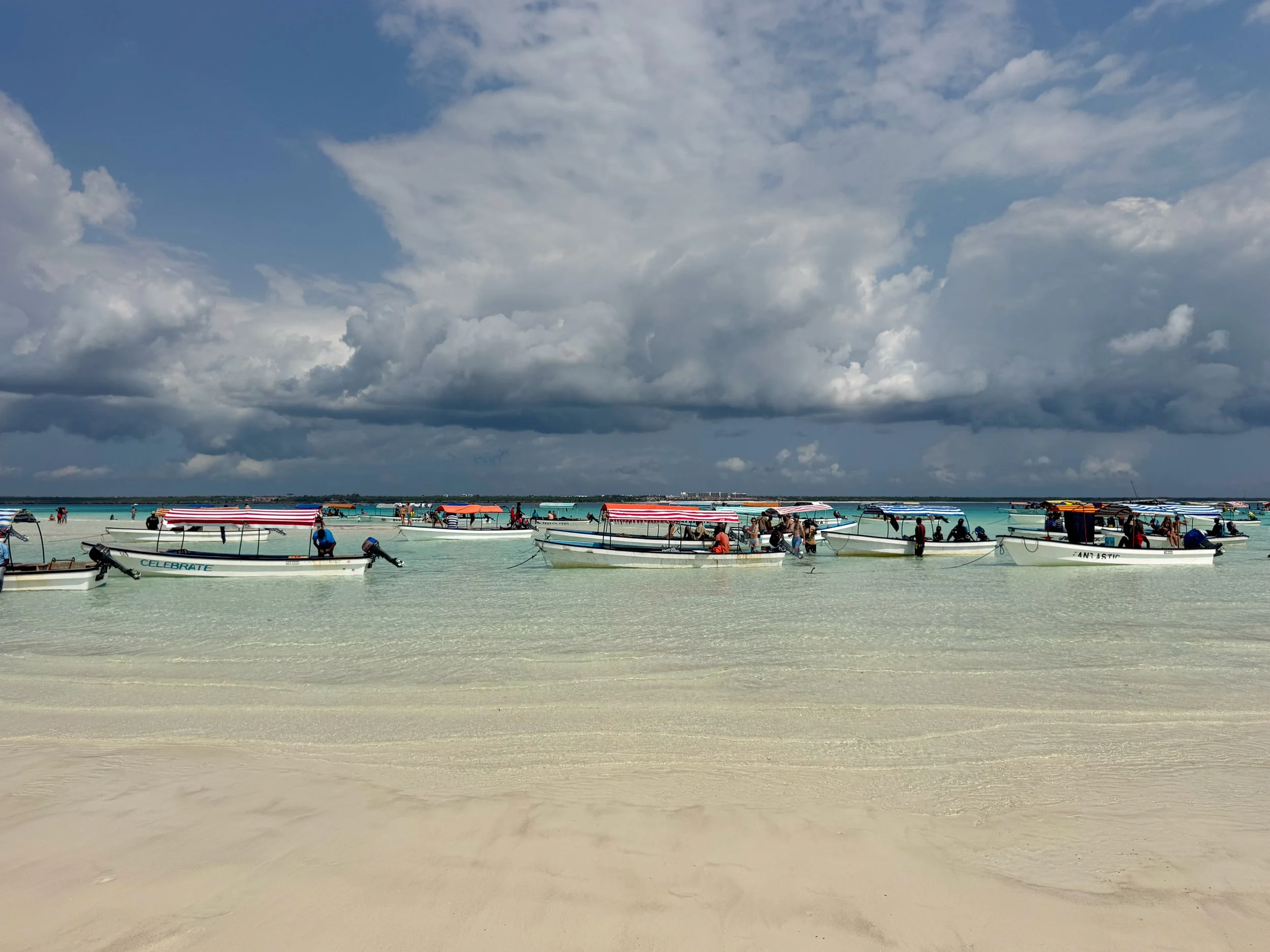
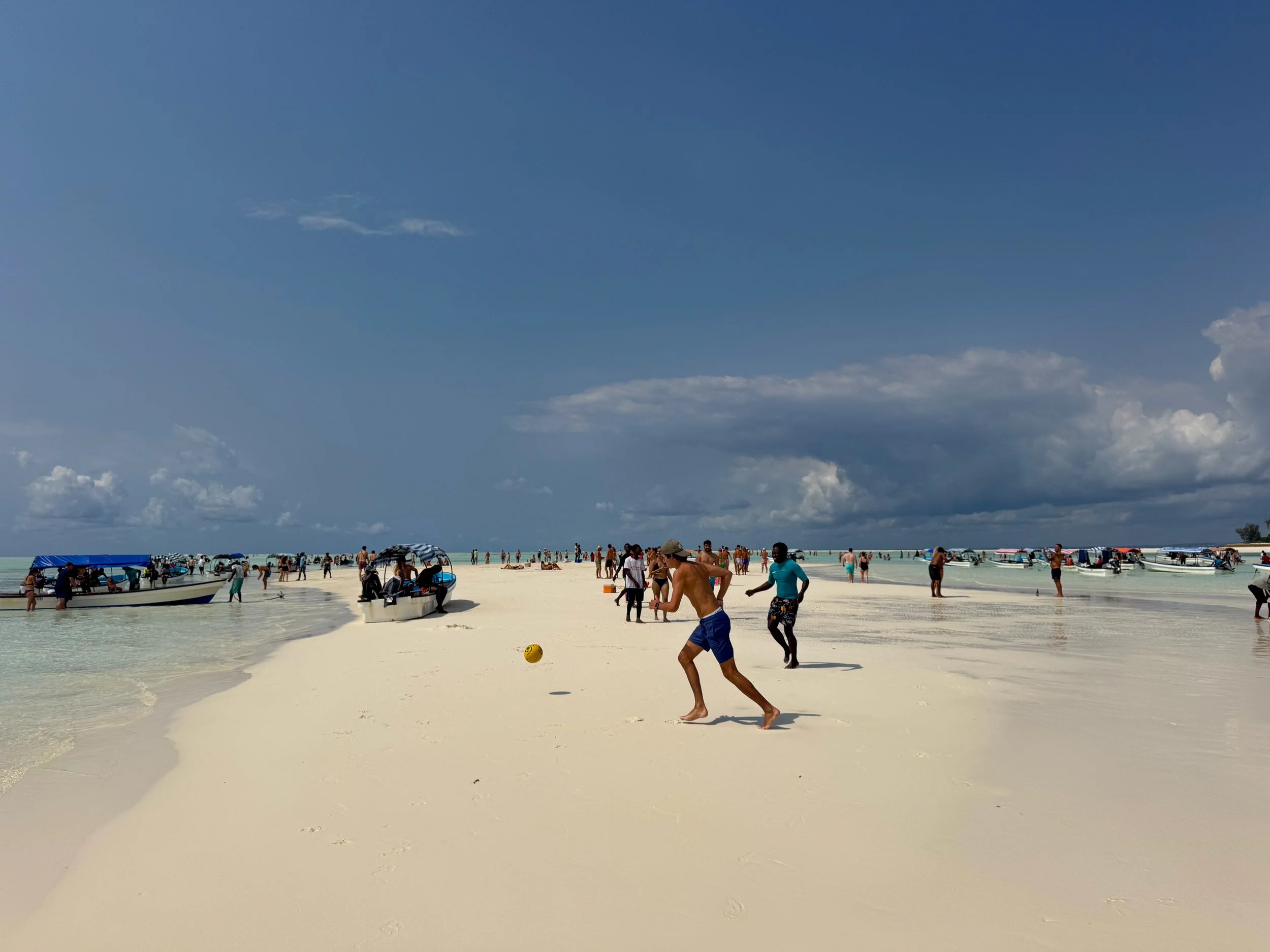
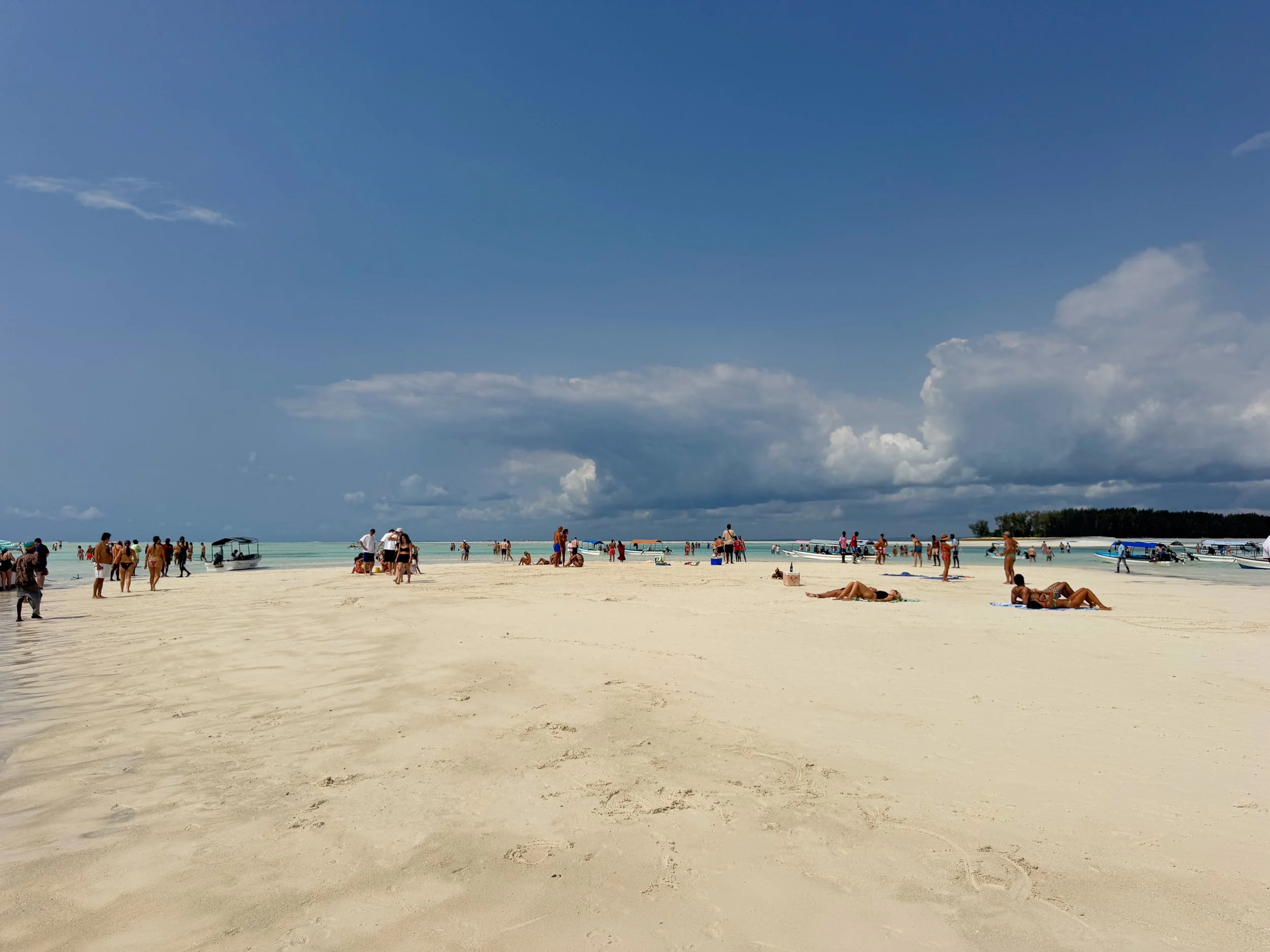
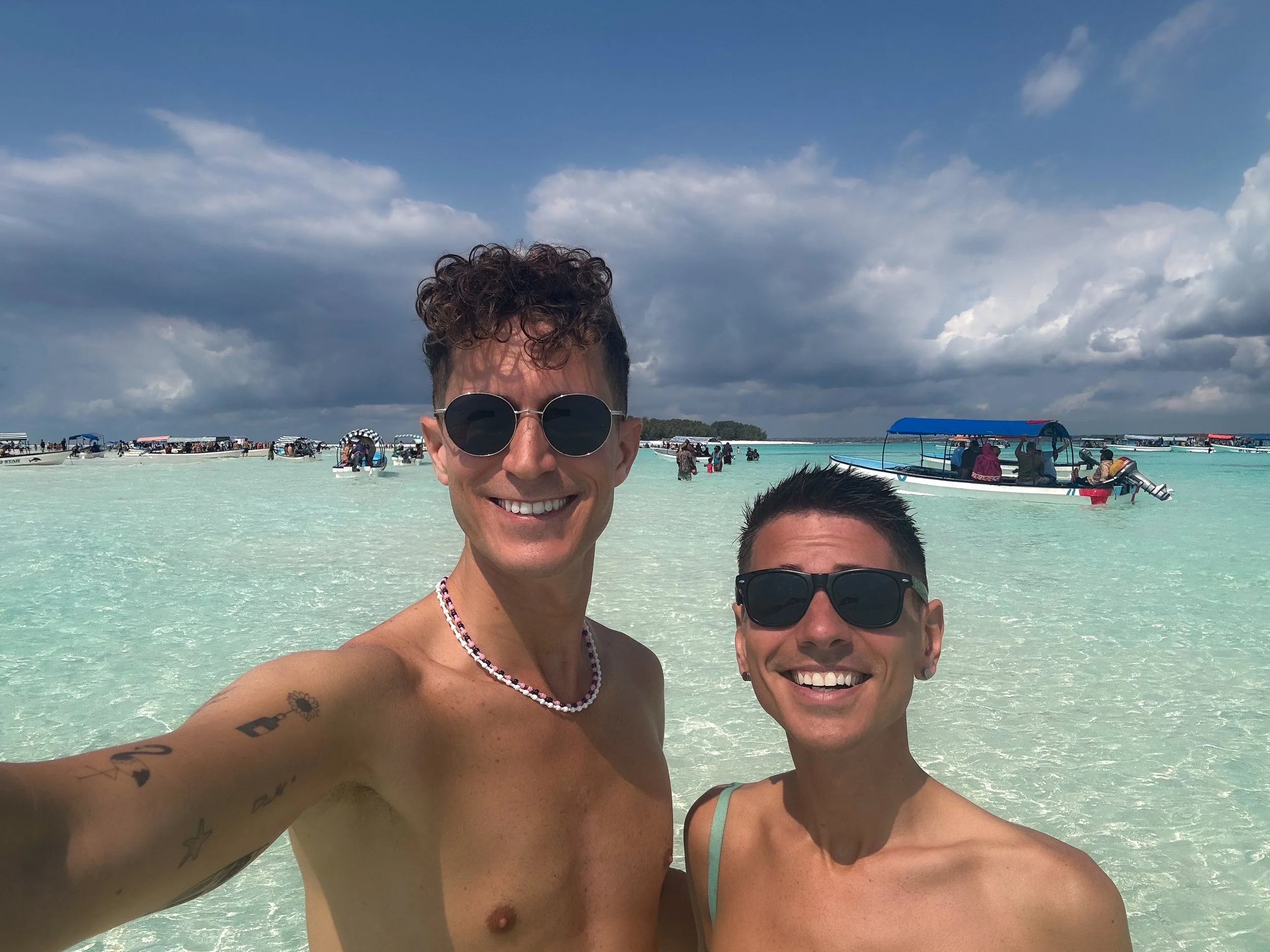
Mnemba Atoll Sand Bar. During low tide, large sandbars form around the Mnemba Atoll’s perimeter. Hundreds of boats moor in the shallows as sunbathers relax and walk along the temporary white sand beaches. Small reefs offer places to snorkel and spot tropical fish, the occasional starfish, swaying anemone and seagrasses. We booked ahead of time online with Langentours on Get Your Guide. The tour can be booked cheaper in person from any of the beach vendors.
Good to Know. Please do not remove the starfish from the water or touch them. It will seriously harm them.
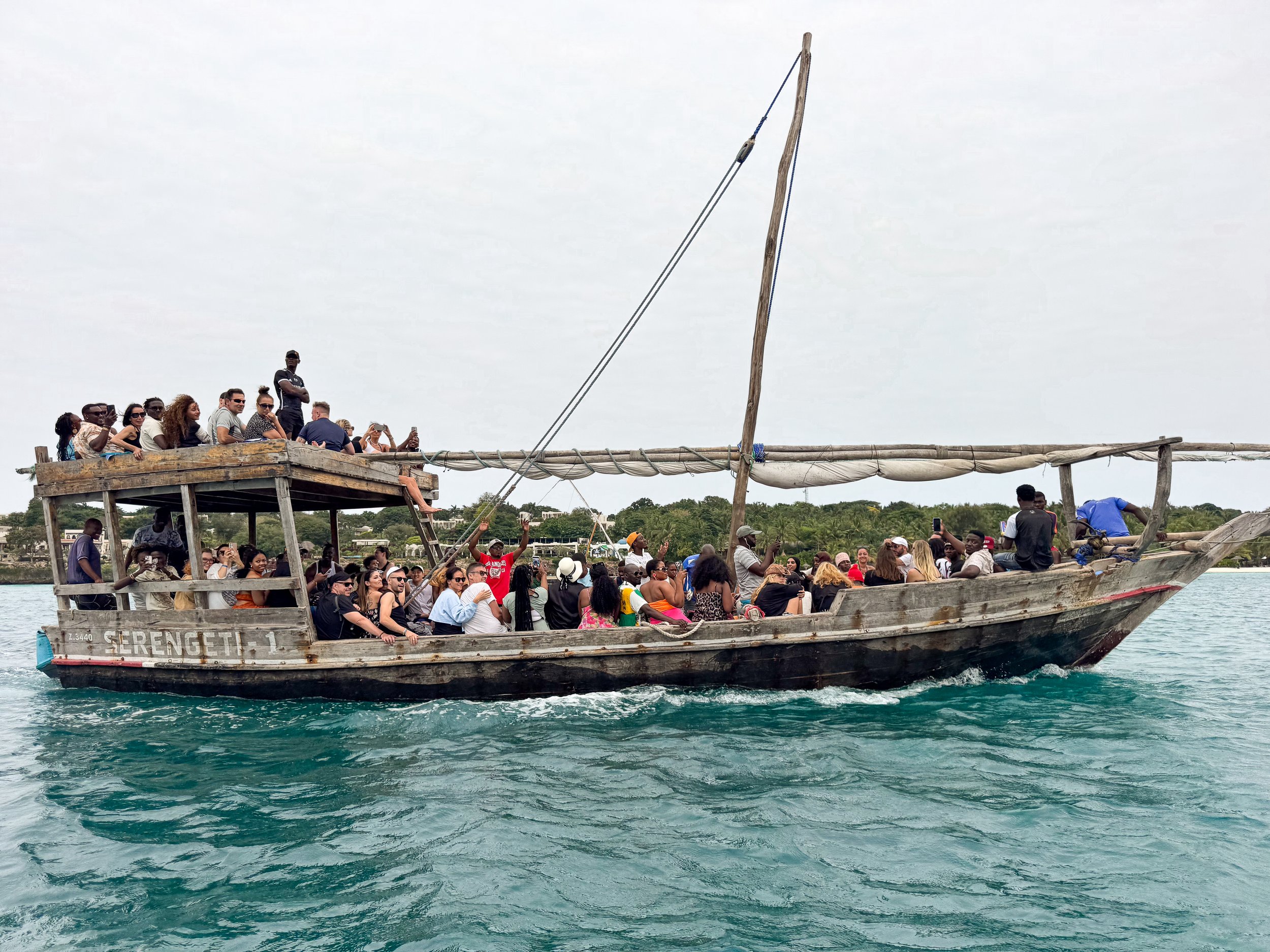
Nungwi Sunset Dhow Cruise. Dhow boats are a traditional sailing vessel used by Zanzibar’s fishermen and spice merchants. The wooden ships are characterized by their triangular canvas sail hoisted from a singular mast. They have become a quintessential part of the island’s cultural identity and heritage. Captains offer nightly sunset cruises from Nungwi and Kendwa on these unique ships. Joined by the crew, a live band and other passengers, we sailed the coastal waters for over 2 hours. The band sang in Swahili and performed using makeshift instruments during the voyage. The crew prepared fresh fruits, mixed cocktails and sold beverages and snacks. We booked ahead of time online with Uforo Tour and Travelon Get Your Guide. The tour can be booked cheaper in person from any of the beach vendors.
Pro Tip. Bring a sweater or jacket if it’s a cloudy day. It can get chilly onboard.
Places to Eat & Drink
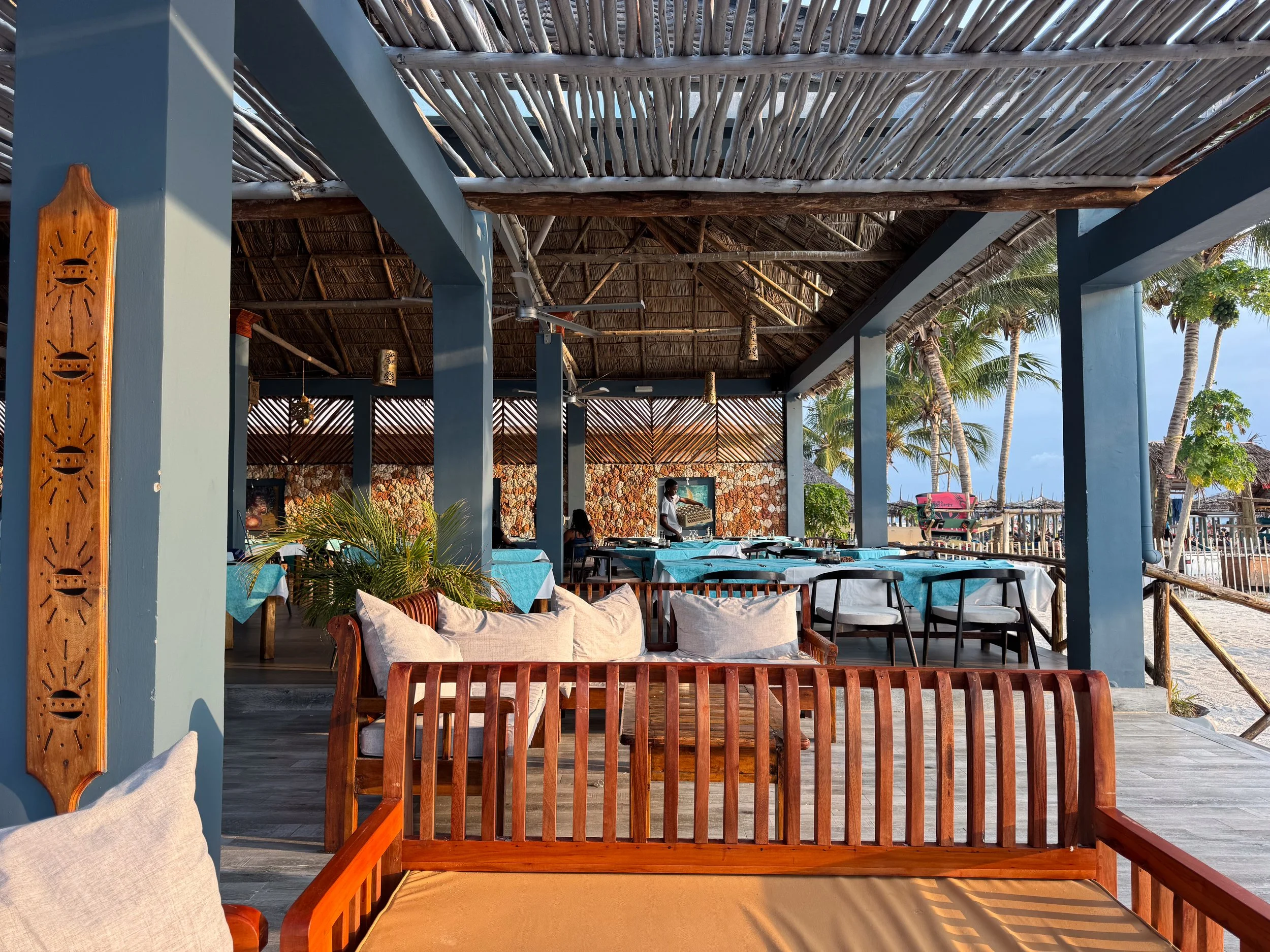
ZaVa Nungwi. A smaller beachfront restaurant with local dishes, beach lounges and happy hour cocktails. We came here for afternoon beers overlooking the Indian Ocean then returned for dinner and happy hour. Try whole grilled white snapper, fish burger and Dawa cocktail.
Sunset Kendwa. A popular beach front restaurant and resort at Kendwa Beach. We stopped in for their daily happy hour, sipping on $6 cocktails.
Mococo Beach Villa. A quiet beachfront restaurant with beach lounges under thatched umbrellas and palm trees. Come here for coffees, cocktails and light bites.
Zanzibar Cuisine
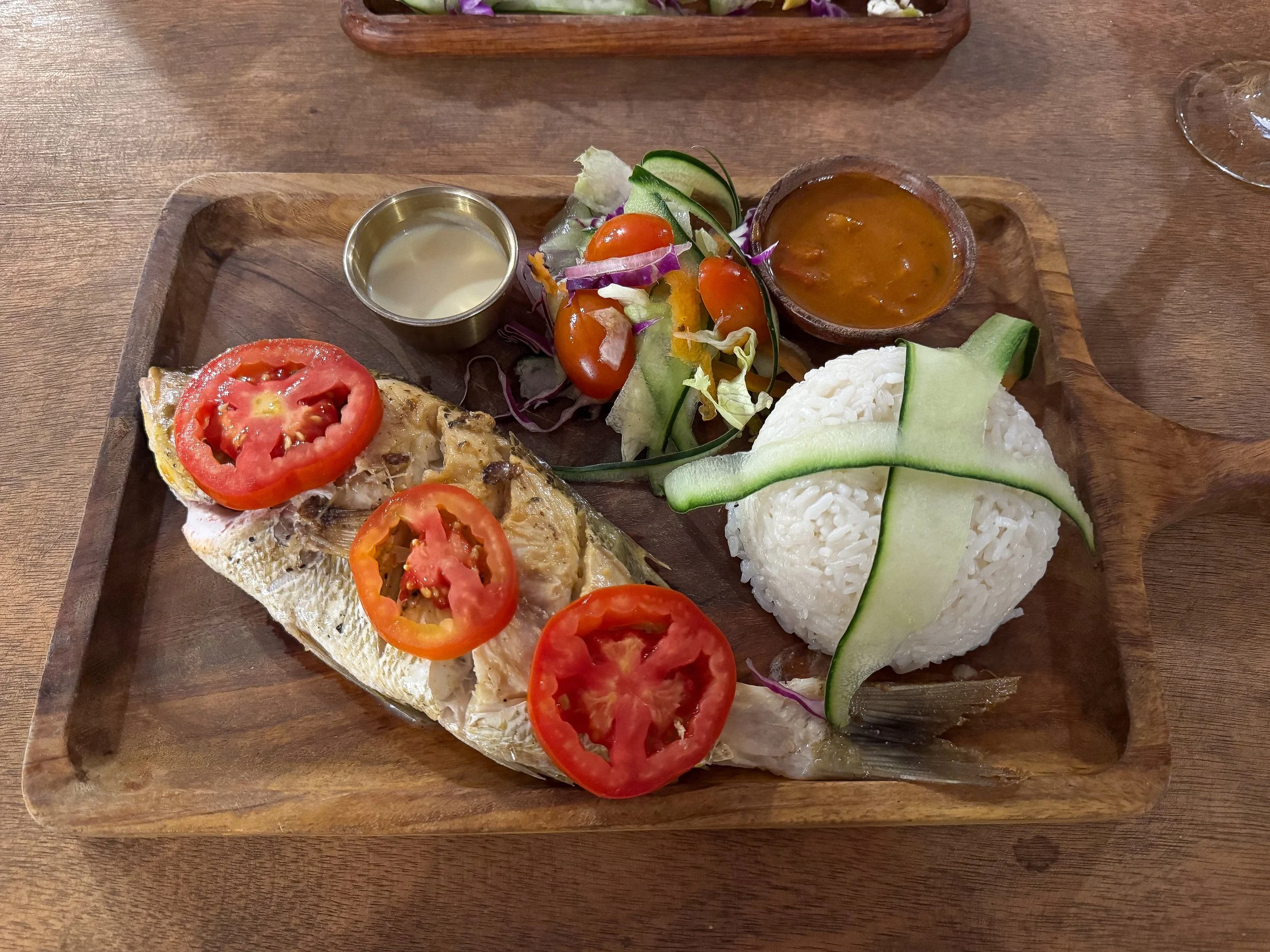
Seafood. Fresh caught fish is a common aspect of the cuisine on Zanzibar. A popular preparation is a whole fish grilled or fried.
Pilau. A hearty and flavorful “one pot” rice dish made with aromatic spices, onions, tomatoes, potatoes and a protein like beef, chicken or soy.
Sambusa. A common street food snack across Zanzibar brought over by Indian influences. The dough packets are stuffed with spices, potatoes and peas.
Curry. A common spice used to make savory stews and dishes made with meat, seafood or vegetables.
Chapati. A type of roti used to scoop stews and curries by hand.
Kachumbari. A salad made with chopped tomatoes, red onions and chili peppers.
Sugar Cane. Sugar cane is grown across the island. Street food vendors press it into juice or chop it into bite size pieces. Try it pressed with ginger!
Dawa. A commonly served local cocktail made with konyagi, lime juice, honey and tonic water.
Where to Stay
Lofihouse. A small and simple apartment with two private rooms in Stone Town’s historic center. It has a communal kitchen and laundry machine for guests. Reserve on Booking.
Kendwa Bungalow. A cute bungalow on a semi secluded property in Kendwa. It has a shared kitchen, outdoor dining room and private suite. It’s located about 15 minutes on foot from the beach. Book on Airbnb.
Location Specifics
Mandatory Inbound Travel Insurance. The semi autonomous government of Zanzibar requires all foreign visitors to purchase state sponsored travel insurance. This is regardless of any private travel insurance you may have while visiting the island. It’s a classic scam but they won’t let you enter without it. Purchase on the official government site, Visit Zanzibar, before or when arriving.
Tours & Activities. Book tours and activities in person and negotiate with local guides for the best prices. Guides frequently approach visitors offering a range of experiences including island tours, spice farm tours, walking tours and taxis. The tourist office at the Old Fort advertises well priced tours, transfers and cooking classes.
When to Visit. We visited in mid August, during Zanzibar’s peak season, coinciding with the dry season. The time of year is typically sunny and warm, with temperatures around 80F by day and 70F by night. Strangely, it was overcast most days with light rain in Nungwi and Kendwa after 11am.
Cash vs Card. Carry cash! Most businesses only accept cash, either Tanzanian Shillings or US Dollars. No one will accept US Dollars over 10 years old or with tears and writing on them.
LGBTQ+ Safety. Tanzanian laws and customs are not very accepting of LGBTQ+ individuals. Stay up to date with the latest laws and suggestions while traveling. Refer to our guide on LGBTQ+ Travel Safety for more advice.
Language. English, Italian and Swahili are commonly spoken by many people in Zanzibar.
Swahili Words & Phrases
Swahili is the local language in Zanzibar. We learned several basic words and phrases during our travels here.
Jambo. A formal greeting meaning hello.
Mambo. An informal greeting meaning hello or how are you?
Poa or Poa Poa. A common response to Mambo, meaning good or well.
Habari Asubuhi. Good morning.
Lala Salama. Good night or sleep well.
Kwa Heri. Goodbye.
Asante. Thank you.
Asante Sana. Thank you very much.
Karibu. Welcome or you’re welcome.
Hakuna Matata. The phrase made world famous by the Lion King. It’s a real Swahili phrase meaning no worries or no problems.
Pole Pole. A phrase meaning “slowly, slowly” or slow down. It’s a common expression on the island.
Getting Around
On Foot. The historic center of Stone Town is very walkable and easily the best way to see the city’s sights and experience its culture. Plan to wander the maze-like streets and get lost.
By Taxi. Hire a taxi driver from Stone Town to Kendwa or Nungwi. Drivers wait along the Mizingani Road promenade. The transfer takes about 1 hour 30 minutes. Don’t pay more than $40 USD.
Tuk Tuk. The small three wheeled vehicles are a popular way of covering short distances in Stone Town and between Kendwa and Nungwi. Prices are cheap, costing no more than 10K shillings ($4 USD).
Elsewhere in Tanzania
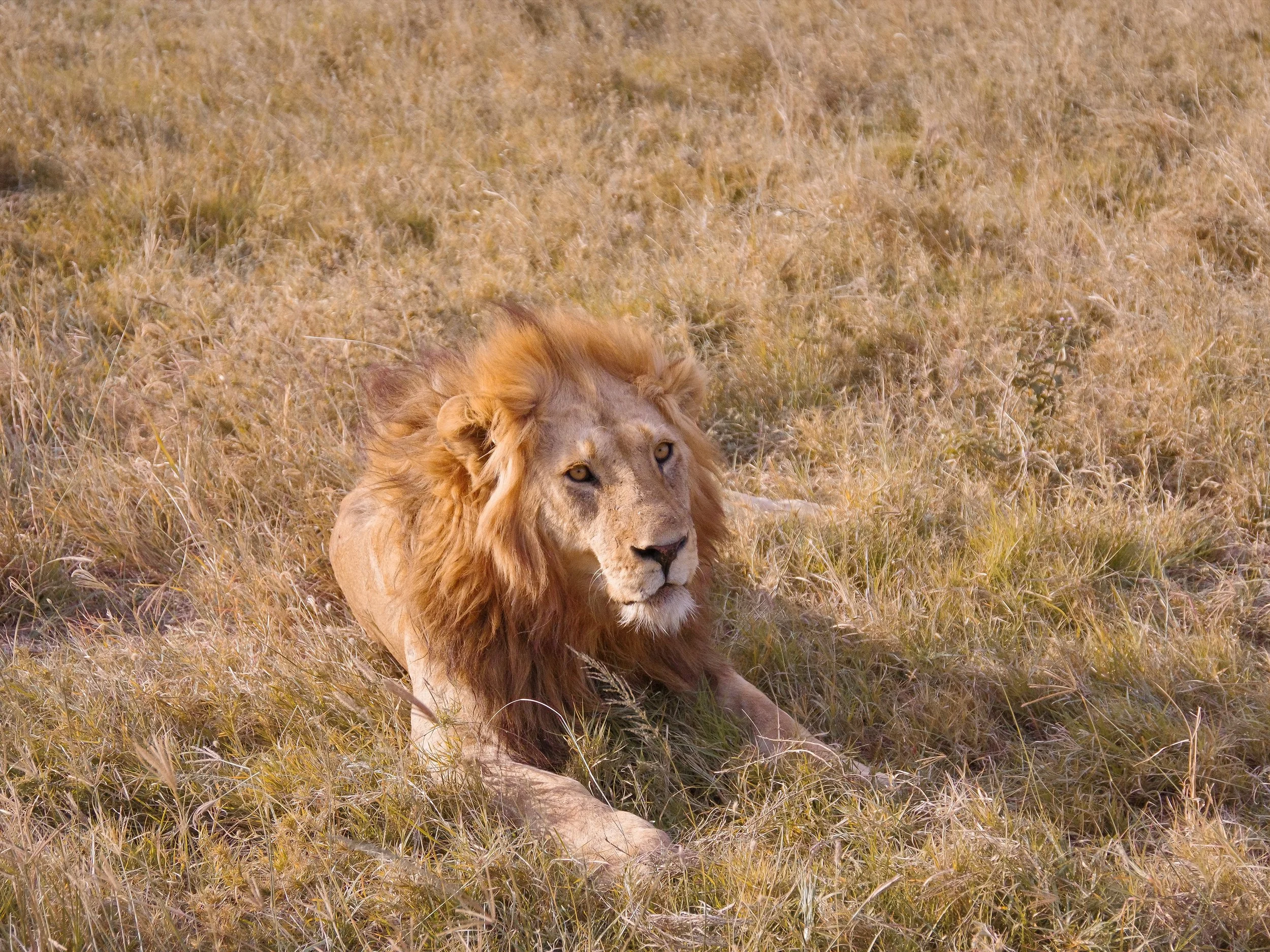
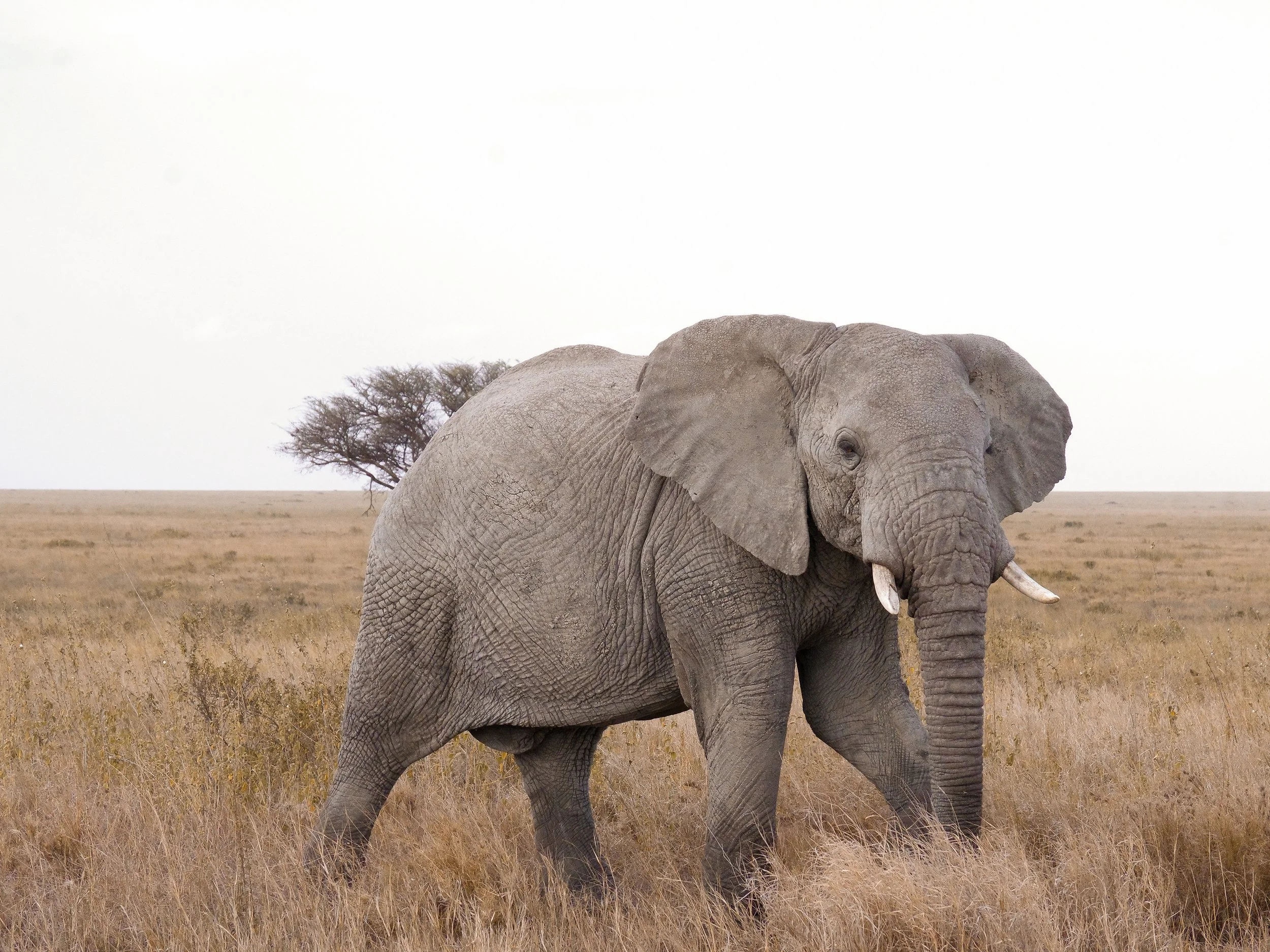
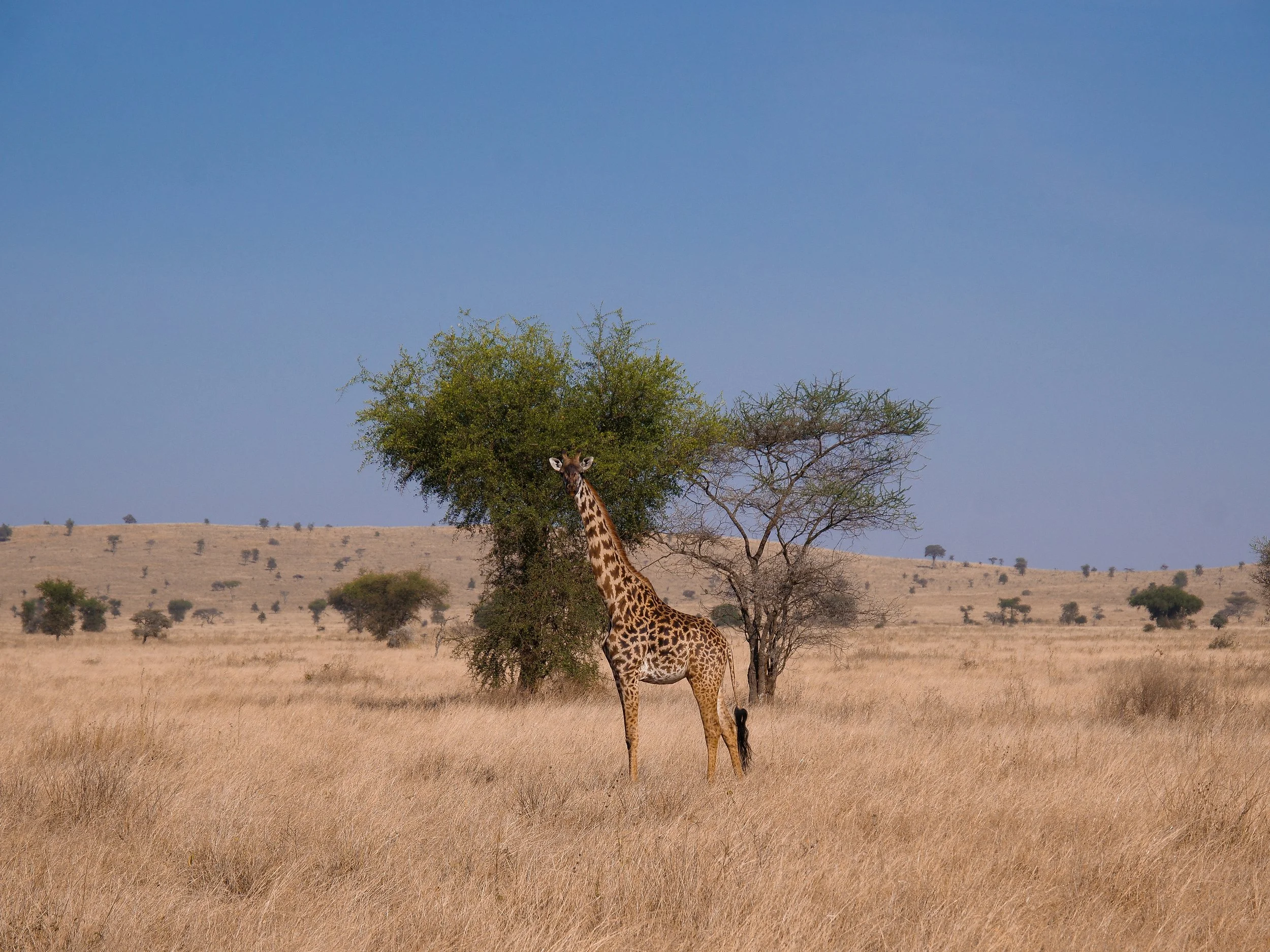
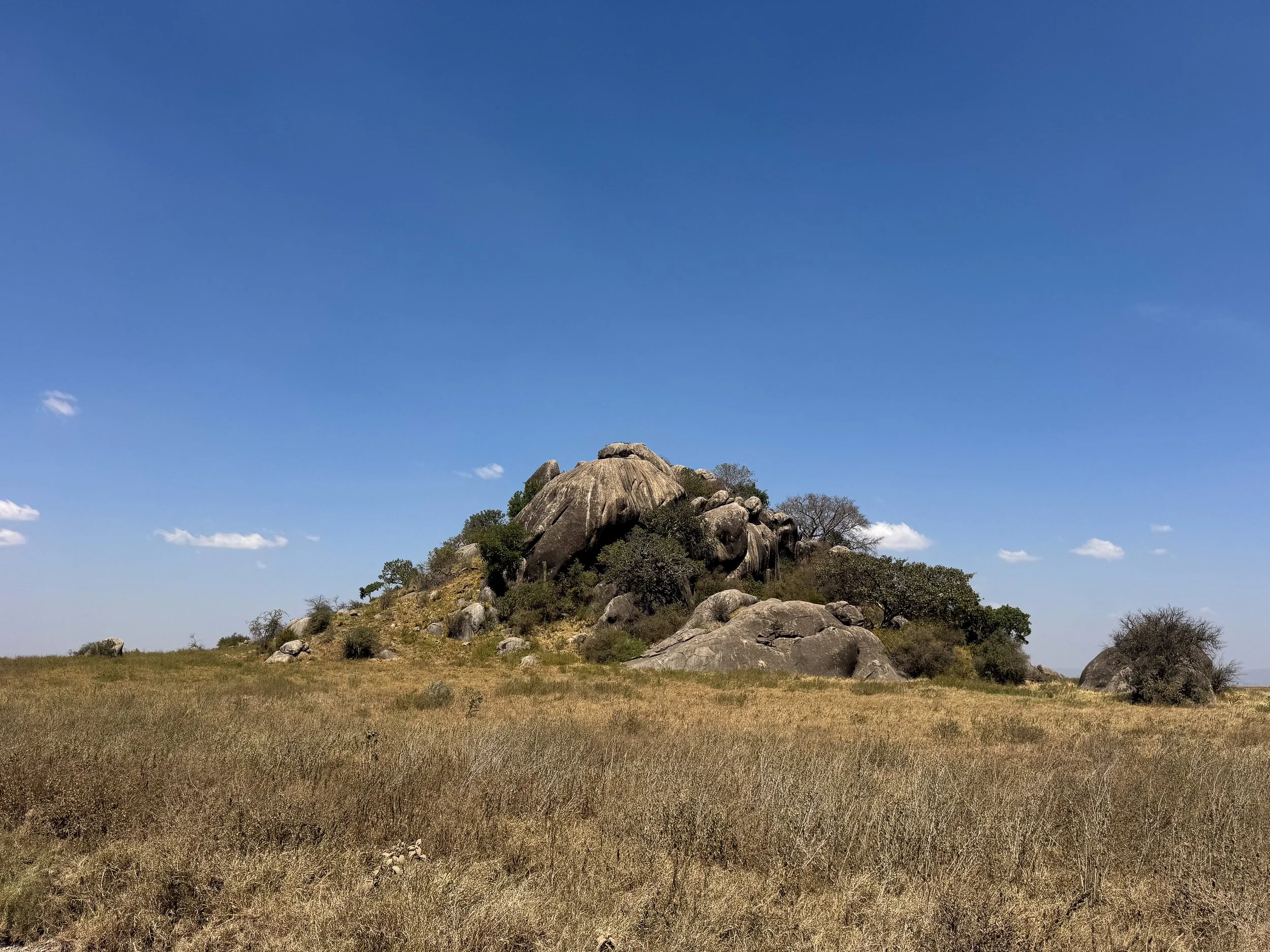
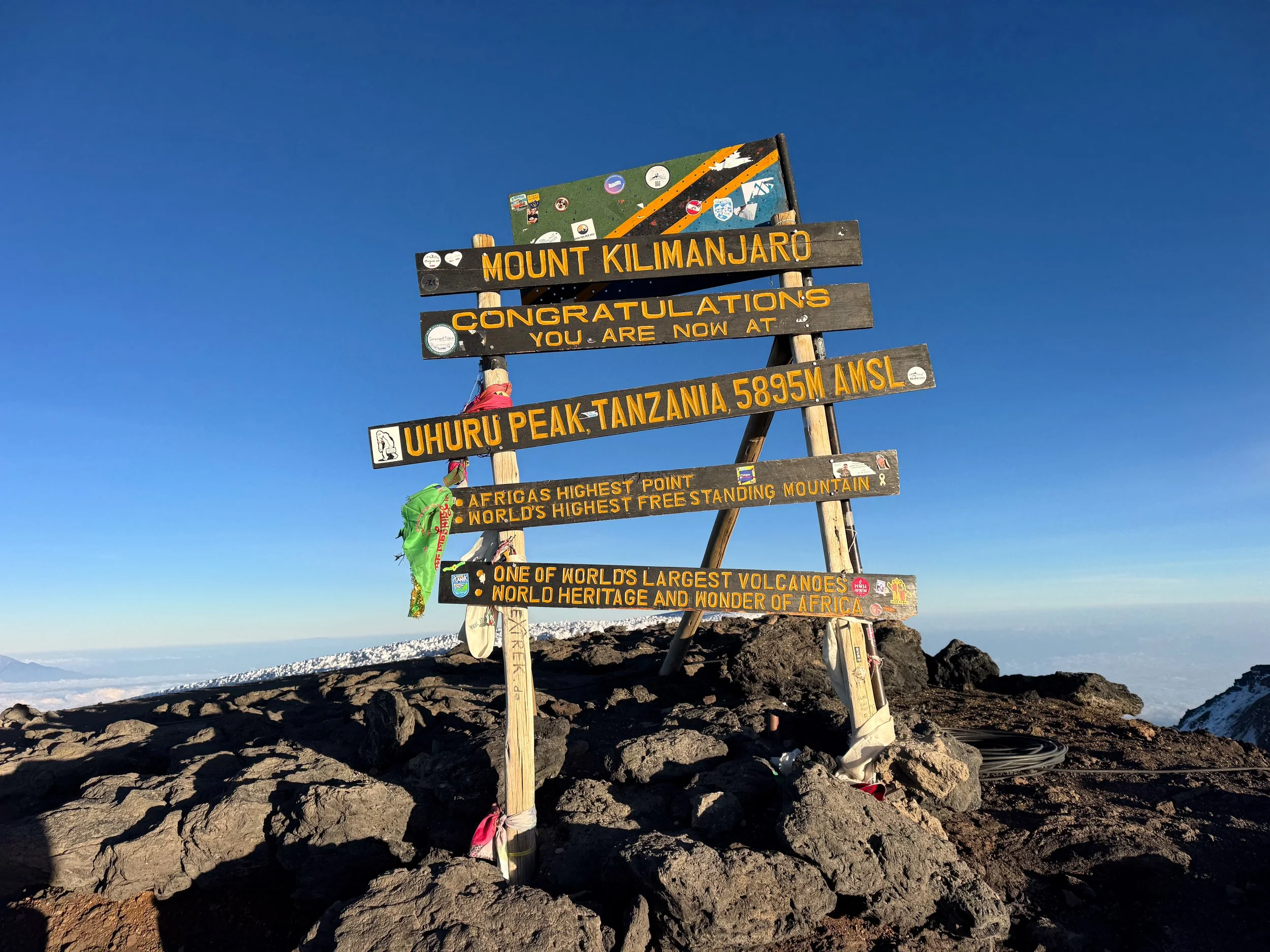
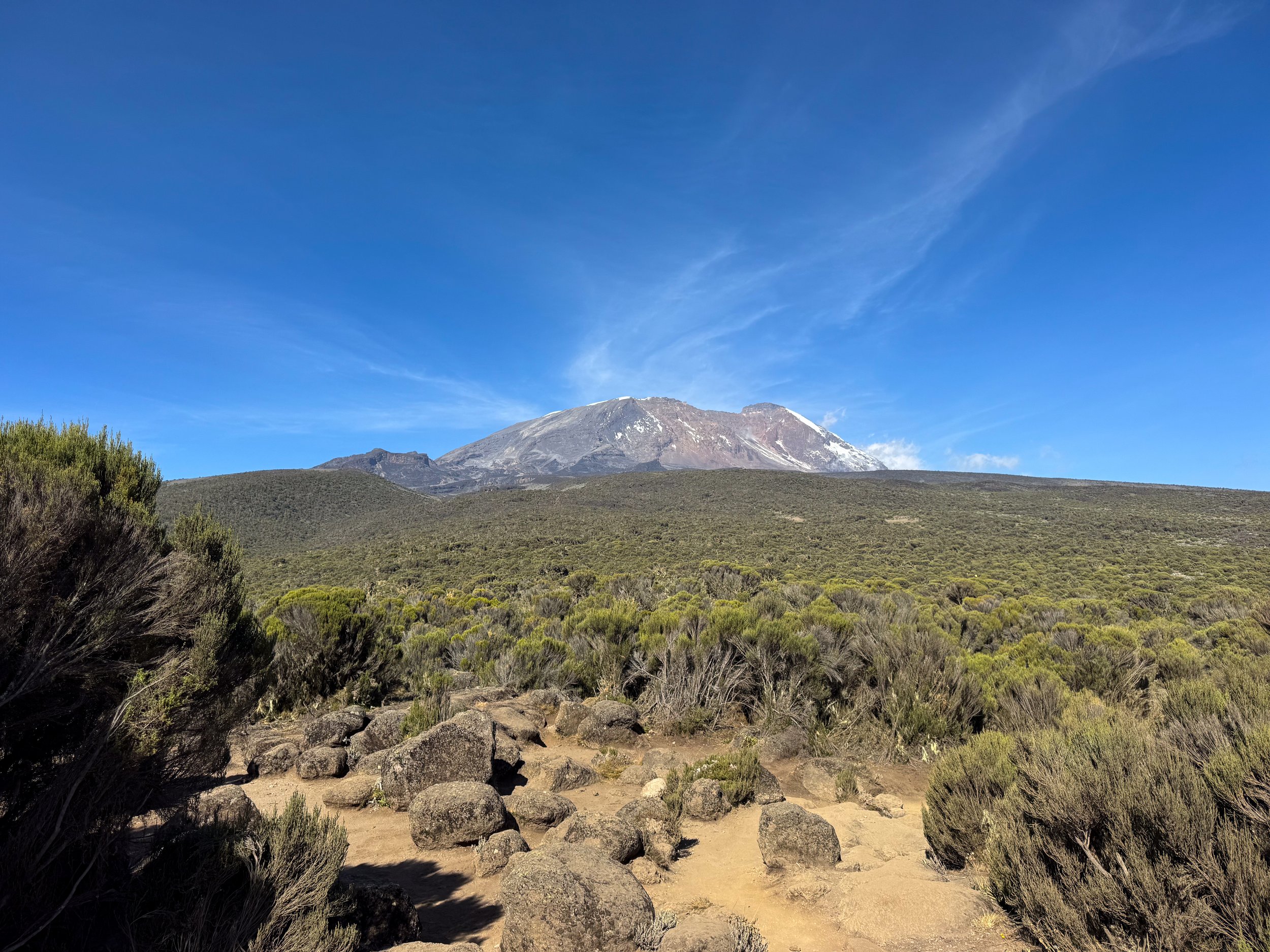
From Zanzibar's beaches and Swahili heritage to the wildlife rich plains of the Serengeti and the heights of Mount Kilimanjaro, continue exploring Tanzania's diverse landscapes and cultures through these travel guides:
Tanzania Safari Guide: Serengeti, Ngorongoro & Wilderness Camping. Journey through Tanzania's vast landscapes where wildlife and migrating herds roam across endless plains and ancient calderas alongside remote safari camps.
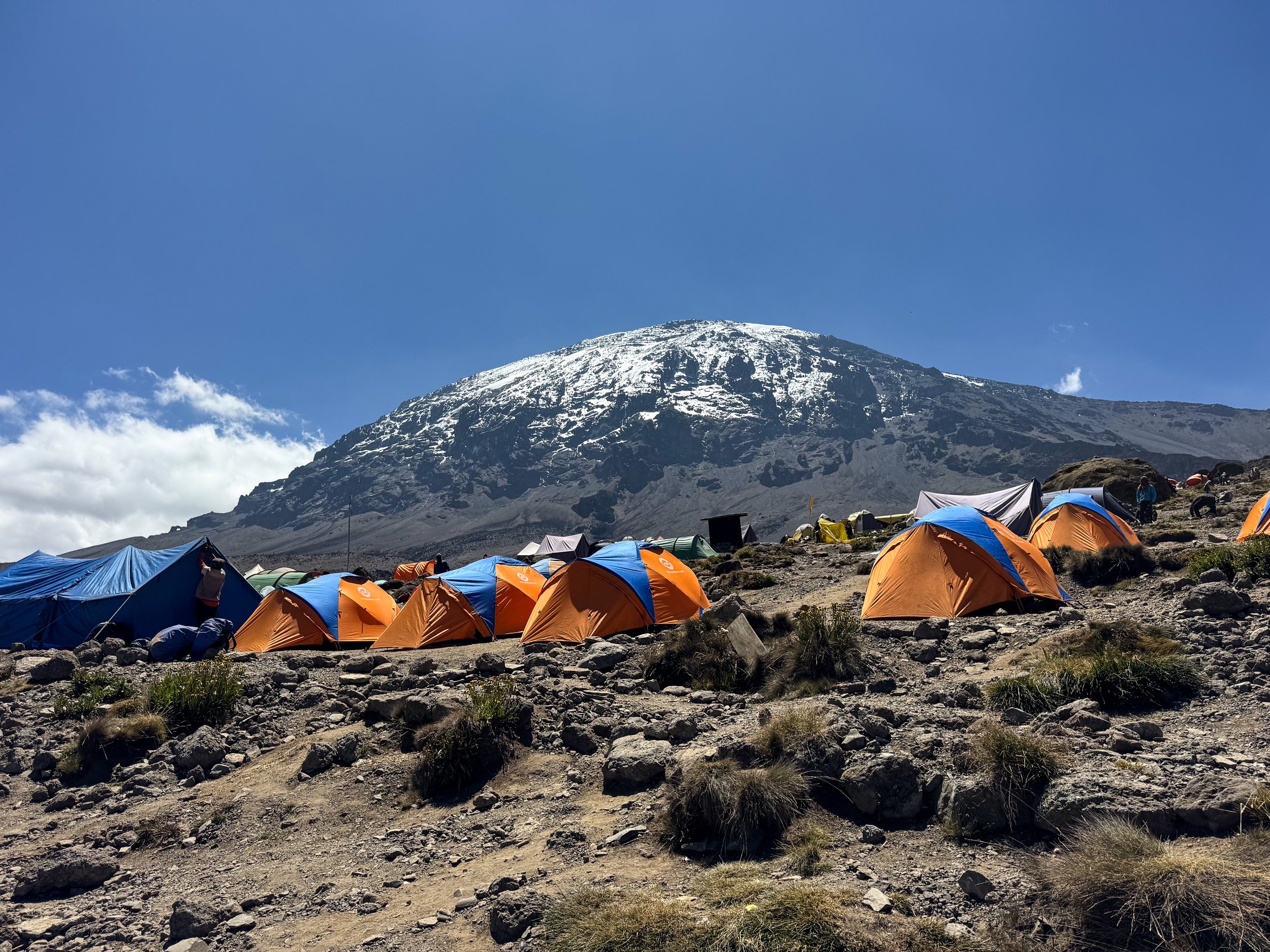
Mount Kilimanjaro Guide: Lemosho Route, Mountain Camping & Uhuru Peak. Trek through Mount Kilimanjaro's changing landscapes where alpine scenery, mountain camps and summit trails lead to Africa's highest point at Uhuru Peak.
For Next Time…
One week in Zanzibar was not nearly enough time to enjoy this Indian Ocean paradise. When we return, we plan to explore the forests in the island’s interior and other nearby islands.
Jozani Forest. A tropical forest in the south of the island with rainforest, mangroves and coastal ecosystems. It’s home to chameleons, dolphins and colobus monkeys.
Pemba Island. A large island a part of the Zanzibar archipelago. It’s famed for its coral reefs, abundant marine life, white sand beaches, tropical forests and spice farms.